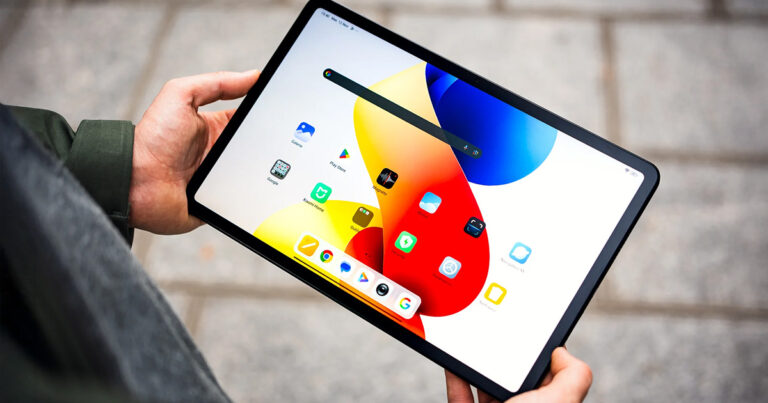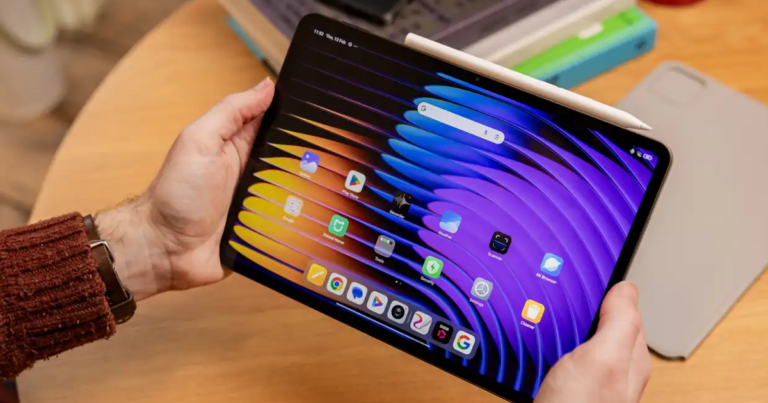
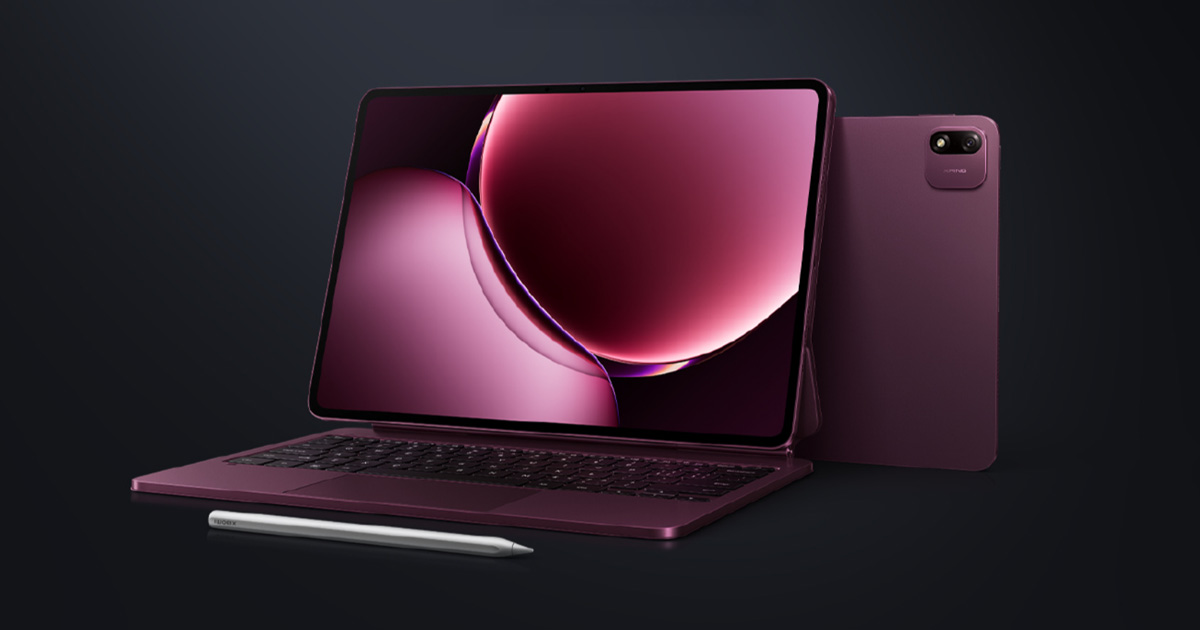
- Xiaomi Pad 9 Pro Max is official: 13.3″ 3.4K display with 144 Hz and the tablet debut of the XRING O3 chip.
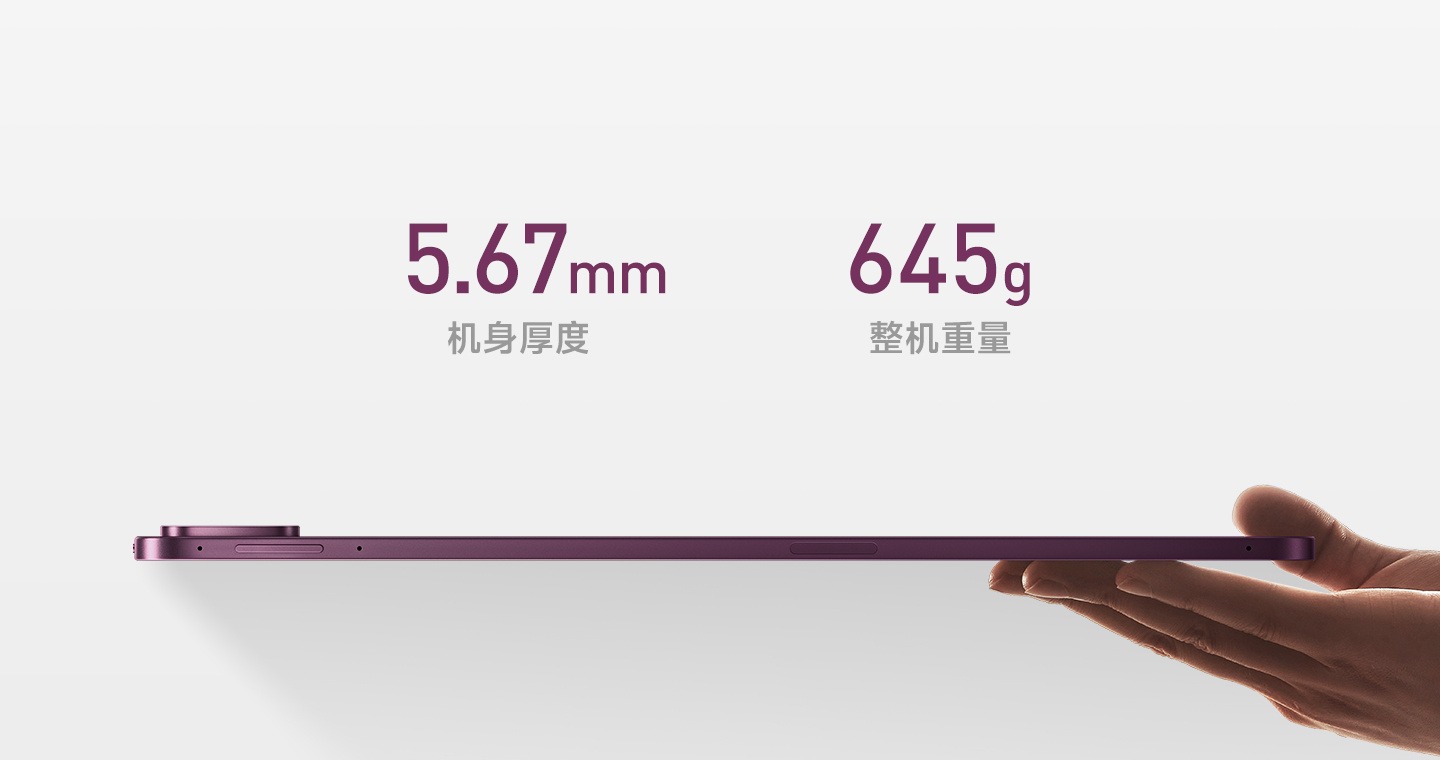
- The body is 5.67 mm thin and weighs 645 g. The 12,000 mAh battery charges at 120 W.
- Thanks to the DP input, the tablet turns into a PC monitor, a graphics tablet, and a display for the Steam Deck.
- Pricing starts at 4,799 yuan (about €620), with the top model at 16 + 1 TB and LPDDR6 priced at 7,899 yuan.
- It goes on sale today, but only in China; with the XRING chip, it won’t reach Europe.
At its autumn 2026 conference in Beijing, Xiaomi showed—alongside the 18 Fold—its second product with its own XRING O3 chip: the Xiaomi Pad 9 Pro Max tablet. Lei Jun presented it as a professional work tool that, in both size and performance, is meant to replace a 13-inch notebook, and immediately went up against the 13-inch iPad Pro.
Comparable display and performance, better cooling, longer battery life, and faster charging—but pricing starts at 4,799 yuan instead of the 13,000+ Apple tablet costs. All the specs in the article come from the Xiaomi livestream and from the official spec sheet on mi.com.
13,3″ notebook-size display with an optional matte finish
The foundation is a 13.3-inch LCD display with a resolution of 3,408 × 2,272 px (308 PPI), a 3:2 aspect ratio, and a refresh rate of up to 144 Hz. Peak brightness reaches 1,000 nits, the panel offers a 12-bit color depth, DCI-P3 coverage, and factory-calibrated colors with a ΔE deviation of around 0.47. There are TÜV Rheinland certifications for low blue light, no flicker, and DC dimming across the entire brightness range from 1 nit. Xiaomi emphasizes that the display area matches a 13-inch MacBook Air, so presentations, spreadsheets, and timelines in a video editor will look just like on a laptop.
As with the previous generation, you can also choose a version with a nano matte display that has an anti-reflective coating and feels like paper when writing with a stylus. It costs 300 yuan more, weighs 8 grams more, and the box includes an extra cleaning cloth. Audio is handled by eight speakers (four for bass and four for treble) with Dolby Atmos, plus six microphones with 360° recording to cover even a large meeting room, according to Xiaomi.
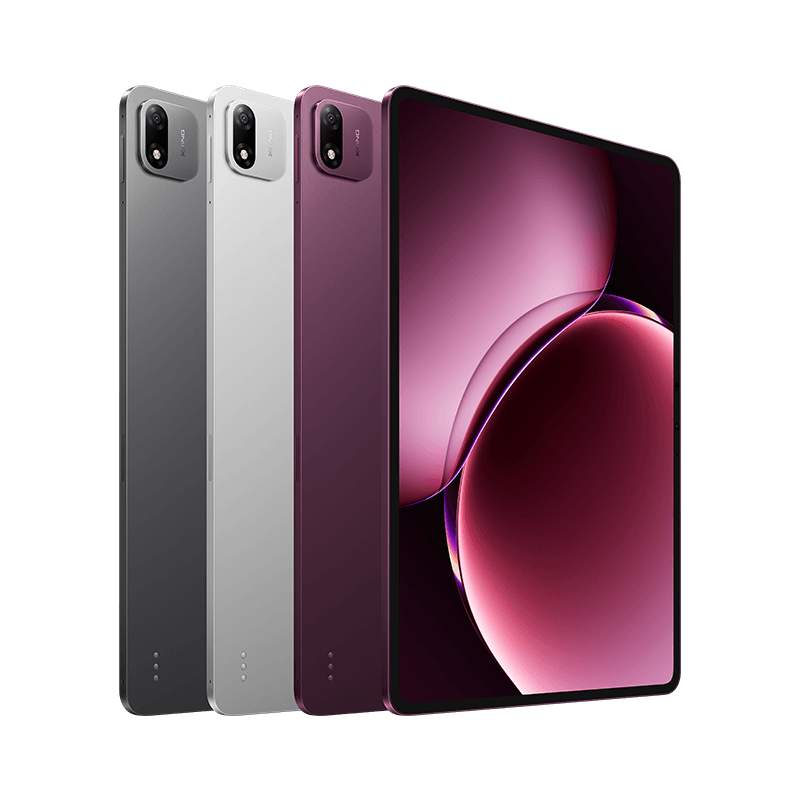
5,67 mm and 645 g in three colors
The metal unibody body is just 5.67 mm thick and weighs 645 grams. At dimensions of 296.2 × 203.1 mm, it’s roughly the size of a magazine. Lei Jun described the tablet on stage as something that fits into any small carry bag. The fingerprint sensor is built into the side button. On the back you get a 50 MPx camera with 4K video at 60 fps, and on the front there’s a 32 MPx ultra-wide camera for video calls.
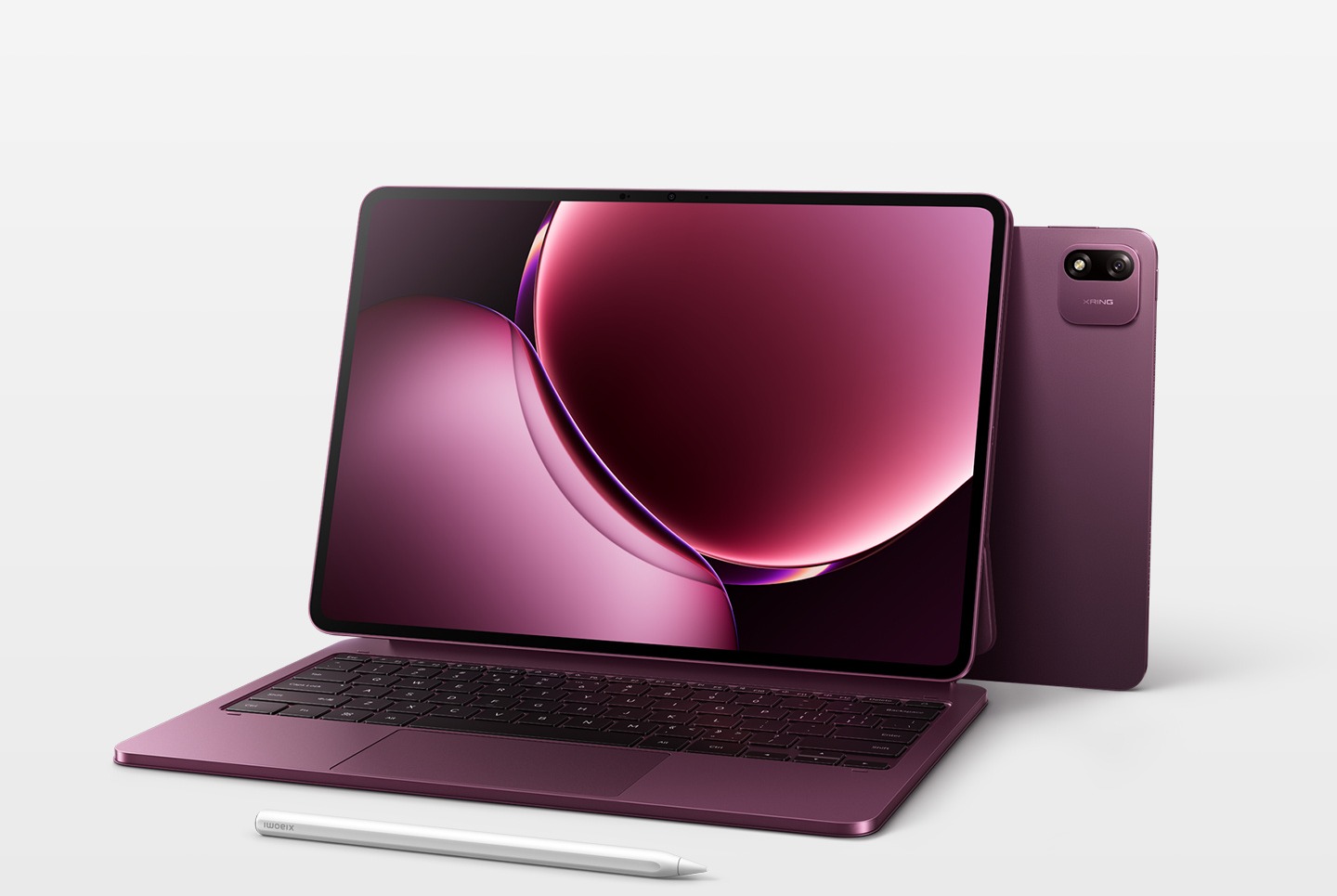
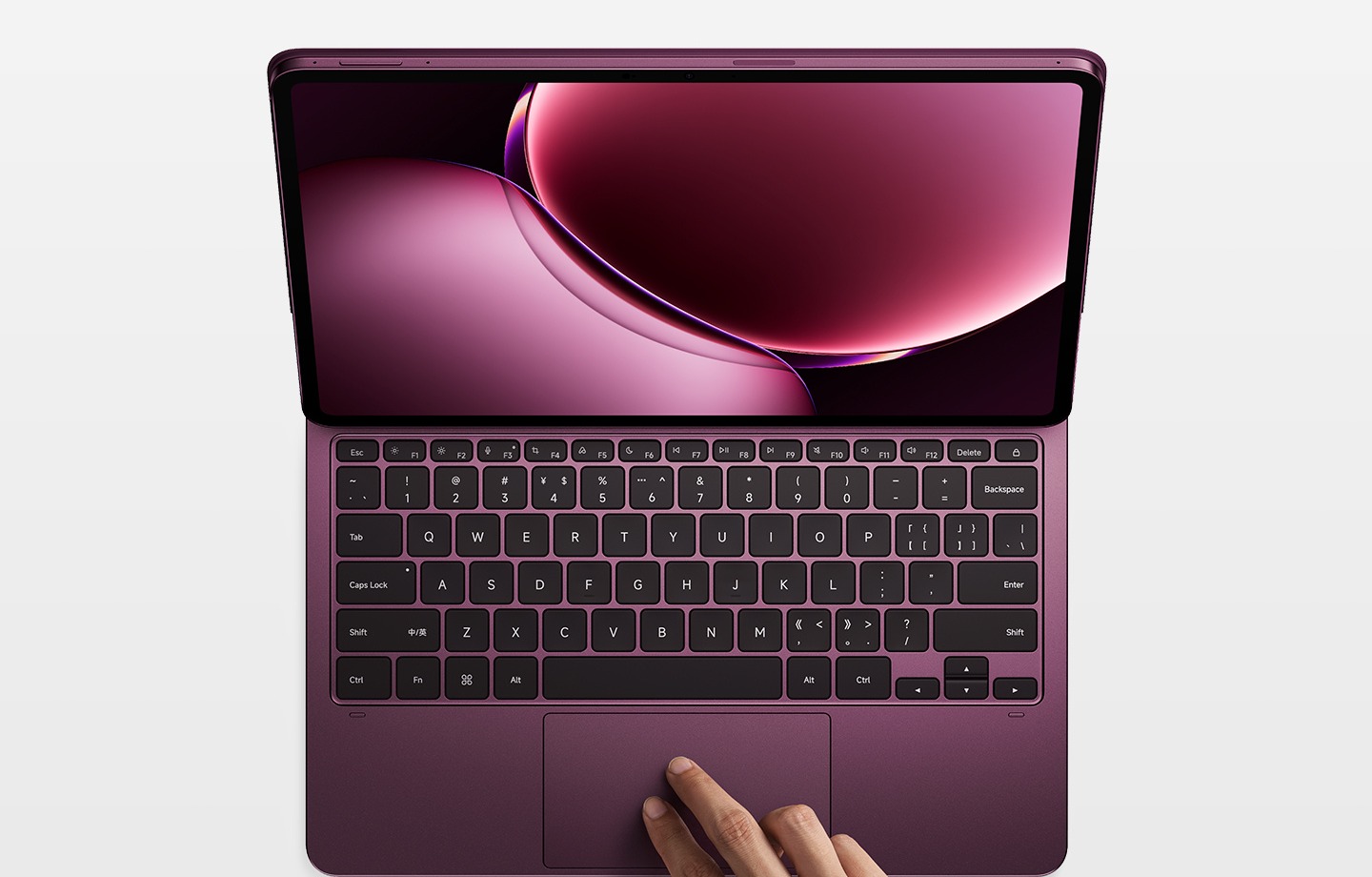
Among the new colors is wine red with a matte finish—plus Xiaomi offers a keyboard in the same shade. Besides that, the standard black and silver are still available.
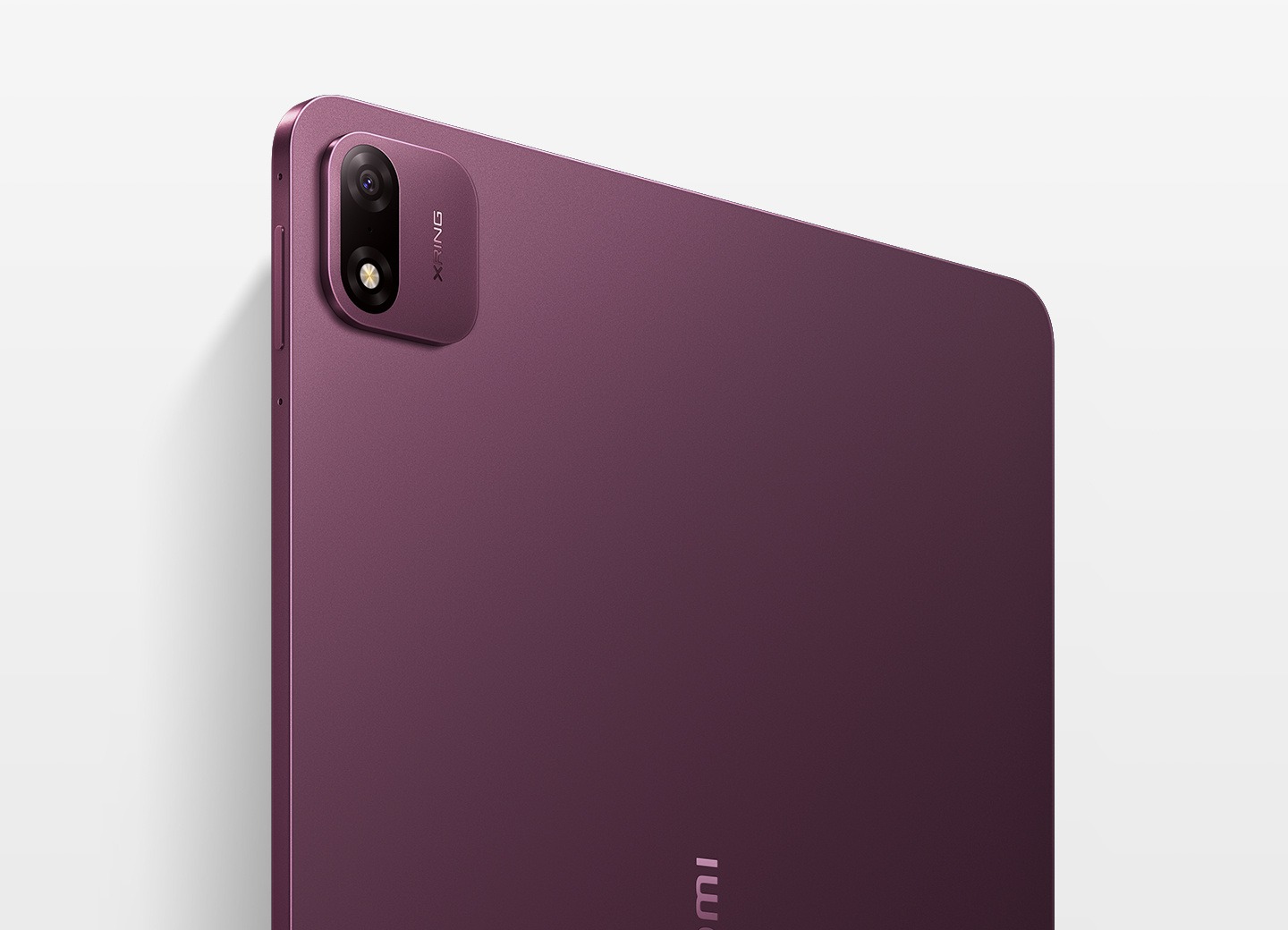
On connectivity, Xiaomi didn’t hold back: the tablet has Wi‑Fi 7, Bluetooth 6.0, USB‑C with USB 3.2 Gen 2 ( 10 Gb/s ) speeds, an infrared port for controlling appliances, and magnetic contacts for the keyboard as well as charging the stylus.
XRING O3: performance comparable to Apple M5
The Pad 9 Pro Max, alongside the 18 Fold, is the first device featuring the Xiaomi XRING O3 chip: a 3nm processor with ten big cores clocked up to 4.35 GHz, a 16-core G2-Ultra NX GPU, and a quad-core NPU. In the tablet, according to Xiaomi, there’s even more room than in the phone: a new self-contained vapor chamber cooler plus a large graphite area boosted cooling performance by 11% and lowered the chip’s peak temperature by up to 11 °C.
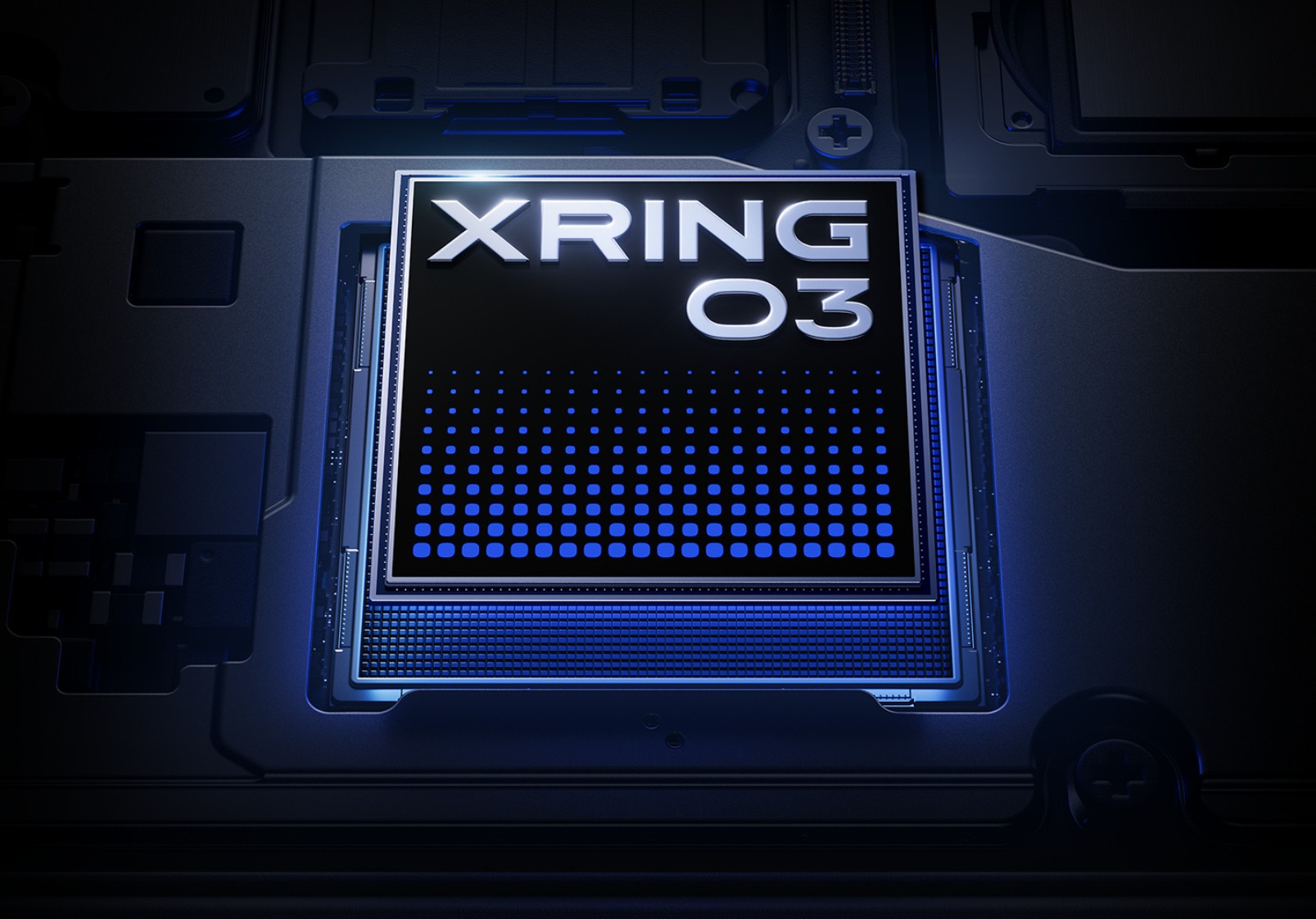
The result is 5.61 million points in AnTuTu and 14,845 points in Geekbench 6 multi-core testing, which Xiaomi directly compares with the Apple M5 chip. Based on its own measurements, the tablet computes complex Excel formulas across over a million rows, exports a thousand-page presentation to PDF, and processes AI object tracking in 4K video at the same speed as an M5 notebook.

Memory depends on the version: the base model with 8 GB uses LPDDR5X, the 12 and 16 GB versions use LPDDR5T, and only the top configuration of 16 + 1 TB gets the new LPDDR6 with 113.8 GB/s bandwidth. Storage is always UFS 4.1. For games, Xiaomi promises 3.2K resolution and 120 fps with single-frame rendering at the same time for up to 3.9 hours, but this feature is available only on versions with 12 GB and above. The same limitation applies to running six windows at once in multitasking— the base model can handle three.
Battery 12 000 mAh and 120 W charging
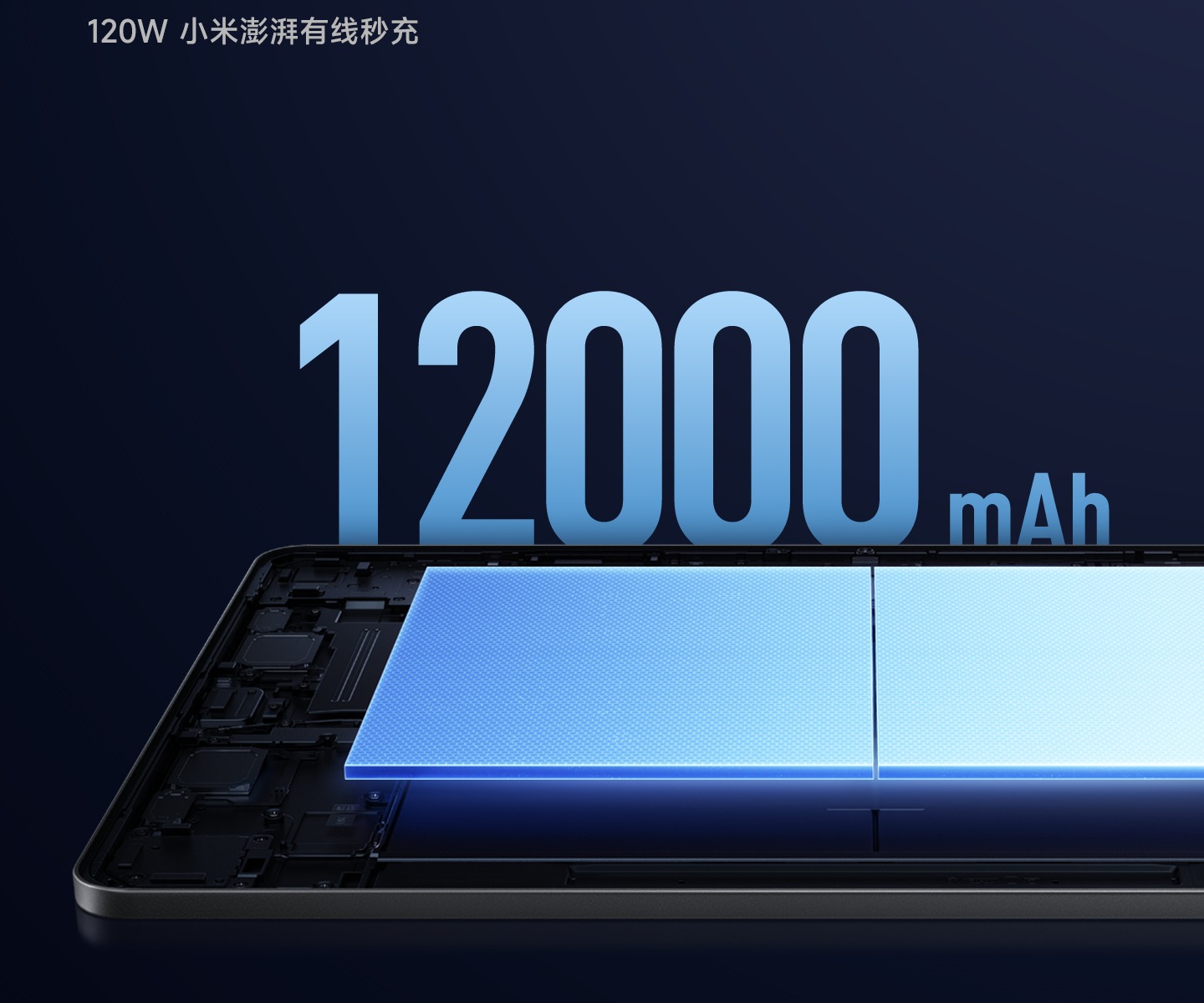
A thin body hides a dual-cell battery with a capacity of 12,000 mAh, which Xiaomi says lasts 11.4 hours of video playback, 12 hours working with documents, or 12.4 hours of online meetings. It charges 120 W wired—meaning 60% in 20 minutes—and it can also charge other devices with a power of 27 W.
Another highlight is 45 W charging via POGO pins, which works in a mount on the back of the seats in Xiaomi cars—where the tablet turns into a control display for rear passengers, with access to seat massage, climate control, and even the fridge.
When compared to the iPad Pro, Lei Jun emphasized that after a full day of demanding work, there’s still 34 % battery left in the Xiaomi tablet, while the competitor—according to his charts—is at zero.
HyperOS 4 with PC apps and a DP input that turns the tablet into a monitor
The Pad 9 Pro Max is Xiaomi’s first tablet with HyperOS 4, and Xiaomi prepared desktop versions of Chinese apps for it: WPS for Pad with a PC-like interface, CapCut Pro (Jianying) with multi-track editing and keyframes, the Pixel Cake RAW photo editor, and the Wind financial terminal.
Super Xiao Ai assistant 2.0 received an office suite that can generate a presentation or a web page from a single sentence. The new Notes app can turn a recording into a summary or a mind map, and with Expert mode the tablet can ask for a file from a notebook or control it remotely.

But the most interesting new feature is the DP input via USB-C. With a single, fully functional cable, the tablet becomes an external monitor for a notebook with up to 3.4K resolution at 120 Hz, a touch graphics tablet for designers with stylus and the TourBox controller support, or a large display for gaming consoles like Nintendo Switch or Steam Deck. Xiaomi also showed it as a second screen for its Book Pro 14 notebook, where on one display you write and on the other you have your materials.
Accessories, price, and availability
Included with the tablet is a new floating keyboard for 1,099 yuan (about €140) in dark gray, white, and burgundy, with refined keys and a pressure-sensitive touchpad across the entire surface, plus a Focus Touch Pen Pro for 599 yuan (about €77) offering 16,384 pressure levels, a preview of the touch point on hover, and quiet writing with a paper-like feel. The pen and a full-feature 6A USB-C cable for the DP input will be given free to buyers during the initial sales period.
Prices start at 4,799 yuan (about €620) for the 8 + 256 GB version. Next is 12 + 256 GB for 5,299 yuan (about €680), 16 + 256 GB for 5,799 yuan (about €750), 12 + 512 GB for 6,099 yuan (about €785), and 16 + 512 GB for 6,599 yuan (about €850).
The matte display version comes in a 16 + 512 GB configuration for 6,899 yuan (about €890), and the top-tier 16 + 1 TB with LPDDR6, available only with a matte display, costs 7,899 yuan (about €1,020).
The tablet will go on sale in China starting tonight across all sales channels. As we wrote in a separate article, devices with the XRING O3 chip remain exclusive to the Chinese market, so the Pad 9 Pro Max will only reach Slovakia via resellers like Gshopper or TradingShenzhen with the Chinese version of HyperOS. As soon as it’s added to the offer, we’ll update the article with the price box and coupons.
| - | Xiaomi Pad 9 Pro Max |
|---|---|
| Display | 13.3″ LCD / 3408 × 2272 px / 3:2 / up to 144 Hz / 1 000 nits / 12-bit / optionally nano-matte |
| Chip | Xiaomi XRING O3 (3 nm / 10 cores up to 4.35 GHz / 16-core GPU G2-Ultra NX) |
| Memory | 8 + 256 GB / 12 + 256 GB / 16 + 256 GB / 12 + 512 GB / 16 + 512 GB / 16 + 1 TB (LPDDR6) / UFS 4.1 |
| Battery | 12 000 mAh / 120 W wired / 27 W reverse / 45 W POGO in the car |
| Cameras | 50 MPx rear (4K 60 fps) / 32 MPx wide-angle front |
| Sound | 8 speakers / 6 microphones / Dolby Atmos / Hi-Res |
| Connectivity | Wi-Fi 7 / Bluetooth 6.0 / USB 3.2 Gen 2 / DP input / IR |
| Dimensions | 296.2 × 203.1 × 5.67 mm |
| Weight | 645 g (nano-matte version 653 g) |
| System | HyperOS 4 |
| Colors | crimson red / black / silver |
| Price | 4 799 up to 7 899 yuan |
| For sale | from 7. September 2026 only in China |
To get more updates from the world of Xiaomi, keep following our Xiaomi Planet website. Join our Facebook group, where we build an active community and help each other out. Subscribe to our Telegram as well, where we add the best deals and coupons from China every day.
Don’t miss the best coupons 📩
Subscribe and we’ll email you new coupons before they expire. We only send it once a month — no spam.