
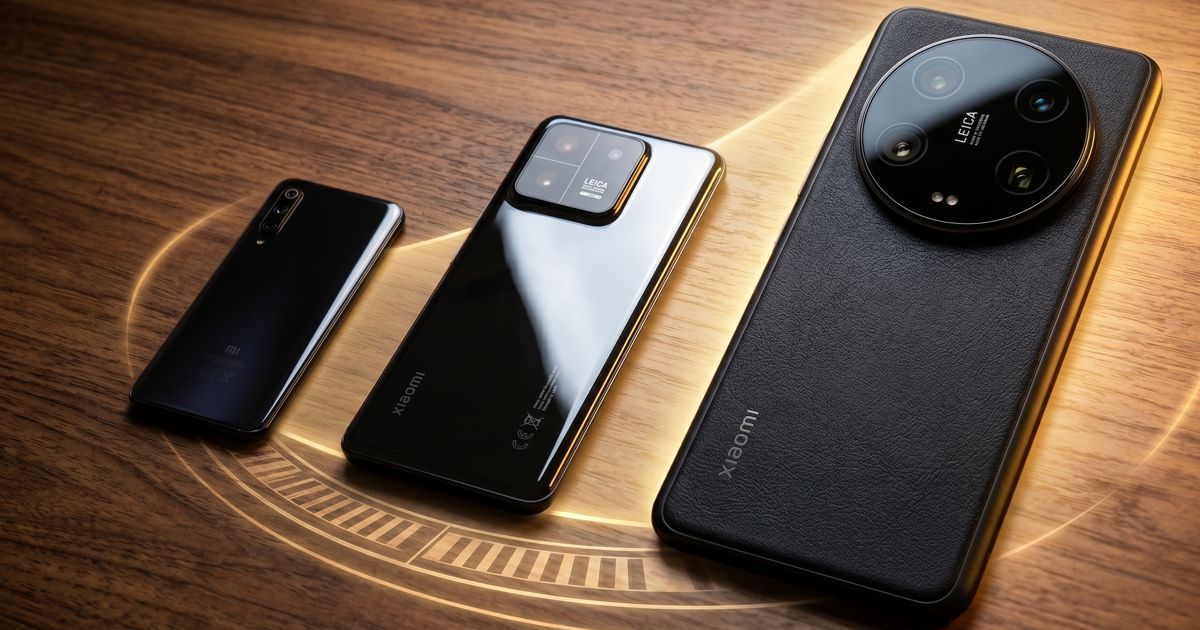
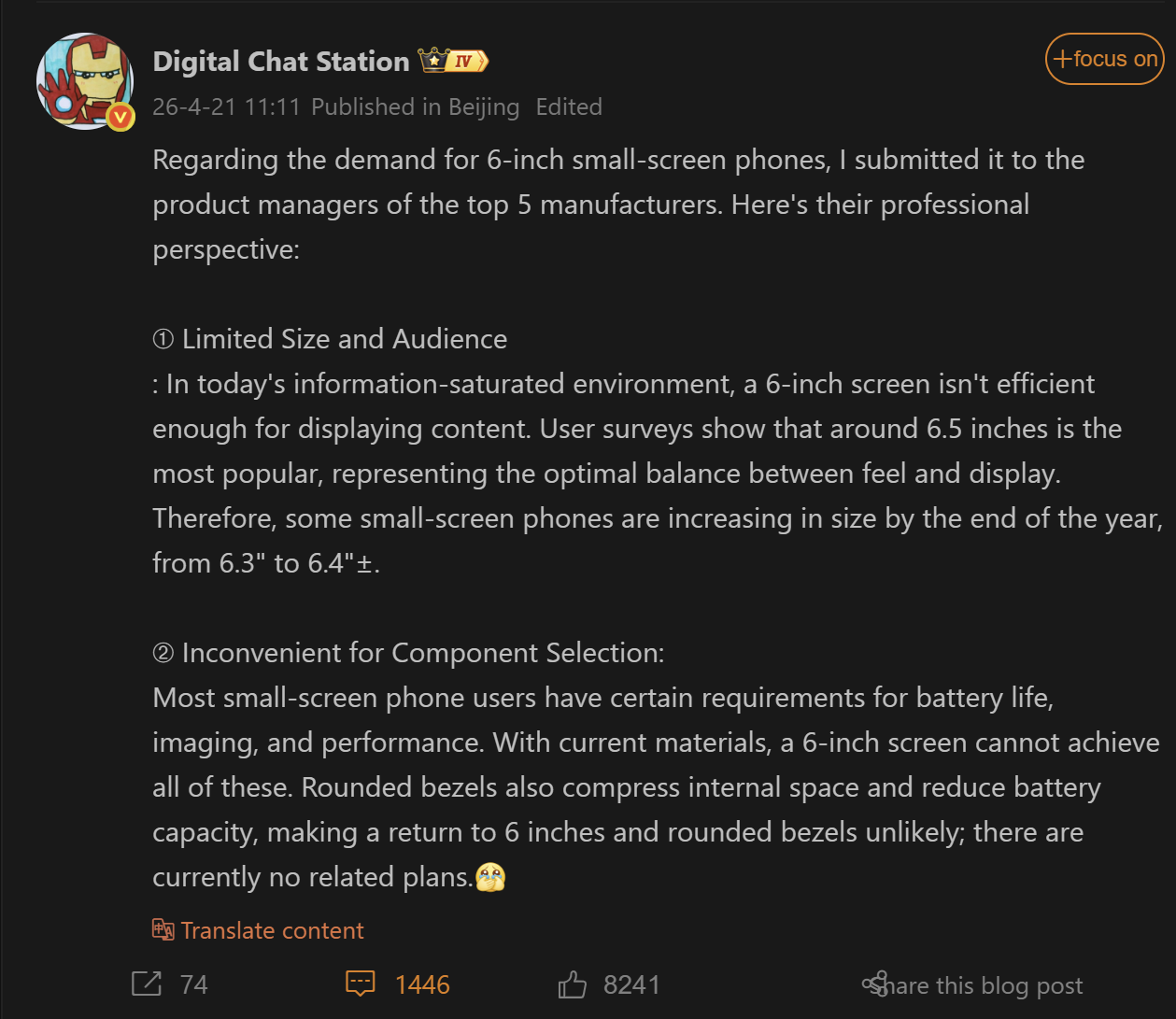
Smartphones have changed significantly in recent years, and the latest leaks suggest we’re approaching another major turning point. Compact phones with a diagonal of around 6 inches—which won fans especially thanks to easy one-handed operation—are gradually disappearing from the scene.
Follow Xiaomi news in our group
According to information from the manufacturer circle, there are practically no plans for their return today; instead, manufacturers are getting ready for even larger devices.
Why compact smartphones are ending
The main reason manufacturers are moving away from smaller devices isn’t just the trend toward bigger displays, but above all technical limitations. A modern user expects high performance, quality cameras, and a large battery. Combining all these requirements in a small body is getting increasingly difficult, and it often means compromises.
At the same time, manufacturers are working on new design elements such as rounded corners and thin bezels, which may look modern, but reduce internal space. This negatively affects battery capacity and cooling—two crucial factors for high-performance devices.
The ideal size is moving up
User surveys show that the ideal screen size today is around 6.5 inches. This diagonal offers a good balance between everyday comfort and enough room to watch content. That’s why models that were once labeled “compact” are gradually getting larger.
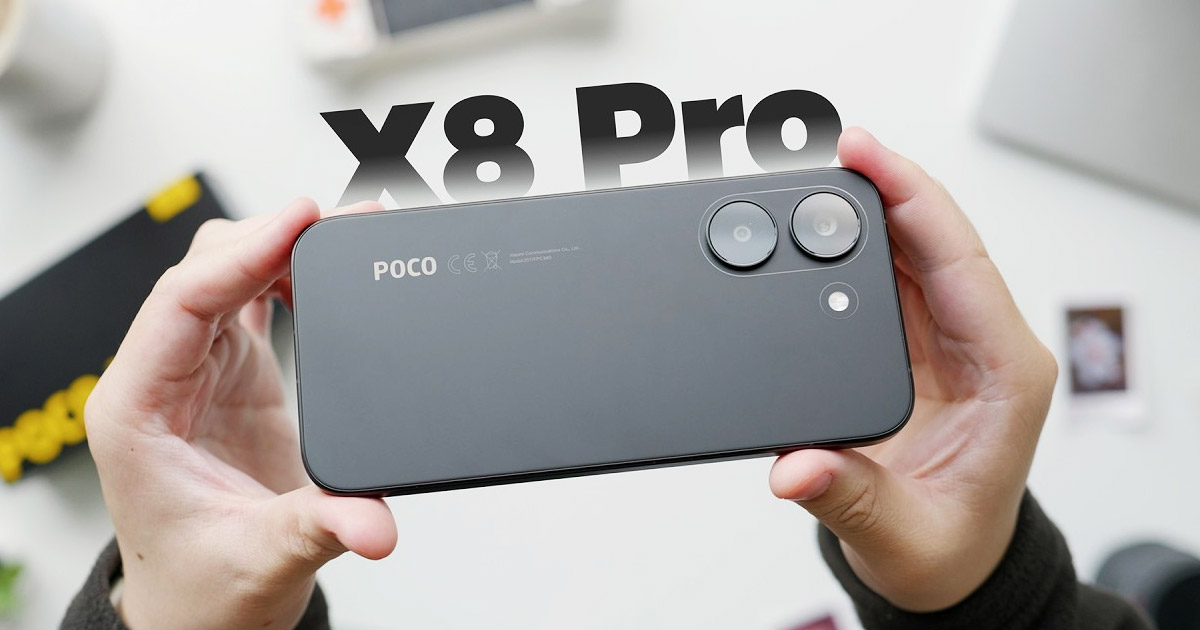
Some brands even increase the size of their smaller models to the level of 6.3 to 6.4 inches. The classic small-smartphone category is therefore gradually fading away, replaced by devices that are still relatively compact, but no longer meet the original definition.
7-inch smartphones are coming
Another interesting trend is the gradual arrival of devices with diagonals approaching 7 inches. These smartphones will sit between classic phones and tablets. Thanks to the larger body, they can offer significantly better cooling, bigger batteries, and—most importantly—space for advanced camera systems.
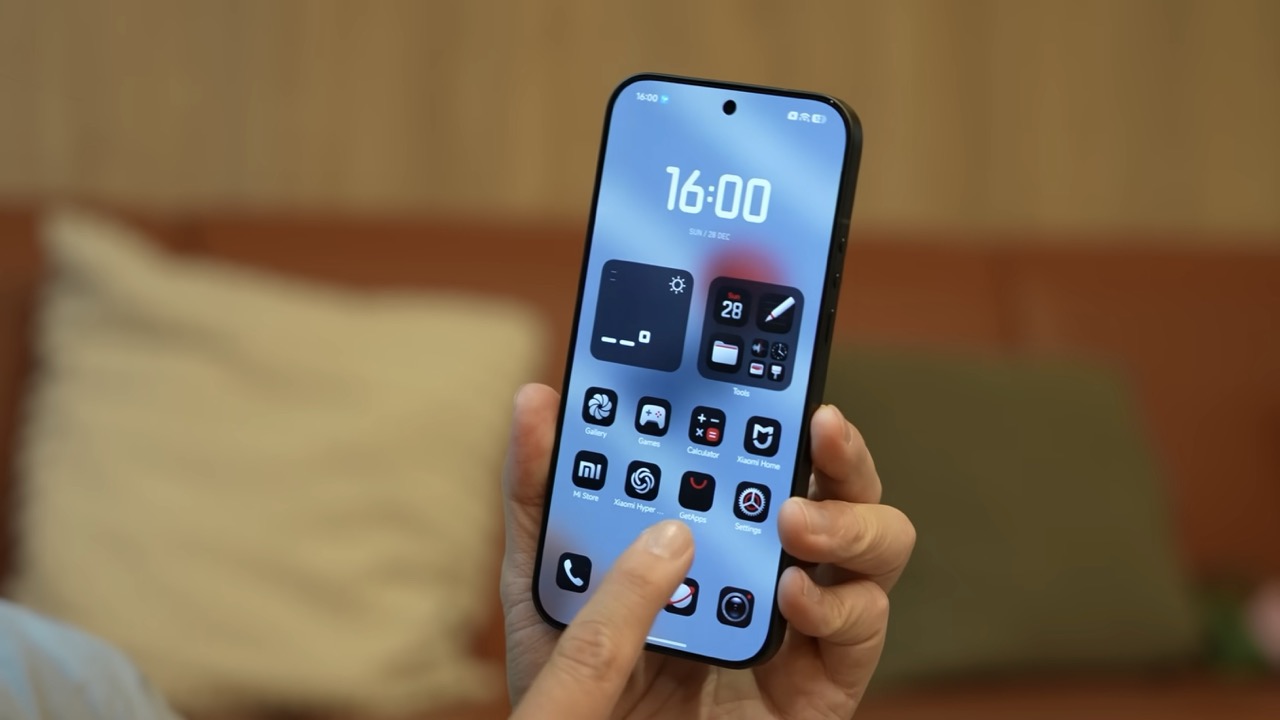
Such devices make sense especially for demanding users who often watch videos, play games, or work on their phone. A larger display significantly improves multitasking and overall user comfort.
Modern chips may be more efficient than ever, but they still generate heat that needs to be dissipated. Larger devices make it possible to implement more advanced cooling systems, meaning more stable performance without overheating. This is especially important for gaming or long periods of heavy use.
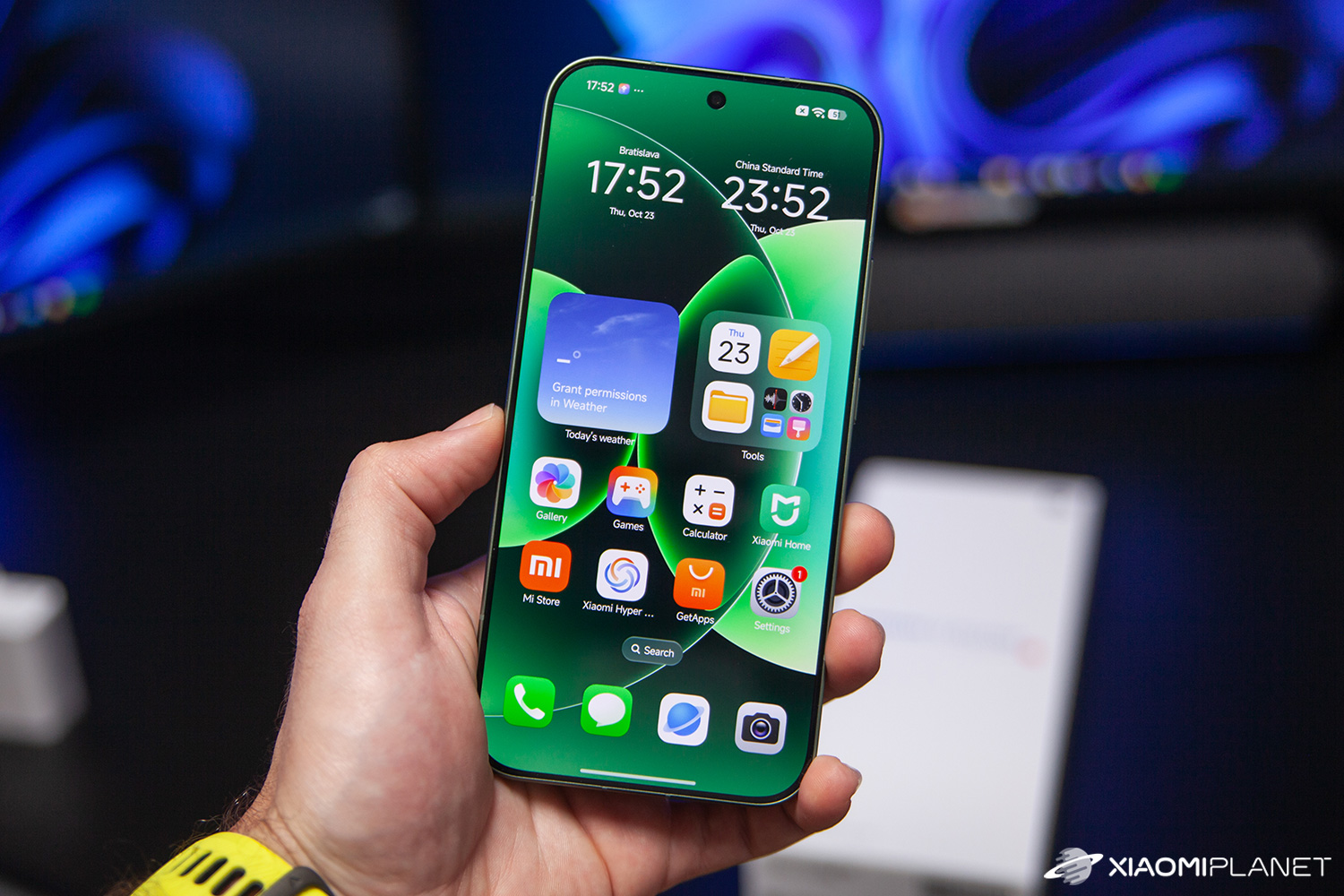
Battery capacity is just as important. With larger smartphones, it’s not a problem to reach over 6000 mAh without significantly increasing the device thickness. Today we’re already seeing batteries with capacities up to 7000 mAh in still relatively compact models (thanks to the rise of Si/C technology).
A change in the user experience
With bigger displays comes a new way of using smartphones. Features like split screen, floating windows, and advanced connections with other devices become more practical. Both Android itself and individual user overlays are optimized for different screen sizes today, allowing for better use of space.

For many users, this means the smartphone is gradually also replacing a tablet (and in some cases even a laptop) for simpler tasks. That’s why manufacturers push for larger dimensions and compact devices are being pushed into the background.
And what’s your take? Are you in favor of bigger smartphones, do you prefer smaller models, or are you more for the development of foldable devices that represent a kind of compromise between these two categories?
To get more updates from the Xiaomi world, keep following our Xiaomi Planet website — join our Facebook group, where we build an active community and help each other out. Also subscribe to our Telegram, where we add the best offers and coupons from China every day.
Don’t miss the best coupons 📩
Subscribe and we’ll email you new coupons before they expire. We only send it once a month — no spam.