

Virtual RAM is a fairly new feature that has already shown up in some powerful smartphones. In the big picture, it will be rolled out alongside the MIUI 13 system, but some Xiaomi smartphones already have it, and in today’s article we’ll break down how this feature works.
Virtual RAM memory
In the past, we could encounter this term not only with affordable devices, but also with truly high-performance ones. The key to this feature is expanding RAM memory via fast internal storage.

Budget smartphones benefit from smoother performance, while more expensive ones then offer more features for multitasking (working with multiple apps at the same time). However, it’s important to mention that these extra gigabytes of memory are not primarily meant to boost performance in mobile games.

From a tech perspective, such a fast storage drive as, for example, UFS 3.0 or UFS 3.1 can add – not replace– physical RAM. In turn, it takes away a certain amount from the storage (for example, if 12 GB of RAM is supplemented with another 3 GB of fast storage – the resulting available RAM is up to 15 GB).
How does it work?
If, after the previous chapter, you can at least imagine what this feature means for you, now we’ll explain how it actually works. In practice, mobile and virtual RAM are similar to a RAM disk or a swap file on disk. Operating systems use this kind of technology too. However, in our mobile phones, as mentioned above, virtual RAM depends on fast storage.
Overall smartphone performance right out of the box is one thing. Its smooth operation during full use and after activating this feature is another. Let’s skip gaming mode and focus on when you could benefit from this feature too.
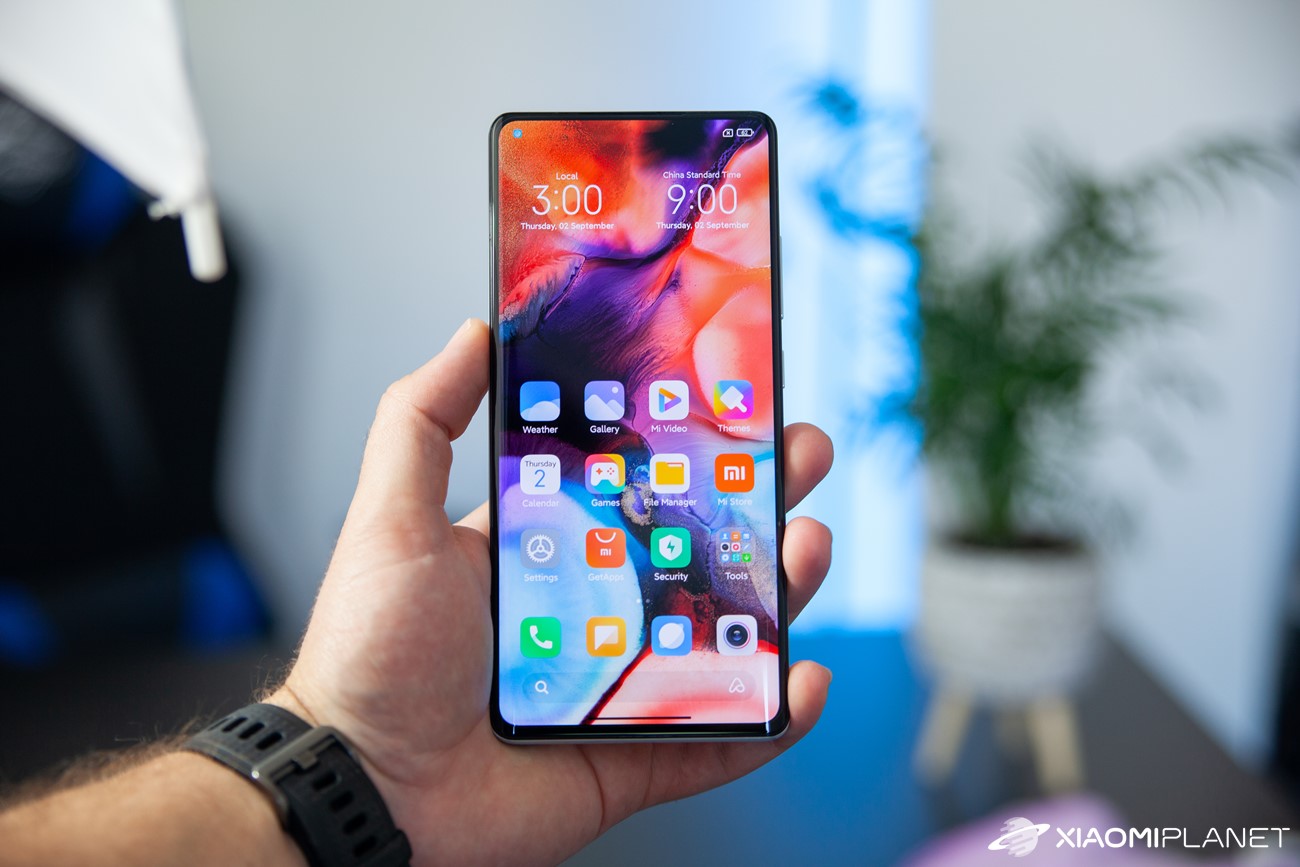
One of the main improvements when using a smartphone is, for example, switching between apps after reopening them. The phone shouldn’t put those apps to sleep too quickly (which would require them to reload), and that way you can continue working faster in the app you’re using. The same situation can happen when browsing websites.
The browser won’t have to load the site again, so you ultimately save data. However, this definitely isn’t a full-fledged replacement for physical RAM, which, understandably, will be – in terms of performance – at a higher level.
Redmi Note 10 Pro 5G and MIX 4: The feature is active
According to the well-known Twitter account with the nickname @kacskrz, Xiaomi is already bringing virtual RAM to Redmi Note 10 Pro 5G (CN version). This very smartphone has already offered its users the option to enable this feature through the settings. In Slovak, you can find it under the name "RAM expansion".

However, the service won’t be available for every smartphone. As the message from gizpie.com says, the manufacturer decided to make the feature available on the 128 / 256 GB Chinese version of Note 10 Pro 5G, with an upgrade of 2,00 GB of RAM via fast UFS storage.
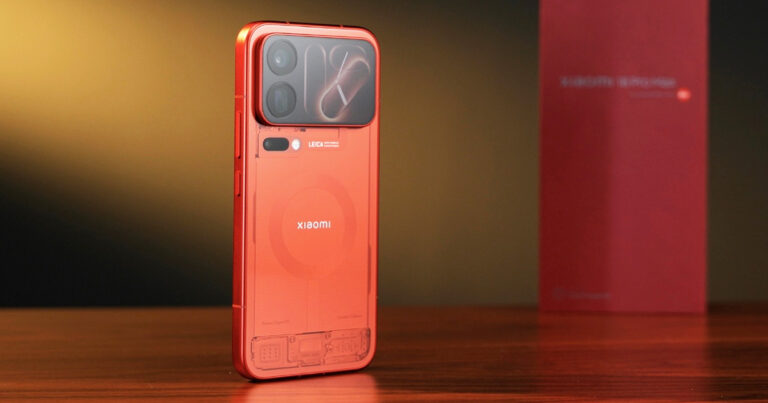
We also noticed the new feature in our newsroom—specifically on the new Xiaomi MIX 4, which we have in the original Chinese version. As you can see in the image above, according to the smartphone’s settings, we can virtually expand RAM by 3.00 GB.
Will virtual RAM be available on your smartphone too?
For other smartphones, the new virtual RAM expansion feature should arrive as part of an MIUI 13 software update. Global versions should also get it, and we already know the list of selected models that the expansion will support. The information was shared by Kacper Skrzypek via the Twitter social network.
Besides the mentioned pair, it should of course have been included in new Xiaomi-branded devices as well. However, during today’s day, the feature also appeared in beta versions of devices with processors Snapdragon 888 / 870 / 865, including Xiaomi Mi 11 / Pro / Ultra, Mi 11i, Mi 10 / Pro / Ultra, as well as POCO F3. In this case, though, we don’t know the exact amount by which you can expand the RAM.
The expansion value, however, varies individually depending on the device; activation in the beta version of Redmi Note 8, for example, offers an expansion of 1.00 GB. Among other models, this feature has also appeared on the available Redmi 9, Redmi Note 9 5G and Redmi Note 9T. We don’t know the expansion size even in this case. Surprisingly, the new feature isn’t supported by Mi MIX Fold either—the flagship phone is currently limited to the MIUI 12 system.
What do you think about the new virtual RAM feature? Will it also be supported by your Xiaomi or Redmi smartphone? If you have any other questions about this new feature, feel free to write them below in the discussion under the article. Follow our new group on Facebook: Xiaomi Planet – A place for true Xiaomi fans and also our Xiaomi Planet portal, where you’ll learn more information.
Don’t miss the best coupons 📩
Subscribe and we’ll email you new coupons before they expire. We only send it once a month — no spam.