
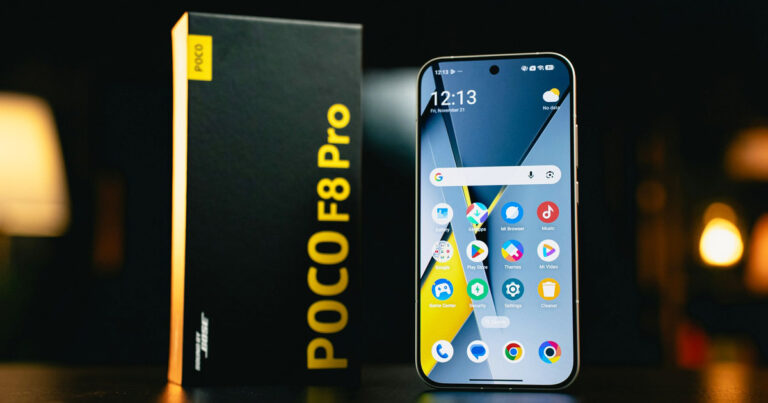

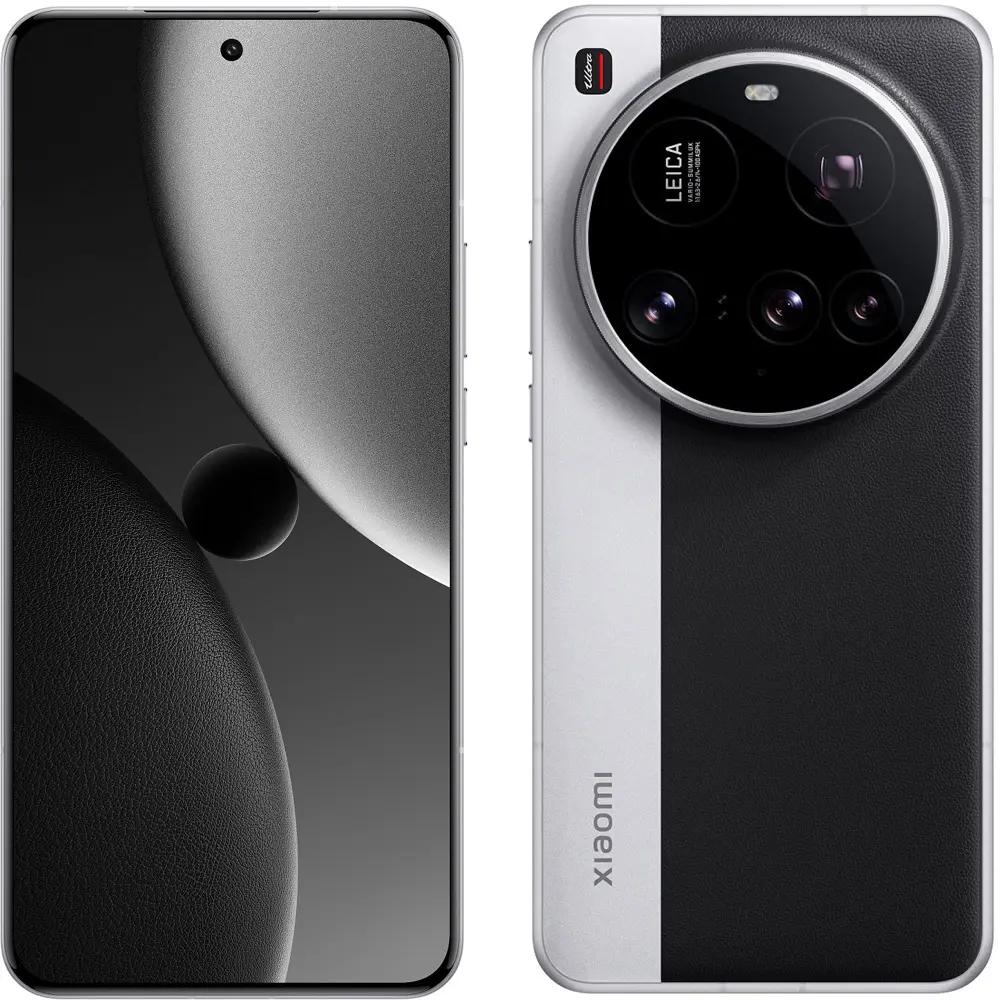
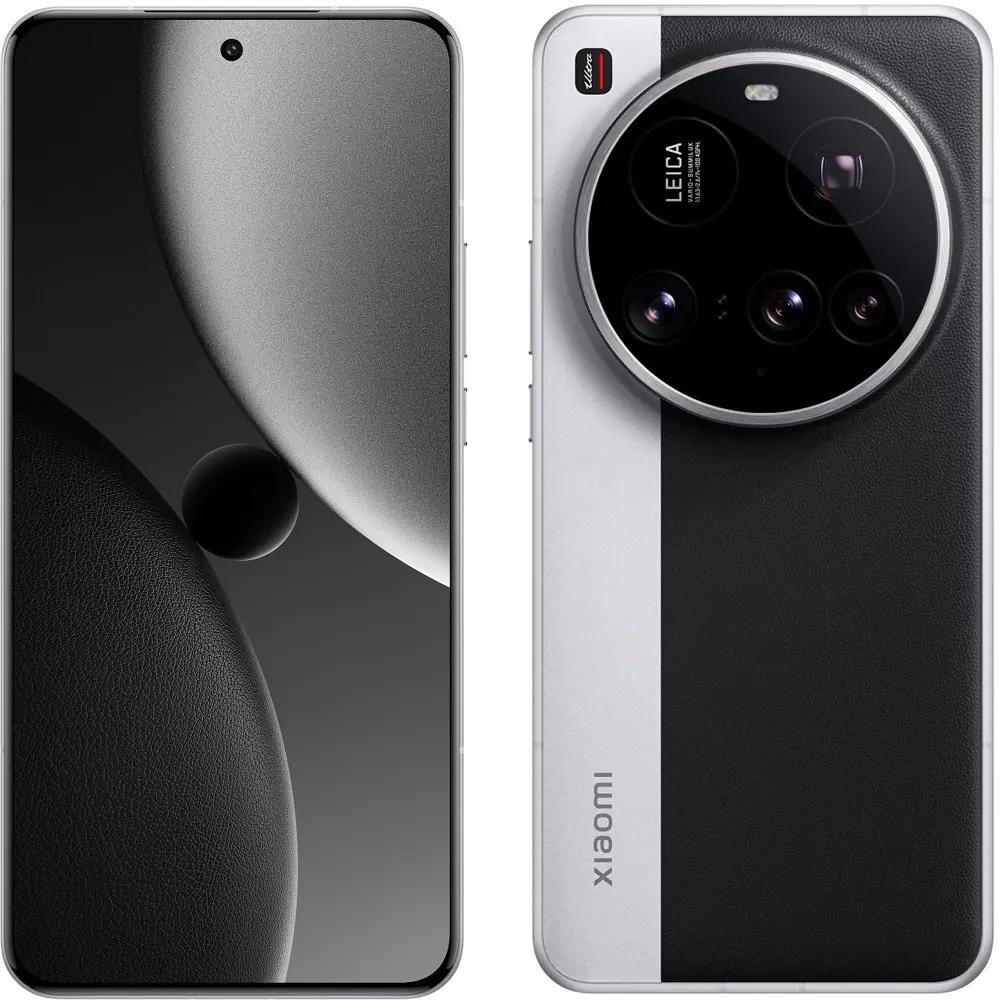
We got our hands on two top-tier photo phones that are also the best smartphones from both brands. Xiaomi 15 Ultra follows its predecessor with an aggressive design focused on the camera hardware, but it also brings several interesting upgrades.
The biggest Xiaomi group on Slovak Facebook
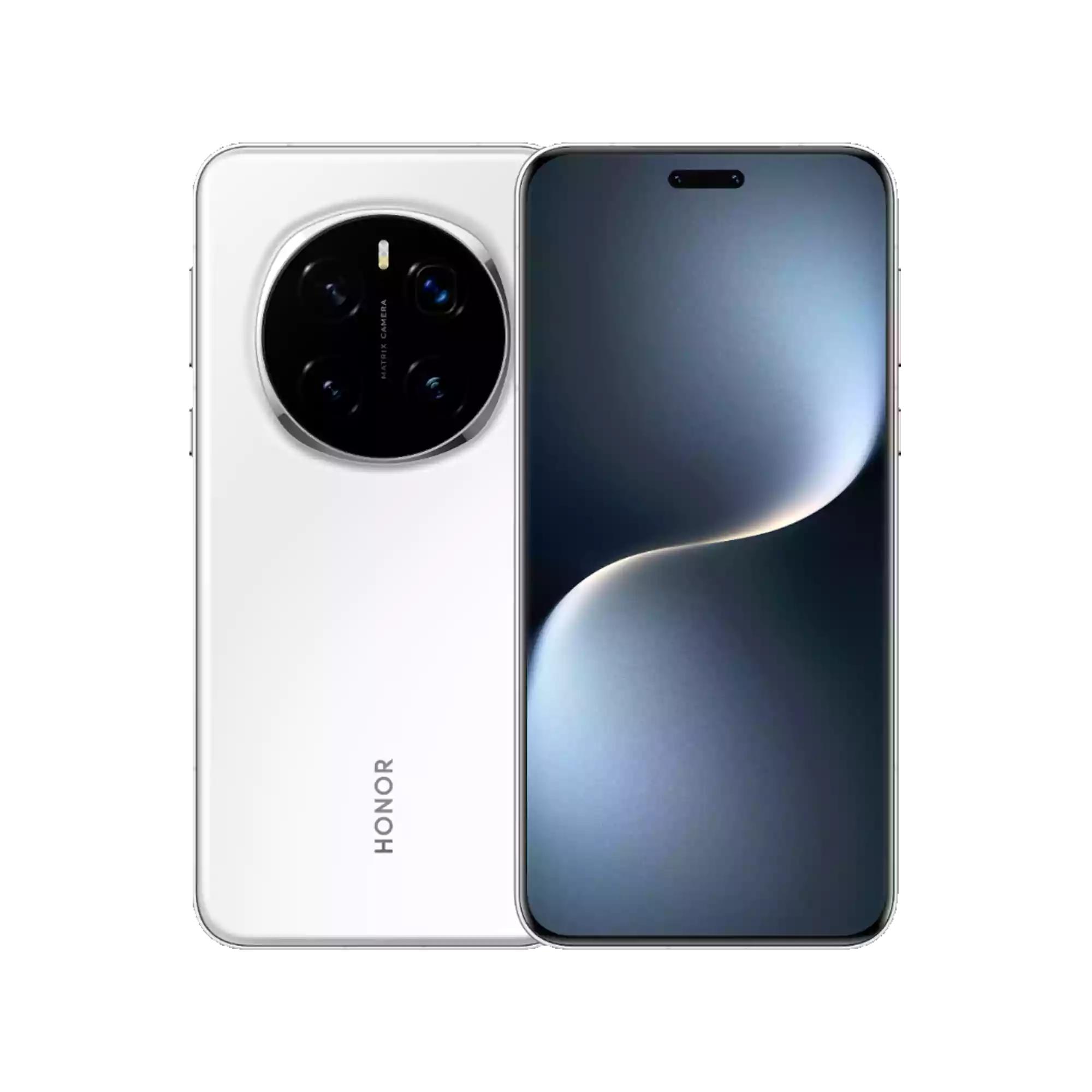
With its flagship model, Honor Magic7 Pro for 2025, Honor continues the tradition of offering not just a high-quality camera phone, but a full-fledged flagship. We had the chance to test both smartphones for a few days—now we’re bringing you a direct comparison of their camera performance.
Xiaomi 15 Ultra vs Honor Magic7 Pro: Main camera
For both models, the photo equipment is at the very highest level. Let’s start neatly from the top: the main camera. In the case of Xiaomi, you get a huge 1" sensor with a 50-megapixel resolution and optical image stabilization. The aperture is at f/1.6, and it’s a shame it’s no longer variable. Compared to the predecessor, it’s a bit of a step back.

Honor doesn’t fall behind much either with its main camera. The resolution is also 50 megapixels, but the sensor itself is slightly smaller (1/1.3"). It also includes optical image stabilization, and this time the variable aperture is back too.
That ranges from f/1.4 (a better aperture value than on Xiaomi) to f/4.0. During shooting, the smartphone handles the aperture setting automatically, but it can also be adjusted by you in Pro mode.

Editor’s note: All comparison shots were cut out (and zoomed in) from the original photos for the article, so the difference in details and dynamic range is easier to see. That’s why they may seem to have lower quality than they actually do.

We start the shots from the main cameras right away with an extremely challenging scene – night – while the building was lit up noticeably deep red. Honor’s post-processing here probably worked at 300 percent, resulting in a photo that lacks dynamics. The dark parts of the frame were trying to be brightened as much as possible, which is especially visible on the floor, where the red color looks unnatural.
The building itself looks great, as do the houses behind it, which aren’t blown out even with the intense light coming from them. Xiaomi tries to edit photos less, resulting in a more dynamic and more believable shot—but the dark areas are more blurred, and the strong backlight wasn’t handled without some minor highlights blowing out. The subject in the center is sharper and more detailed with Honor, but here too it’s clear that a large part of that comes from software processing.

The second challenging night scene shows a housing estate in Bratislava. Here we need to say objectively that the Xiaomi shot came out better. Honor tries to deliver a better dynamic range, and it does manage that to some extent, while Xiaomi lets the bright areas blow out slightly, which adds to the dynamic look. At the same time, it doesn’t feel too distracting. In this case, the Xiaomi photo is also sharper.

The photo was taken on a beautiful sunny day, but slightly against the sun. In the end, it’s quite a demanding shot, and both models handled it very well. Above you can see a heavily cropped final frame—the Xiaomi version offers more detail and a more saturated image that looks a bit more lively. But both shots are exceptionally high quality.
Xiaomi 15 Ultra vs Honor Magic7 Pro: Telephoto
When it comes to getting closer, this is the category where flagship devices have been competing—at least in recent years—probably the hardest. Every manufacturer tries not only to deliver as much zoom as possible, but we often also see larger and higher-quality high-resolution sensors, as well as periscope lenses with proper optical zoom.
V rámci približovania si jeden druhému nič nedarujú. Začneme tým jednoduchším – Honorom, pretože ten má „len“ jeden približovací objektív. Ale nie len tak hocijaký. V porovnaní s tým hlavným je samotný snímač len o niečo menší (1/1.3“), no ponúka rozlíšenie až 200 megapixelov. Optické priblíženie je trojnásobné, digitálne až 100-násobné. Fotoaparátu samozrejme nechýba optická stabilizácia obrazu.

If you’re zooming more than 50x, within the camera app you can enable an AI mode that can enhance photos taken with such extreme zoom. It adds sharpness and tries to reconstruct pixels wherever it thinks it’s appropriate. It works great when photographing objects with more regular shapes.
Xiaomi offers two zoom camera sensors at once. The first one is a 50-megapixel sensor with an interesting f/1.8 aperture, which promises decent shots even in worse lighting conditions. The camera includes optical image stabilization and three-times optical zoom.
The main star here, however, is a 200-megapixel periscope camera with 4,3x optical zoom and the same sensor size as the Honor competitor. Its brightness is also the same—f/2.6—and it, too, has optical image stabilization. Digital zoom can be up to 120-x.

This photo was taken at night using telephoto lenses (in Xiaomi’s case with 200 MPx resolution). You can see that Honor has a sharper text, but in this case it’s more about post-processing, which helps quite noticeably.
Xiaomi keeps a sort of more original look, but the text isn’t nearly as good. In the background, you can also see with Honor that post-processing was probably done more than necessary. Xiaomi’s version may be a bit more blurred, but it looks more believable.

Whether it’s a better solution to go with more aggressive edits to the shot after taking it, we’ll of course leave up to you. In this case, though, the Honor shot looks much better and sharper. But we’re comparing it to a telephoto lens with three-times optical zoom; the 200 MPx sensor in the Xiaomi, we left it as-is this time.
In any case, again, it shows the exact same thing as with the first photo. Xiaomi leaves it with a sort of authenticity. In the comparison of the zoom lenses, this is the only shot in which we tested the Xiaomi camera with three-times zoom.

This photo was taken in good lighting conditions, but the church in it is quite dark. Here we looked at how the devices handle dynamic range. Honor has it more aggressively in this case, but it’s still within normal limits; we wouldn’t call it excessive.
The hours on Honor look a bit sharper and more vivid, which is again the result of more aggressive post-processing. Some people may like it this way, others may not. Both of the compared shots are very good given the conditions.

This shot shows 50x digital zoom on both smartphones. Xiaomi on the left offers completely different color rendering than Honor—actually, more faithful colors. However, the truth is that it was somewhere in the middle, but still leaning more toward Xiaomi. The image contains three photos, with only the left one belonging to Xiaomi.
The one all the way on the right was created by Honor using a special AI mode that tries to reconstruct missing pixels and generally enhance the zoomed shots. With simple shapes, it does pretty well—practically shown in this example too. Compared to Honor’s original photo, the shot is much sharper, but it lacks fidelity again.

We’ll end with a pretty demanding night scene. With Honor, you can clearly see the software trying to enhance the photo as much as possible, but it slightly overdoes it. The image is brighter and looks more interesting at first glance, yet the dynamic range is extremely high and feels unnatural.
Xiaomi focused more on more faithful colors and wasn’t afraid to keep dark areas truly dark. You can also see spots on the shot that are bordering on overexposure, but the software still managed to keep things relatively decent.
Xiaomi 15 Ultra vs Honor Magic 7 Pro: Ultra-wide-angle camera
In this category too, both compared smartphones give each other nothing for free. Xiaomi 15 Ultra has a 50-megapixel ultra-wide camera with an f/2.2 aperture and a 115 degree field of view. Honor Magic7 Pro boasts the same resolution, but an even wider field of view – 122 degrees. Its aperture is f/2.0. Both cameras can also focus.

In both cases, you’re getting a very good shot, with only minimal differences. You’ll notice an excellent, natural dynamic range and faithful color reproduction. With proper zoom-in, you can see that the Xiaomi photo is a bit more detailed.
Who’s the king of photography?
It’s not really possible to determine which of these two takes better photos. Each user simply prefers something different. In short, we can say that you won’t make a mistake no matter which one you choose. You’ll get not only great specs and maximum performance, but also an excellent — truly great — camera.

In general, we could say that Xiaomi relies more on the hardware itself, while Honor’s post-processing is working at full speed. The smartphone significantly adjusts and improves the dynamic range of the resulting shots.
Which one, in your opinion, takes better photos?
On the one hand, it looks great at first glance and it’s good for taking photos for something like Instagram. However, the shots are less realistic and look more artificial. But keep in mind we’re talking about extremely challenging conditions — especially at night, where smartphone sensors simply need some “help.”
Xiaomi 15 Ultra Global Version

TIPFast delivery from the Spanish warehouse with no customs duty and VAT.
This product will be delivered to you quickly from a local Spanish warehouse. Shipping from Spain usually takes 7-10 days and is handled by a courier. When it arrives, you don’t pay any extra fees—no customs duty, no VAT.

TIPExpress delivery from a Polish warehouse without customs duty and VAT.
This product will be delivered to you express from a local Polish warehouse. Shipping from Poland usually takes 7-10 days and is handled by a courier. On delivery, you won’t pay any extra fees—no customs duty and no VAT.

TIPExpress delivery from a Slovak warehouse within 1 to 3 business days.
This product will be delivered to you express from a local Slovak warehouse. Delivery usually takes 1-3 business days and is handled by a courier. The price is final.
TIPExpress delivery from a Slovak warehouse within 1 to 3 business days.
This product will be delivered to you express from a local Slovak warehouse. Delivery usually takes 1-3 business days and is handled by a courier. The price is final.
Honor Magic7 Pro 5G, global version
TIPFast delivery from the Spanish warehouse with no customs duty and VAT.
This product will be delivered to you quickly from a local Spanish warehouse. Shipping from Spain usually takes 7-10 days and is handled by a courier. When it arrives, you don’t pay any extra fees—no customs duty, no VAT.
TIPExpress delivery from the German warehouse with no customs duty and no VAT.
This product will be delivered to you express from a local German warehouse. Delivery from Germany usually takes 7-10 days, and it’s brought by courier. When it arrives, you don’t pay any extra fees—no customs duty or VAT.
Under good conditions, both models deliver very balanced and true results. Xiaomi tries to preserve a certain kind of authenticity, even if it means more blur at night. It’s up to you which solution you like more.
To get more updates from the Xiaomi world, keep following our Xiaomi Planet website — join our Facebook group, where we build an active community and help each other out. Also subscribe to our Telegram, where we add the best offers and coupons from China every day.
Don’t miss the best coupons 📩
Subscribe and we’ll email you new coupons before they expire. We only send it once a month — no spam.