

For the official launch of the new flagship slayer, the Redmi K30 Pro, many excited fans were waiting. We’ve written a lot about it before, and for some time we’re definitely going to continue. Now we’ve focused on the many people’s most asked question: why does our new favorite only have a 60 Hz display?
So how is it?
The Redmi K30 Pro is a great machine in more ways than one. However, since it’s a flagship from Xiaomi’s parent company, many of us were bothered by the low display refresh rate of the classic 60 Hz. At a time when even cheaper smartphones are coming with high refresh rates, this is very surprising for a flagship.

Let’s start at the beginning. It’s December 2019, and the world has been teased with the arrival of the Redmi K30 model. This model is the base version and comes with a 120 Hz display. The Redmi K30 Pro is part of the flagship lineup, which logically upset a lot of fans. And of course, they didn’t wait long and pointed this out.
🔥 Want tips and tricks for Xiaomi smartphones? Join us in our FB group.
Redmi CEO Lu Weibing finally weighed in on the topic and explains the lower refresh rate for the Redmi K30 Pro. According to him, the specifications for the Redmi K30 and K30 Pro models were set about 10 months in advance.
So it’s unlikely that this change would have come at the last minute. It’s a well-thought-out decision made deliberately. It’s believed that this move was done for battery life and to deliver the true full-screen experience.
Xiaomi’s parent company with Mi 10 had to choose: better battery life or a higher display refresh rate? The result, of course, is something everyone already knows. According to Redmi, a display with a refresh rate of 90 Hz would have sharply reduced battery life.
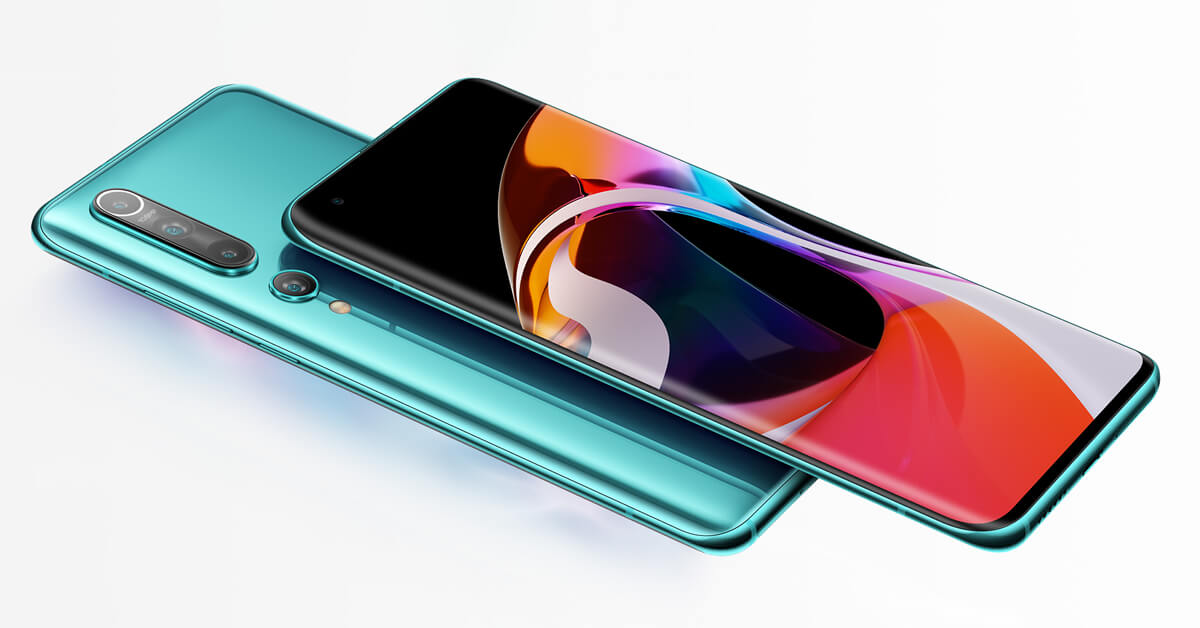
It also ties in with the fact that, with Mi 10, the display is more demanding to produce and they don’t have enough 90 Hz displays for this smartphone. That means production is slower and they can’t keep up with market demand. There’s also, of course, the question of price: 90 Hz is much more expensive and would increase the total cost of the smartphone, bringing it close to the level of Mi 10.
Still a favorite
Regardless of the lower display refresh rate, Redmi insists that the Redmi K30 Pro is a proper flagship for the company—display included.
The display features of the K30 Pro model—such as support for HDR 10+, excellent brightness from great 1200 nits, certification of TÜV Rheinland Global Eye Care, and the Samsung E3 AMOLED panel, along with a 180 Hz touch sampling rate—make it more than a worthy rival to other brands.
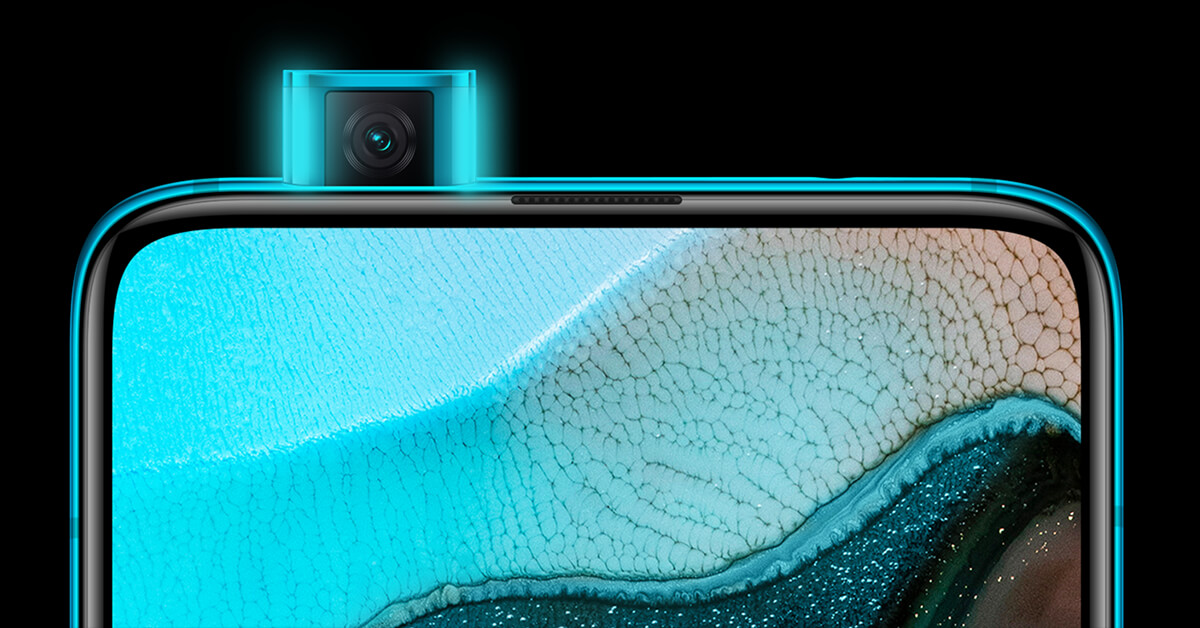
In the end, despite the 30 Hz display, the Redmi K60 Pro still lands at the top—and we’re incredibly excited about this model. For the price-to-performance ratio, we approve of this logical step from Redmi. Let us know what you think, and if we have more information, we’ll update you as soon as possible.
Interesting things from the world of Xiaomi are also sent by email. Subscribe now. 👇
Don’t miss the best coupons 📩
Subscribe and we’ll email you new coupons before they expire. We only send it once a month — no spam.