

- MiMo-V2.6-Pro tops the ranking of open AI models
- 46 points in the Artificial Analysis index, same as Grok 4.7
- 1.02 trillion parameters, 1 million token context
- Anyone can download the model for free, including for commercial use
Xiaomi hasn’t just been selling phones and vacuum cleaners for a long time—and you can increasingly see that in artificial intelligence too. Its language model Xiaomi MiMo-V2.6-Pro, released by the company on September 22, landed in independent evaluation Artificial Analysis in first place among all open models.
Its score is the same as the closed Grok 4.7 by Elon Musk. The Spanish site MundoXiaomi sees it this way: Xiaomi has overtaken Apple, which doesn’t yet have its own model at a comparable level.
Xiaomi MiMo-V2.6-Pro in the Artificial Analysis ranking
Artificial Analysis compares AI models in a composite index that brings together results from multiple demanding tests in programming, logic, and tool use.
MiMo-V2.6-Pro scored 46 points there and, in the open models category, is currently leading—just ahead of GLM-5.3 from Z.ai with 45 points and Kimi K3 from Moonshot AI with 44 points. The best model from DeepSeek, which early this year 2025 scared U.S. tech companies, has 39 points in the same ranking.
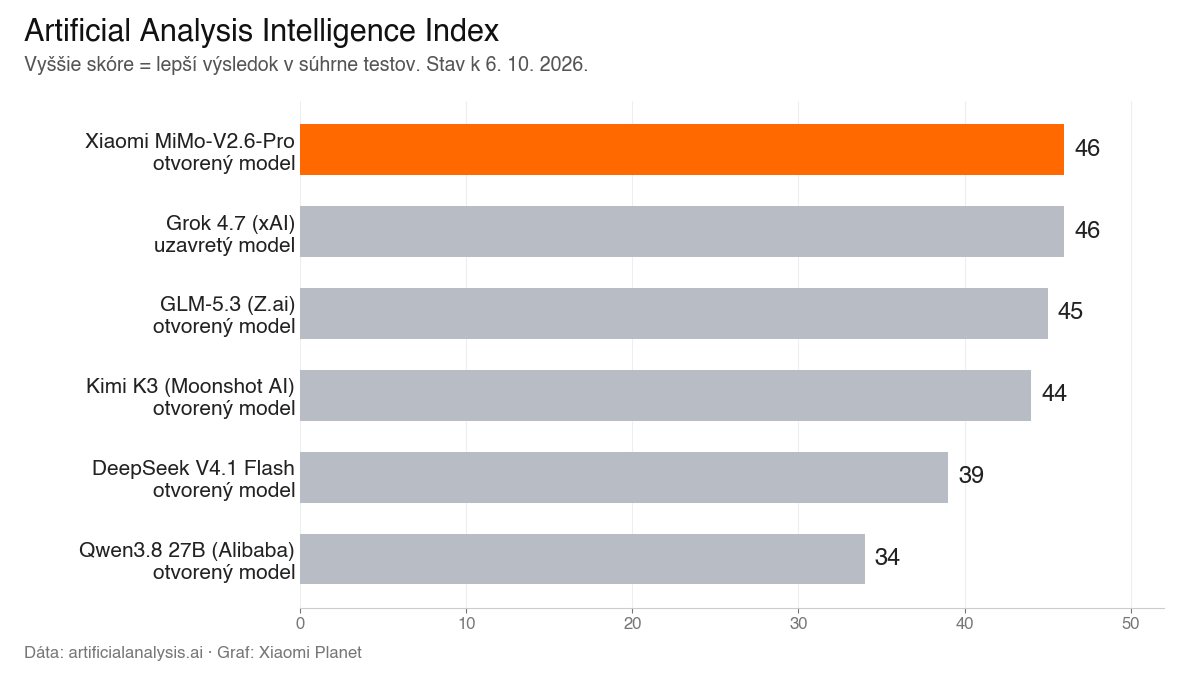
Grok 46.4 from xAI also achieved the same 7 points, but it remains closed and available only through its author’s services. Perfect MiMo isn’t, because according to Artificial Analysis it generates text at about 46,6 tokens per second, while the median of comparable models is 74,9.
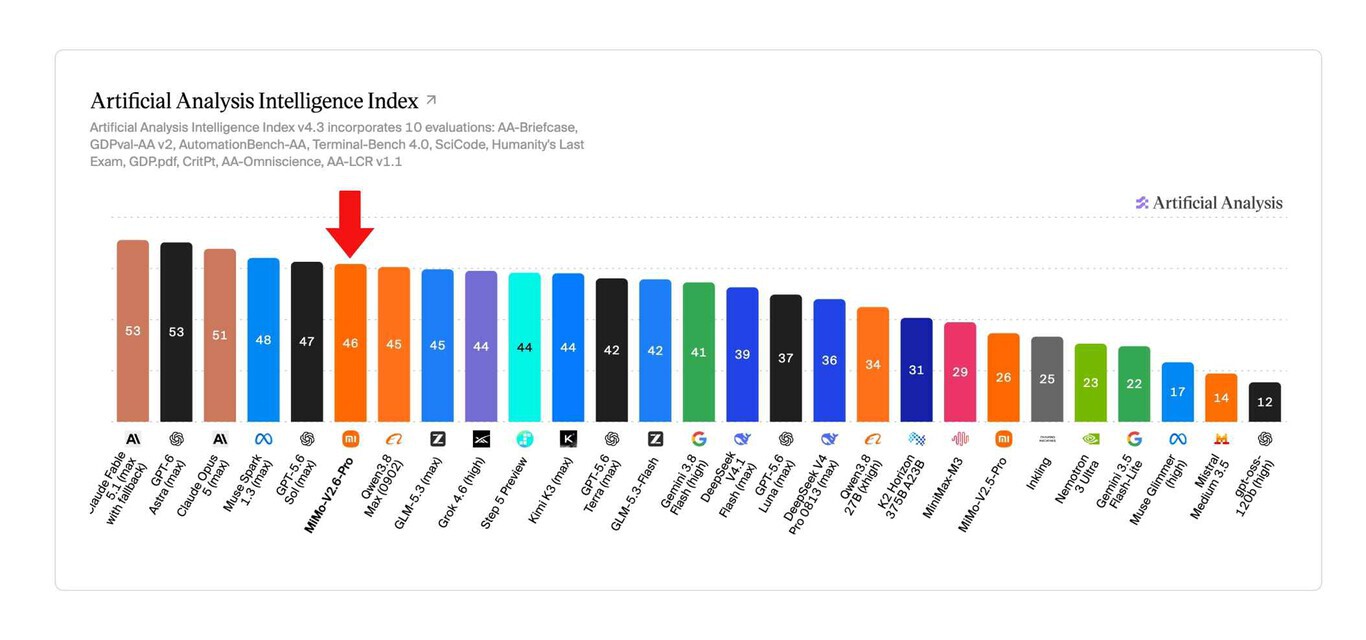
Even according to Xiaomi’s own tables, it falls behind the Claude Opus 5 model in some tasks—for example, Terminal Bench 4.0 scored 34,9 points versus 49, but in the AutomationBench test it, in turn, narrowly beats it.
A trillion parameters, but it uses only a fraction of them
The model is built on a Mixture of Experts architecture and has 1.02 trillion parameters overall, but for each response it activates only about 42 billion of them. That’s why running it is cheaper than you’d expect for a model of this size—and through the API, Artificial Analysis estimates it at roughly $0.43 per million input tokens and $0.87 per million output tokens. The context window is 1 million tokens, so it can process large codebases or long documents at once, and at the input it can handle not only text, but also images, video, and audio.
Alongside the Pro version, Xiaomi also released a smaller MiMo-V2.6-Flash with 309 billion parameters, of which it uses 15 billion, and via the API it costs about one-third of the Pro version’s price. According to The Next Web and AI Weekly, the Pro version’s final training with reinforcement learning took less than six days and cost roughly $2.62 million — unusually little for a model of this class.
Anyone can download the model, including companies
Big electronics manufacturers usually don’t share their model details, but Xiaomi provided the model weights on Hugging Face under the MIT license. The weights are trained parameters that make up the model itself. That’s why anyone can download the model, customize it, and use it commercially as well. Xiaomi also bundled a technical report, tools for further training, and four sets of training environments with roughly 7,000 tasks in programming, cybersecurity, office work, and web development. However, open weights don’t yet mean we know all the data the model was trained on.
Around the training data, an unpleasant message surfaced before the release. In its regular AI abuse report, Anthropic said on 10. September that Xiaomi was among the companies that, according to them, were sending requests to Claude in bulk so they could use its responses to train their own models.
Where Xiaomi wants to take MiMo
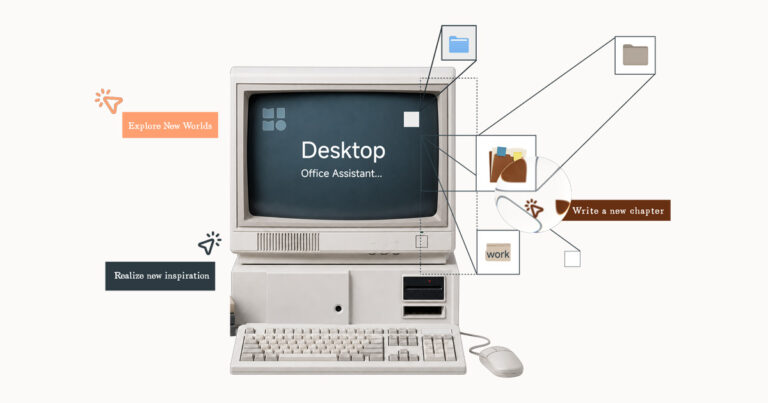
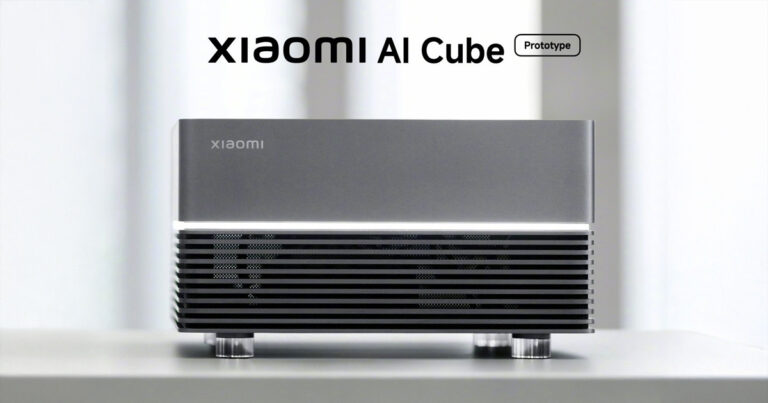
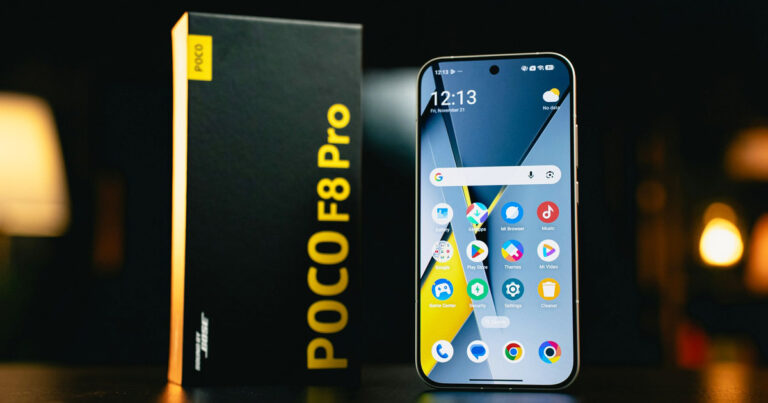
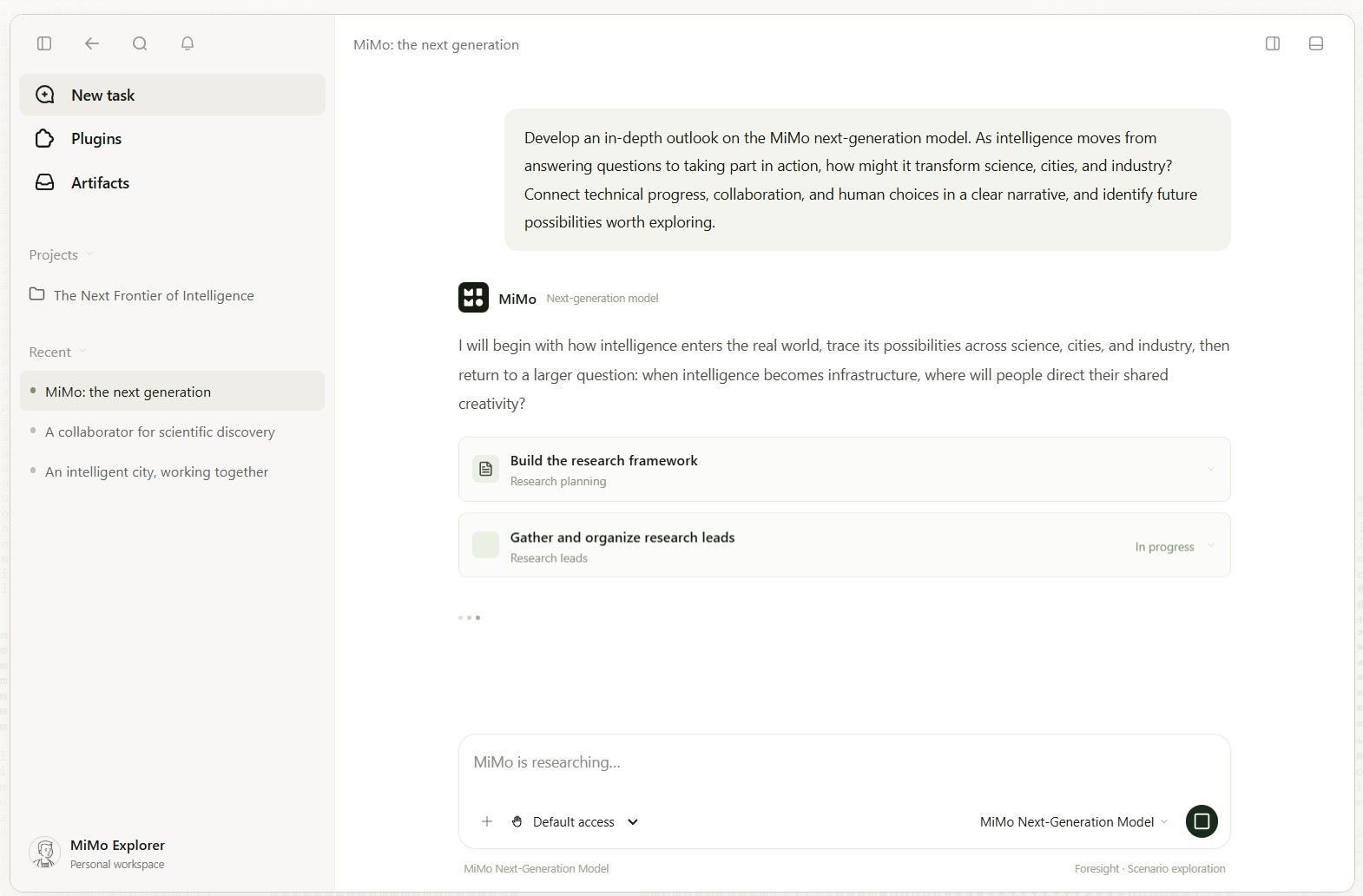
Xiaomi wants MiMo to not only answer questions, but to work as an agent that breaks the task into steps, reaches for tools, checks the results, and—if needed—changes the approach. In September, this was also shown by the MiMo Desktop app for computers. Xiaomi’s biggest advantage is that the same model can be deployed across phones, smart homes, electric vehicles, and even robots—while companies that only do software don’t have that kind of hardware ecosystem.
Apple is different, though—according to web reports, for the new Siri, The Decoder says it relies on a modified Gemini model from Google, and Apple’s own large model is still in development. Whether Xiaomi has truly beaten Apple is a matter of definition—but in open models, today it has a lead that no one would have expected from a phone manufacturer just two years ago.
A developer or a company from Slovakia can download and deploy MiMo just like anyone else, but the Pro version with a trillion parameters needs server-grade hardware that doesn’t fit in a typical PC. So the average user would feel it only once it reaches Xiaomi phones and apps sold here as well.
To get more updates from the world of Xiaomi, keep following our Xiaomi Planet website. Join our Facebook group, where we build an active community and help each other out. Subscribe to our Telegram as well, where we add the best deals and coupons from China every day.
Don’t miss the best coupons 📩
Subscribe and we’ll email you new coupons before they expire. We only send it once a month — no spam.