
REVIEW: POCO F9 Ultra
Our editorial rating based on product testing.
- 6.9-inch AMOLED with brutal brightness and 185 Hz
- 2.1 sound from BOSE with a subwoofer and LED ring
- Massive 8050 mAh battery
- Fast 100 W wired charging
- Quality build reminiscent of metal
- Very high weight (235 g)
- Noticeable price increase
- Inconsistent camera results
- HyperOS bugs with benchmark apps
- We couldn’t detect 185 Hz
The POCO brand has carved its name into the world of mobile tech with golden letters thanks to the legendary Pocophone F1. Back then, it caused a total frenzy. The model offered uncompromising flagship performance for a fraction of the price that the then-premium competitors were asking. Since then, though, the smartphone market has changed dramatically, and comparing it to today is simply not possible.
Component prices skyrocketed and inflation took its toll. Today, in front of us, stands the brand’s newest creation from the “premium” category, POCO F9 Ultra. With a price tag that in the highest configuration on our market easily goes beyond the magical one-thousand-euro threshold, you definitely can’t call it a cheap “budget” phone.
The largest Xiaomi community in Slovakia
However, when you look at its brutal hardware setup, insanely massive battery, and distinct multimedia features, the market is still trying to justify the title of a killer of the most expensive flagships on the market. But can brute force justify the rising price—and is this phone truly without compromises?
To provide an objective perspective, we weren’t swayed just by the impressive numbers on paper. Our review of POCO F9 Ultra shows you all its strengths, but also the dark corners of this smartphone.
Where did we buy our POCO F9 Ultra?
For our review, we ordered the POCO F9 Ultra from a trusted seller, Gshopper, with whom we’ve been working for years. It’s a global version with European packaging that ships via their fine-tuned duty-free shipping — customs duty (clo) and VAT are handled on the seller’s side, so when you pick it up, you won’t be charged any extra. Don’t forget to use the coupon from the price box below, too.
Benefits of buying products from China via Xiaomi PlanetShow
For the same configuration 12 + 256 GB that we ordered, Slovak stores are asking €899 and during the ongoing promotion €799. The stronger version 16 + 512 GB is €999, on sale for 899 €. On Gshopper, with our coupon, that one comes out to 663 € if you pay via bank transfer—Gshopper deducts an additional 4.5% for that.
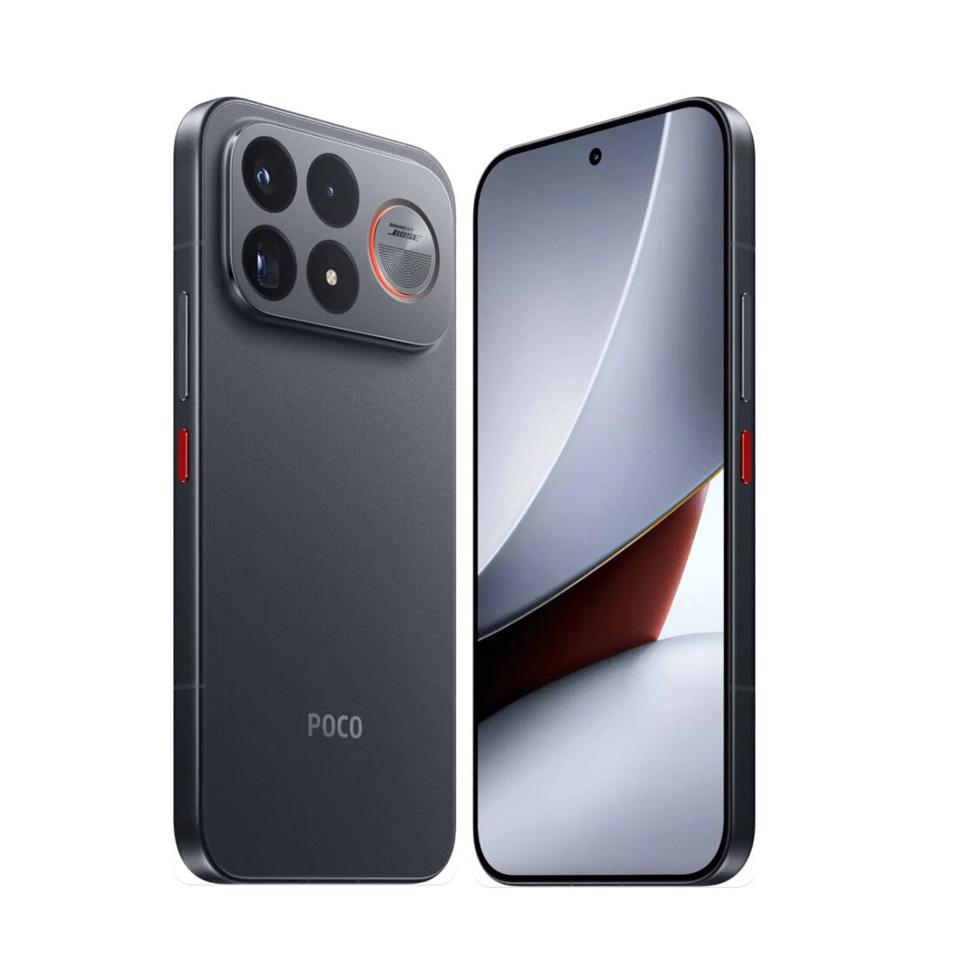
POCO F9 Ultra Global Version

TIPWith Standard Shipping via GShopper, you pay no extra fees—everything is already included!
With the GShopper seller, we recommend choosing Standard Shipping, where you won’t pay anything extra. Customs fees and any VAT are handled by the seller. You can select the shipping method in the cart only, after entering your delivery address. Delivery with this option usually takes about 15 business days from dispatch from the warehouse, but it may take longer.
TIPWith Standard Shipping via GShopper, you pay no extra fees—everything is already included!
With the GShopper seller, we recommend choosing Standard Shipping, where you won’t pay anything extra. Customs fees and any VAT are handled by the seller. You can select the shipping method in the cart only, after entering your delivery address. Delivery with this option usually takes about 15 business days from dispatch from the warehouse, but it may take longer.
TIPWith Standard Shipping via GShopper, you pay no extra fees—everything is already included!
With the GShopper seller, we recommend choosing Standard Shipping, where you won’t pay anything extra. Customs fees and any VAT are handled by the seller. You can select the shipping method in the cart only, after entering your delivery address. Delivery with this option usually takes about 15 business days from dispatch from the warehouse, but it may take longer.

TIPFast delivery from the Spanish warehouse with no customs duty and VAT.
This product will be delivered to you quickly from a local Spanish warehouse. Shipping from Spain usually takes 7-10 days and is handled by a courier. When it arrives, you don’t pay any extra fees—no customs duty, no VAT.
TIPFast delivery from the Spanish warehouse with no customs duty and VAT.
This product will be delivered to you quickly from a local Spanish warehouse. Shipping from Spain usually takes 7-10 days and is handled by a courier. When it arrives, you don’t pay any extra fees—no customs duty, no VAT.
Our extra service with VIP support — we’ll handle the order on Gshopper for you and ship it straight to your address.
If you don’t have experience buying on Gshopper, payments don’t go through, or coupon use doesn’t work for you, we offer an order handling service directly to your address for our readers and customers. You transfer the money to our account and we place the order directly to your address. This way, you won’t have to worry about a failed payment or applying the coupon, and you can be sure the entire order will go through correctly 100 %. In addition, you automatically get our VIP support — if any issues arise with the shipment, we handle them for you and assist with filing a claim. The fee for this service is €15 extra of the product price. You can contact us by email at info(@)xiaomiplanet.sk or on Messenger, where we’re constantly active.
Our extra service with VIP support — we’ll handle the order on DHgate for you and ship it straight to your address.
If you don’t have experience buying on DHgate, your payment won’t go through, or the coupon doesn’t work, we offer our readers and customers an order-handling service delivered directly to your address. You send us the money by bank transfer and we order the product straight to you. That way, you don’t have to worry about a failed payment or applying the coupon, and you can be sure the whole order goes through 100 % correctly. On top of that, you automatically get our VIP support — we handle any shipping issues for you and assist with warranty claims. The fee for this service is 15 € for the product price. You can contact us by email at info(@)xiaomiplanet.sk or on Messenger, where we’re active all the time.
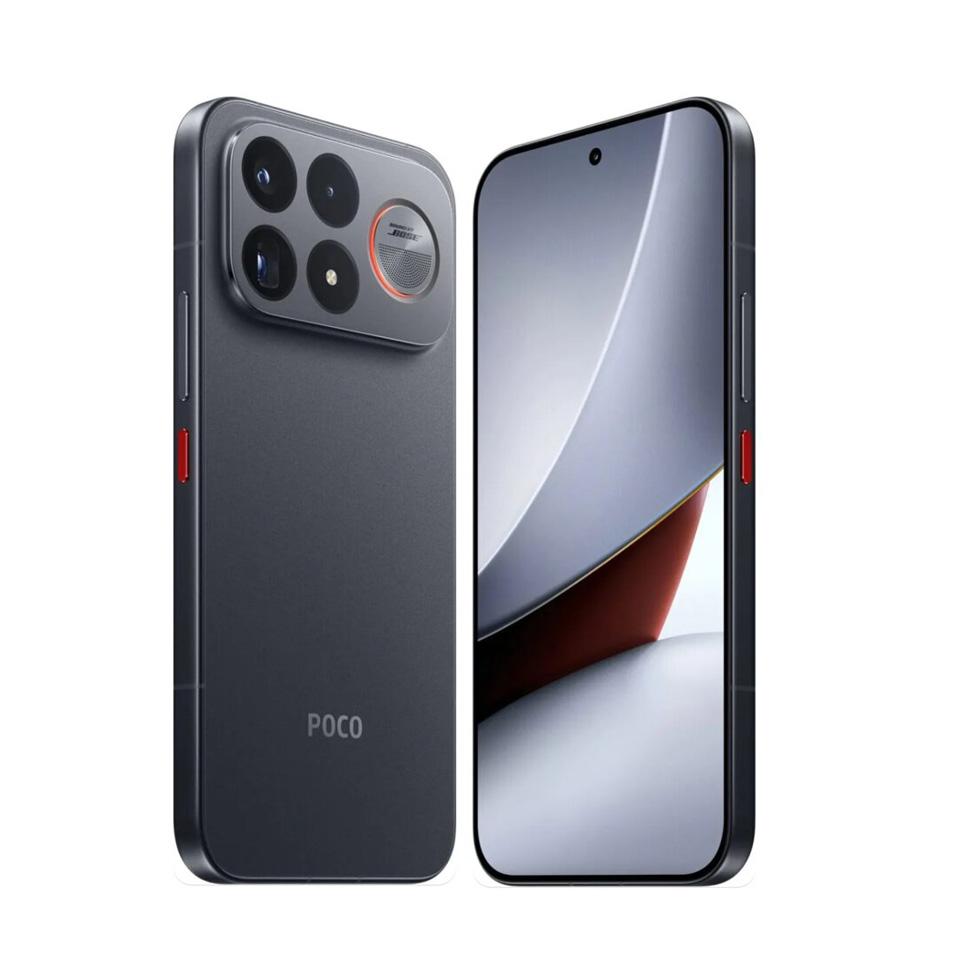
Even though the POCO F9 Ultra has moved up in price into a higher league, compared to “Ultra” competition like the Samsung Galaxy S26 Ultra or Xiaomi 17 Ultra it still represents a more affordable alternative, especially in the early sales phases. There are three memory versions and two color options available – classic black and a very elegant Dark Cherry, which strongly reminds us of this year’s special iPhone 18 Pro series color, Burgundy.
Check out our quick unboxing:
Technical specifications for the POCO F9 Ultra
| - | POCO F9 Ultra |
|---|---|
| Display | 6.9 inch AMOLED / 2608 x 1200 / 185 Hz |
| Chip | Snapdragon 8 Elite Gen 5 (3 nm) |
| Memory | 12 + 256 GB / 16 + 512 GB / 16 GB + 1 TB |
| Main camera | 200 MPx / f/1.68 / OIS |
| Periscope | 50 MPx / 5x optical zoom / OIS |
| Ultra-wide angle | 50 MPx / f/2.4 |
| Front camera | 32 MPx |
| Battery | 8050 mAh |
| Charging | 100 W wired / 50 W wireless |
| Sound | Bose 2.1 system with a subwoofer |
| Coverage | IP68 |
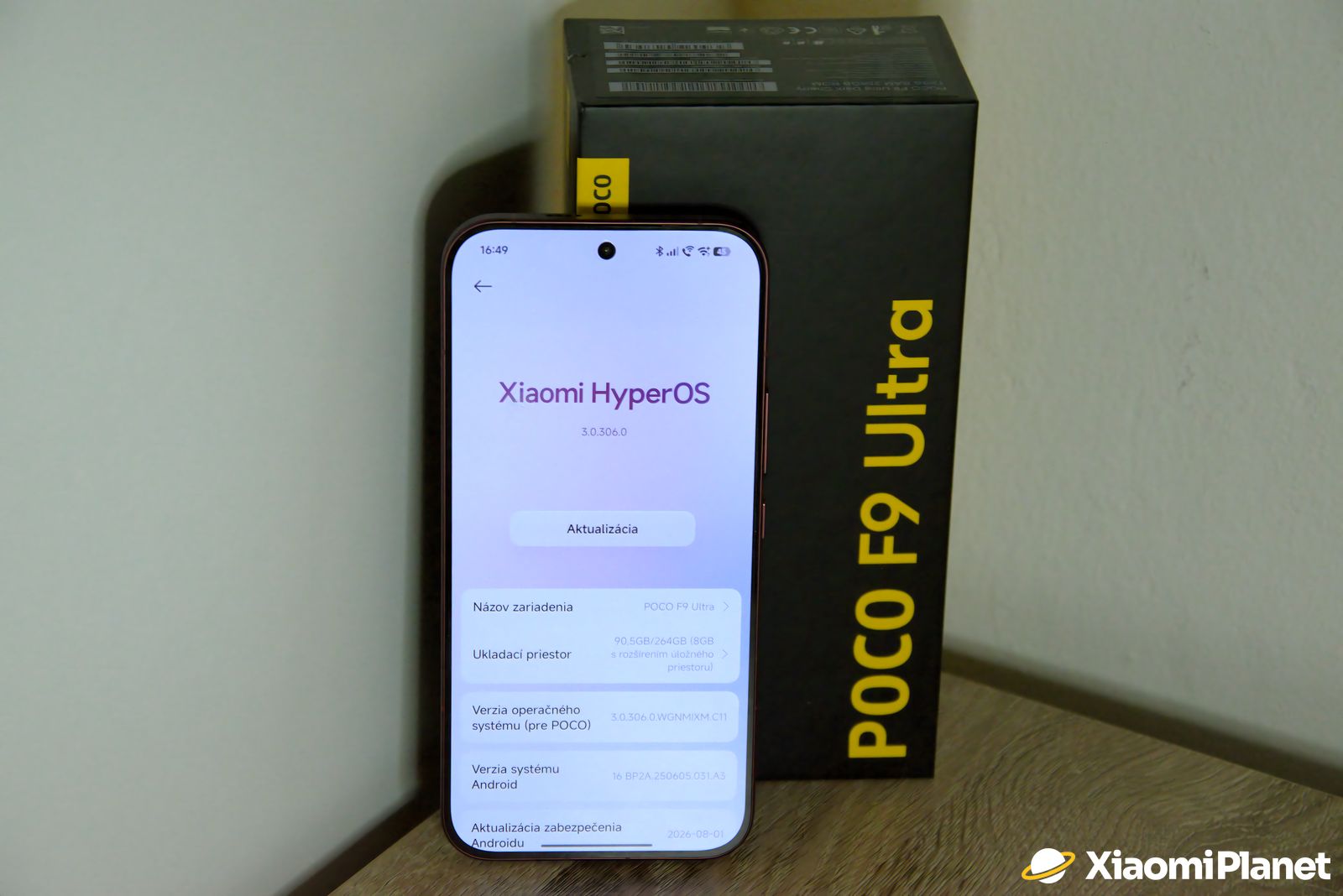
| System | HyperOS 3 |
| Weight | 235 g |
In the box
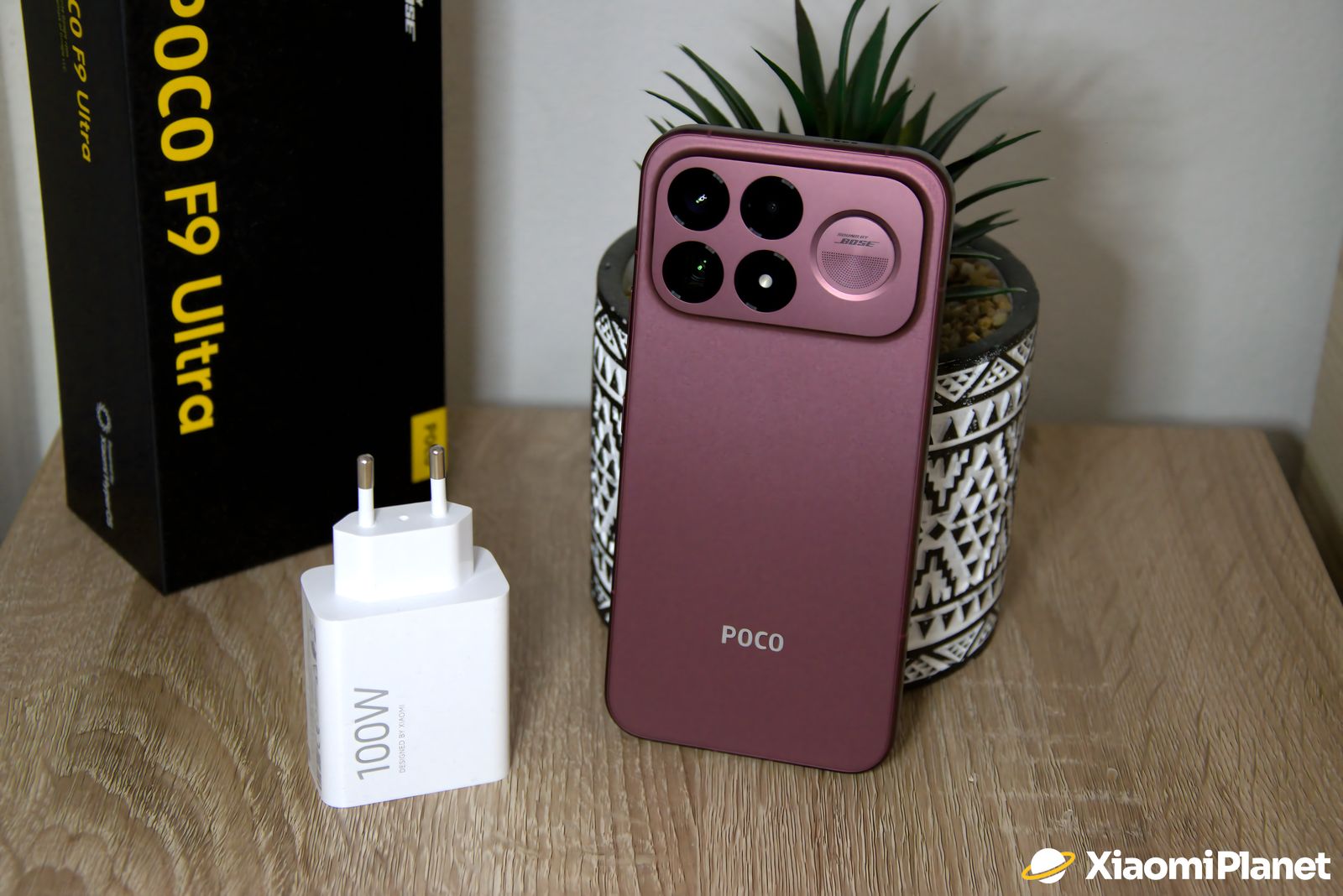
Inside a box that looks standard at first glance, you’ll find the smartphone itself, the POCO F9 Ultra, basic paper documentation, a SIM tray ejection tool, a sturdy transparent protective case that will at least protect your new device at the beginning, and a charging USB cable.
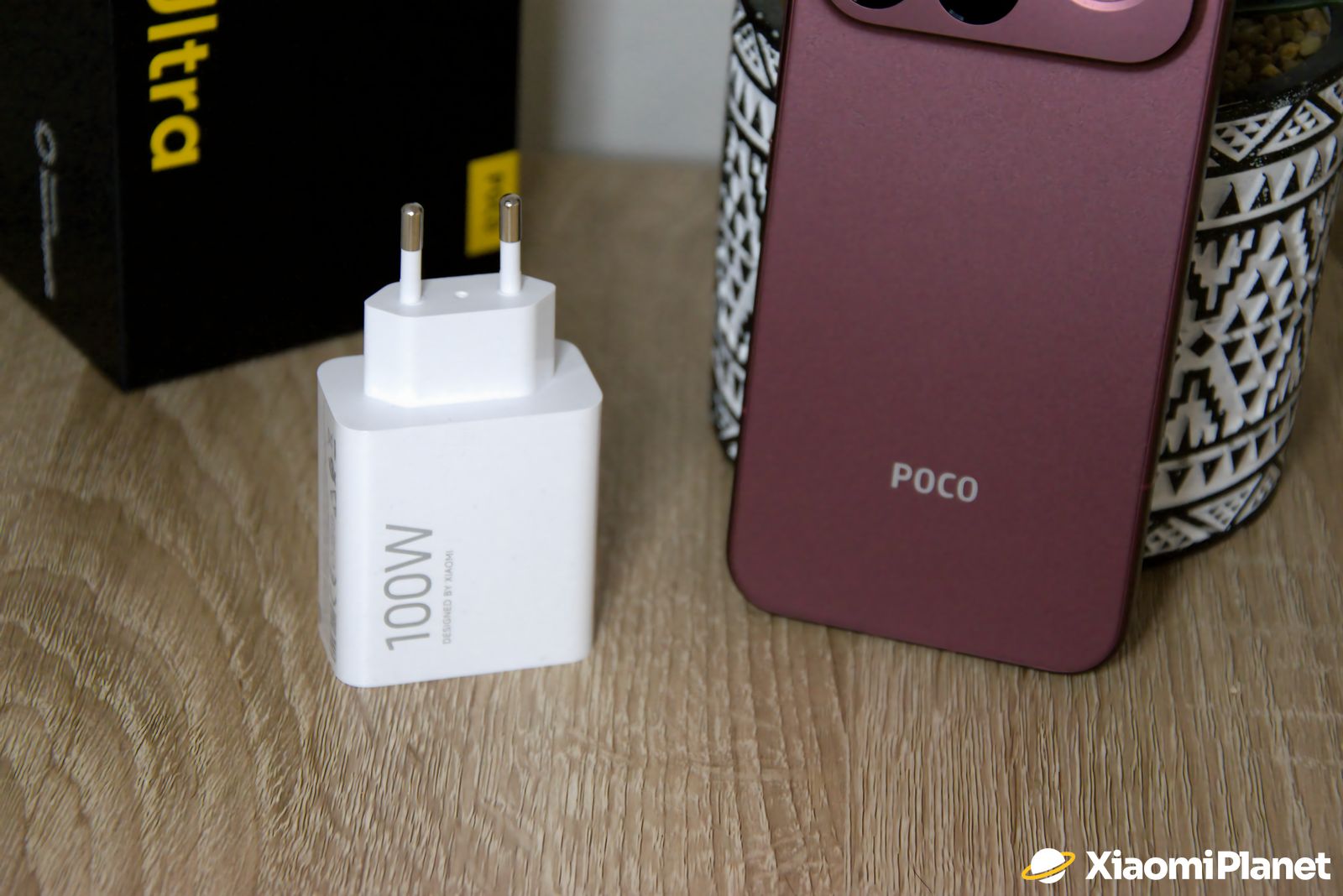
Gshopper sells bundles with a powerful 100 W charger with a European plug, featuring a USB-A output. You won’t get this in Slovak shops, because the charger isn’t included in the packages from SK sellers. So this is an additional cost of roughly €30.
Design and build quality
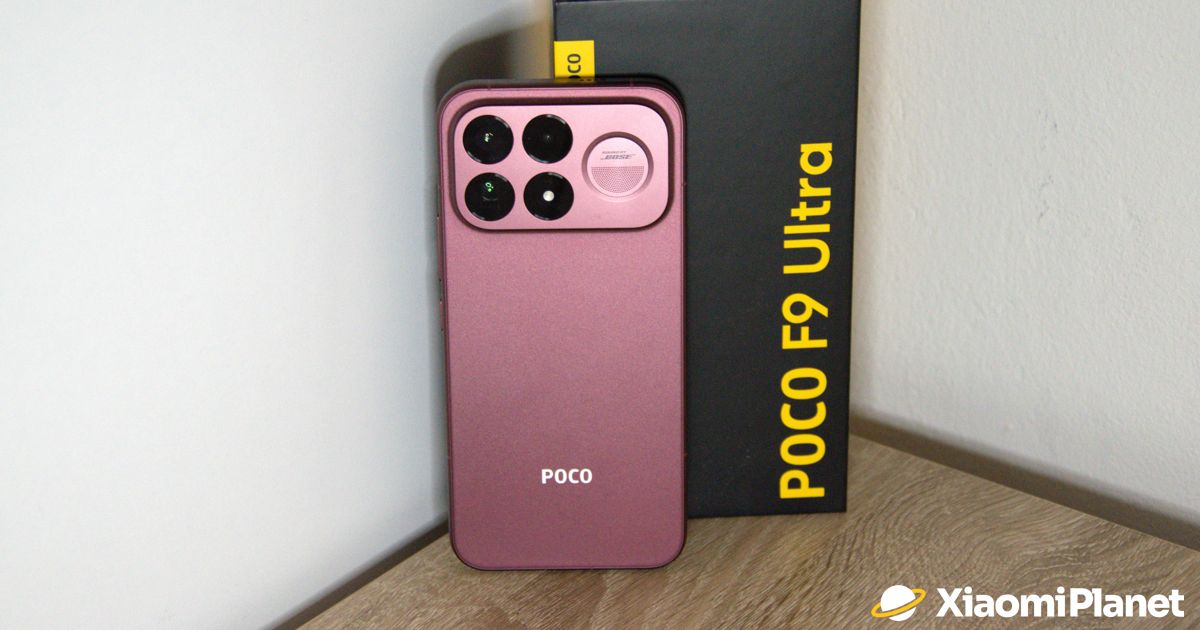
If you’re looking for a compact phone you can stash in the pocket of your summer trousers and barely notice it’s there, you’ll have to look elsewhere. The POCO F9 Ultra is a proper beast. With dimensions of 163.5 × 77.9 × 8.7 mm and a fairly high weight of 235 grams, it’s one of the heaviest devices in the classic (non-folding) design category on the market. You’ll clearly feel that weight in your hand and in your pocket, and the first days of use will require a bit of adjustment.
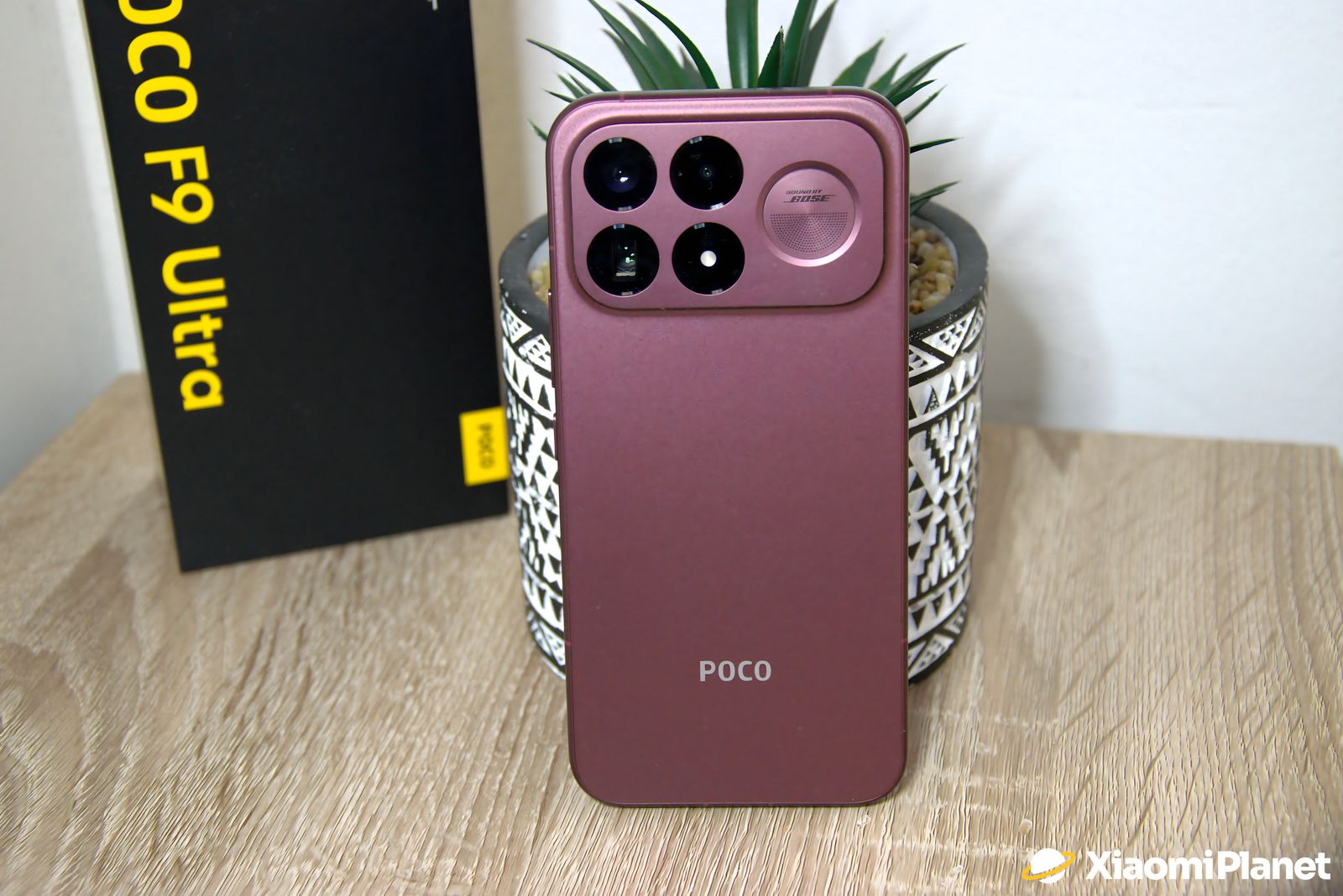
Luckily, the engineers took ergonomics seriously. The phone’s aluminum frame has gently rounded edges, so this massive device holds surprisingly comfortably and doesn’t cut into your palm. The back is made of a distinctive matte fiberglass material. Not only does it look premium and feels like lightly textured metal, but it also has a huge advantage: it practically doesn’t catch fingerprints at all.
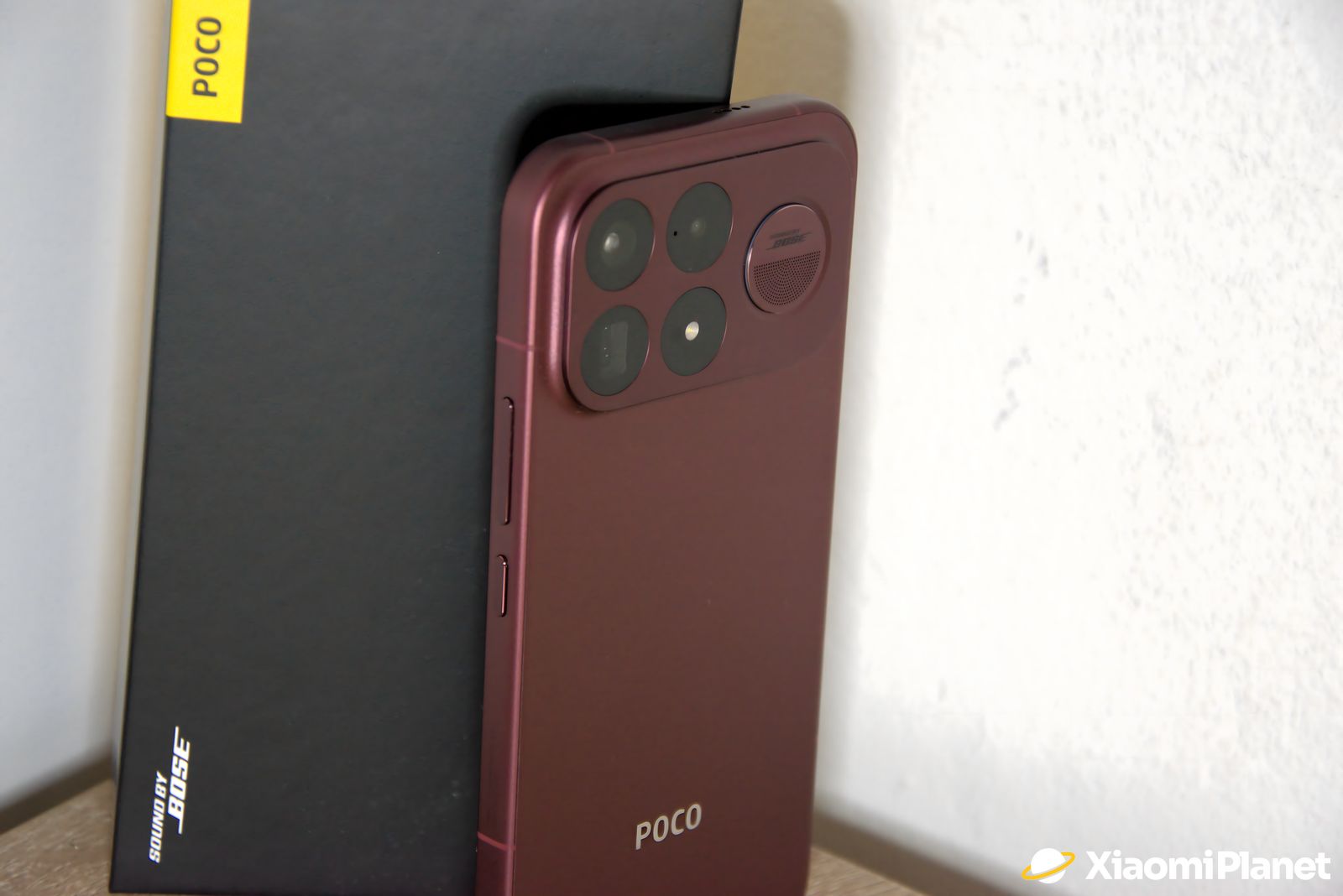
The front display is protected against scratches and drops by the latest tempered glass, the Corning Gorilla Glass 7i. Of course, the flagship also can’t be missing a full-fledged water and dust resistance certification, IP68, so an accidental drop into water or heavy rain won’t be an issue.
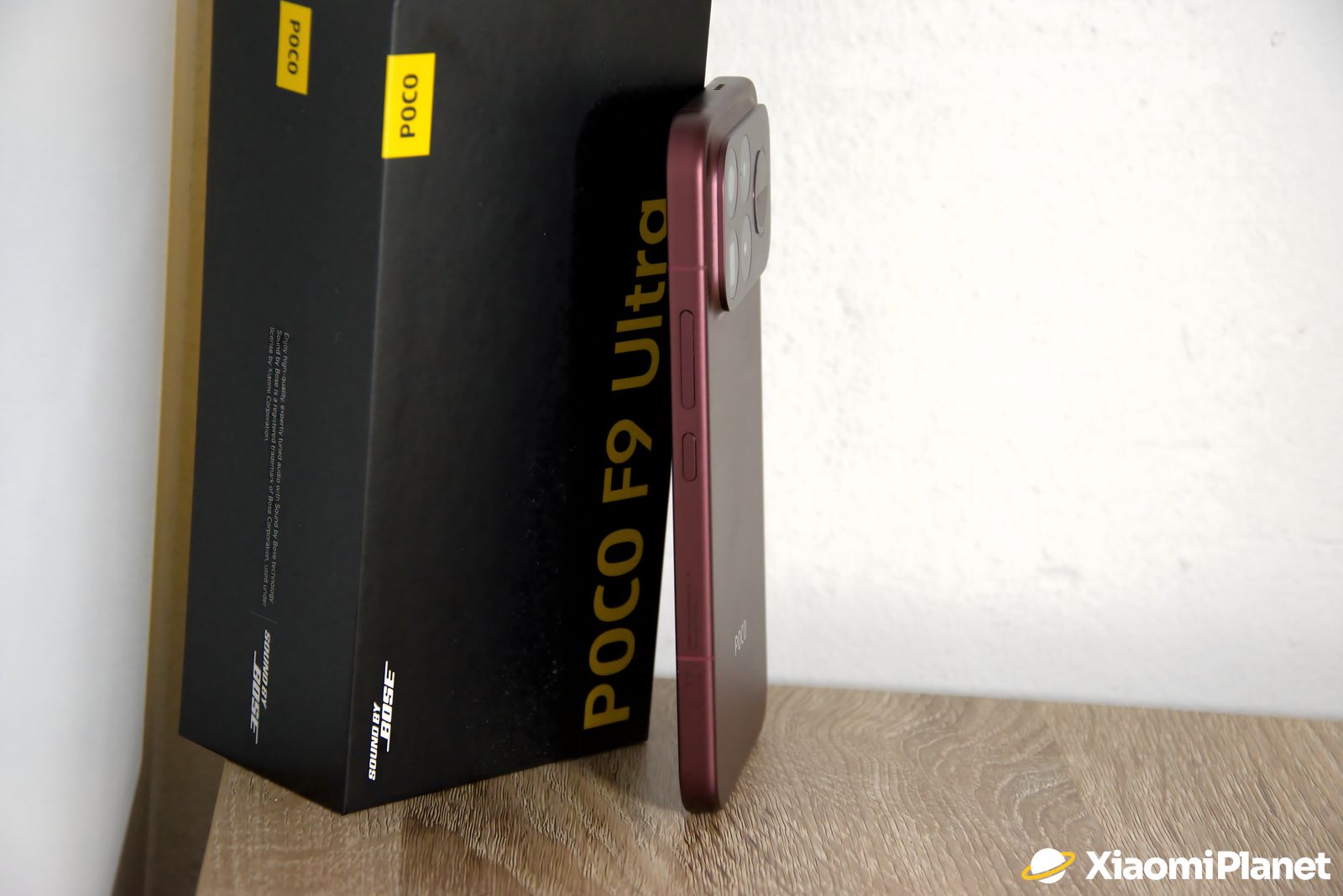
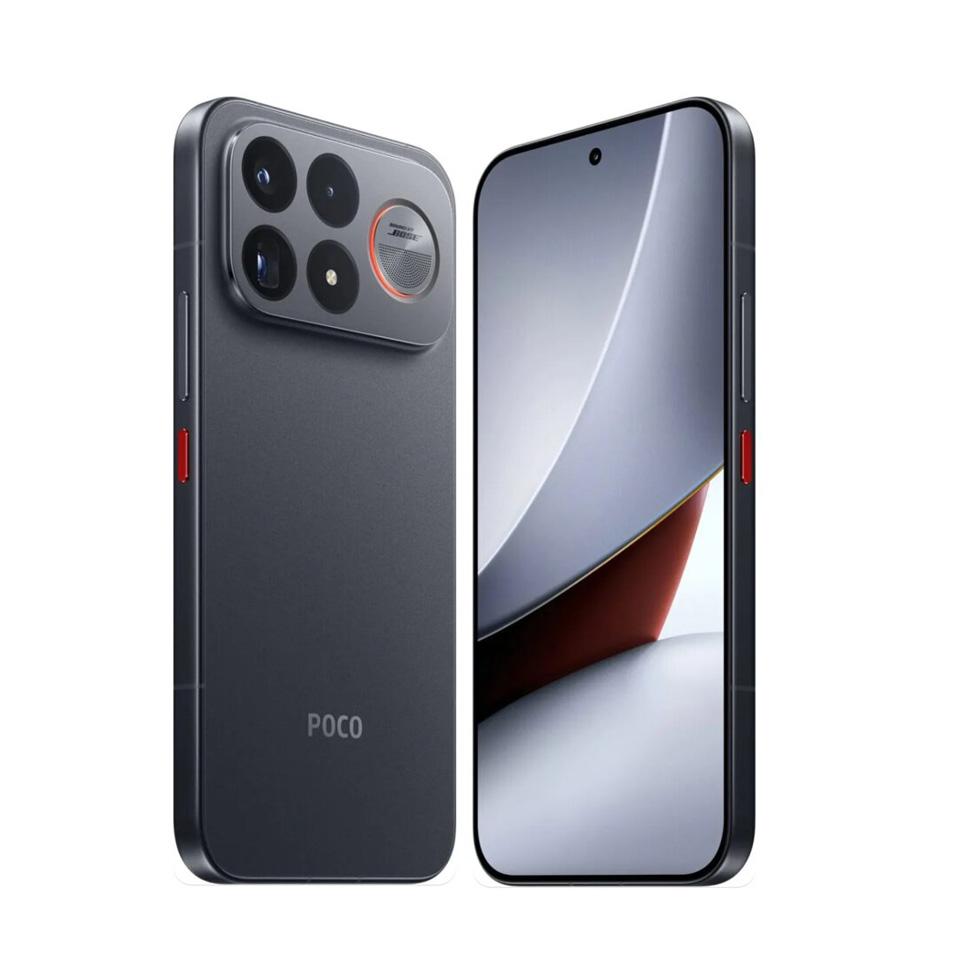
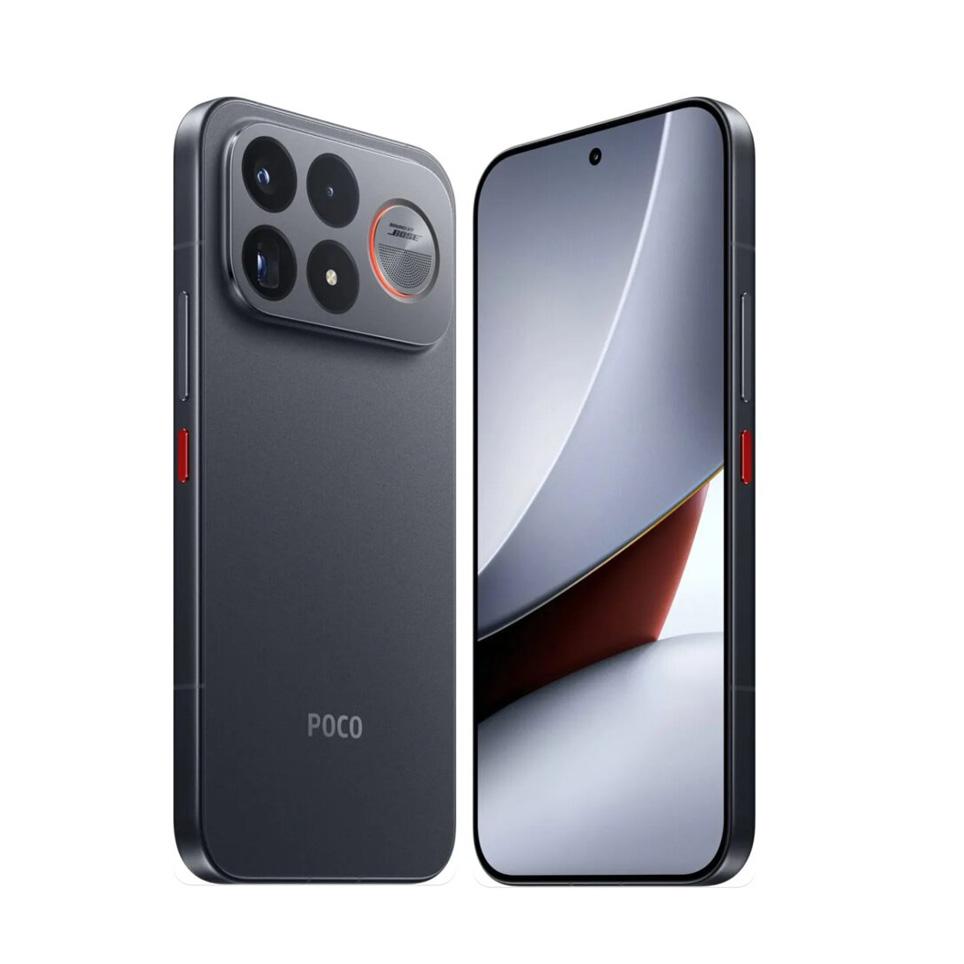
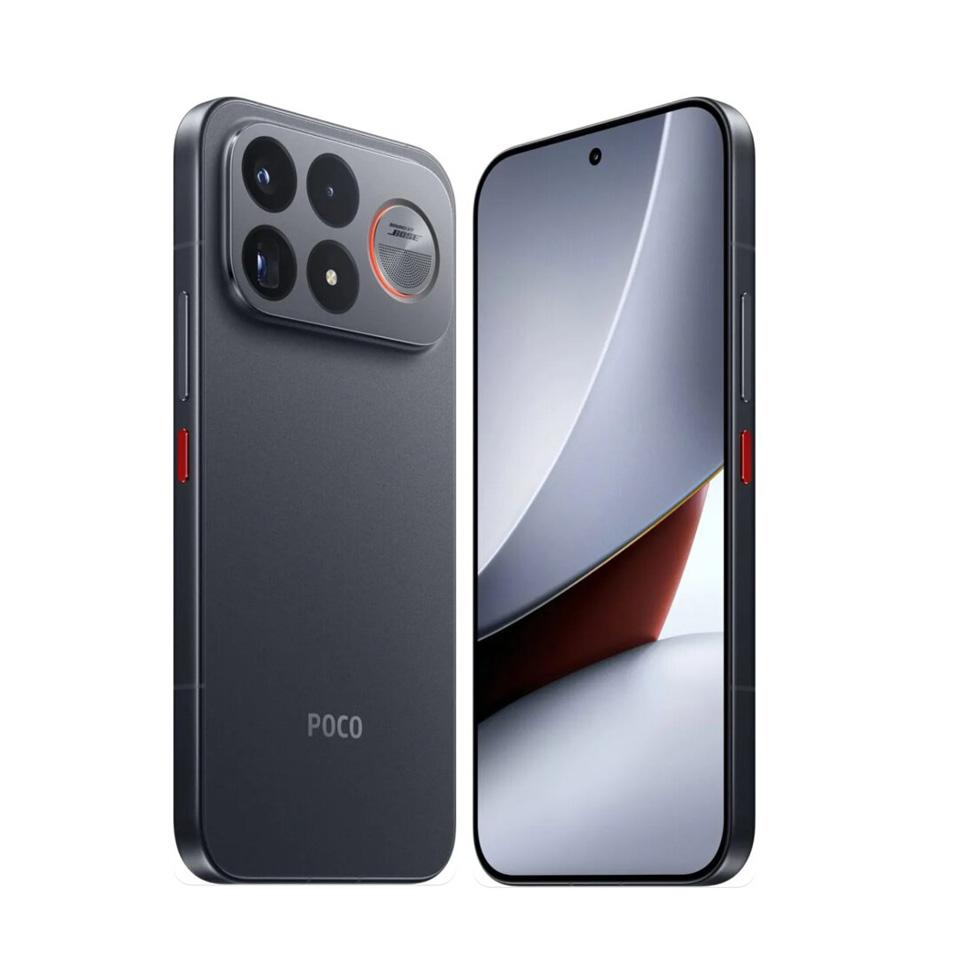
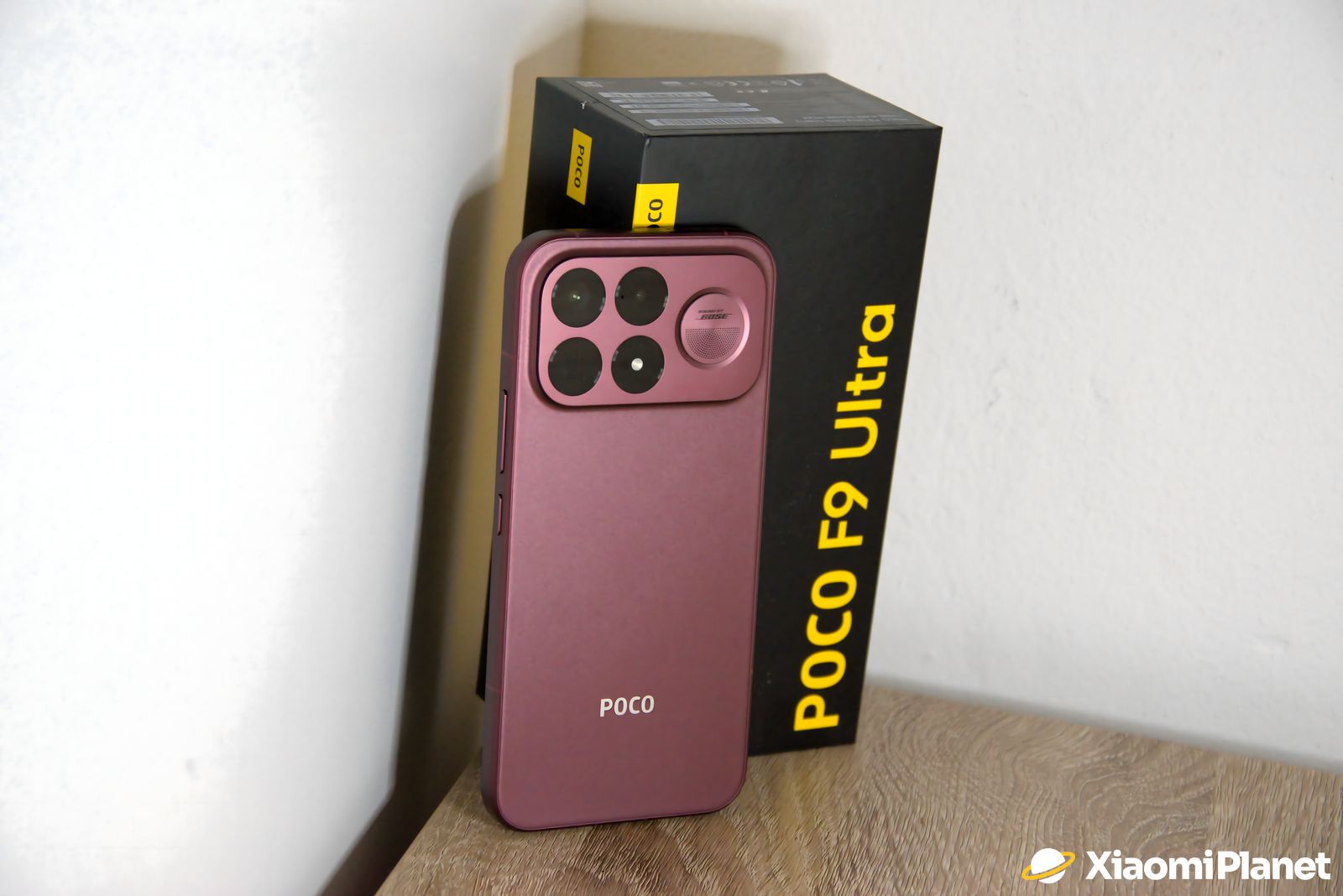
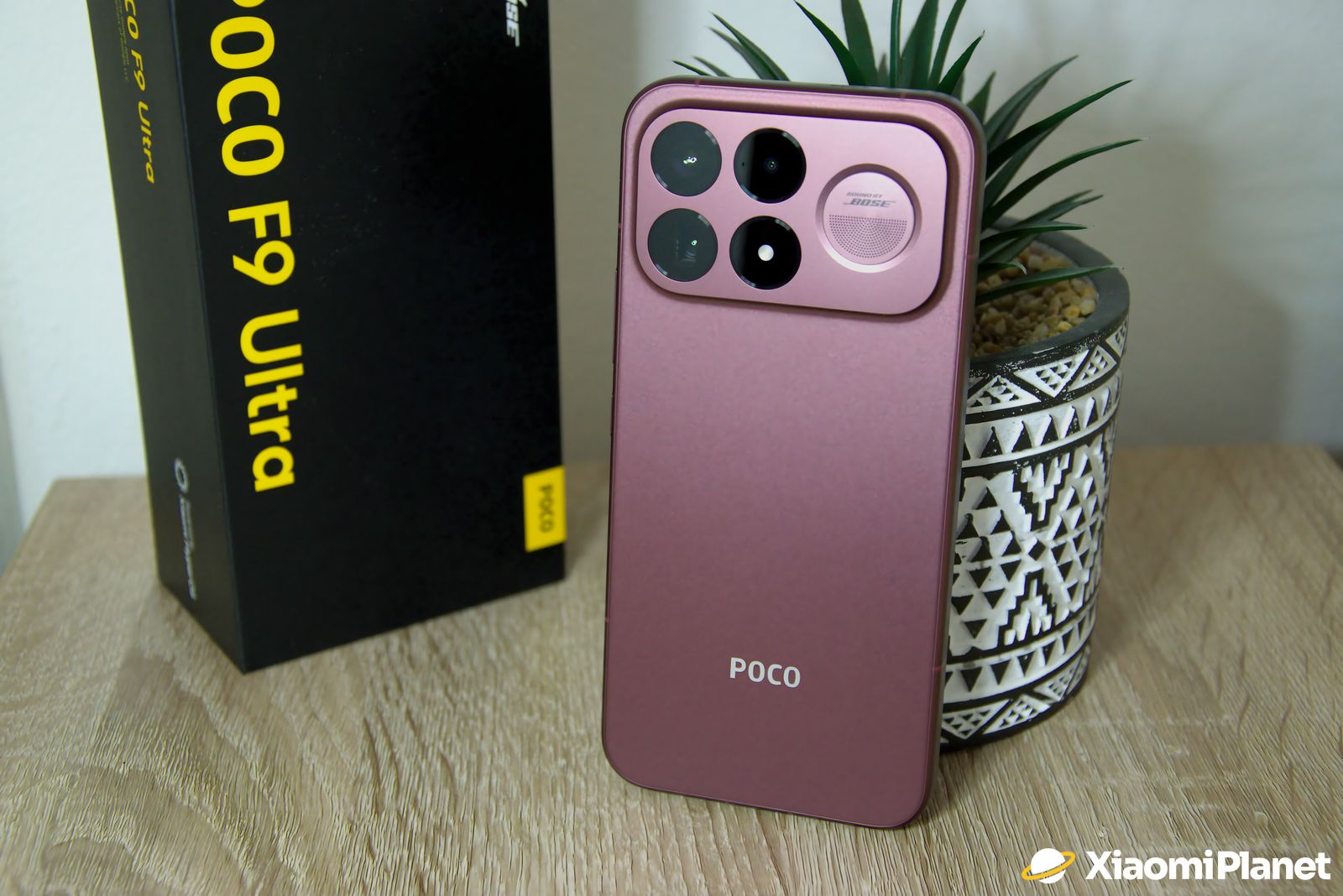
The most interesting and most extravagant design feature is undoubtedly the huge rear camera module. It’s truly massive and sticks out above the level of the back cover, but thanks to its width it prevents the phone from wobbling noticeably when you set it on a table. Right next to the trio of lenses, there’s something that has no equal in the smartphone world — a dedicated subwoofer with the BOSE logo, framed by a stylish ring of white LED backlighting.
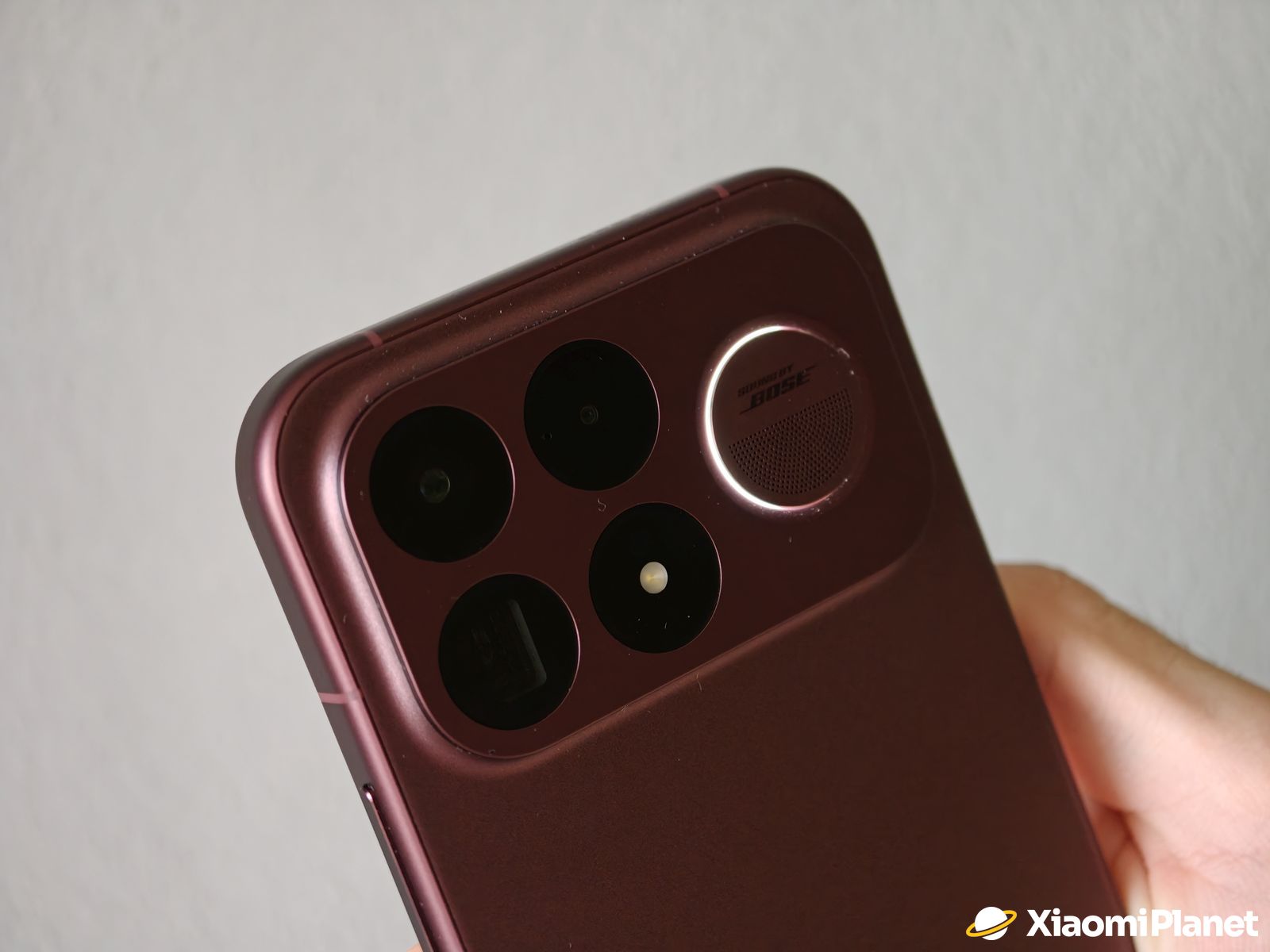
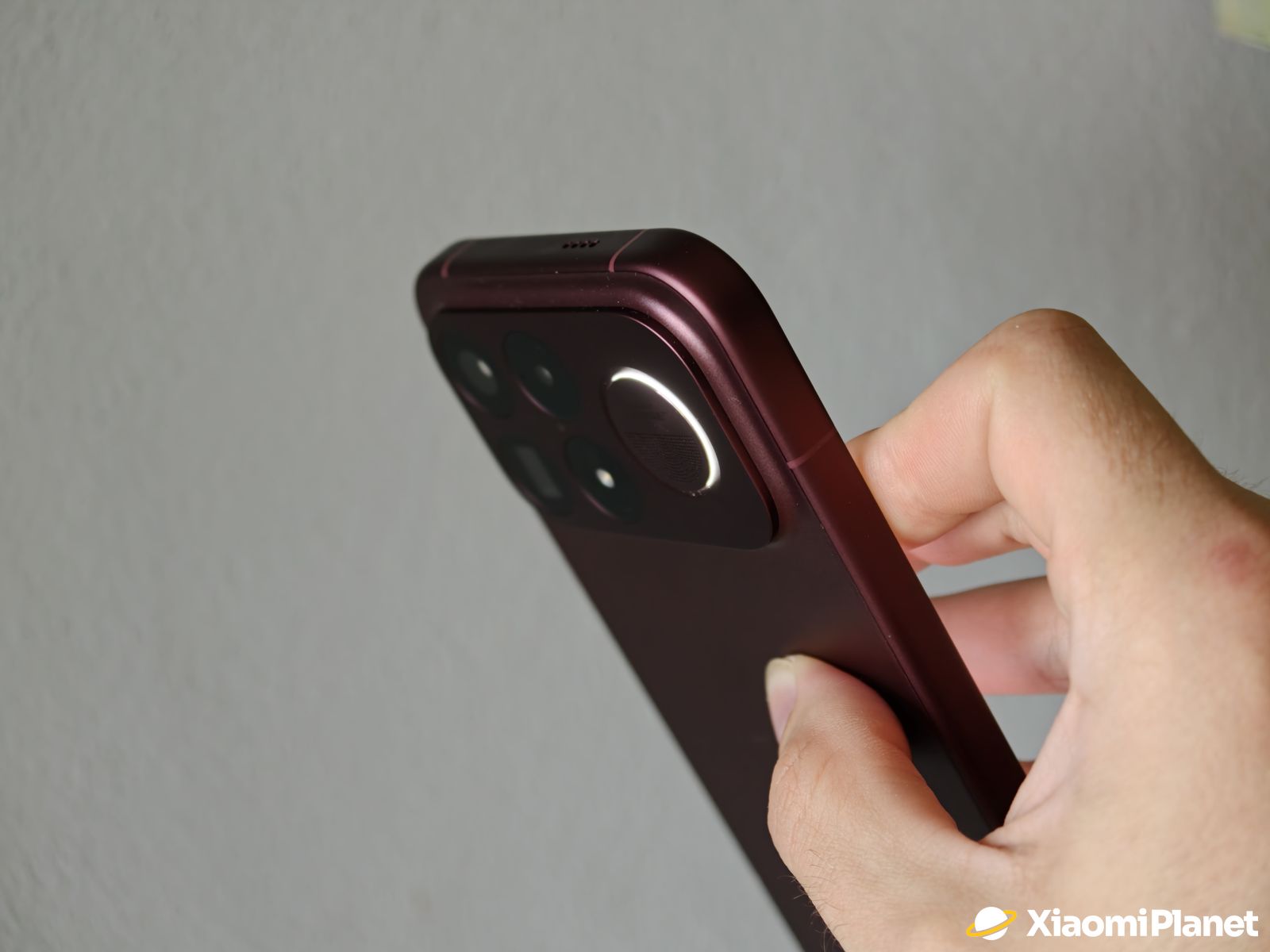
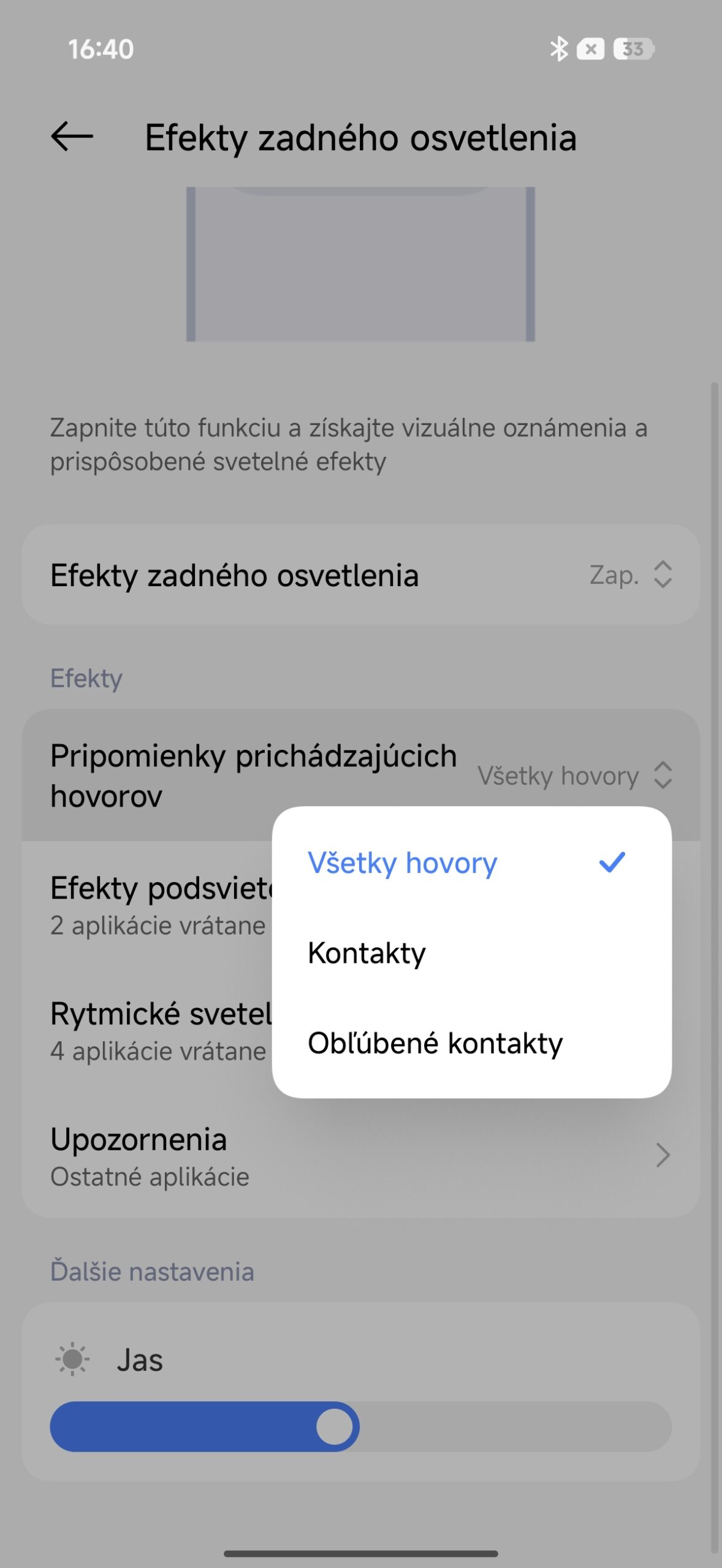
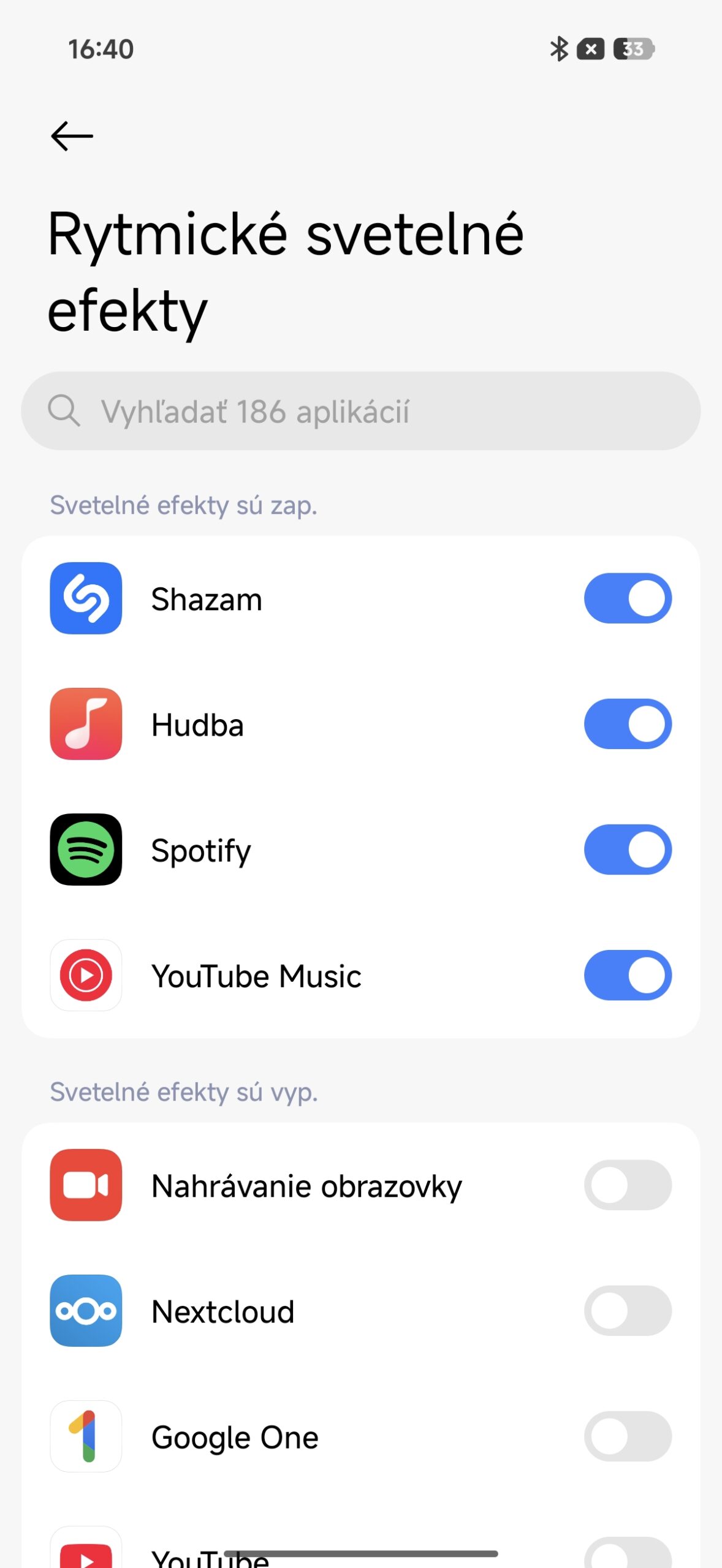
This LED ring isn’t just for show—it can work as a real notification diode, pulse to the rhythm of the music being played, or visually react to events in supported games (for example when playing PUBG or Call of Duty). It’s a super eye-catching detail that POCO F9 Ultra immediately sets apart from any other, at first glance maybe “boring” flagship device, giving it a distinct gaming vibe.
LED ring settings:

Display and sound: Extremely bright panel and 2.1 audio beasts
The front is ruled without hesitation by the massive 6.9-inch LTPO AMOLED display with high resolution 1200 × 2608 pixels (416 ppi for sharpness). This HyperRGB technology panel with support for 68 billion colors is right at the top tier. Support for all modern standards such as Dolby Vision, HDR10+, HDR Vivid, or BT.2020 is a given here.
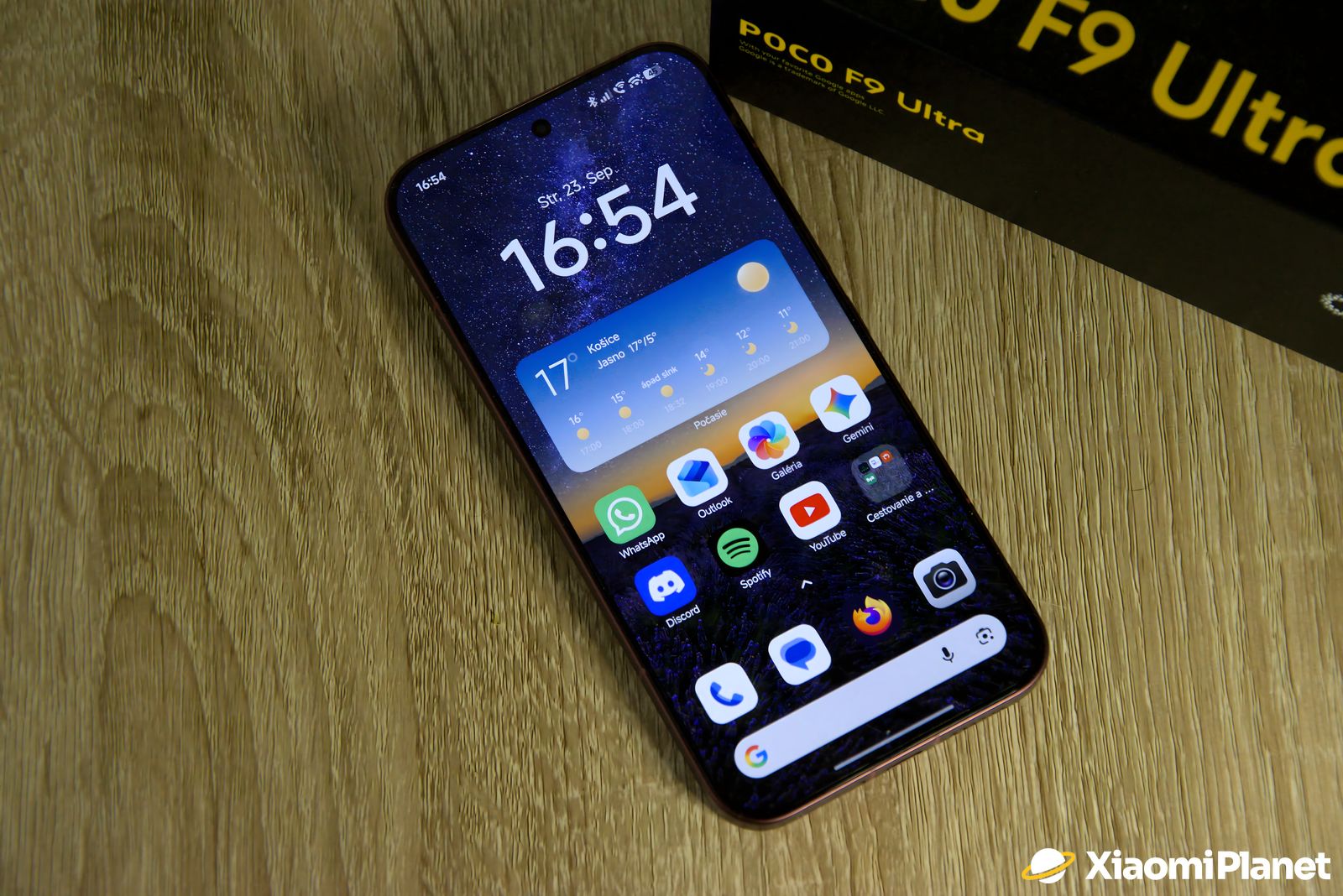
In its marketing materials, the manufacturer works with a crazy 10,000 nits figure, but that’s a theoretical value for a very small screen cutout when displaying HDR content. What matters more are real numbers: according to available lab tests, full-screen brightness reaches an excellent 850 nits, and in the so-called High Brightness mode in direct sunlight the display can easily “burn through” up to 2200 nits. Outdoor readability is flawless, and you won’t lose track even in the harshest light.
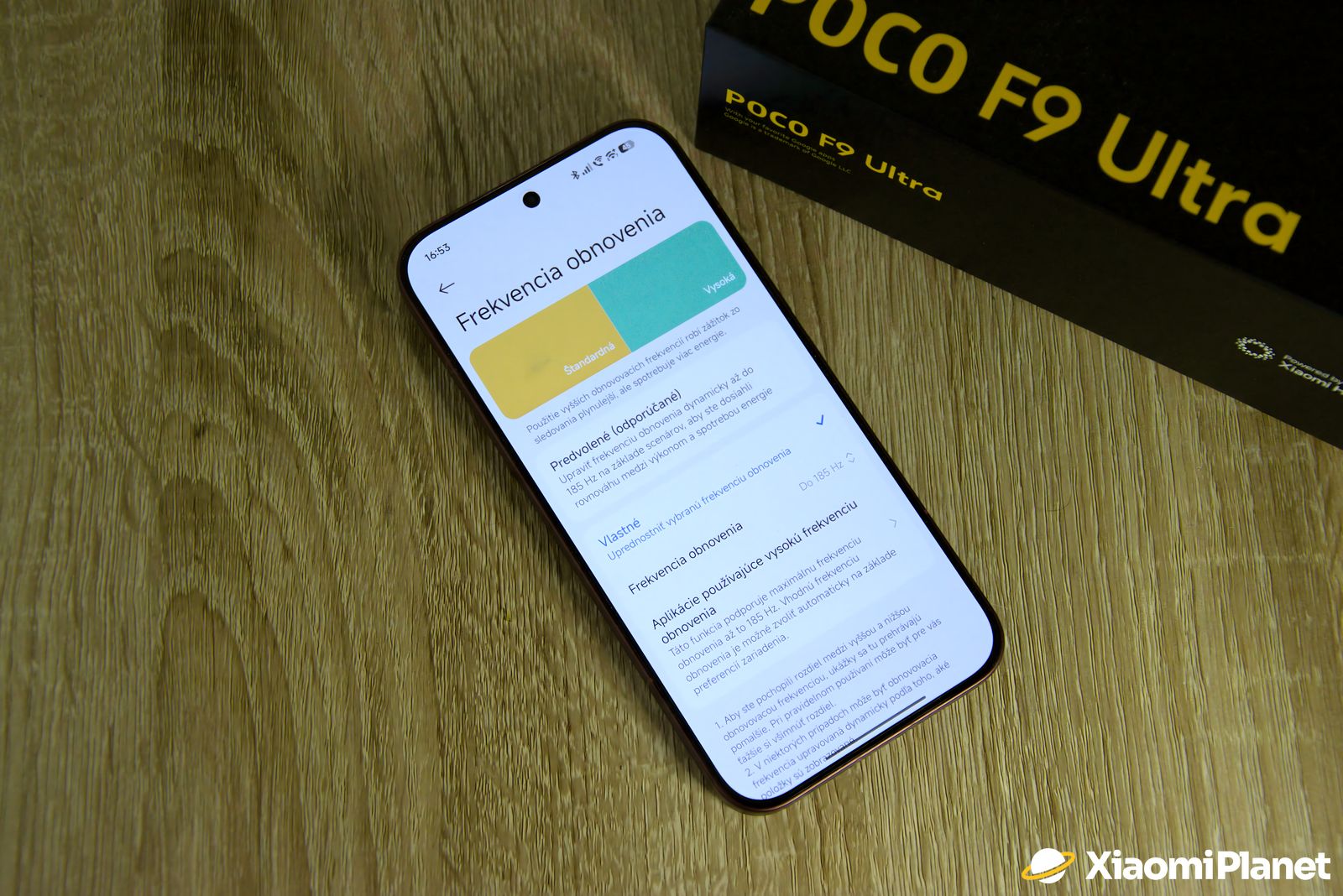
One interesting aspect is the refresh rate. The panel can theoretically handle up to 185 Hz, but in a typical system and in most apps you’ll be using the standard—though extremely smooth and adaptive—120 Hz mode.
Unlocking the full 185 Hz potential is currently limited to a narrow group of roughly twenty selected gaming titles – and even in those we noticed an increase in the refresh rate to “just” the 165 Hz boundary, so we don’t know when the truly extremely smooth 185 Hz will actually show up. Dedicated VisionBoost D8 display chip takes care of upscaling lower-resolution content in videos and image smoothness, which you’ll especially appreciate when watching movies on Netflix or YouTube.
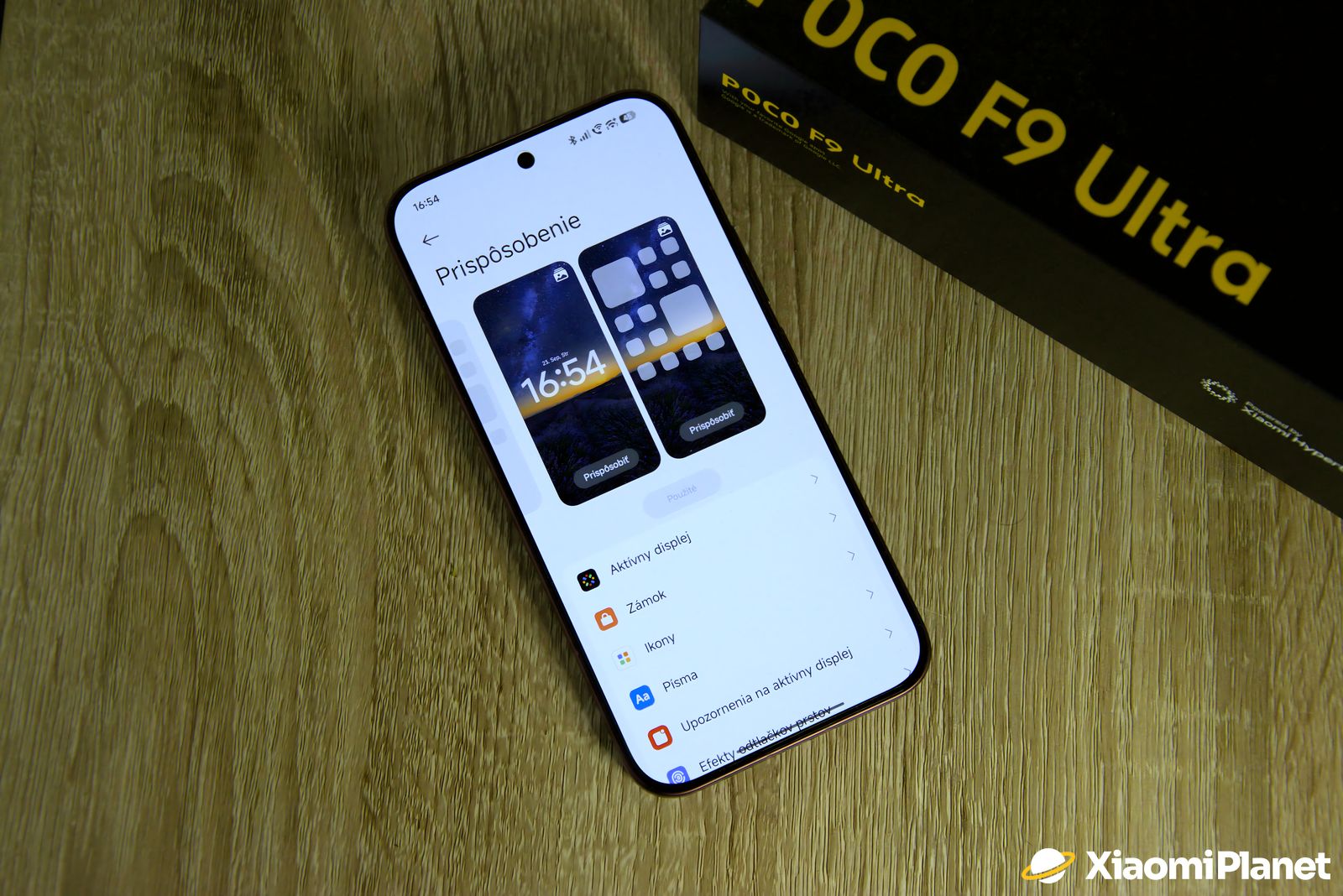
If the display is great, the sound side is downright phenomenal. POCO F9 Ultra comes with symmetrical stereo speakers and the dedicated subwoofer on the back mentioned earlier. This 2.1-channel audio system, tuned by BOSE experts, produces sound that literally puts you back in your seat.
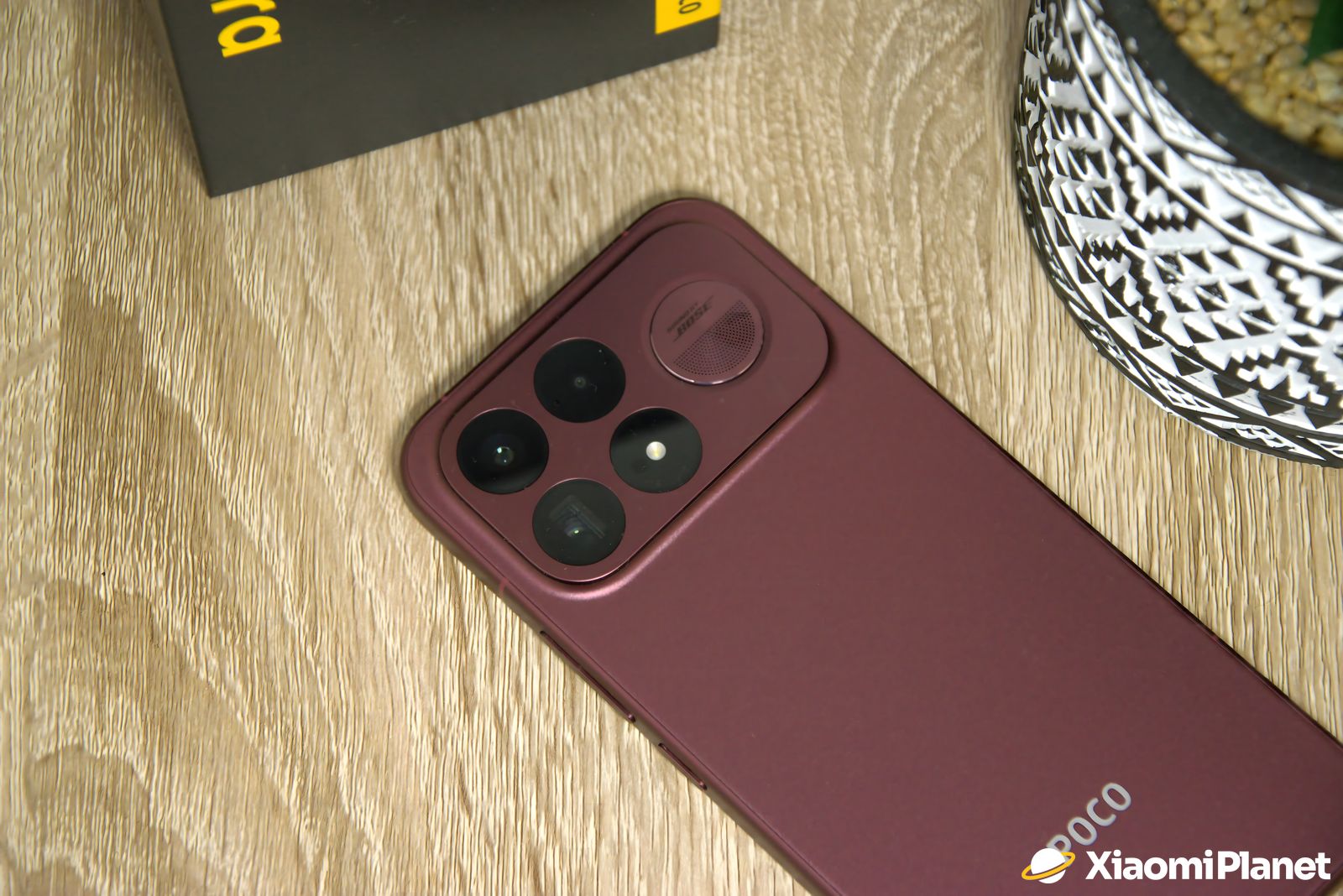
It’s incredibly loud, unbelievably clear even at the highest volumes, and it delivers surprisingly deep, punchy bass. Whether you’re watching a blockbuster, playing games, or just listening to music, this phone’s external audio leaves practically any market competition trailing behind.
Raw performance and mysterious software benchmark blocking
At the heart of this beast is currently the most powerful mobile processor from Qualcomm, the Snapdragon 8 Elite Gen 5, built on the latest 3-nanometer process. In our case, it’s paired with 12 GB of LPDDR5X RAM and 256 GB of UFS 4.1 storage.
That said, it’s worth noting that the same chipset was already used in last year’s POCO F8 Ultra model, so we can’t talk about a revolutionary generational leap in performance. Still, there’s an absolute overabundance of power for years to come.
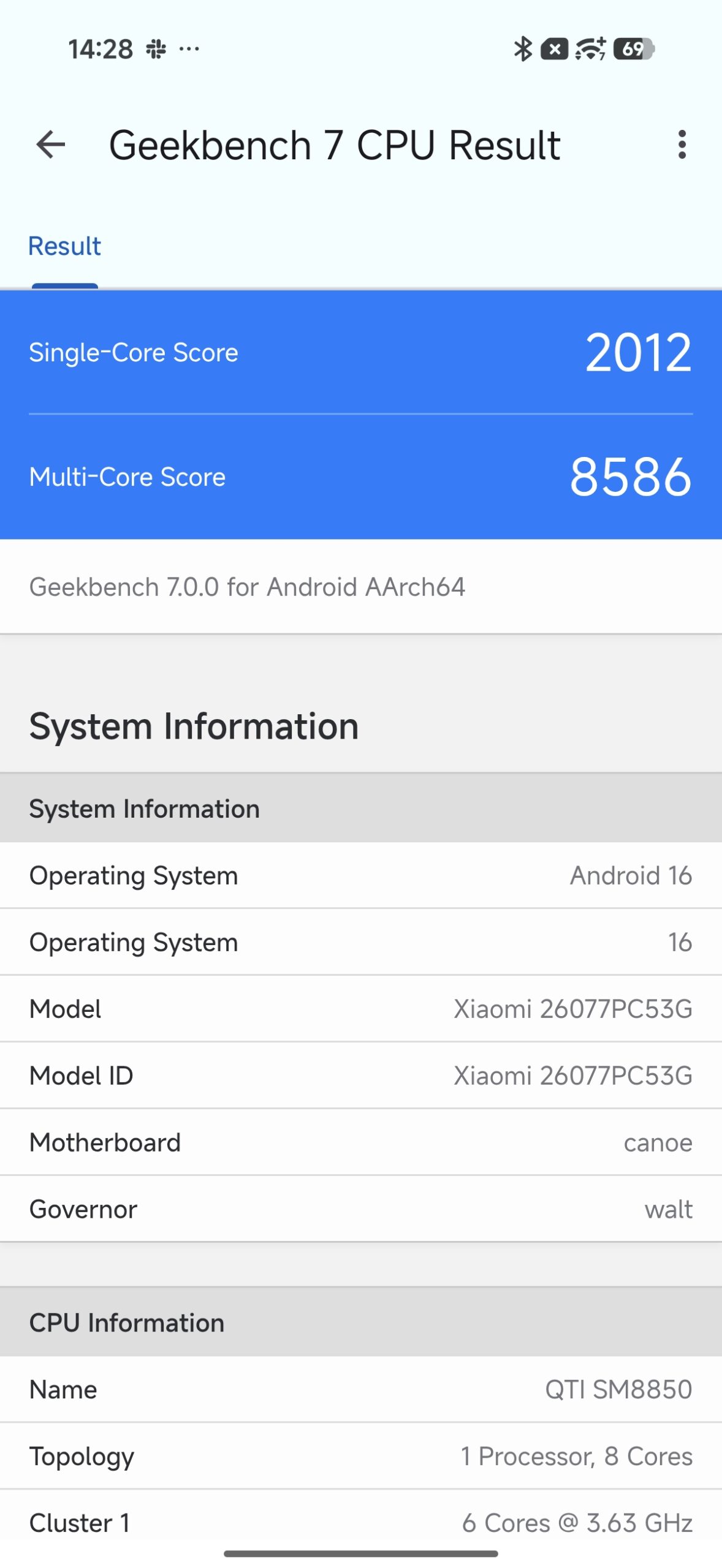
The phone runs smoothly, apps open instantly, and it handles games with full detail and a complete overview. For gamers, there’s a special environment called WildBoost, which can clear memory with one click, adjust touch sensitivity on the display, stabilize the Wi‑Fi connection, and optimize how performance is allocated to the graphics chip.
However, during long-term extreme load (for example, when playing demanding 3D games for an hour), physics can’t be tricked and the chipset starts heating up quite noticeably. The 3D IceLoop cooling system has its hands full, forcing the phone to aggressively reduce performance (so-called “thermal throttling”) to keep temperatures within safe ranges and prevent damage to internal components.
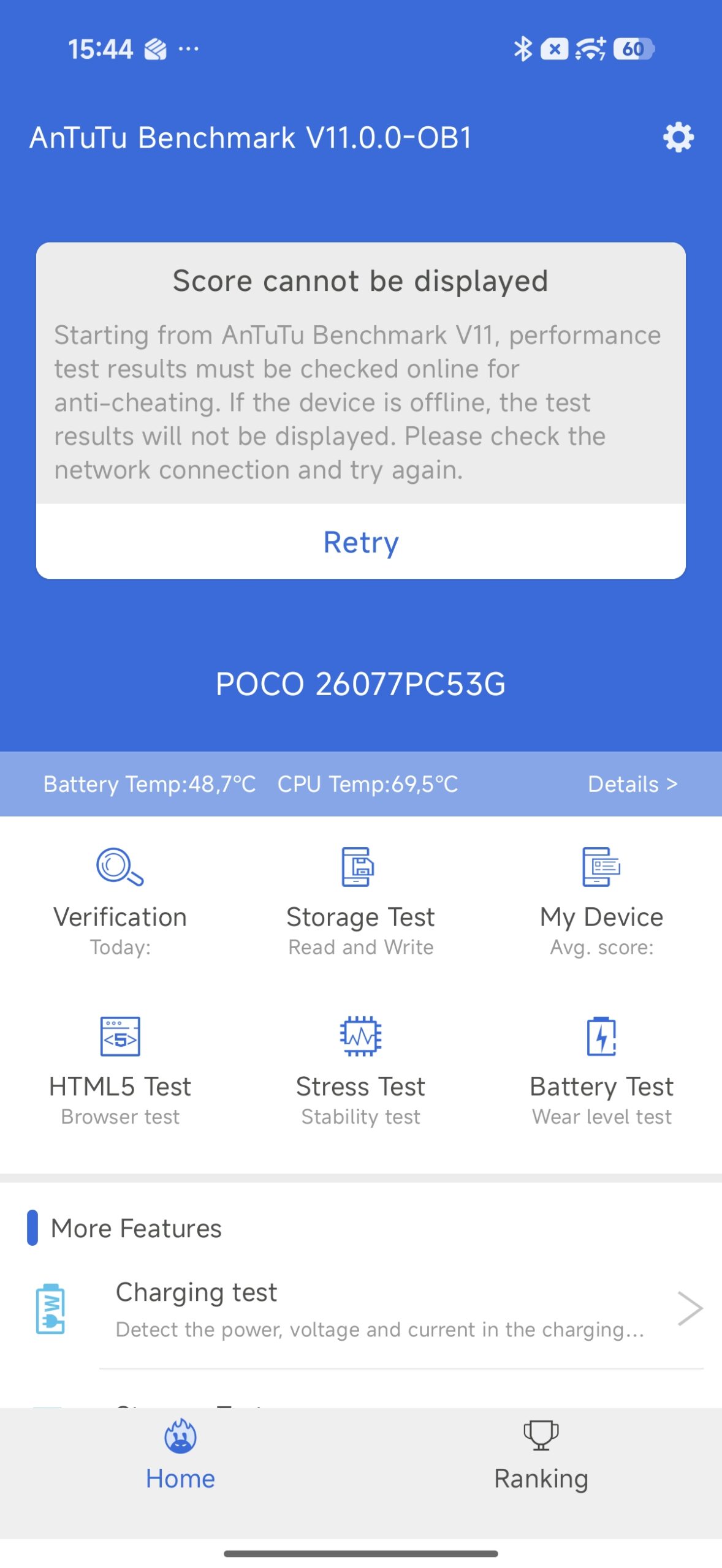
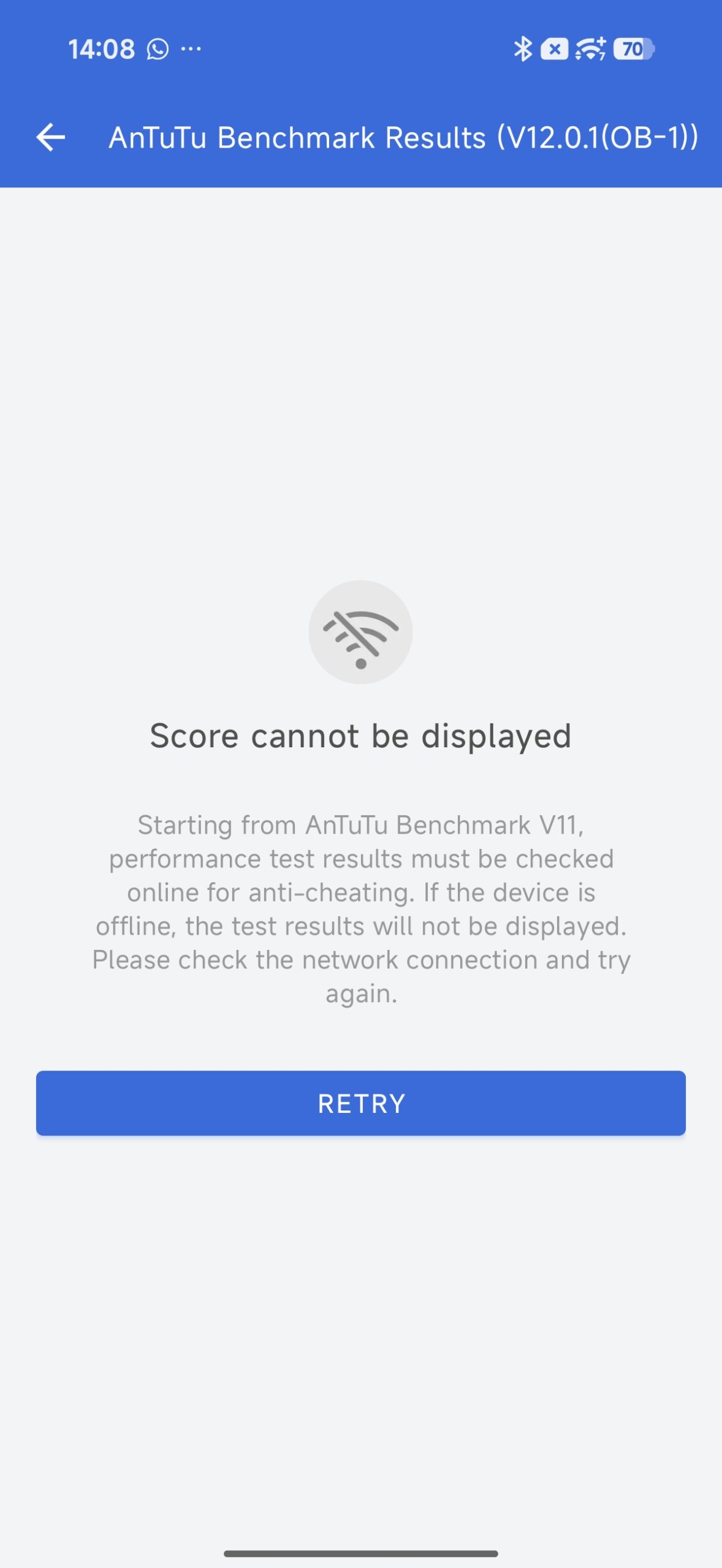
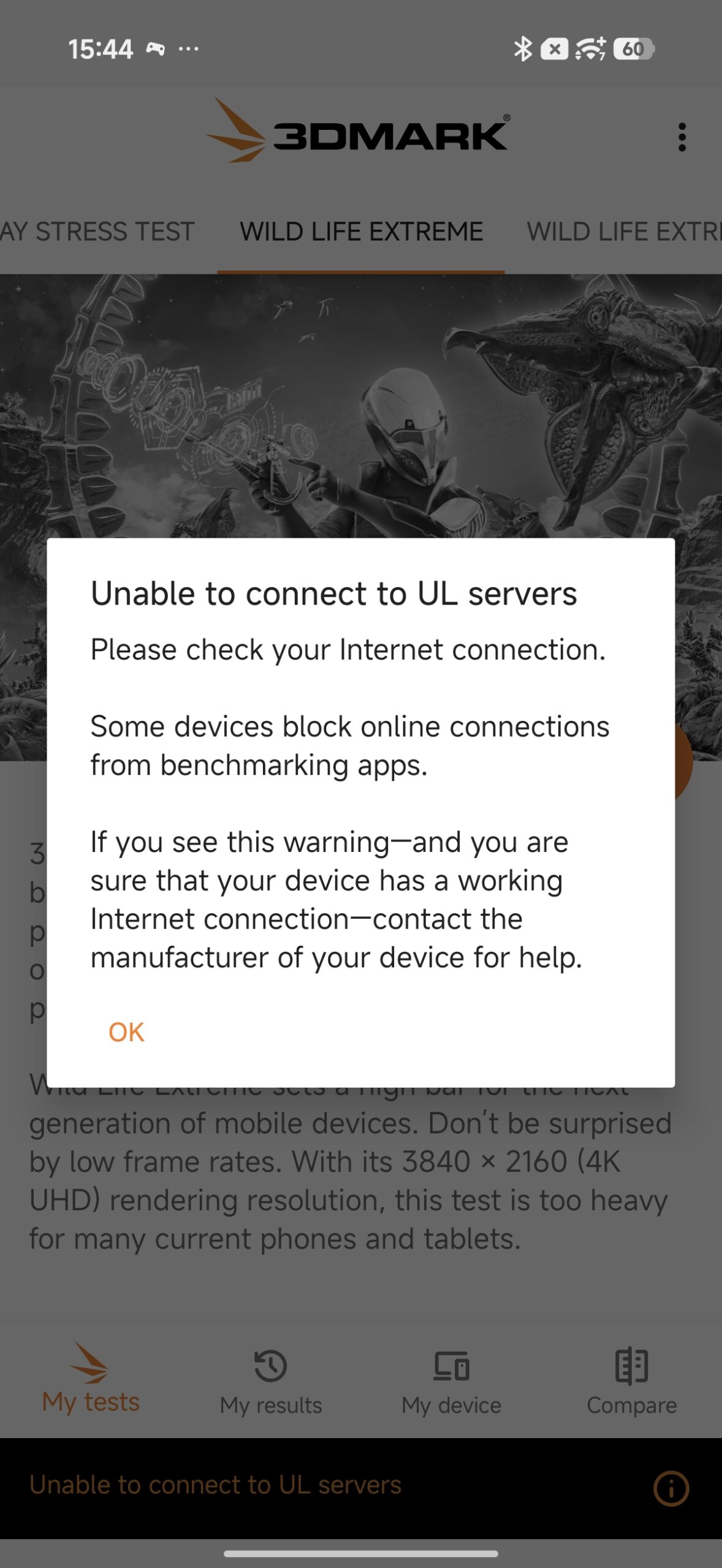
When we tried to test the raw power of the processor using popular, standardized benchmark apps AnTuTu Benchmark and 3DMark, we hit a hard wall. Both apps kept throwing error messages saying that the device is not connected to the internet. AnTuTu refused to show the final score, claiming that for “anti-cheating” (checks against cheating), it requires online verification of results. 3DMark, meanwhile, reported that it couldn’t connect to the UL servers.
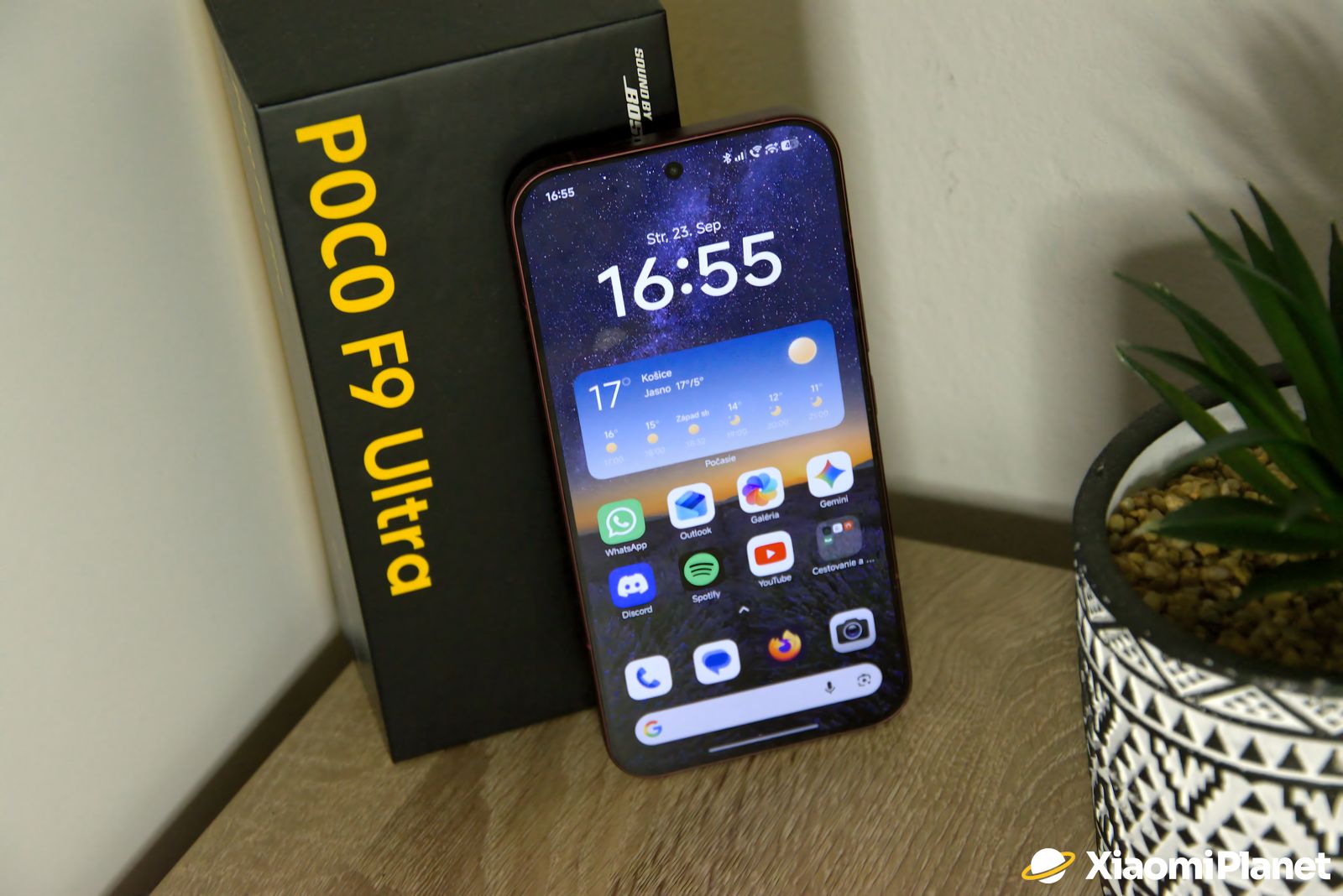
Absurdly, this problem persisted despite the fact that the phone was connected throughout the entire time to a fully functional, stable home Wi‑Fi network—and mobile data worked just as smoothly for all other apps in the system. When we dug deeper into the detailed HyperOS 3.0 system settings, we even verified that the AnTuTu app really does have permission to use mobile data, Wi‑Fi, and data in the background.
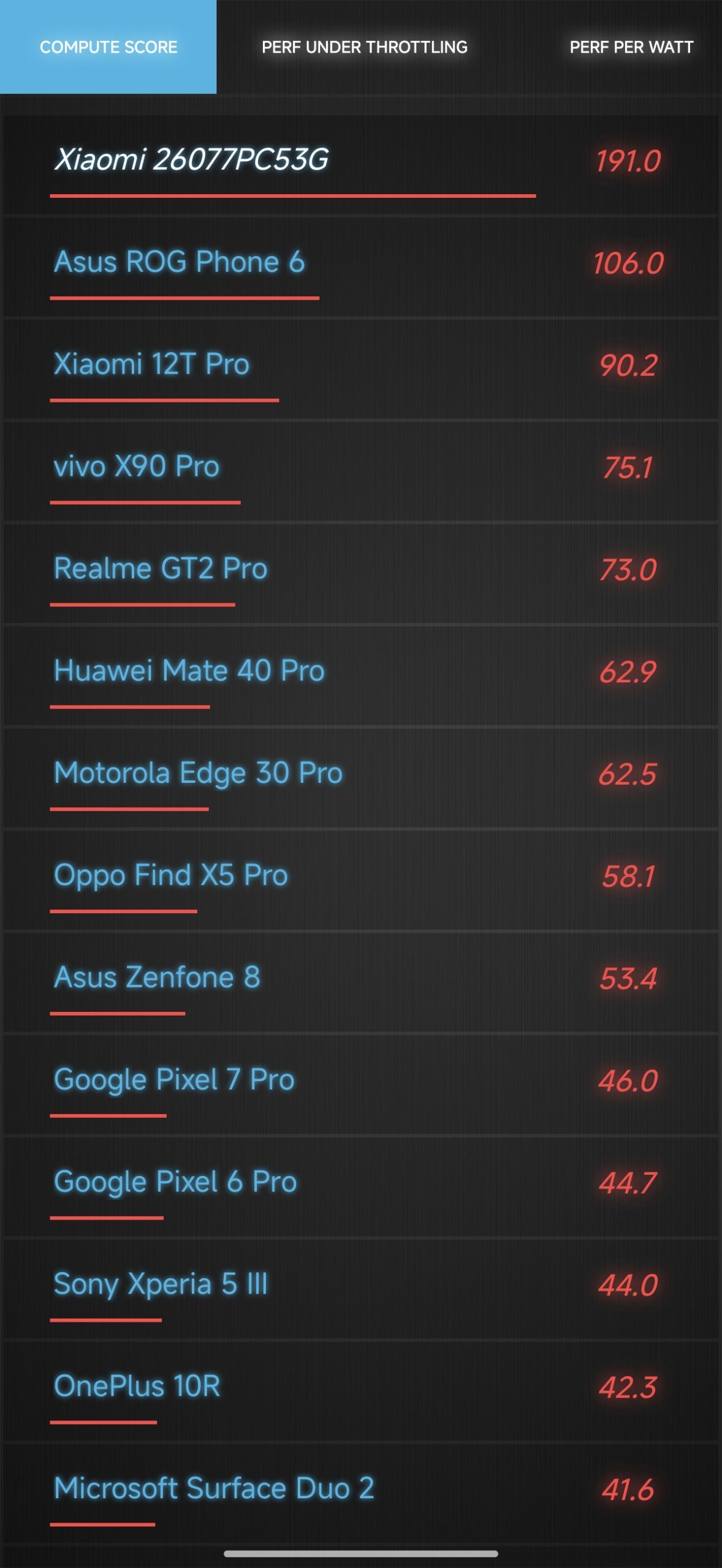
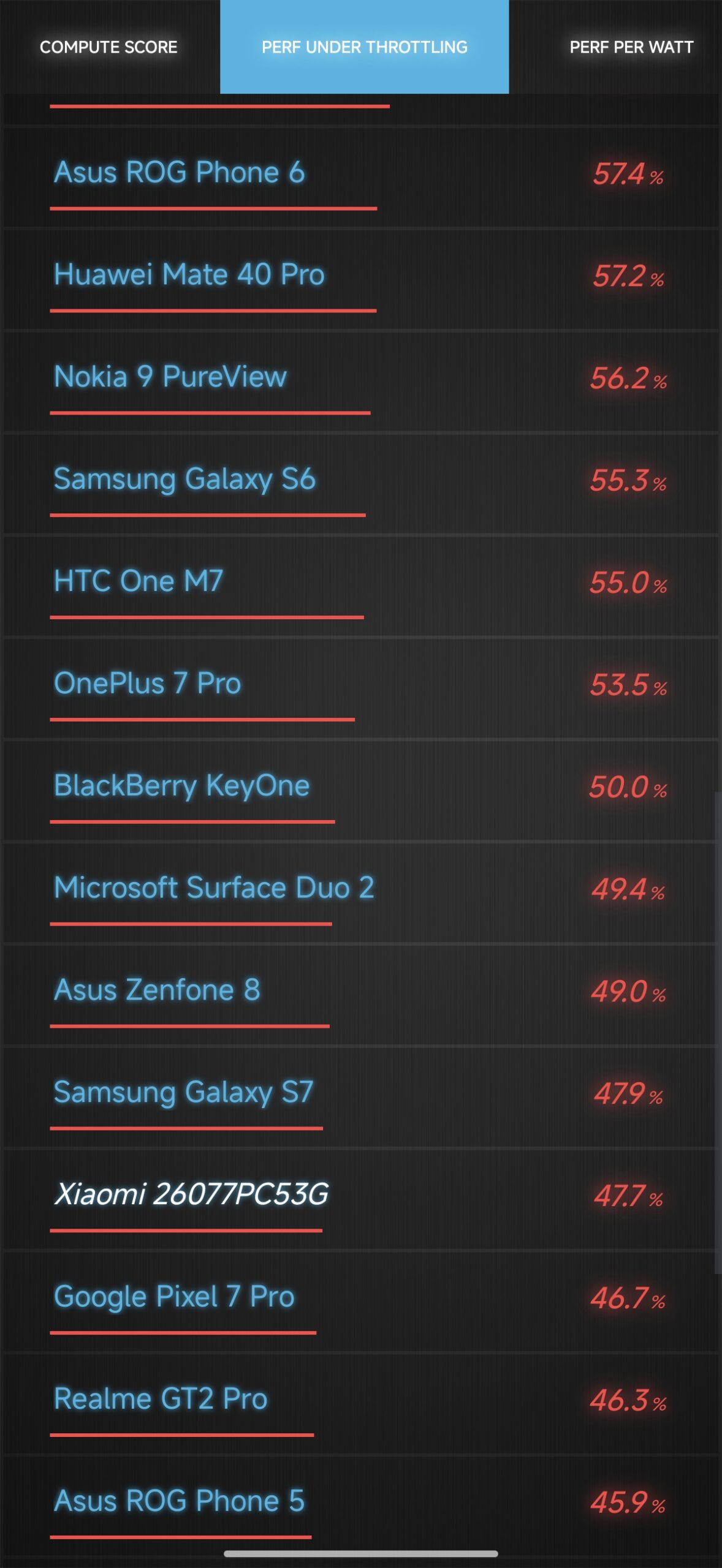
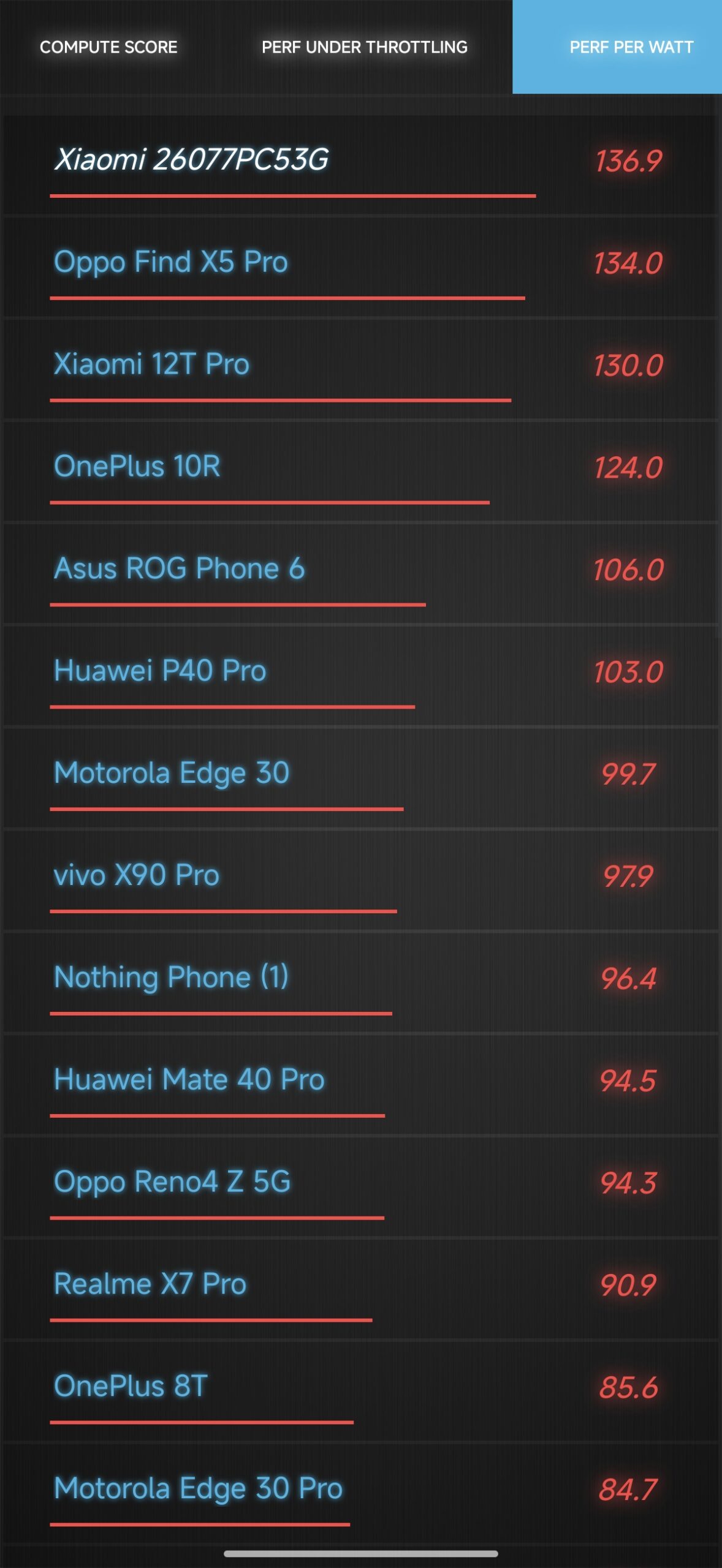
Evidently, it’s some kind of software bug in the permission system in the new HyperOS 3.0, which inexplicably and completely without reason blocks access for specific benchmark apps to the internet—effectively preventing their proper use. We hope this issue will be fixed in one of the next system updates. We were curious about the final AnTuTu score, but unfortunately we couldn’t get it.
HyperOS 3.0 (Android 16) and a massive wave of AI features
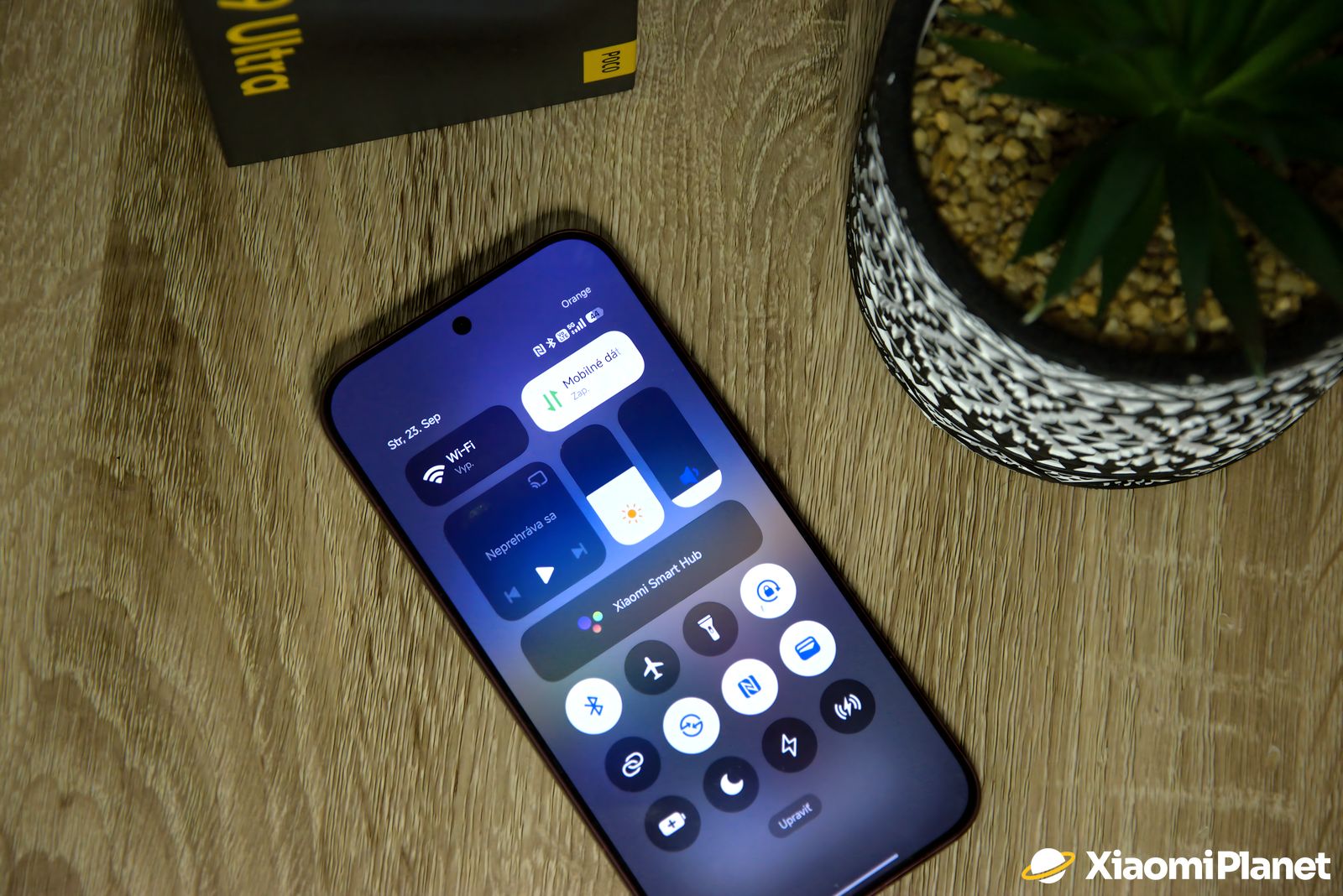
The software heart of the whole smartphone is the latest iteration of the user interface, Xiaomi HyperOS in version 3.0, built on the newest operating system Android 16. If you’ve ever used phones from this brand, you’ll feel right at home here. The system looks very similar to its predecessors, but it feels exceptionally clean, polished, and modern.
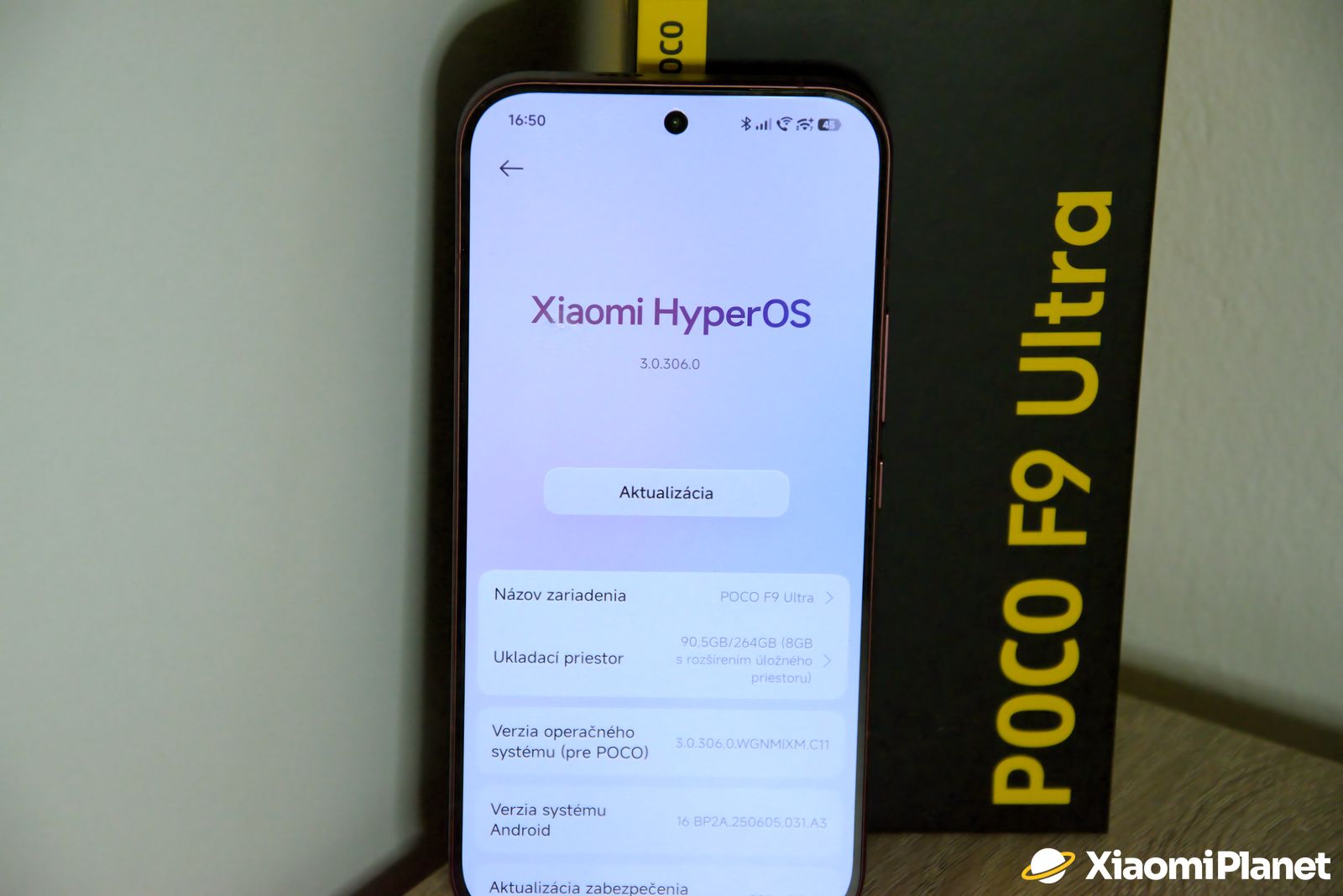
What impresses you most, though, is its extreme smoothness. Thanks to solid processor performance and a fast display, all animations are fluid, and throughout testing we didn’t notice any stuttering, lag, or—God forbid—slowing down of the interface. The device responds to your touches instantly, switching between dozens of open apps is immediate, and the overall user experience is on the highest flagship level. Too “flagship”, however, doesn’t come across thanks to the sheer number of preinstalled third-party apps.
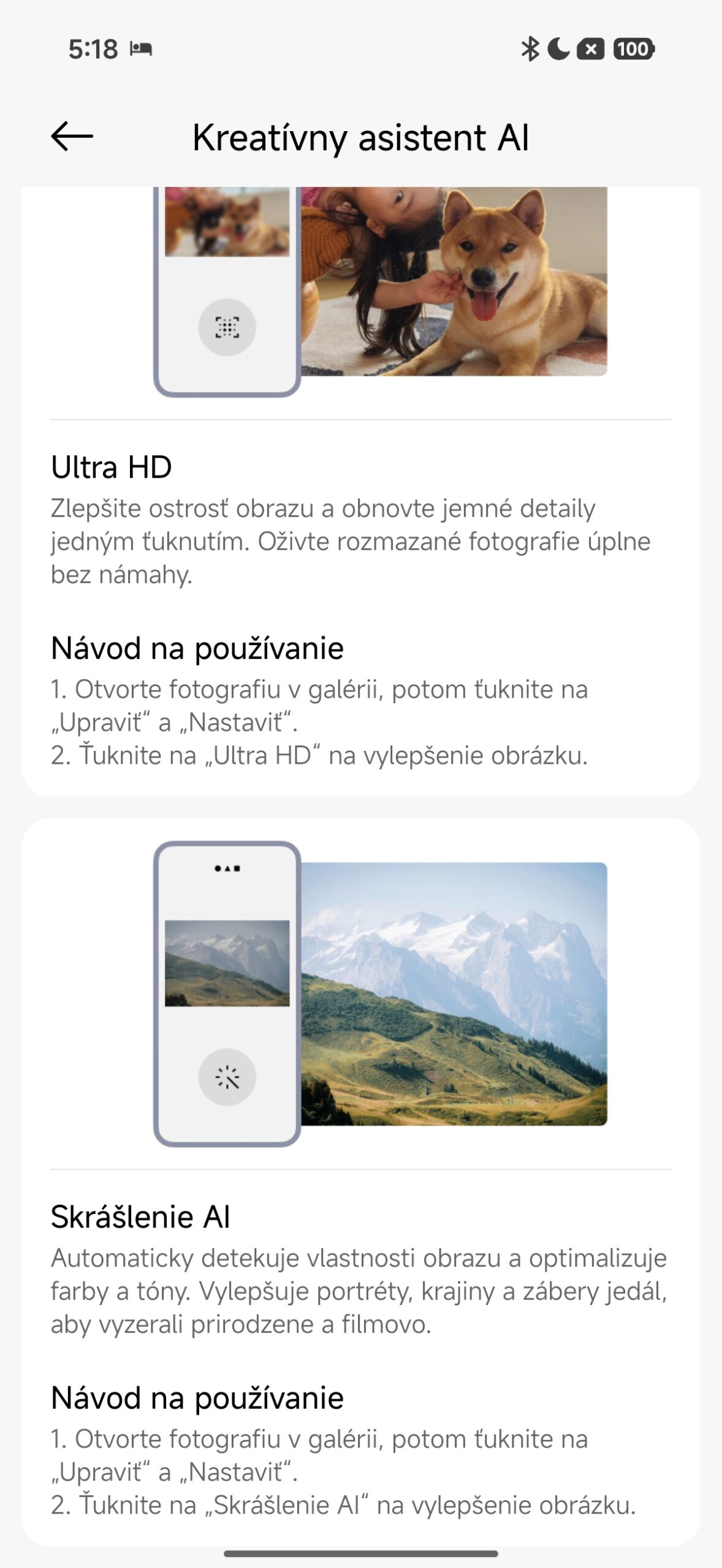
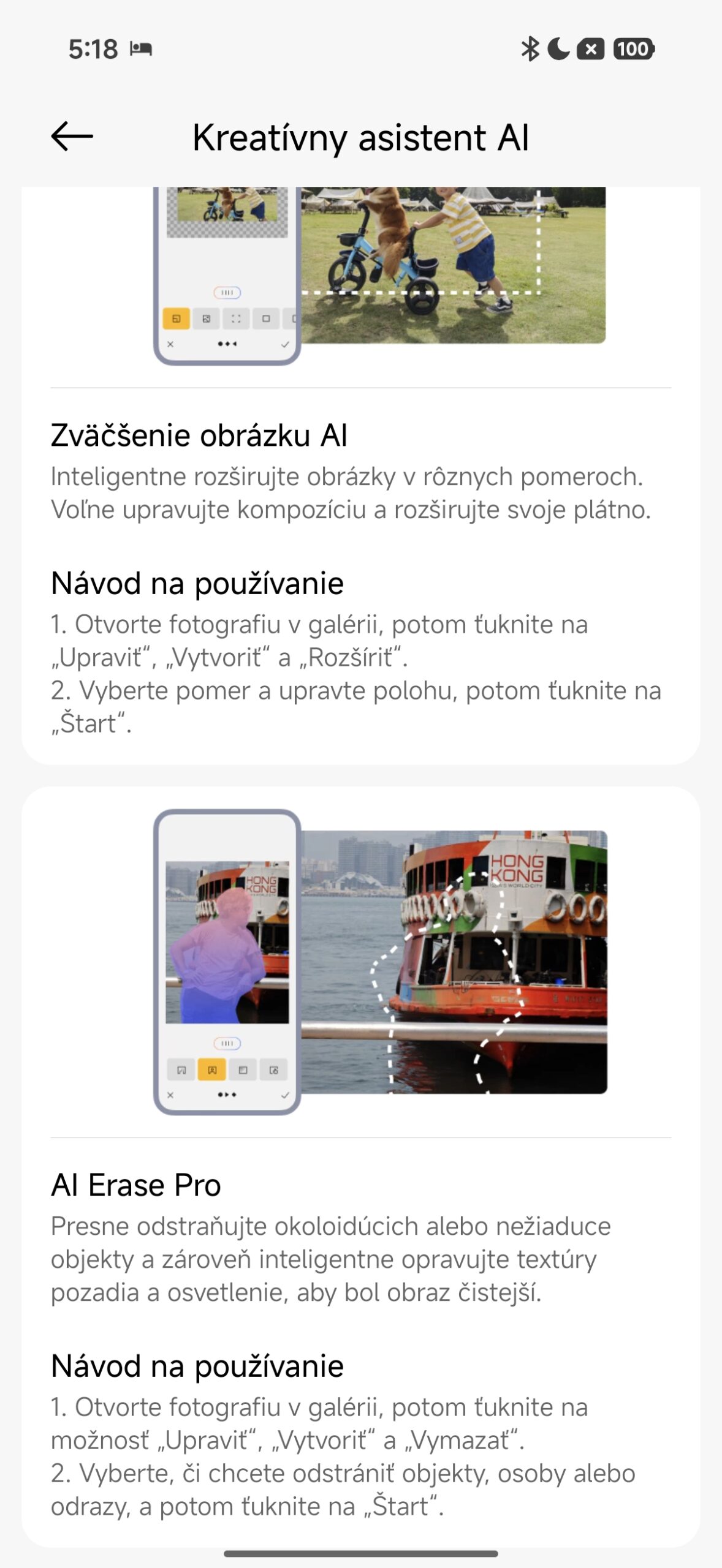
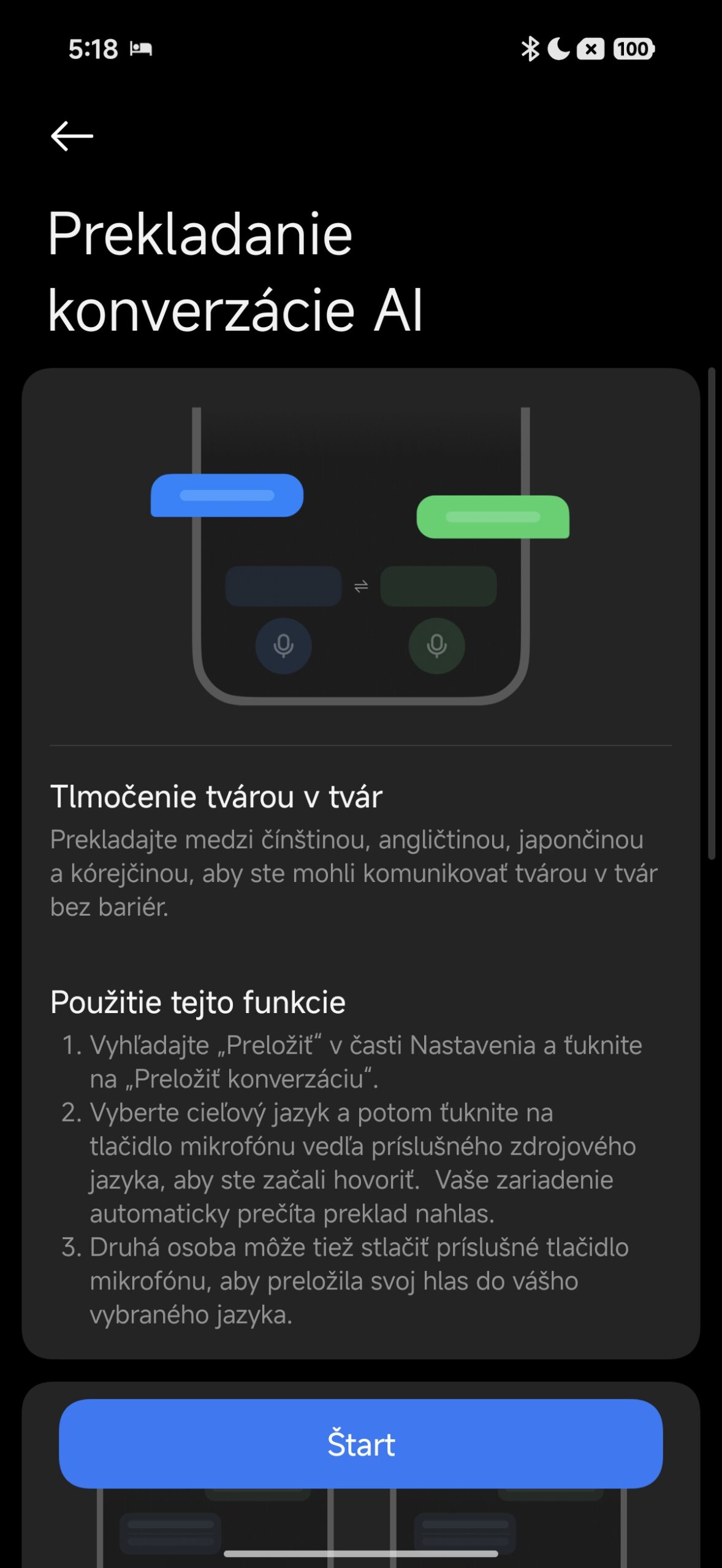
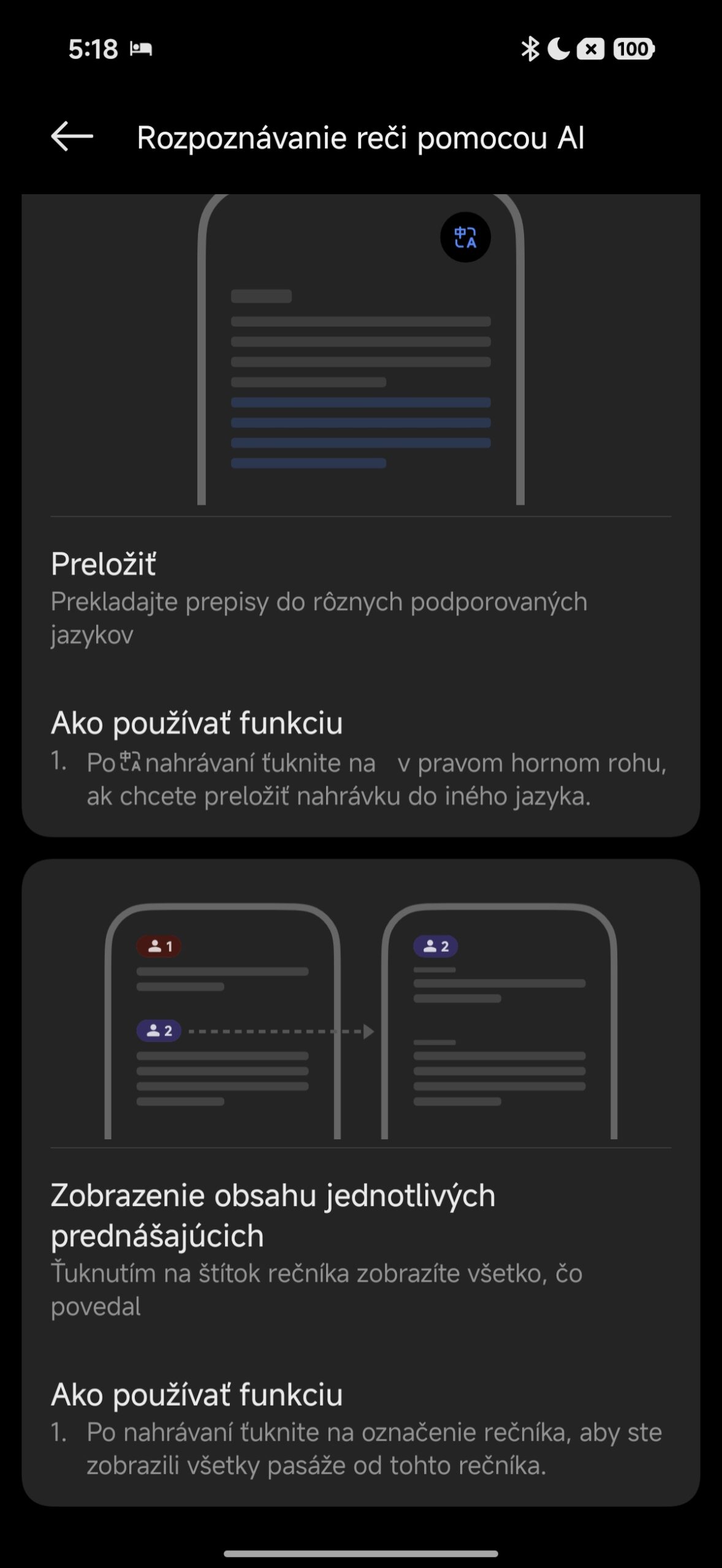
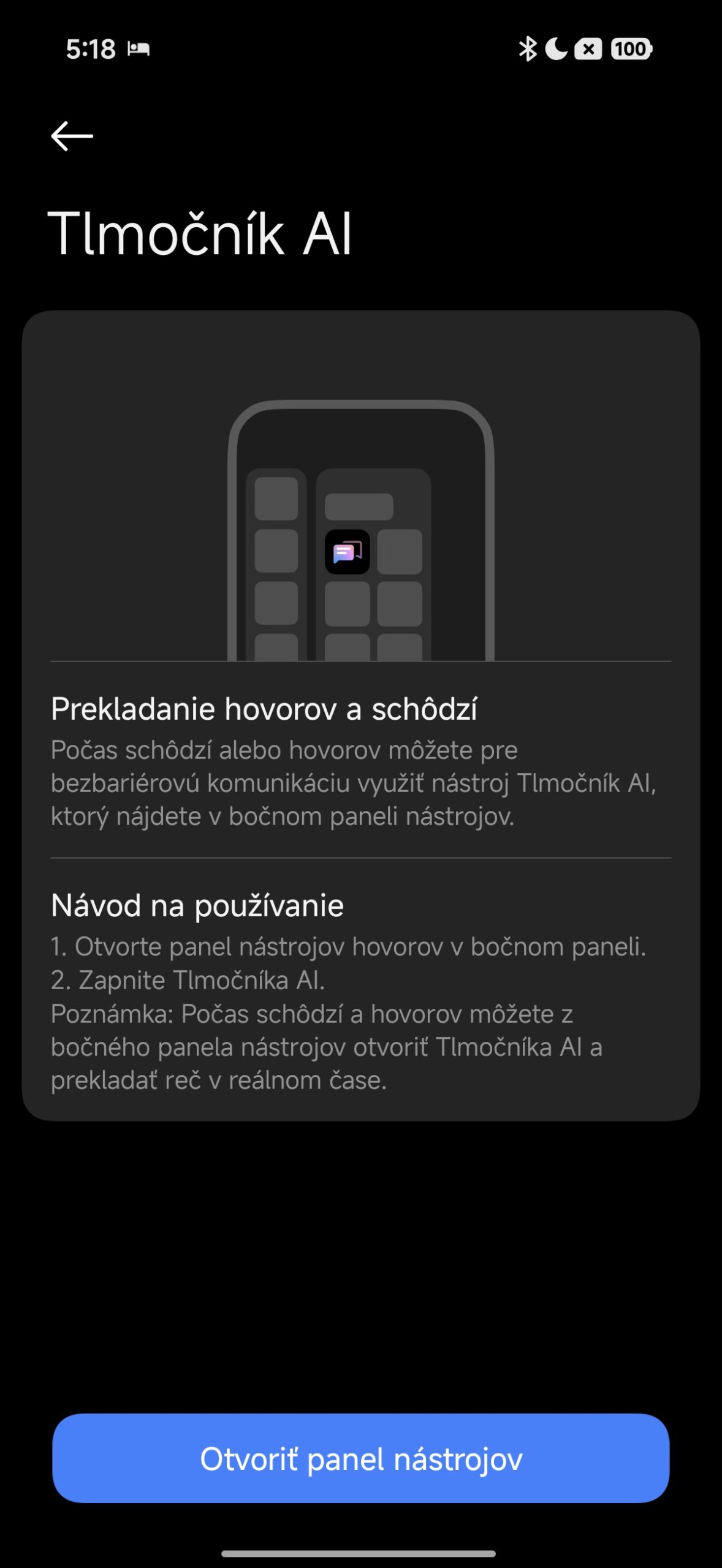
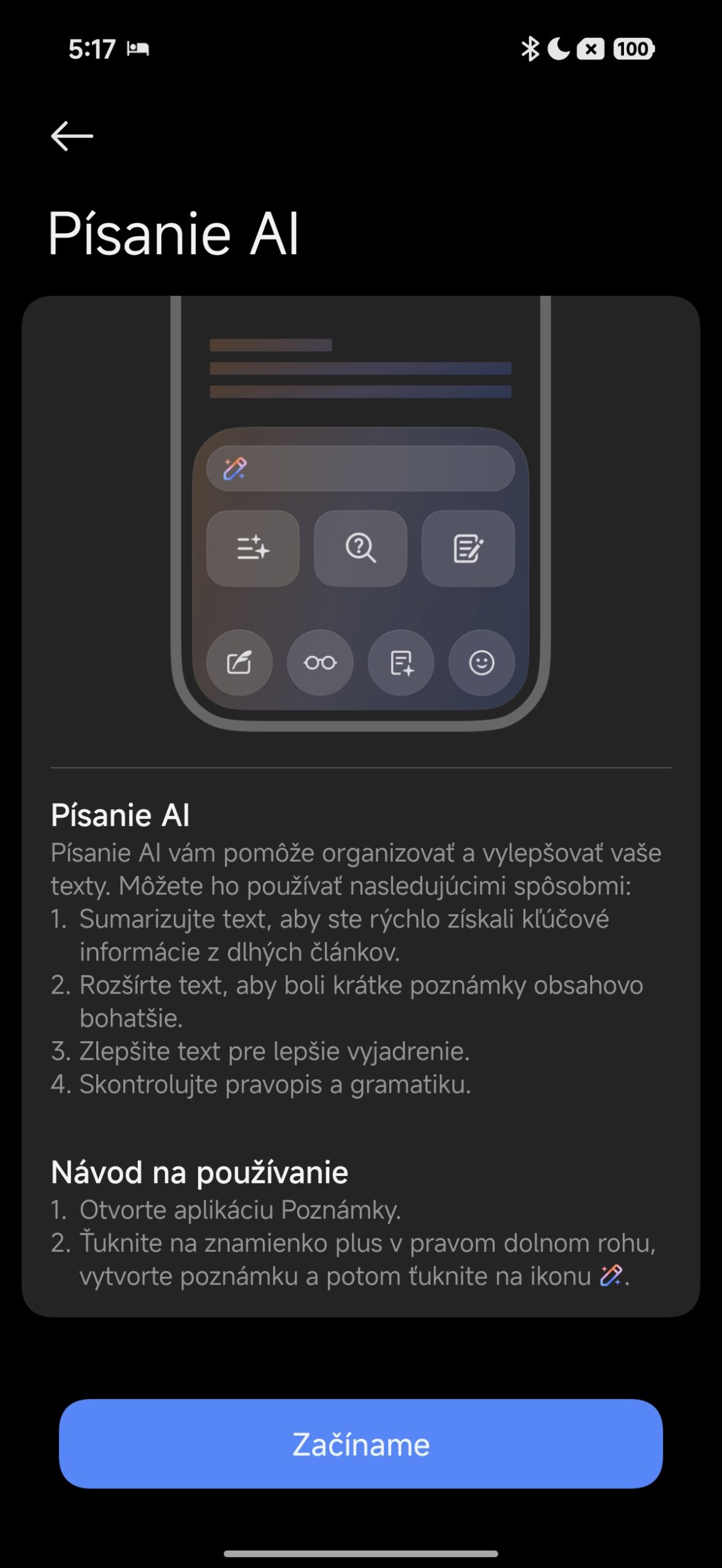
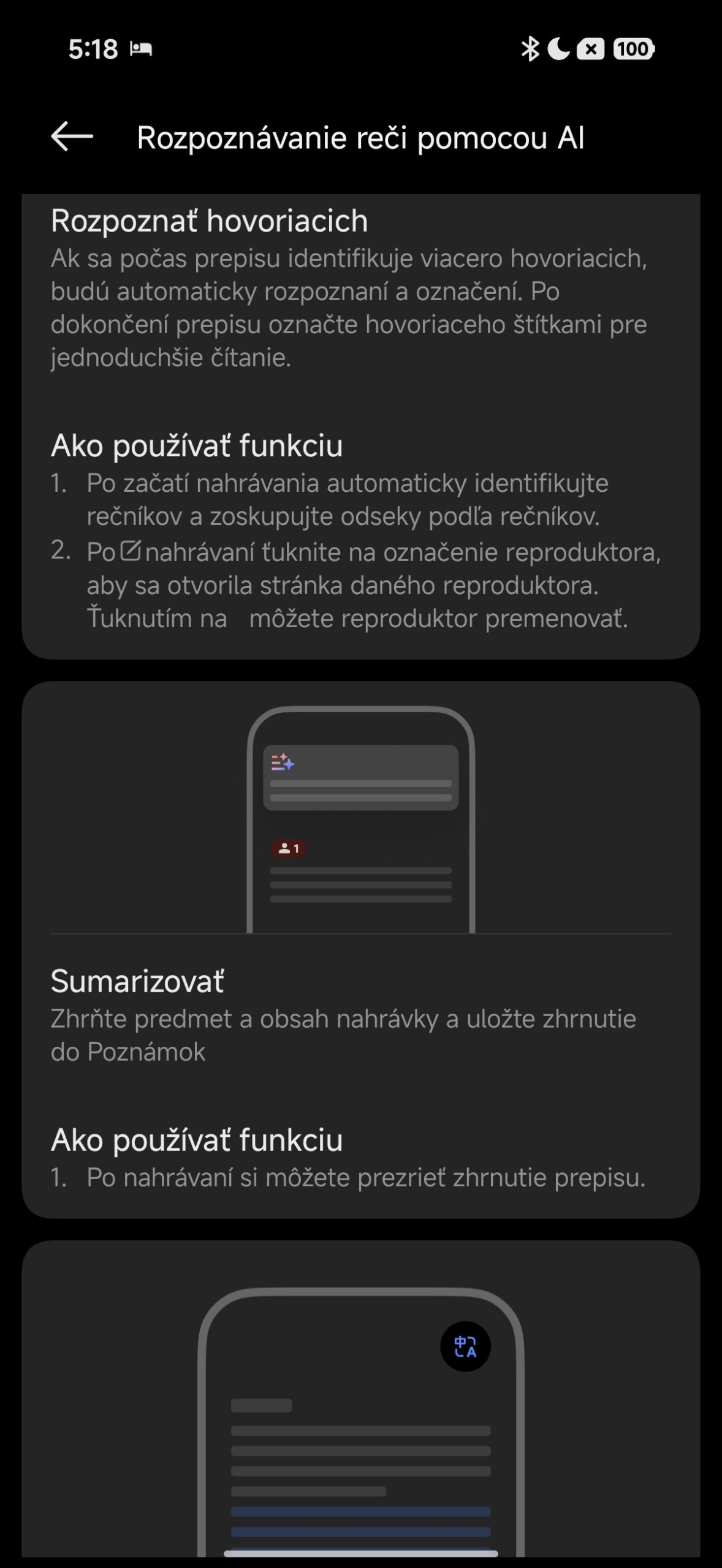
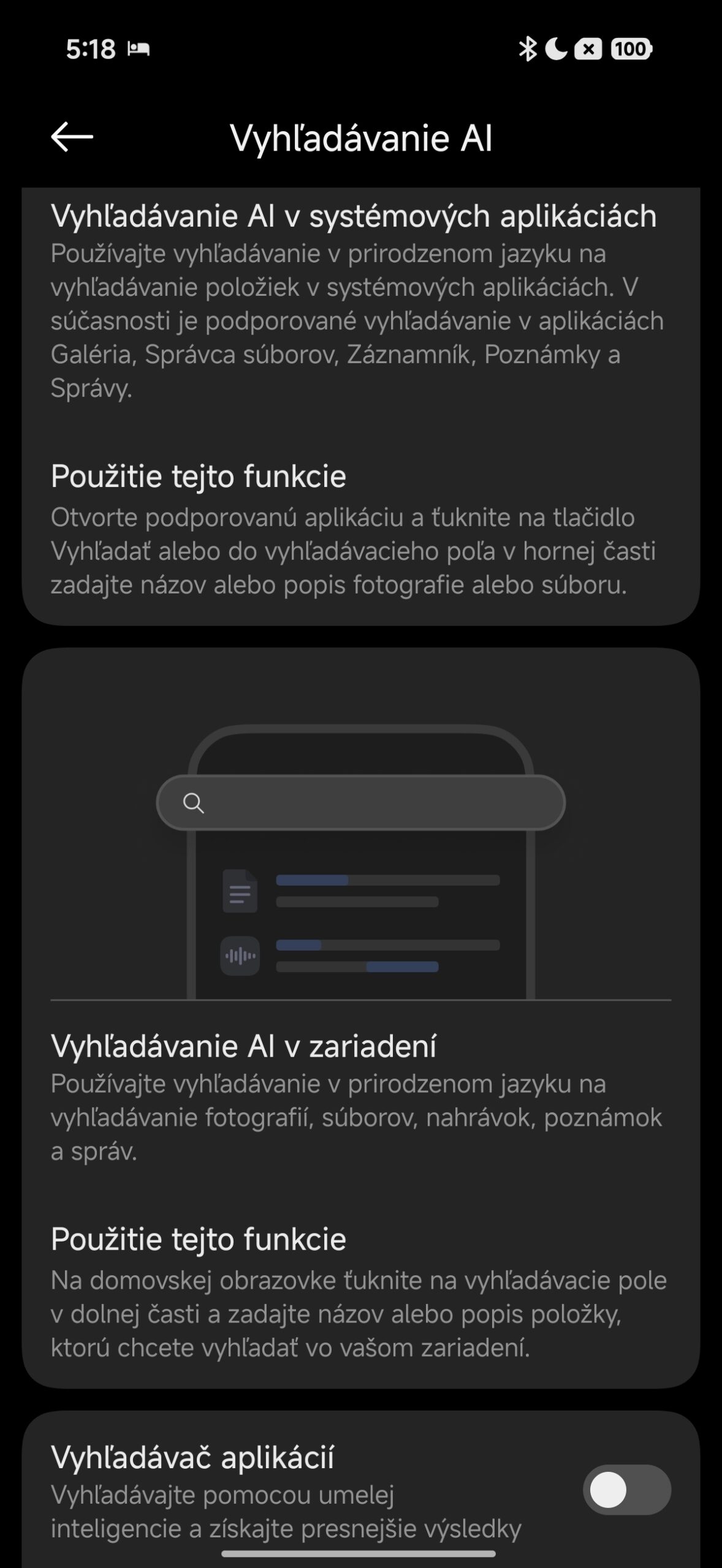
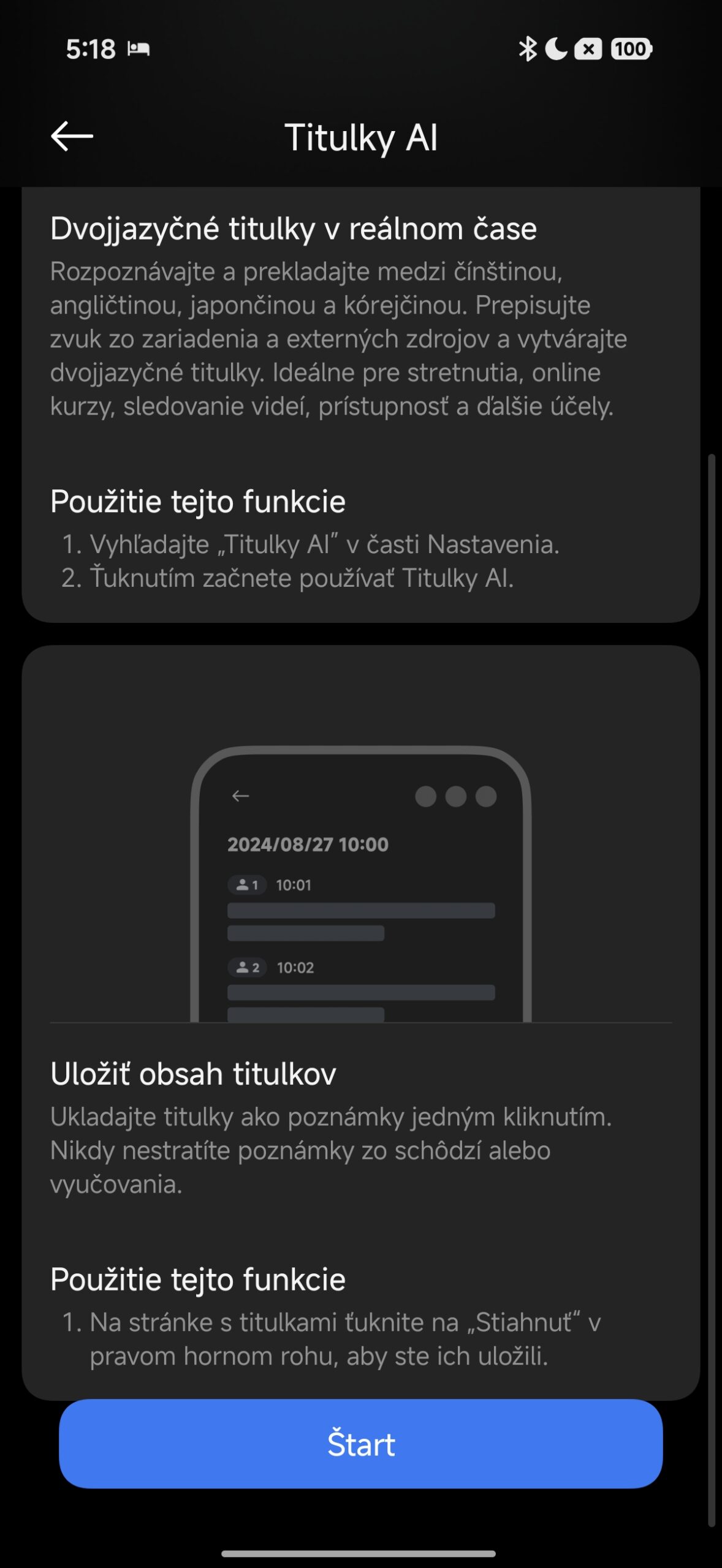
This generation puts a big focus on extensive integration of artificial intelligence. All these smart features can be found in settings, neatly organized under one roof called Xiaomi HyperAI (see the screenshots below).
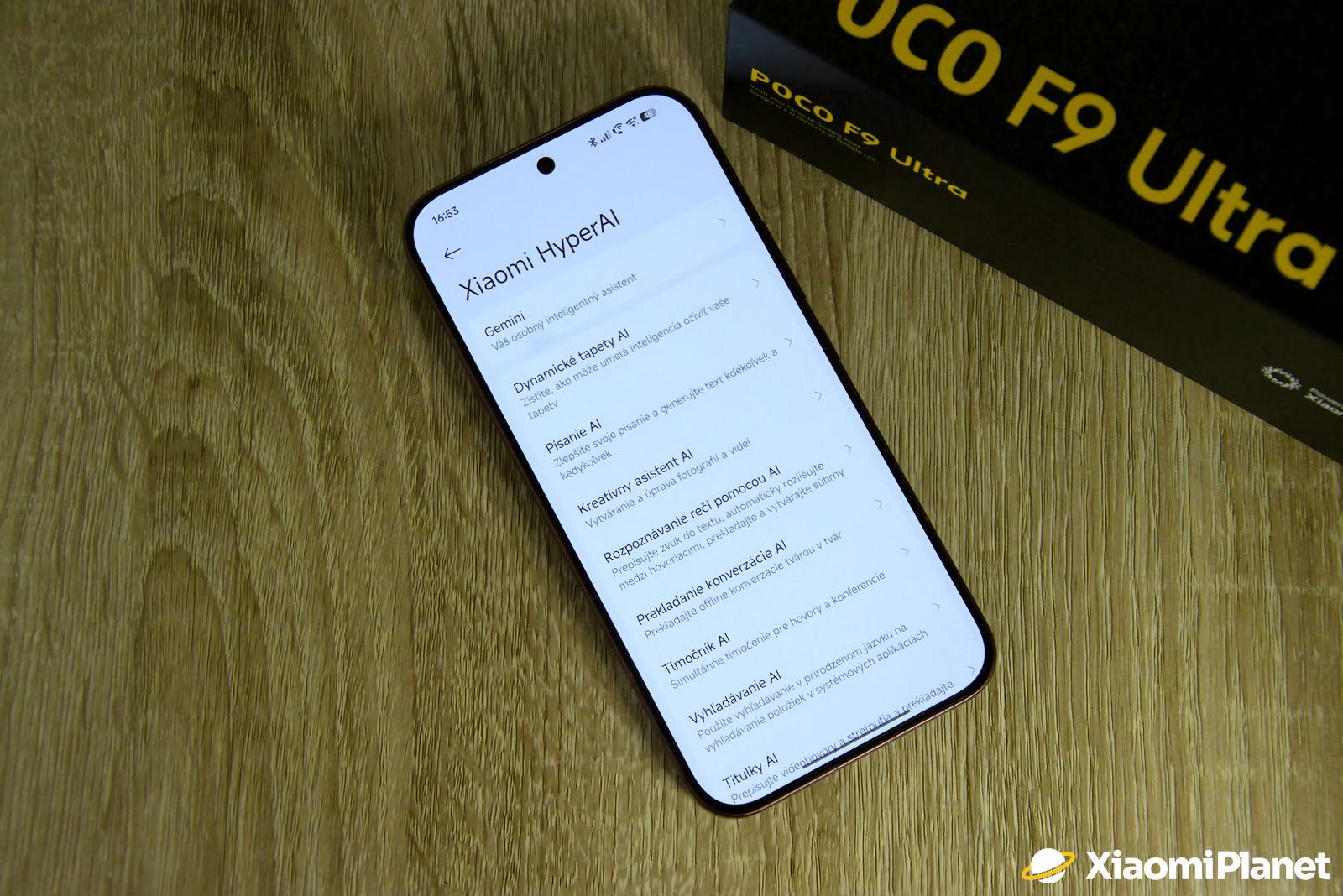
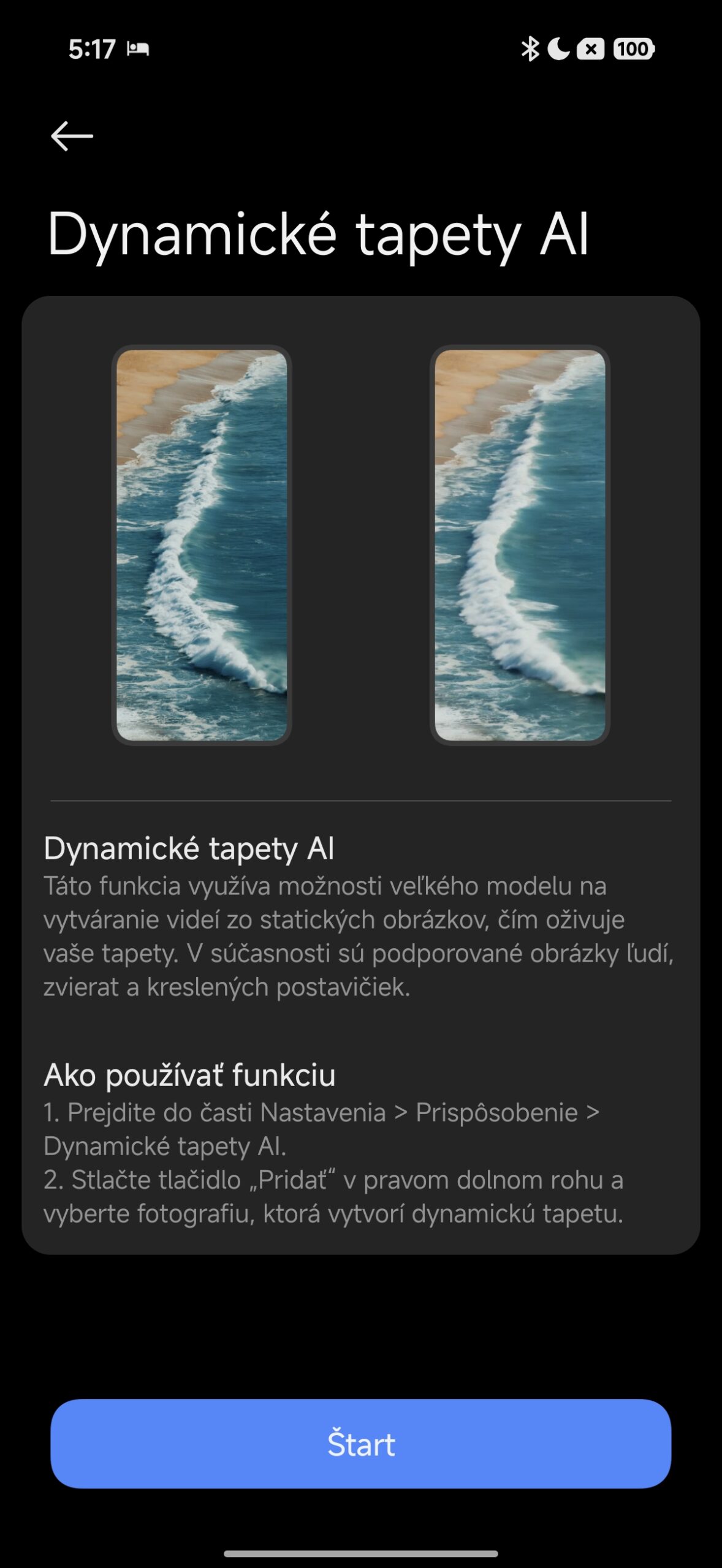
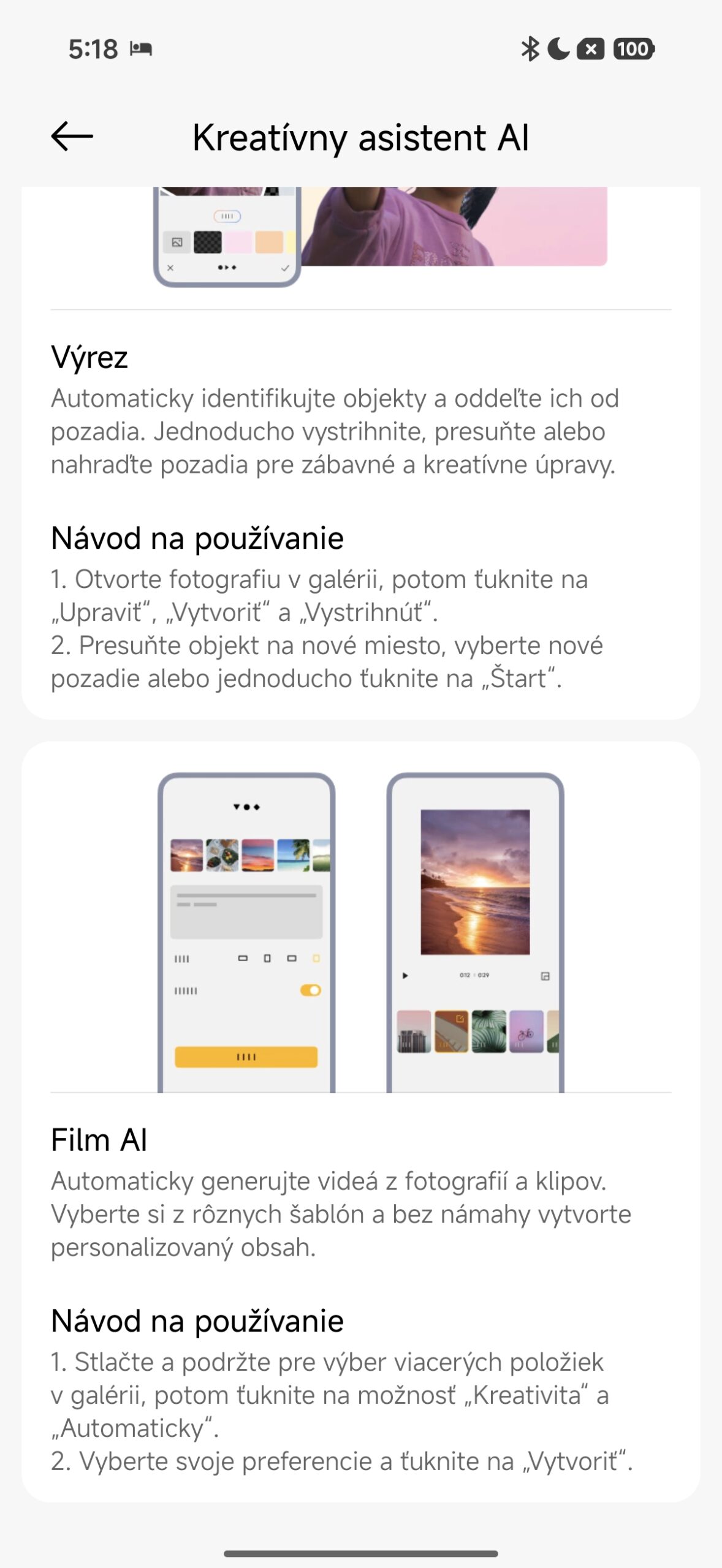
But AI is also taking over the creative and visual side. Right on the home screen, you can use AI Dynamic Wallpapers, which—thanks to clever algorithms—turn your ordinary static photos (for example, of animals or people) into impressive, animated videos and give your phone a whole new dimension. And for editing photos and videos, you can rely on an AI Creative Assistant built right into the gallery.
That lets you sharpen blurry footage in one tap with Ultra HD, intelligently remove unwanted objects and passers-by using AI Erase Pro with automatic background fill, or even expand photo edges with the AI Image Enlargement feature. You also get automatic video clip generation (AI Film) and quick object cutouts from the background (Cutout). HyperOS 3.0 puts powerful tools in your hands that you’d only used to need a high-performance PC and professional software for. Of course, most individual AI tasks are processed in the cloud.

Cameras: 200 MPx with a few steps on the side
A standout rear module with three sensors takes care of your photo gear. The main highlight is an all-new sensor with an impressive resolution of 200 MPx. It also impresses with top-tier optical image stabilization (OIS). A 32 MPx front camera handles the quality of your selfies.
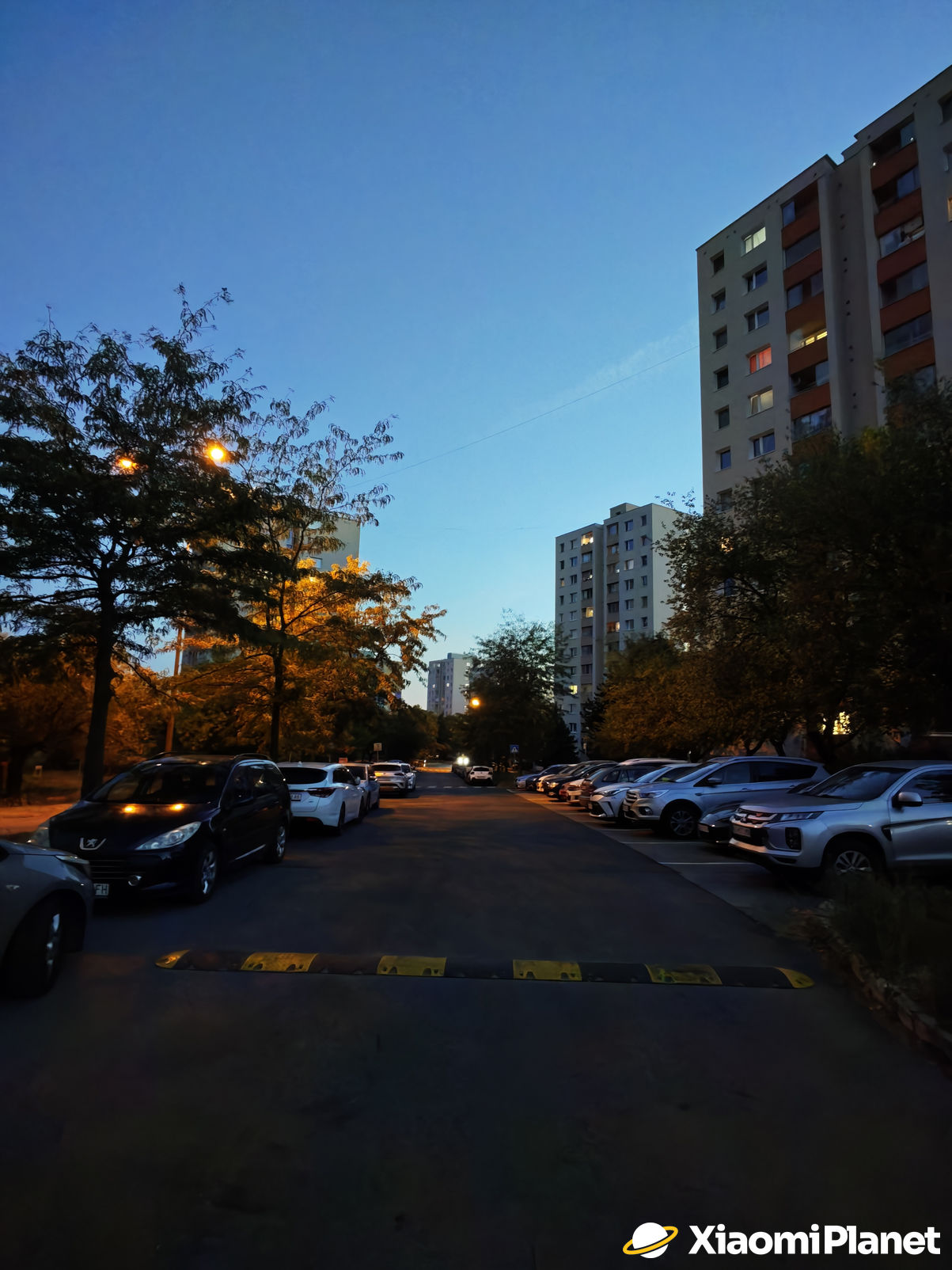
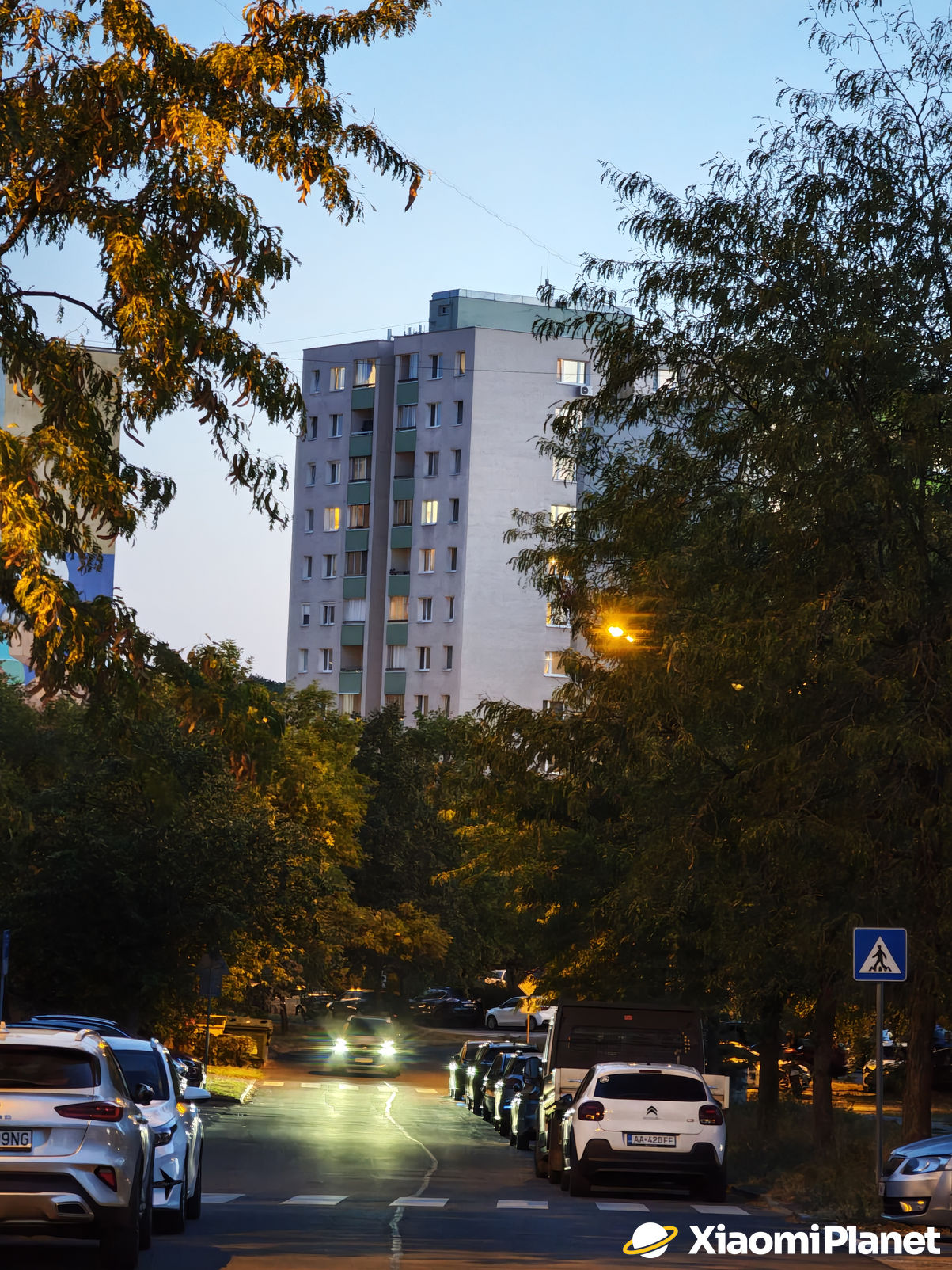
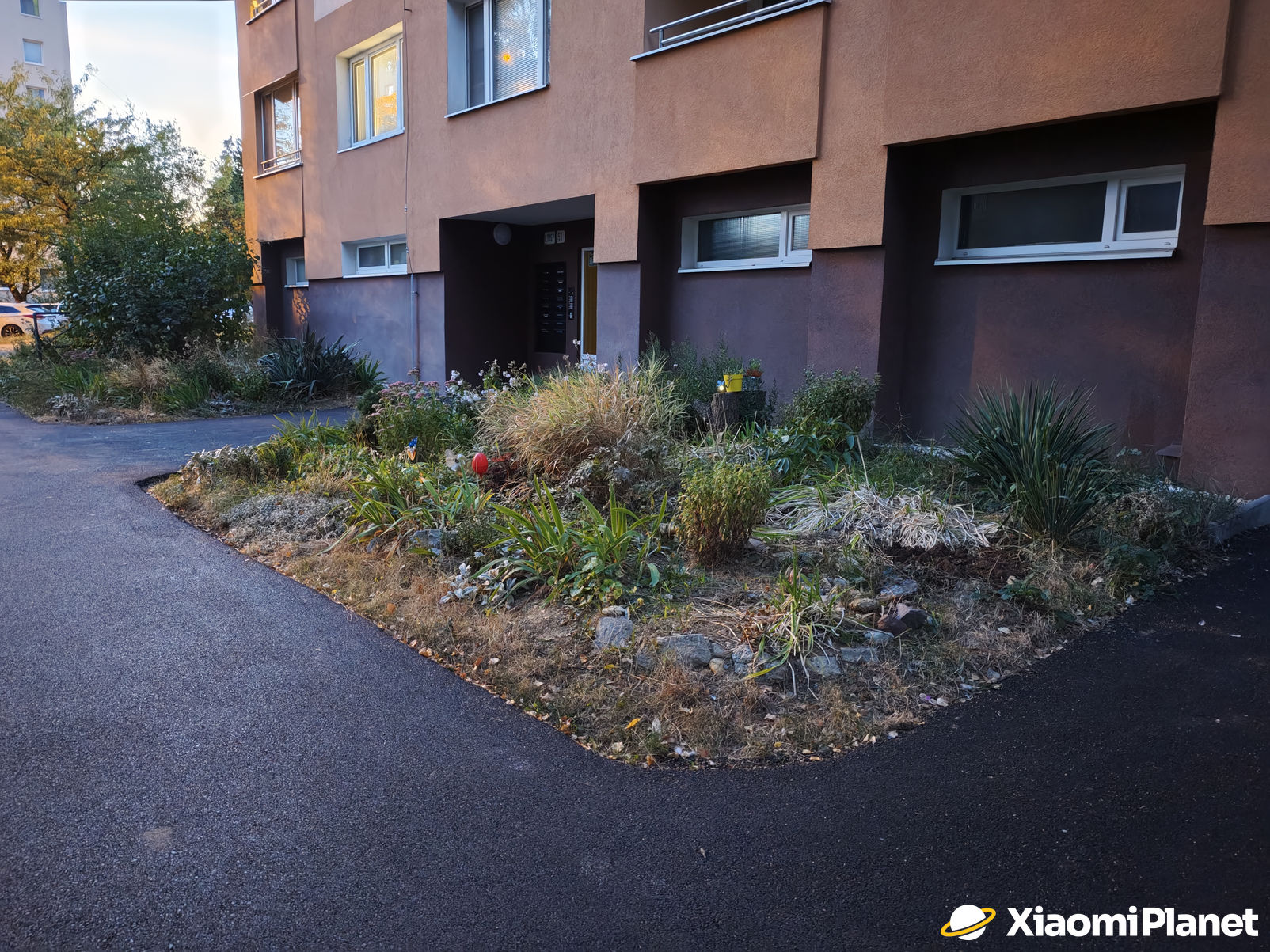
By default, the camera combines pixels (so-called pixel binning) and produces photos at a resolution of 12,5 MPx or 50 MPx. The resulting daytime shots are fantastic—featuring an exceptionally wide dynamic range, a huge amount of accurate detail, and, unlike older generations, a very sensible, natural color saturation.
The images don’t look “overexposed”, but in our opinion they sometimes look a bit like cartoons. Colors are unnaturally vivid, shots with tree branches look somewhat soft, and when combined with a brighter sky, details get lost. If you switch to the full 200 MPx mode, you’ll get photos with a high level of fine detail—great for shooting landscapes or architecture. Just be ready for massive file sizes (often 50 – 70 MB per photo), which quickly eats into your huge storage.
The second camera in the lineup is a 50 MPx periscope telephoto lens with 5x optical zoom, which also includes optical stabilization. It delivers fairly sharp shots at 10x hybrid zoom, although on closer inspection in worse lighting conditions, textures can sometimes look slightly “drawn” and are software-computed.
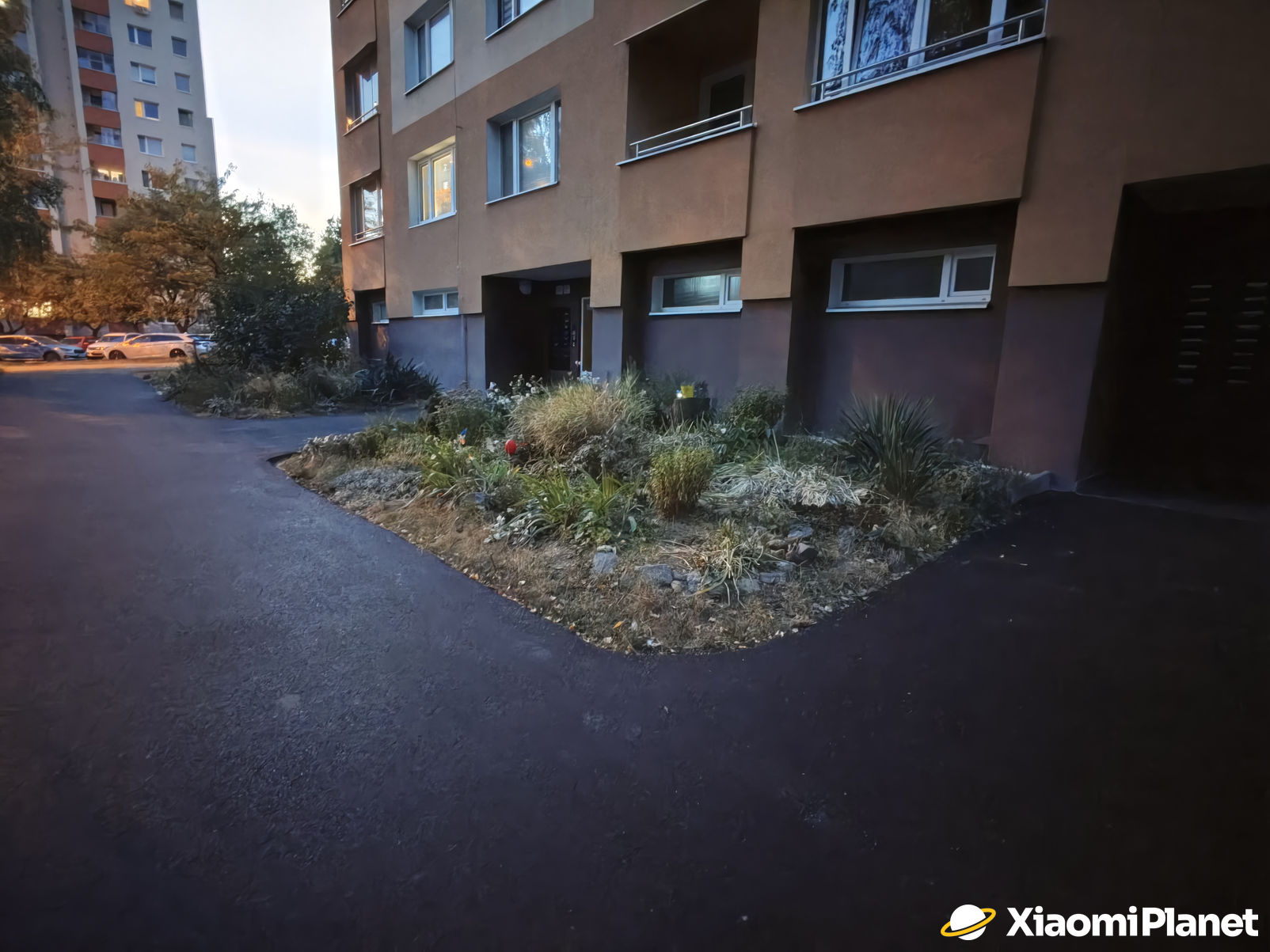
The third—and unfortunately least successful—lens is the 50 MP ultra-wide-angle camera with a 102-degree field of view. During the day it delivers consistently very decent photos, but as light levels drop and at night, its quality rapidly goes downhill. What’s most baffling, and what we absolutely have to criticize the manufacturer for: this sensor has been completely stripped of autofocus functionality. That means capturing sharp details in macro shots using the wide-angle (which is a standard in this competition) is practically impossible with this “ultra”. We’d also criticize the random color inconsistency after switching lenses.
Video lovers, on the other hand, will enjoy it. POCO F9 Ultra lets you record video on the main sensor in an extreme resolution of 8K at 30 frames per second. All the other cameras handle top-notch, beautifully stabilized 4K video at 60 fps without a problem, and there’s also support for HDR10+ and a professional LOG profile with the option to apply LUT tables directly in the viewfinder—turning the phone into a very capable tool for casual video creators.
Test photos:














































Test video:
Battery & charging: From initial concerns to an unending marathon
What POCO F9 Ultra writes into the tech specs in bold letters—and that lets it beat virtually all of its competition—is the implementation of a massive battery using the latest silicon-carbon (Si/C) technology with an enormous capacity of 8050 mAh. From a battery of this size, we logically expected a lot in terms of endurance, but our initial findings mildly scared us.
In the first few days of use, we constantly monitored the stats and graphs—they looked absolutely terrible. The battery drained quite quickly, and we were disappointed that the theoretical capacity didn’t translate into real-life performance. As it turned out, this was the classic and very noticeable drawback of a fresh system: aggressive background indexing, memory optimization, and initial processes that literally drained power—not only right in front of our eyes, but especially in the background when we weren’t actively using the phone.
Once, after roughly two days, the system optimized its operation and ended background processes, a little bit of magic happened and the battery life improved radically. The phone suddenly turned into a true tireless performer. Proof of great optimization in everyday multimedia use is, for example, our test with YouTube video playback: an hour and a half of uninterrupted high-resolution video cut only a negligible 6 % from the huge battery.
For typical daily use that includes constant checking of social media, taking photos, browsing the web, and occasional navigation, you won’t have any problem getting through two full comfortable days of operation without even thinking about charging. With traditional usage, you can reach slightly under 10 hours of on-screen time. It depends heavily on the specific activities—gaming can really take a toll on the battery due to the aggressive chipset.
When the percentages inevitably drop to zero, the phone comes equipped with fast 100 W wired charging and 50 W wireless charging. There’s also reverse charging for topping up your earbuds from the back. Thanks to the massive battery capacity, a full charge doesn’t take the magical 20 minutes like it does on phones with much smaller batteries—but you can still “squeeze” a full 8050 mAh “into it” within 1 hour.
Connectivity: Full field power with Wi-Fi 7, plus surprisingly capable Bluetooth 6.0
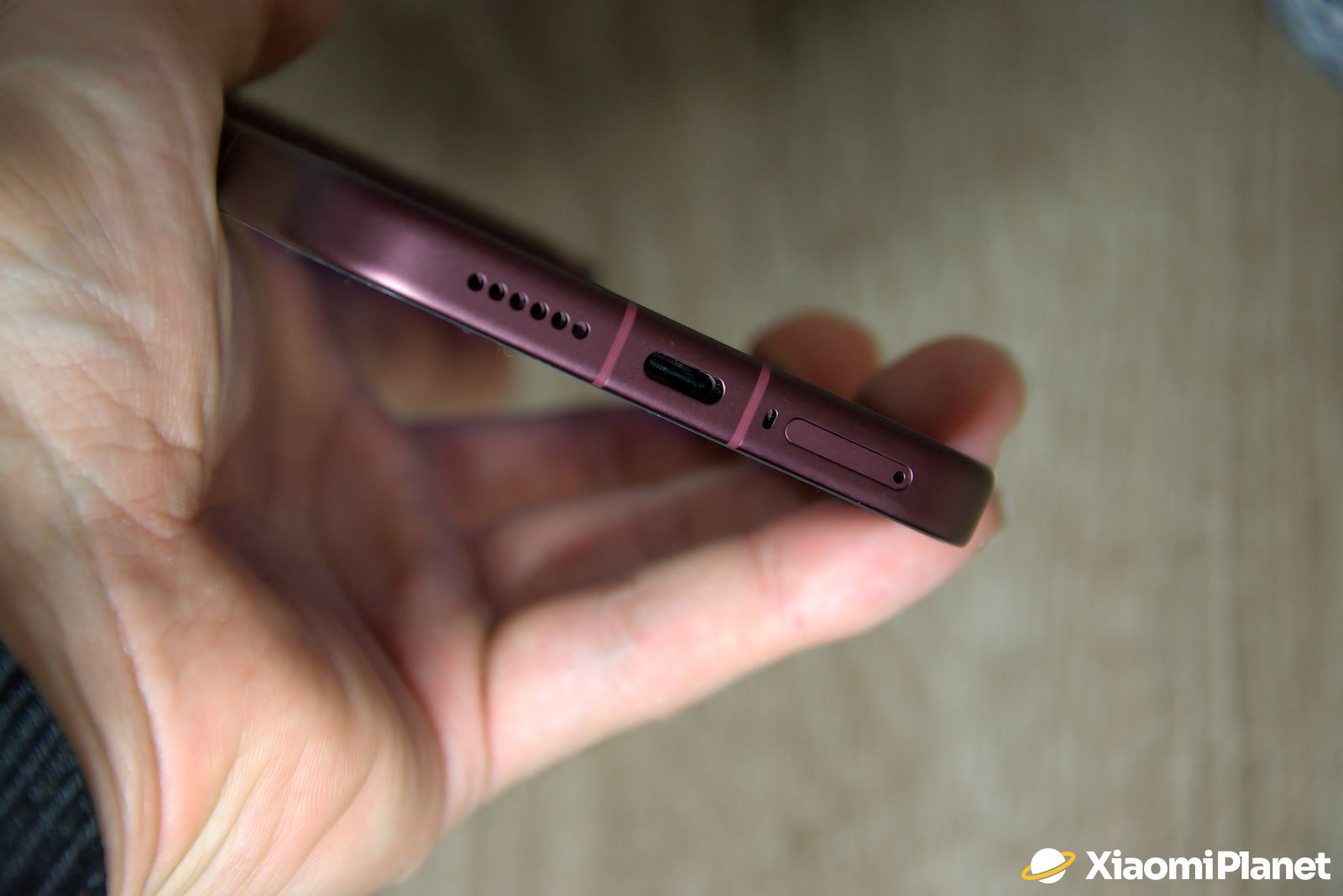
In the connectivity department, the manufacturer left nothing to chance and equipped the POCO F9 Ultra with almost everything you could ask for from a modern flagship. Of course, it includes support for the fastest 5G networks. The phone offers a slot for two physical nanoSIM cards, and it also supports eSIM—so you can use two numbers for incoming calls based on your preferences at the same time.
The latest Wi-Fi 7 standard handles your wireless connection to the world, although there’s a slight paradox here: there’s no support for the less crowded 6 GHz band. What will definitely please you, though, is the implementation of the newest Bluetooth 6.0 standard with support for Auracast, Dual-Bluetooth, and top audio codecs like LHDC 5.0 or aptX Adaptive/HD.
You also get full-fledged NFC for contactless payments in stores, plus the traditional Xiaomi bonus—an infrared port (IR blaster) for controlling home electronics like a TV or an air conditioner. Physical connectivity is covered by a fast USB-C 3.2 port (Gen 1), which supports not only quick data transfers (up to 5 Gbps), but also video output via DisplayPort—something that’s definitely appreciated in this class. You won’t find the classic 3,5 mm audio jack or FM radio here.
Final assessment: Pure muscle for demanding users, with a couple of touches of beauty
POCO F9 Ultra is a smartphone that can’t be described with a single simple word. It’s an exceptionally ambitious, hardware-powerful device that’s taking its own—even at times wild—path. With its top-tier specs, it clearly targets the premium category of flagship phones, yet it still manages to keep its price noticeably lower than the giants from Samsung, Apple, or even its parent company, Xiaomi.
Among its absolute strong points is unmatched 2.1-channel sound from BOSE with an integrated rear subwoofer and stylish LED backlighting—turning it into the perfect pocket machine for consuming multimedia.
Another huge draw is the excellent, extremely bright 6.9-inch AMOLED display under direct sunlight, the brutal performance of the Snapdragon 8 Elite Gen 5 processor, ultra-fast storage up to 1 TB, and of course a massive 8050 mAh battery, which—after the initial software “settling-in” period—rewards you with fantastic, absolutely carefree battery life at the level of two days.
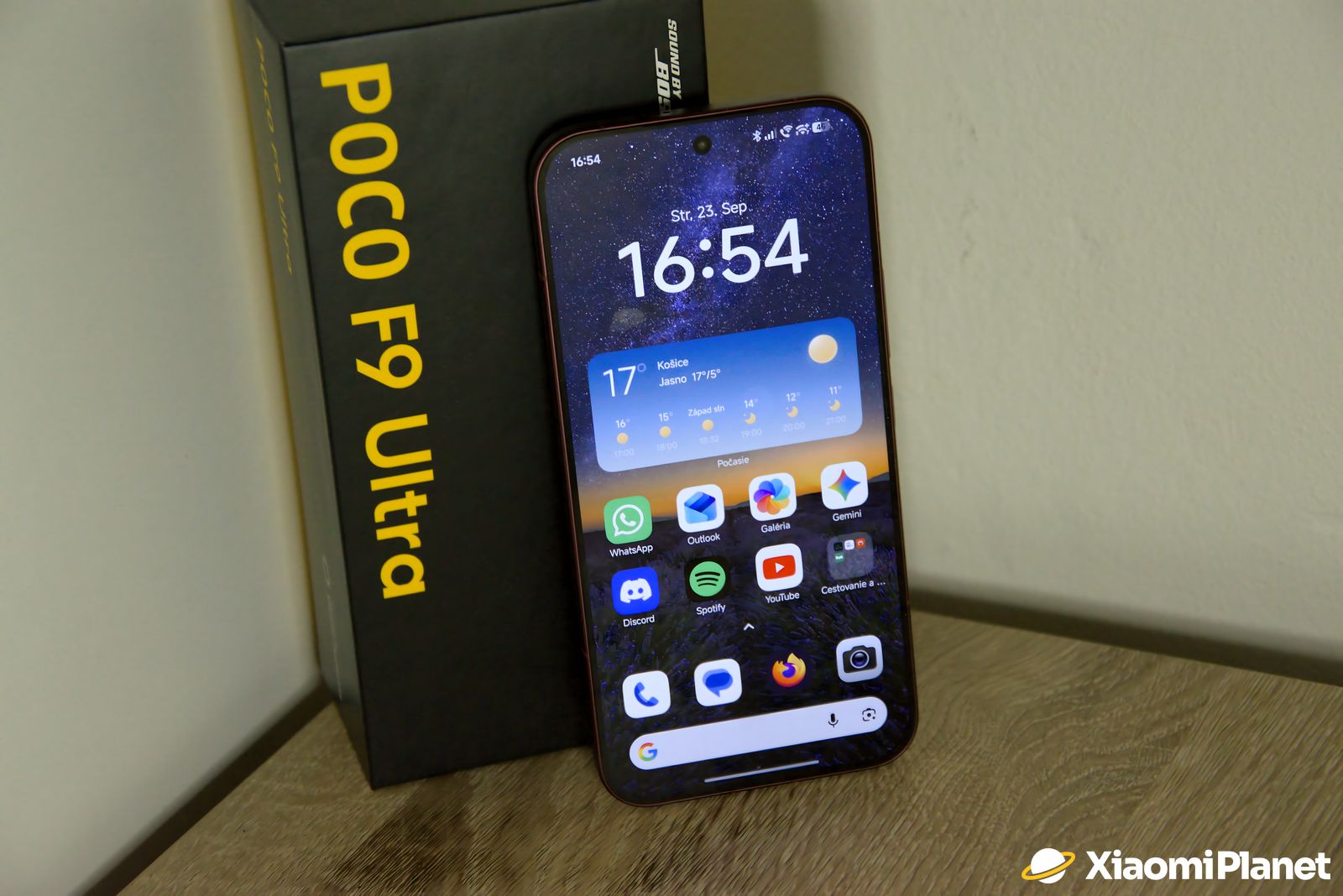
However, nothing is perfect, and this model too has its undeniable trade-offs. You’ll have to come to terms with the truly high weight and the overall ruggedness of the device (235g), which is uncomfortably heavy in your pocket and just doesn’t belong in smaller hands.
The disappointment is definitely the missing autofocus in an otherwise solid ultra-wide camera, which makes nice macro shots impossible. What also unsettled us was the mysterious software “anti-cheating” blocking of the internet connection for benchmark apps in an otherwise very smooth, feature-packed system with HyperOS 3.0.
So if you’re one of those tech enthusiasts looking for an uncompromising multimedia powerhouse and love watching movies with loud, high-quality sound straight from your smartphone, enjoy advanced features (including AI) and above all want massive battery life, POCO F9 Ultra is exactly made for you—and we can clearly recommend its purchase in this price range. It will give you exactly that raw, unfiltered performance you’ve always come to expect from the POCO lineup.
But if you’re a more conservative user who prefers compactness, light weight, perfectly tuned software without minor bugs, and uncompromising cameras in any conditions—including the toughest ones, with a top-tier wide-angle sensor—then you might be better off going for the classic flagship models from established competitors, even if they’re a bit more expensive.
To get more updates from the world of Xiaomi, keep following our Xiaomi Planet website. Join our Facebook group, where we build an active community and help each other out. Subscribe to our Telegram as well, where we add the best deals and coupons from China every day.
Don’t miss the best coupons 📩
Subscribe and we’ll email you new coupons before they expire. We only send it once a month — no spam.