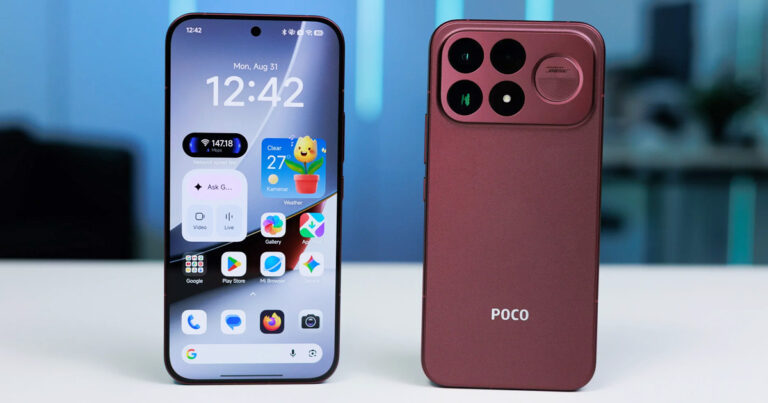

Many tech fans in discussions come across the topic of photo quality decreasing on a smartphone over time. But what’s really the deal? Can photos lose detail or quality over time? Does your camera wear out? We’ll try to find the answers to these questions in today’s article.
How does the smartphone camera work?
At the heart of every camera is its sensor—the electronics that turn light into digital images. These sensors, made with years of experience, with precision and finesse, consist of tens of thousands up to hundreds of thousands, or even millions of pixels.

Modern camera sensors are designed to deliver long-lasting quality. They use durable materials, and during manufacturing, cutting-edge technologies are applied to ensure satisfying results with every press of the shutter button.
Two main factors contribute to the durability of camera sensors:
1) Advanced manufacturing and quality
- Phone makers invest a lot of resources into research and development, refining the art of sensor manufacturing. Using advanced materials and robust production processes ensures that camera sensors are built to stand the test of time.
2) Optimized software updates
- Frequent software updates bring not only exciting new features, but also optimize the performance of camera sensors. These updates often include improvements to image processing algorithms, better image quality, and the overall functionality of the camera.
Impact of usage on photographic sensors
Even though it’s true that modern smartphone sensors are designed for long service life, it’s essential to mention that all electronic devices, including cameras, age over time. In this process, specific usage plays an important role, because sensors are constantly exposed to different light intensities and a steady flow of electrical current.
Light intensity – Exposure
Whenever the camera is used to capture a photo, its sensor is exposed to varying light intensity. Over time, this exposure can lead to subtle changes in the sensor’s sensitivity to light, which may affect image quality under certain lighting conditions.

Continuous electrical current
The camera sensor is powered continuously by an electrical current during photo capture and image processing. While manufacturers take steps to minimize heat generation and energy consumption, this constant exposure to electrical current can, over time, contribute to gradual wear.
How to extend the life of components?
If you want to ensure the longest possible lifespan of your camera components—and thus the highest output quality throughout the device’s lifecycle—consider these tips:
Gentle handling: The sensor is sensitive to shocks—handle your smartphone with care, and avoid unnecessary bumps or jolts
Protective case: Invest in a quality smartphone case that provides adequate protection against accidental drops or impacts
Regular cleaning: Keep your camera lens clean, free of dust and oil or fingerprint smudges
Don’t forget about updates: Regularly update the software on your device to access the latest features and optimizations. Because even a problem that looks like a hardware issue can often have a software solution
Conclusion: Does mobile photo quality decrease over time?
The cameras in our smartphones are proof of the “miracles” of modern technology. They capture the most valuable moments of our lives thanks to precise processing with quality, durable materials. And even if some components may gradually wear down with long-term use, we can’t say there’s a significant drop in photo quality.

Thanks to constant progress in sensor development and the technology itself, precise manufacturing, and regular software updates, you get photos with no loss of quality for years.
Keep up with our Xiaomi Planet website, our Telegram group full of fresh articles, subscribe for updates, and join us too in our Facebook group.
Don’t miss the best coupons 📩
Subscribe and we’ll email you new coupons before they expire. We only send it once a month — no spam.