
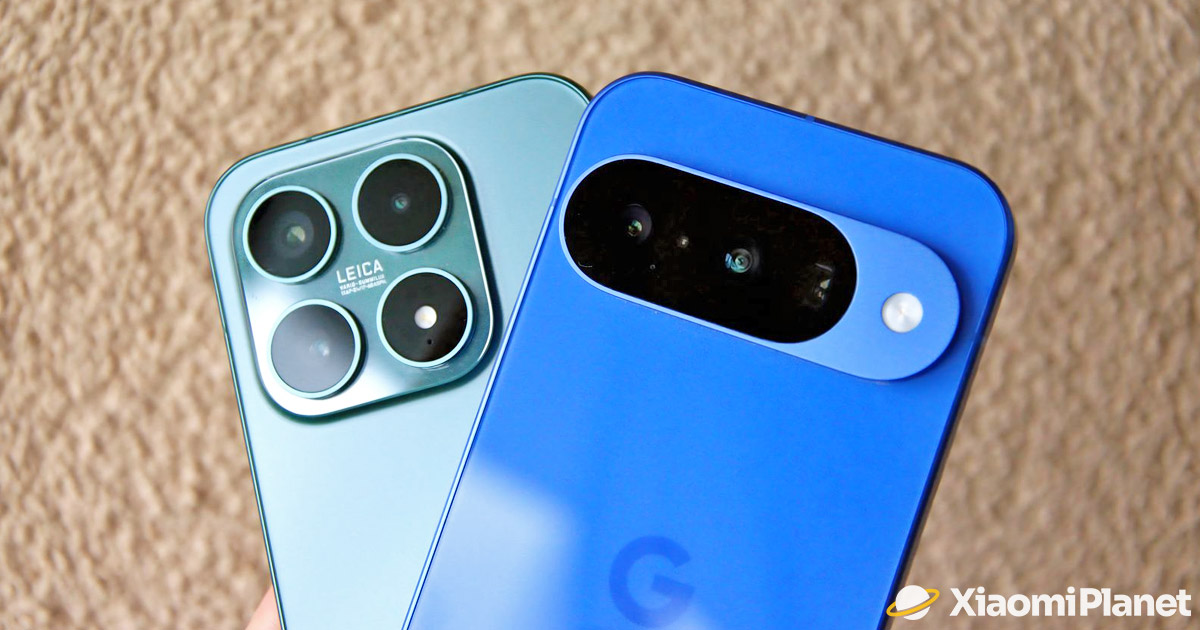
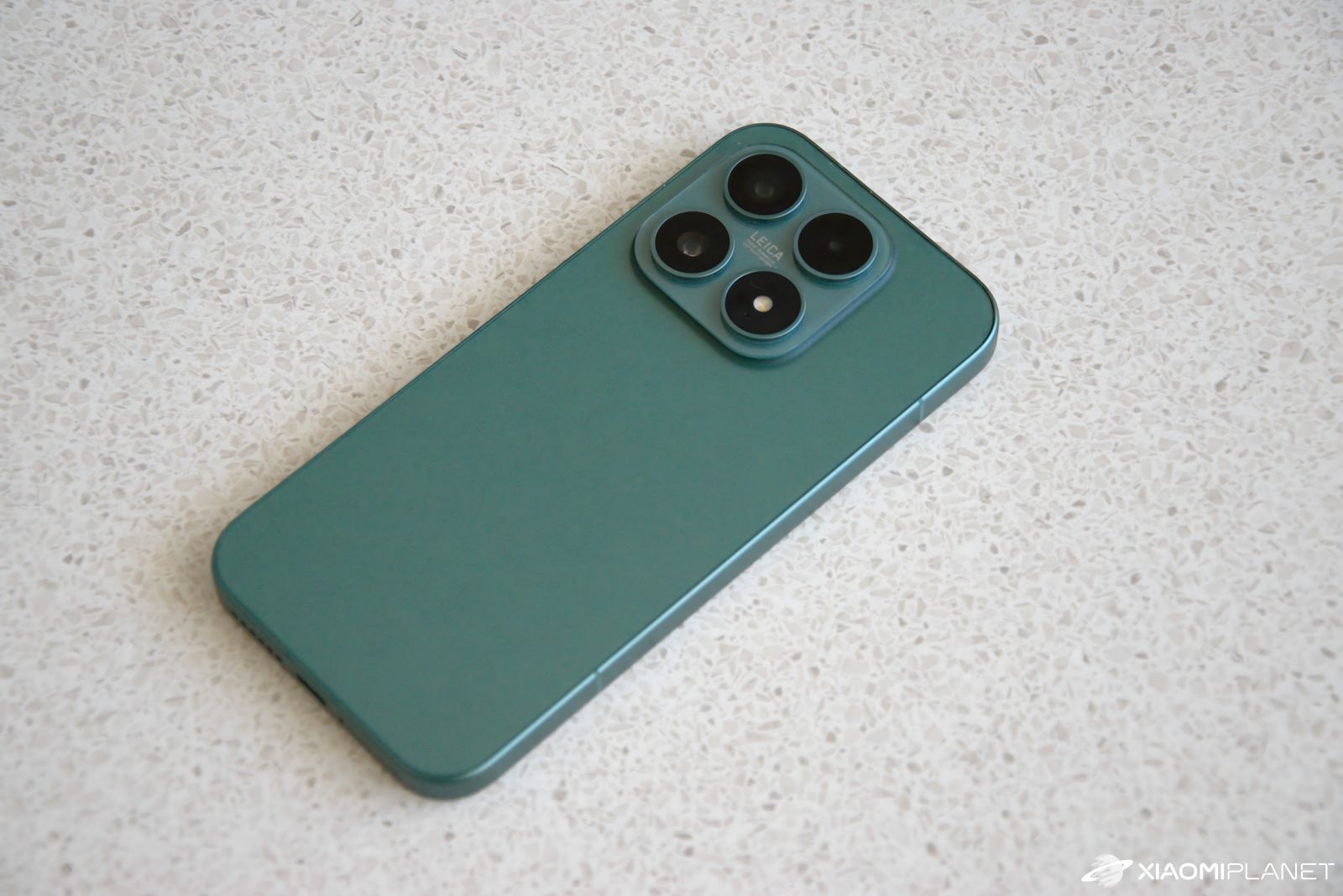
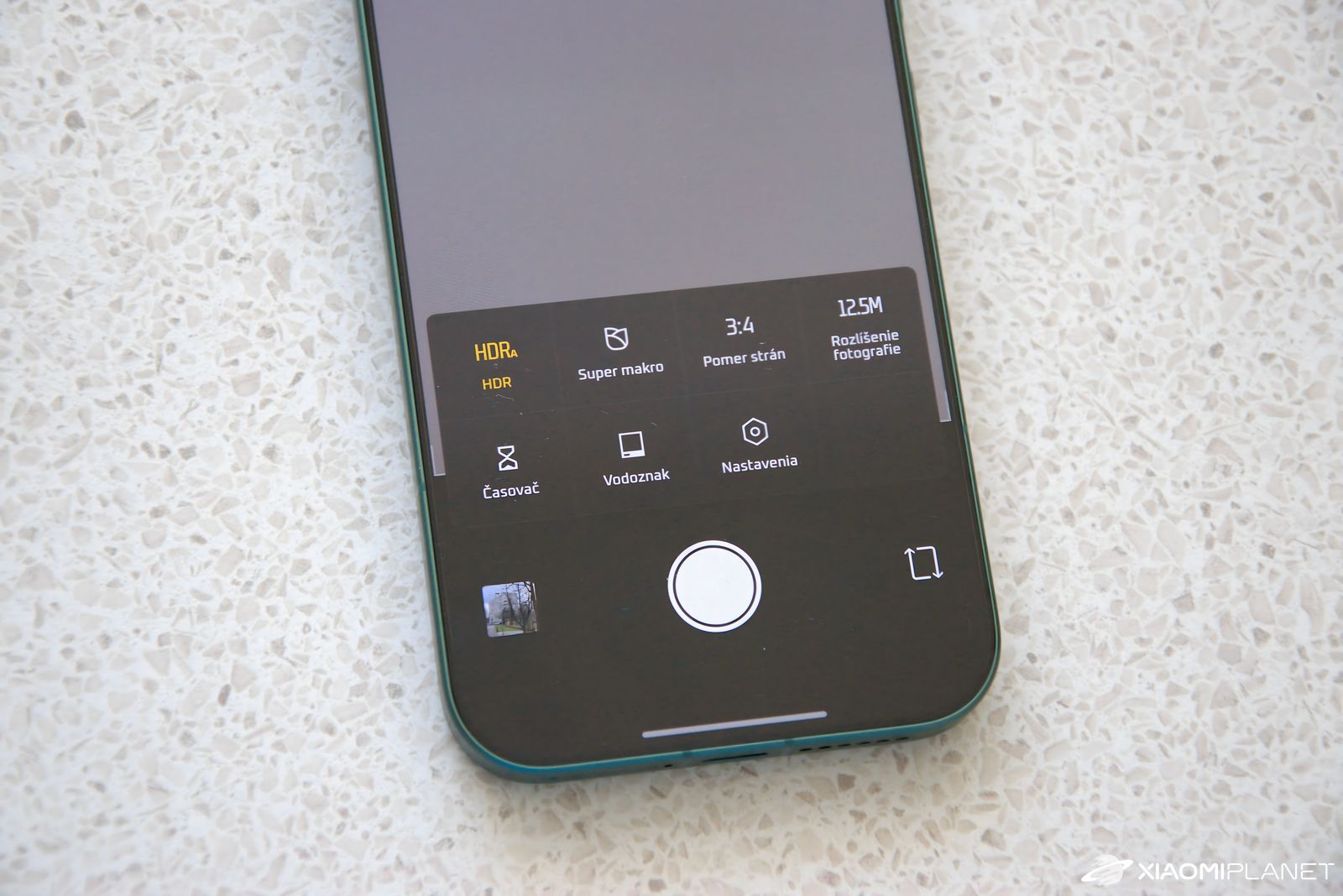
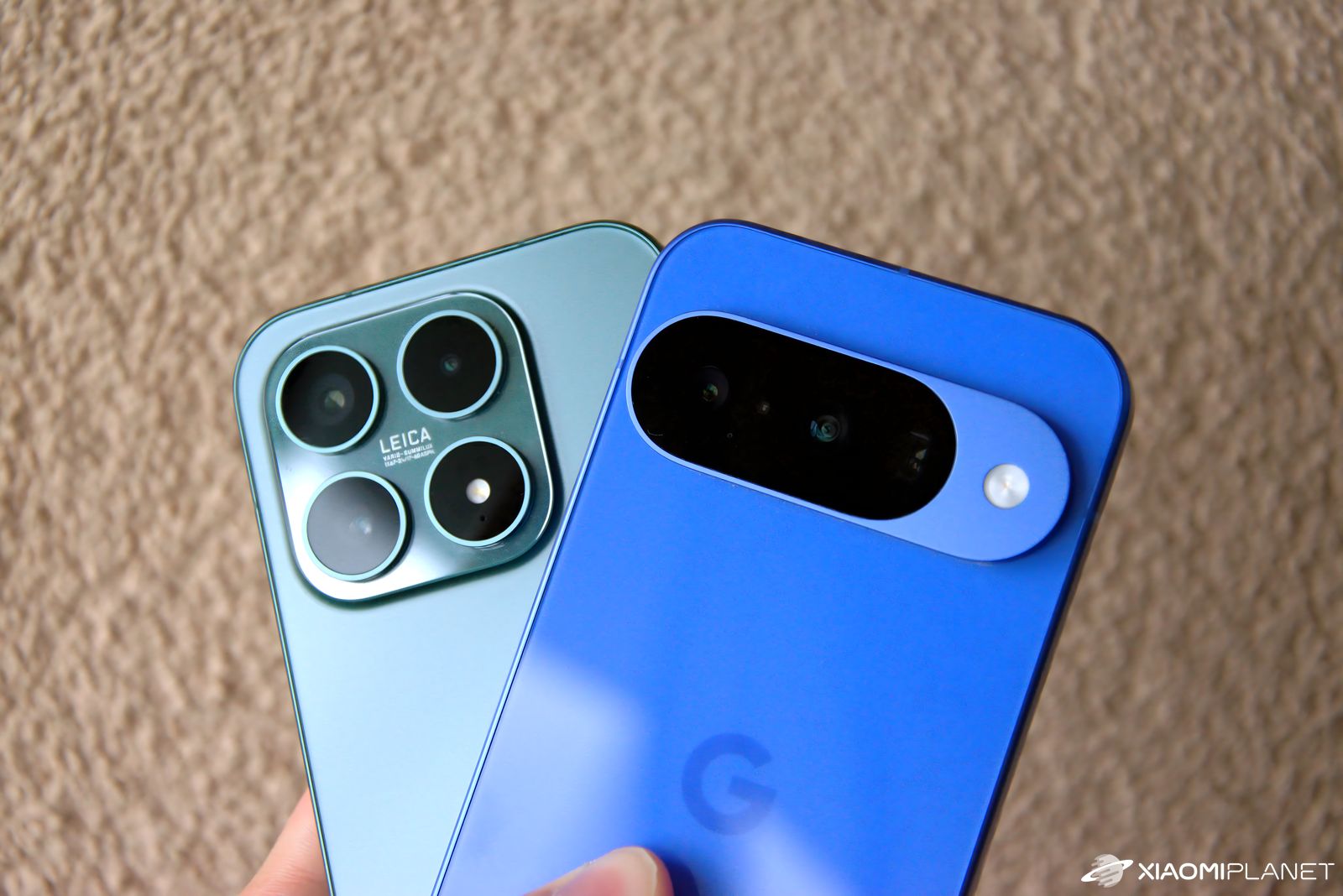
Xiaomi 17 is among today’s most interesting compact flagship models. At first glance, it may seem like a typical “base” model next to Xiaomi 17 Ultra, but in terms of photography it has its own identity—and even several features that can be more practical in certain situations than with the pricier sibling. During our testing, we mainly focused on photo quality and compared it with one of the biggest competitors in the mobile photography segment, Google Pixel 10.
Be part of the biggest Xiaomi community in SK
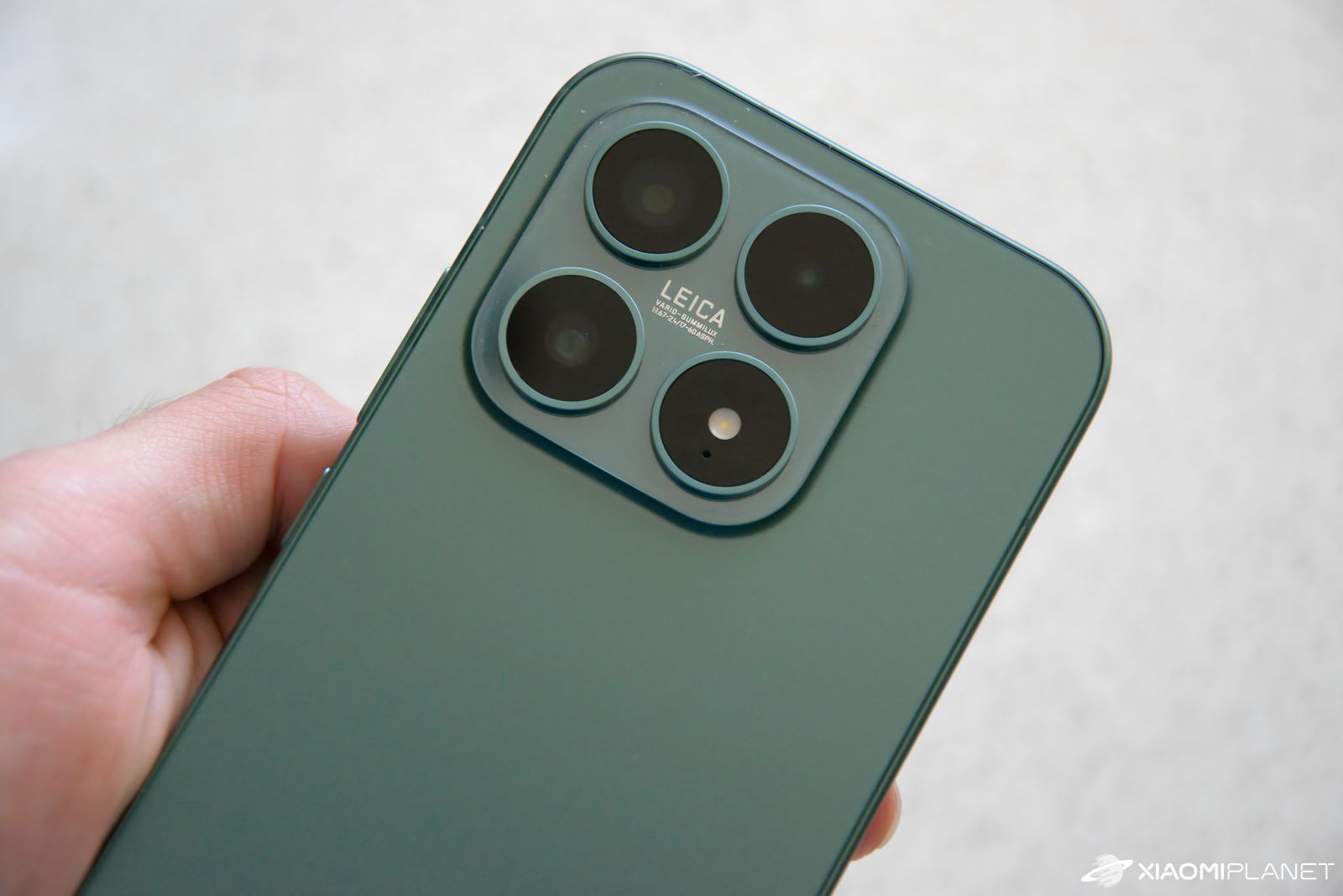
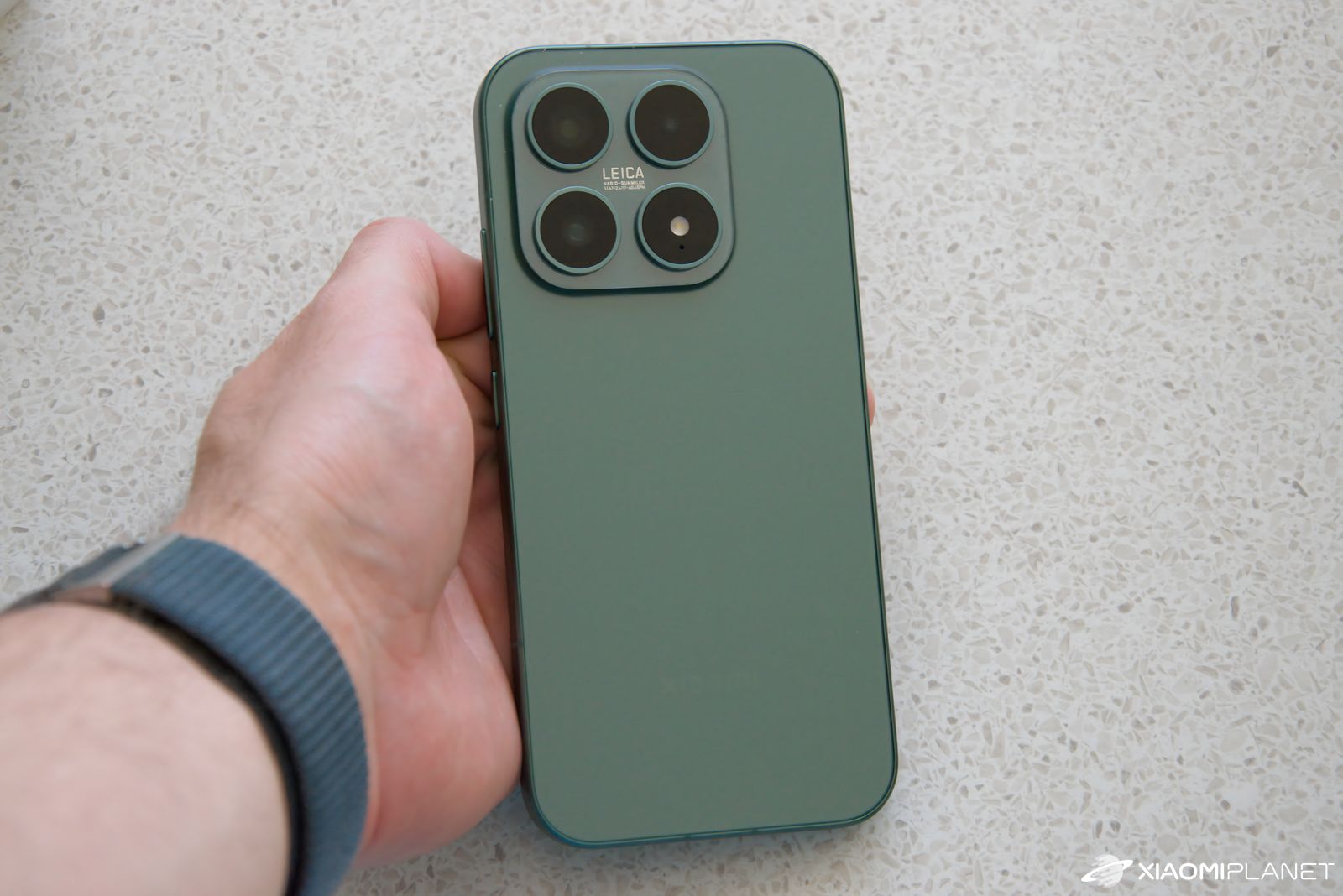
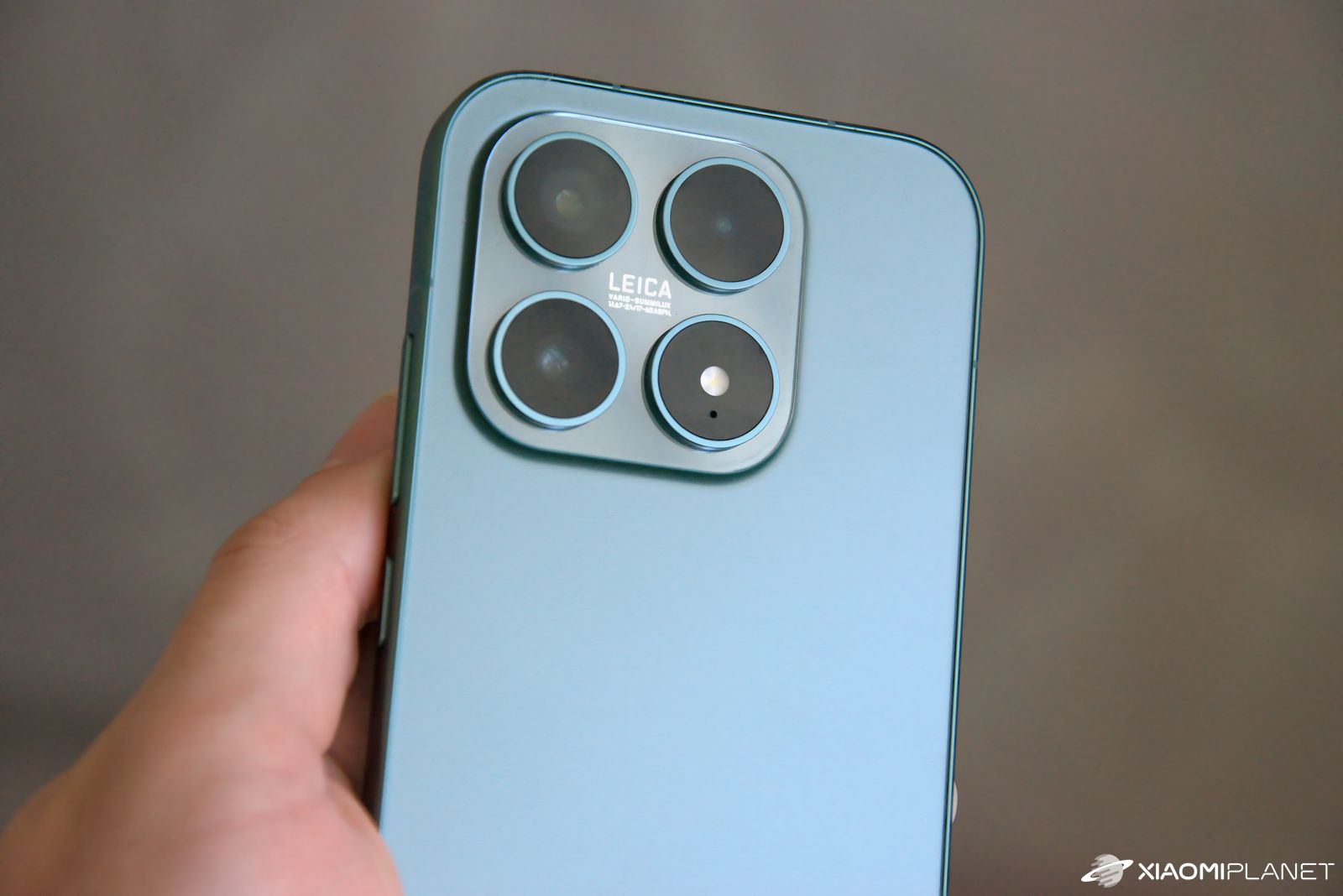
For years, Pixel smartphones were synonymous with top-tier image processing and realistic photos. Google, however, has dramatically changed its camera philosophy with Pixel 10. Yes, a 5x telephoto lens has been added, but at the same time the main sensor and the ultra-wide camera have been downsized (compared to the “Pro” models). Xiaomi took the opposite approach and went with three full-fledged 50 MPx sensors supported by Leica optics.
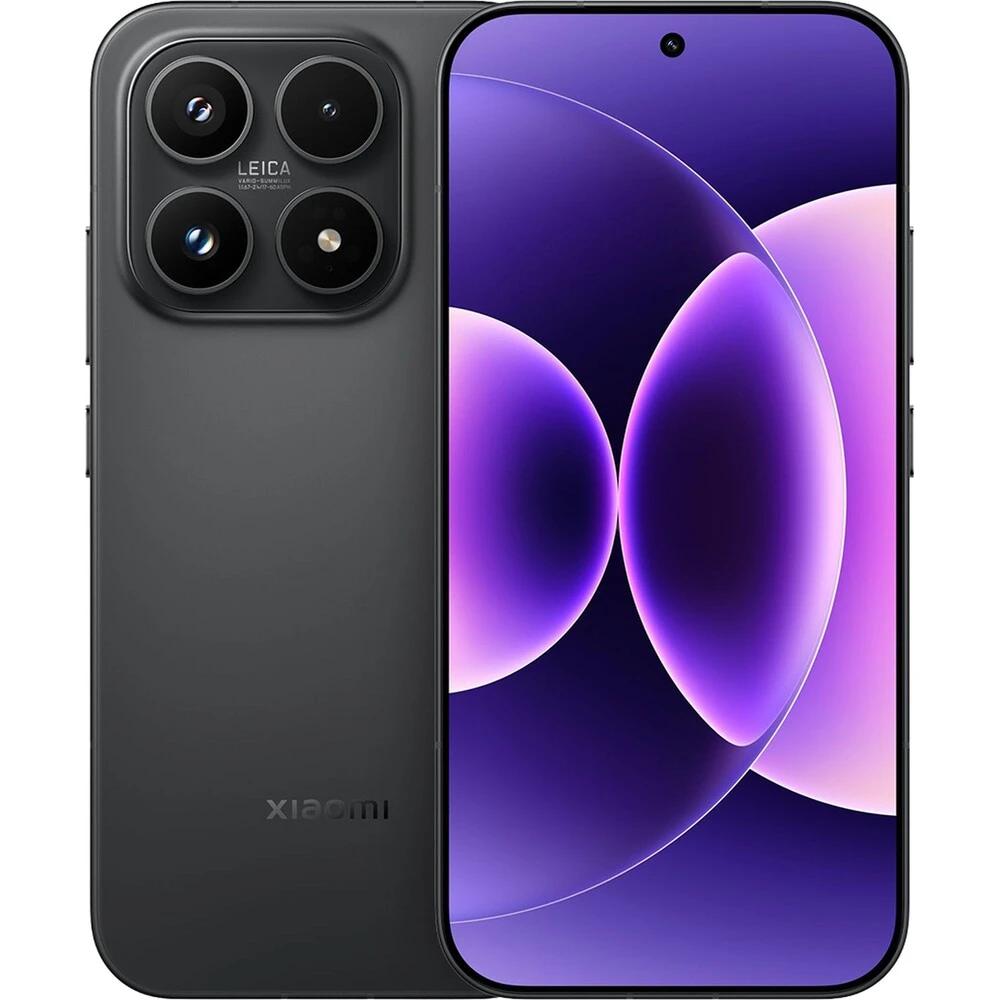
Xiaomi 17: A compact flagship without compromises
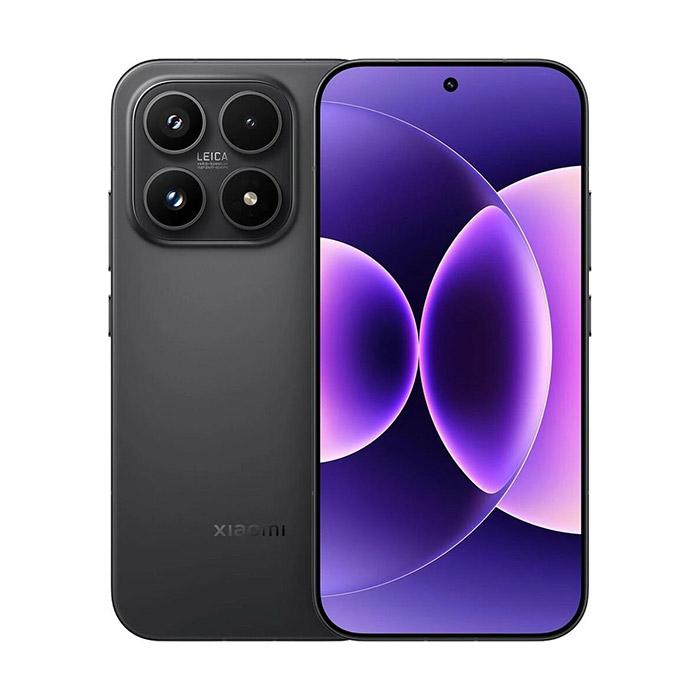
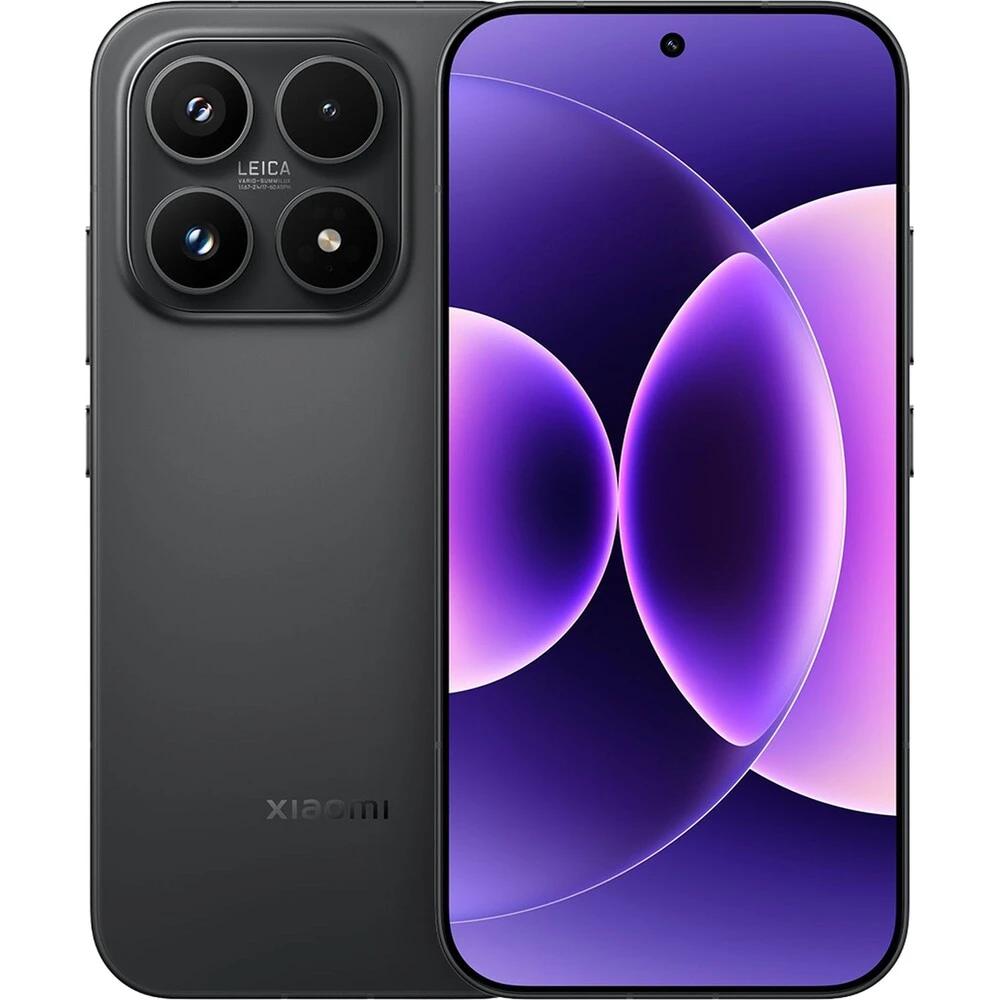
Even the technical specifications alone suggest that Xiaomi 17 isn’t a regular smartphone. Inside it runs the latest Snapdragon 8 Elite Gen 5 made using a 3 nm process. You also get an LTPO AMOLED display with a 6.3-inch diagonal, a refresh rate of 120 Hz, and a max brightness up to 3500 nits. A 6330 mAh battery supports 100 W wired as well as 50 W wireless charging.

From a photography perspective, though, what’s most interesting is the trio of rear cameras:
| Xiaomi 17 | |
|---|---|
Main camera | 50 MPx / 1-1.31" / f1.7 / OIS |
Telephoto | 50 MPx / 60 mm / f2.0 / OIS / 2.6x zoom |
Ultra-wide camera | 50 MPx / 17 mm / 102° |
Front camera | 50 MPx / PDAF |
Video | 8K 30 FPS / 4K Dolby Vision HDR |
Optics | Leica VARIO-SUMMILUX |
Current coupon for Xiaomi 17:
Xiaomi 17 Global Version

TIPWith Standard Shipping via GShopper, you pay no extra fees—everything is already included!
With the GShopper seller, we recommend choosing Standard Shipping, where you won’t pay anything extra. Customs fees and any VAT are handled by the seller. You can select the shipping method in the cart only, after entering your delivery address. Delivery with this option usually takes about 15 business days from dispatch from the warehouse, but it may take longer.

TIPExpress delivery from a Slovak warehouse within 1 to 3 business days.
This product will be delivered to you express from a local Slovak warehouse. Delivery usually takes 1-3 business days and is handled by a courier. The price is final.
TIPExpress delivery from a Slovak warehouse within 1 to 3 business days.
This product will be delivered to you express from a local Slovak warehouse. Delivery usually takes 1-3 business days and is handled by a courier. The price is final.
TIPWith Standard Shipping via GShopper, you pay no extra fees—everything is already included!
With the GShopper seller, we recommend choosing Standard Shipping, where you won’t pay anything extra. Customs fees and any VAT are handled by the seller. You can select the shipping method in the cart only, after entering your delivery address. Delivery with this option usually takes about 15 business days from dispatch from the warehouse, but it may take longer.
Our extra service with VIP support — we’ll handle the order on Gshopper for you and ship it straight to your address.
If you don’t have experience buying on Gshopper, payments don’t go through, or coupon use doesn’t work for you, we offer an order handling service directly to your address for our readers and customers. You transfer the money to our account and we place the order directly to your address. This way, you won’t have to worry about a failed payment or applying the coupon, and you can be sure the entire order will go through correctly 100 %. In addition, you automatically get our VIP support — if any issues arise with the shipment, we handle them for you and assist with filing a claim. The fee for this service is €15 extra of the product price. You can contact us by email at info(@)xiaomiplanet.sk or on Messenger, where we’re constantly active.
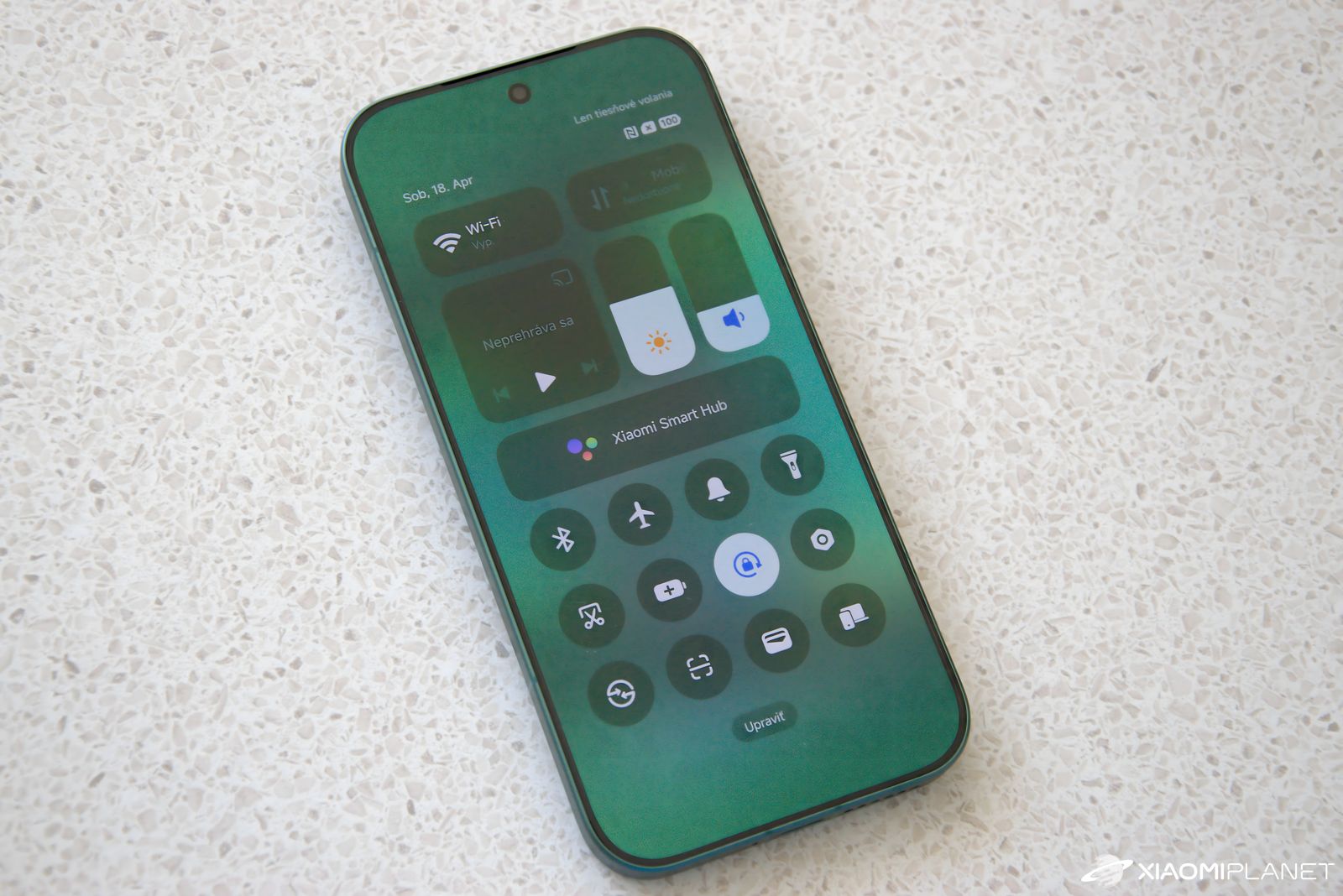
The biggest weapon of Xiaomi 17 is its main sensor sized at 1/1.31″, which is significantly larger than the sensor used in Pixel 10. A larger sensor means more captured light, better dynamic range, and a higher level of detail.
Google Pixel 10: A software king with smaller hardware
With Pixel 10, Google chose more conservative hardware and relies more on computational photography:
| Google Pixel 10 | |
|---|---|
Main camera | 48 MPx / 1-2.0" / f1.7 / OIS |
Telephoto | 10.8 MPx / 112 mm / f3.1 / OIS / 5x zoom |
Ultra-wide camera | 13 MPx / 120° |
Front camera | 10.5 MPx |
Video | 4K 60 FPS |
Processing | Google HDR Plus |
As you can see on paper, Pixel uses significantly smaller sensors. Especially the telephoto lens with 10.8 MPx resolution and a sensor size of only 1/3.2″ looks much more modest compared to Xiaomi.
Xiaomi 17 cameras: Great on paper, even better in practice
Xiaomi has been steadily getting closer to the absolute photography top spot in recent generations, but we often felt that the paper specs were better than the actual results. Xiaomi 17 is one of the first models in the last few years where that feeling has almost disappeared.
The manufacturer managed to fine-tune the hardware, image processing, and Leica color profiles so that the resulting photos don’t just look impressive at first glance, but also hold up when you compare them in detail with one of the biggest competitors in mobile photography – Google Pixel 10. During testing, we compared dozens and dozens of shots side by side. We photographed city scenes as well as nature, including various tricky HDR situations.
The result genuinely surprised us. Xiaomi 17 managed to beat Pixel 10 in practically every category. In some cases the difference was small, in others completely clear-cut, but overall we almost always chose the photo from Xiaomi. A few years ago, we wouldn’t have expected this from the base model of the Xiaomi brand; Pixel had long held the crown in this area, but now the situation is changing radically. Judge for yourself — you’ll find the samples below.
Main camera in daylight: Xiaomi captures noticeably more detail
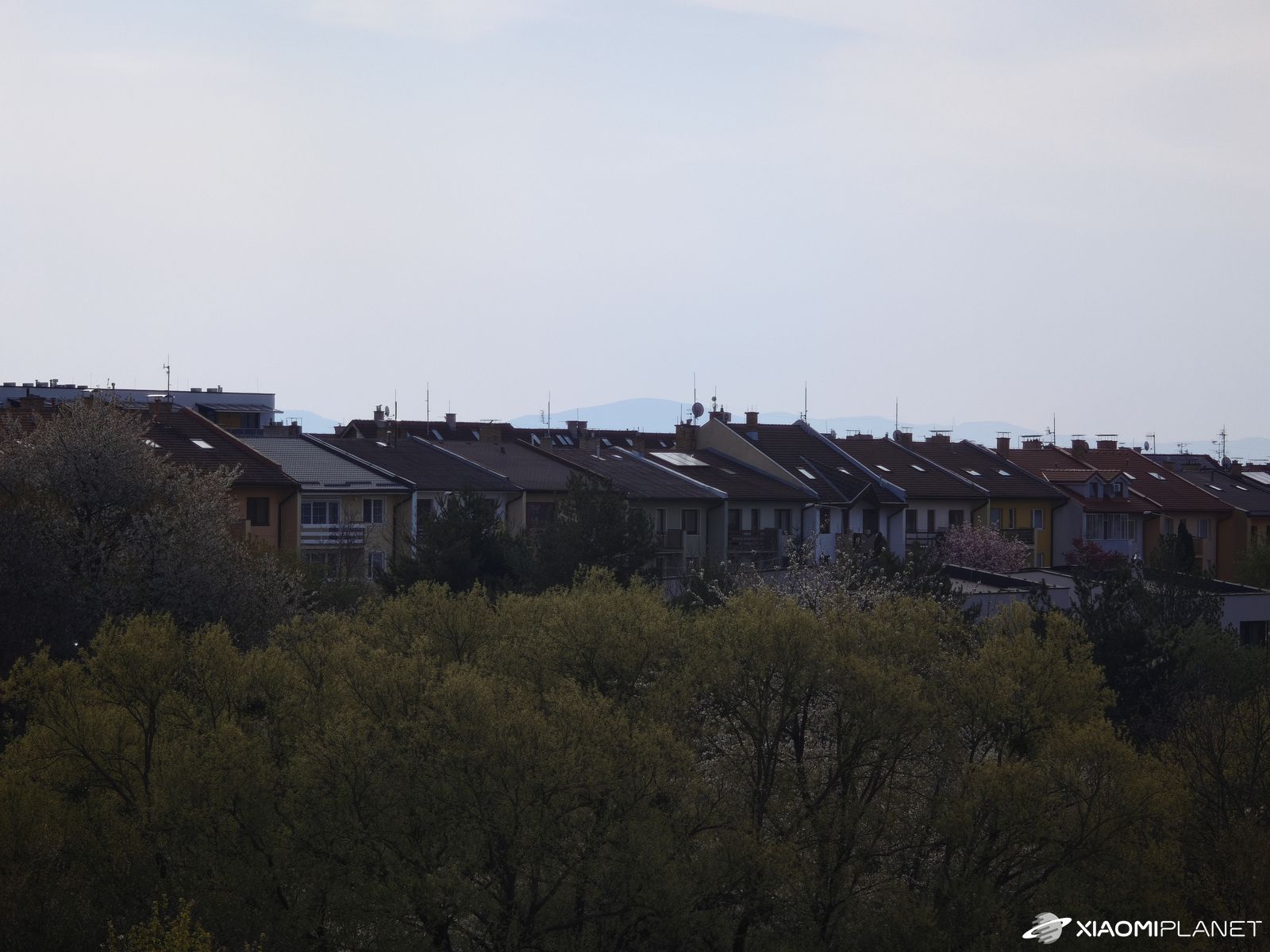
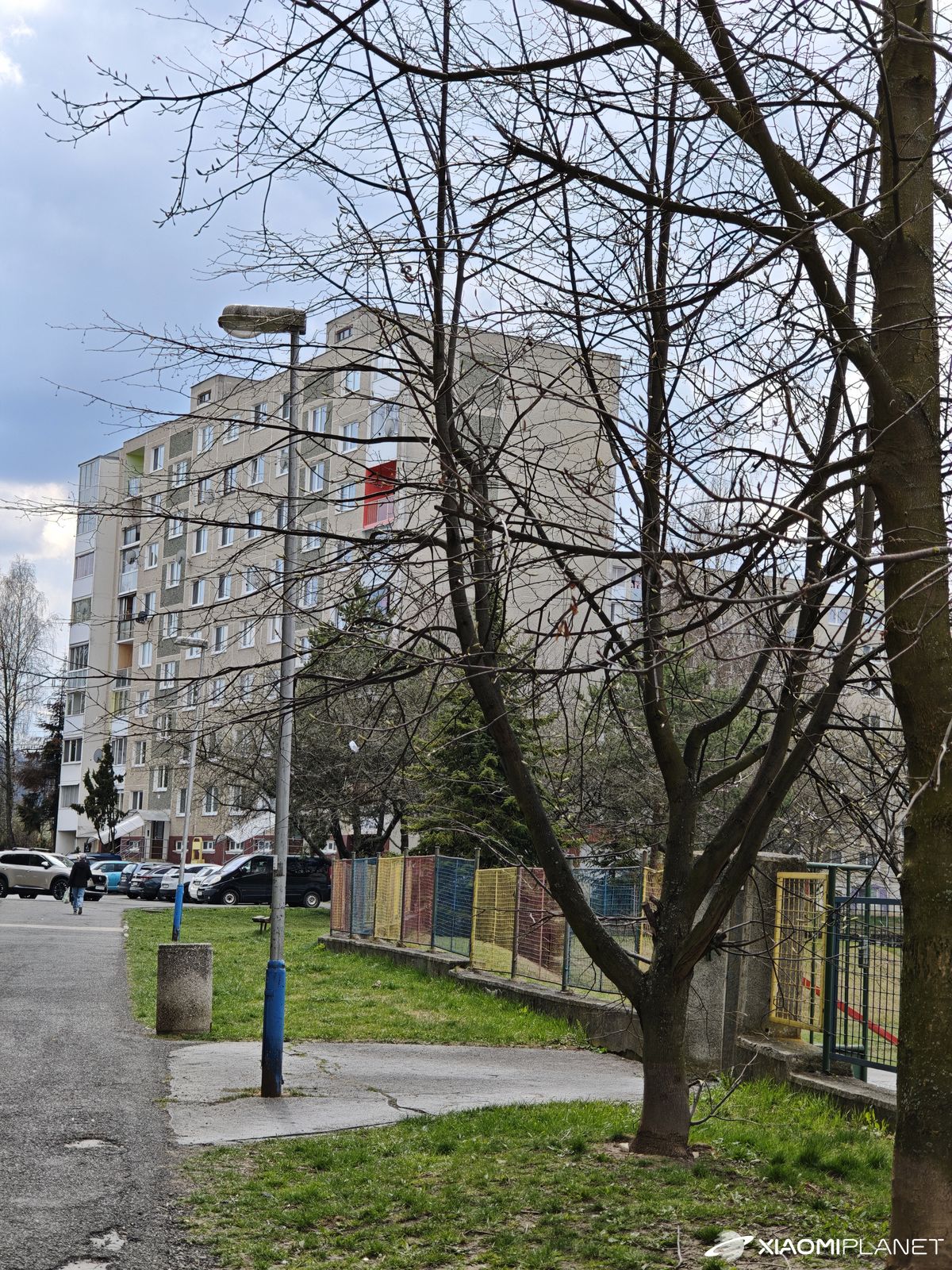
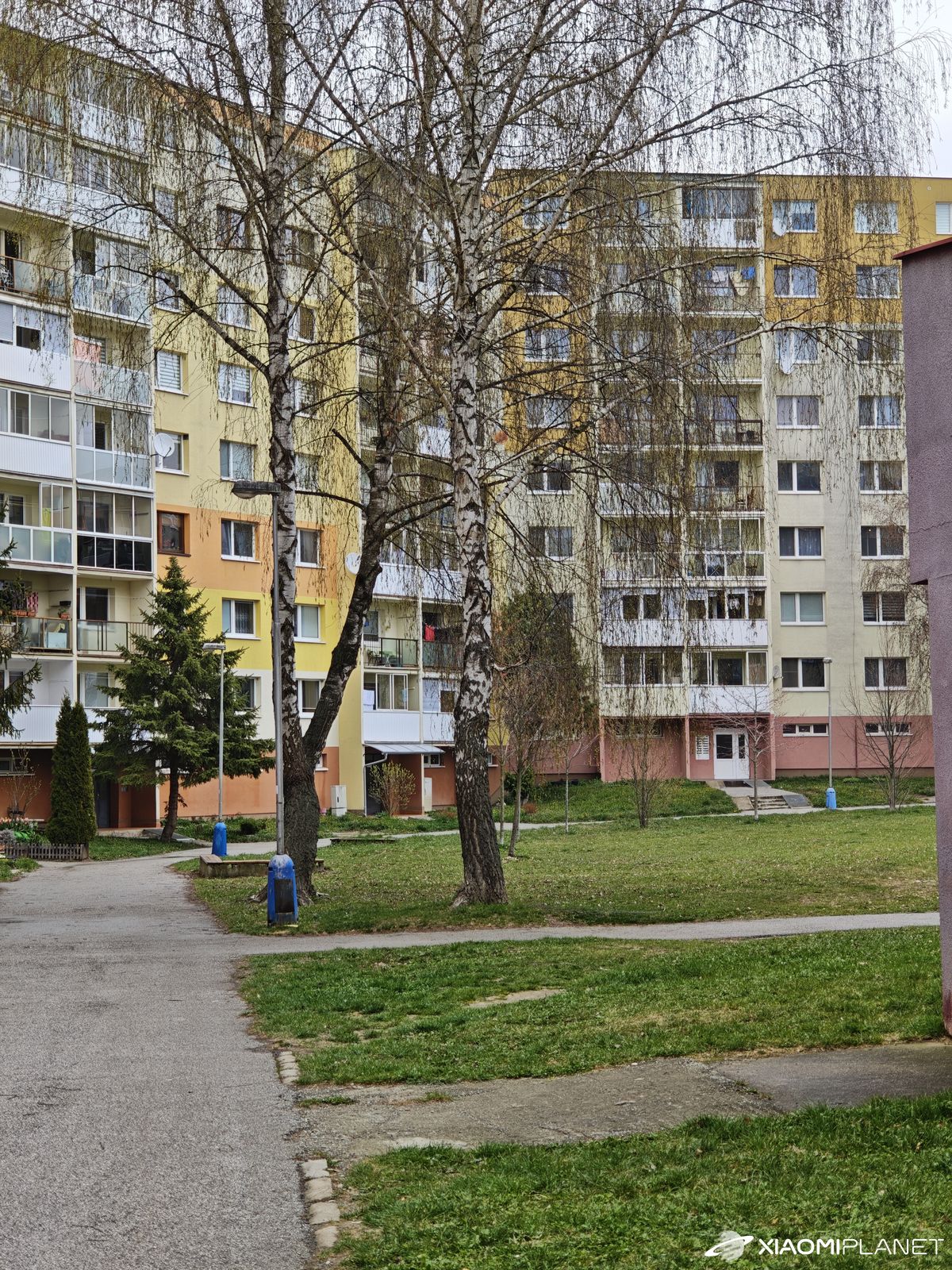
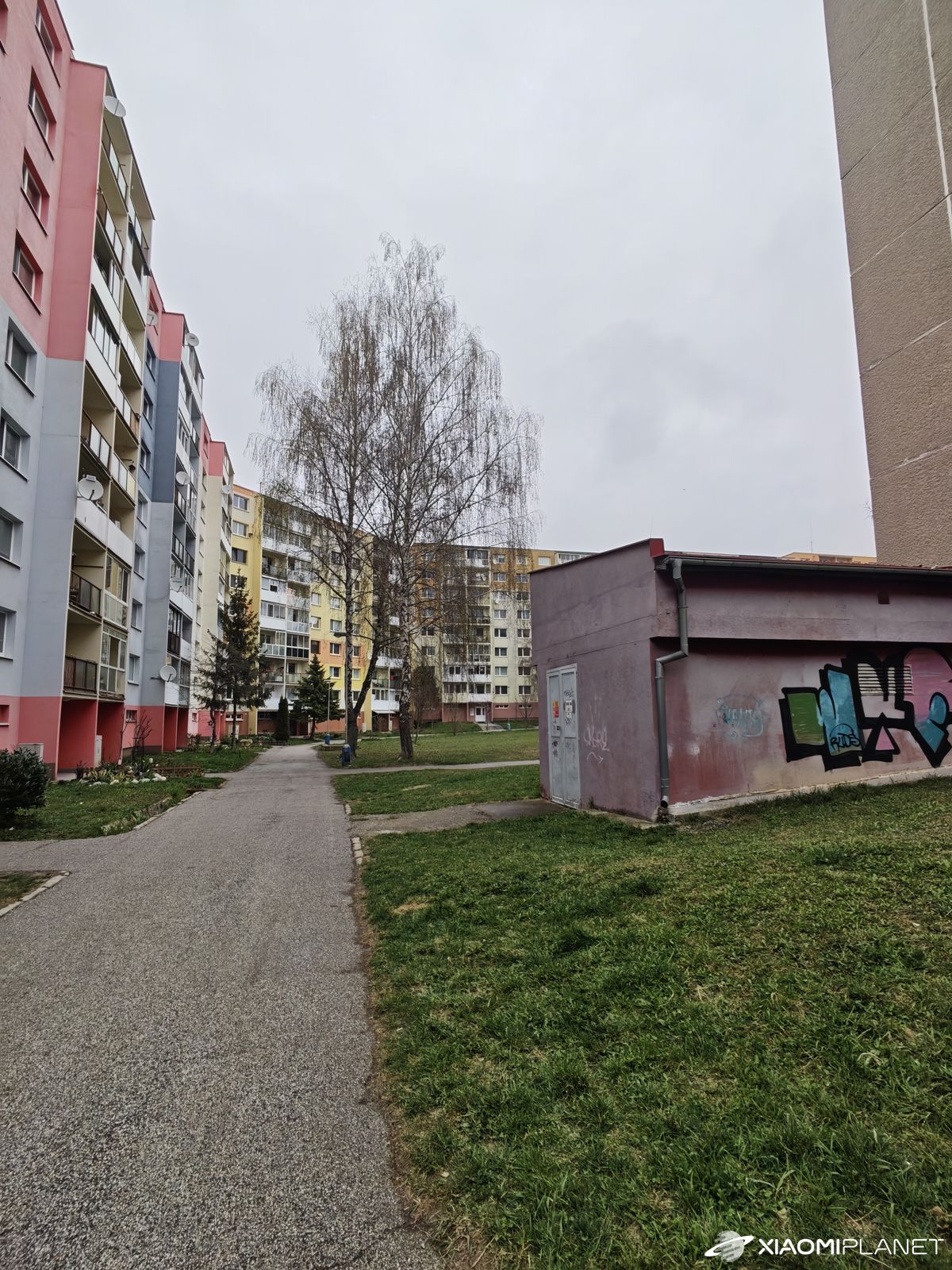
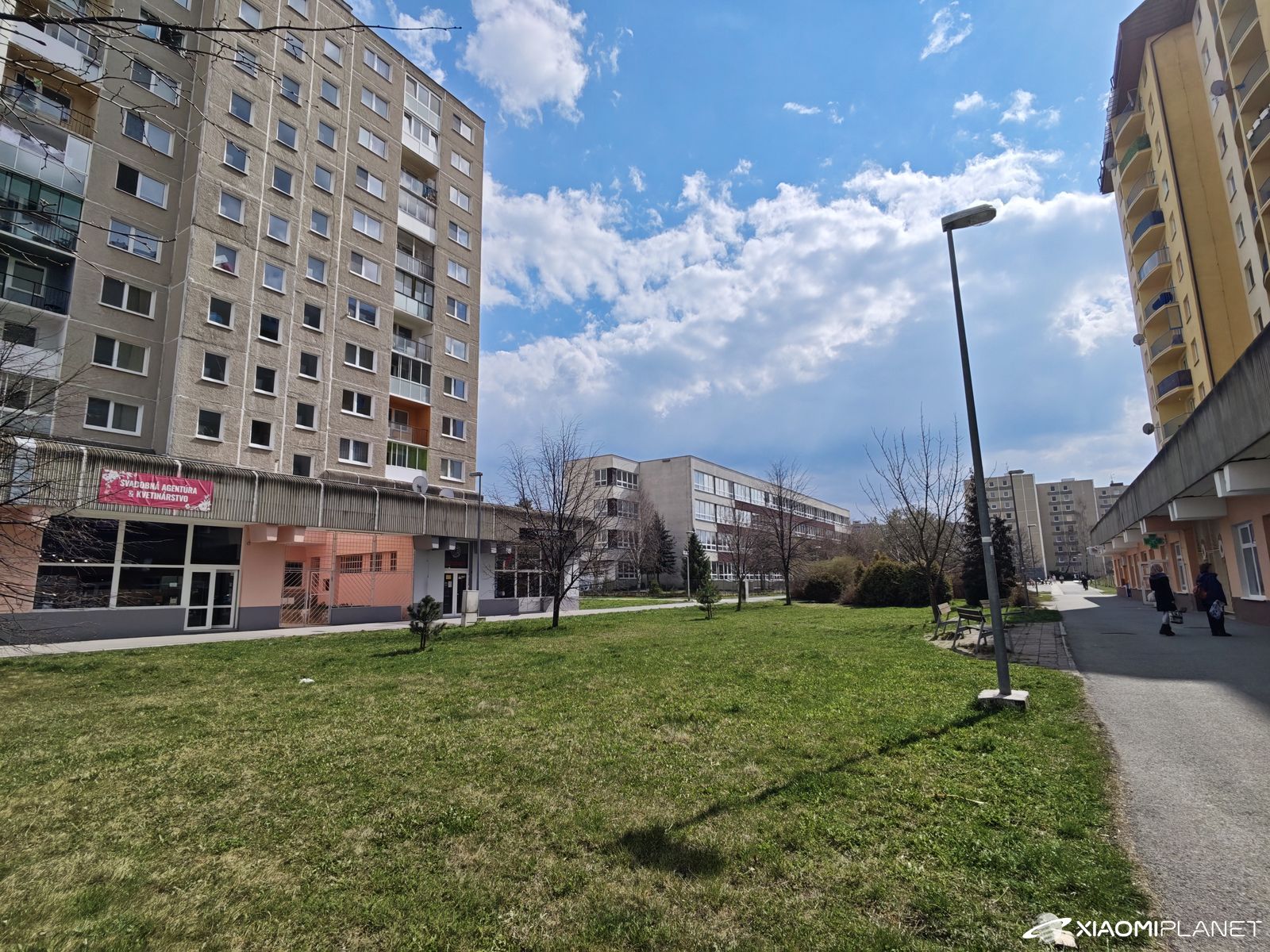
We noticed the biggest difference already in the first daytime shots. Xiaomi 17 uses a significantly larger main sensor than Pixel 10, and this difference is visible almost immediately. At first glance, the overall photos may look similar. Both devices produce well-exposed shots with excellent dynamic range. The real difference shows up when you zoom in on the photo.
Xiaomi preserves more fine detail in plaster, brickwork, windows, and distant objects. The rendering stays natural and sharp even in the corners of the frame. Pixel 10 still offers excellent HDR processing, but its photos look noticeably softer. When looking at vegetation, we repeatedly noticed that individual leaves start to blend into larger patches.
This was very clearly visible when photographing parks full of trees. Xiaomi managed to capture delicate branches and individual leaves much better, while Pixel produced a smoother image. You might not notice it right away on your phone display, but when you view it on a monitor—or after cropping the photo—the difference becomes completely obvious.
Main camera samples:
















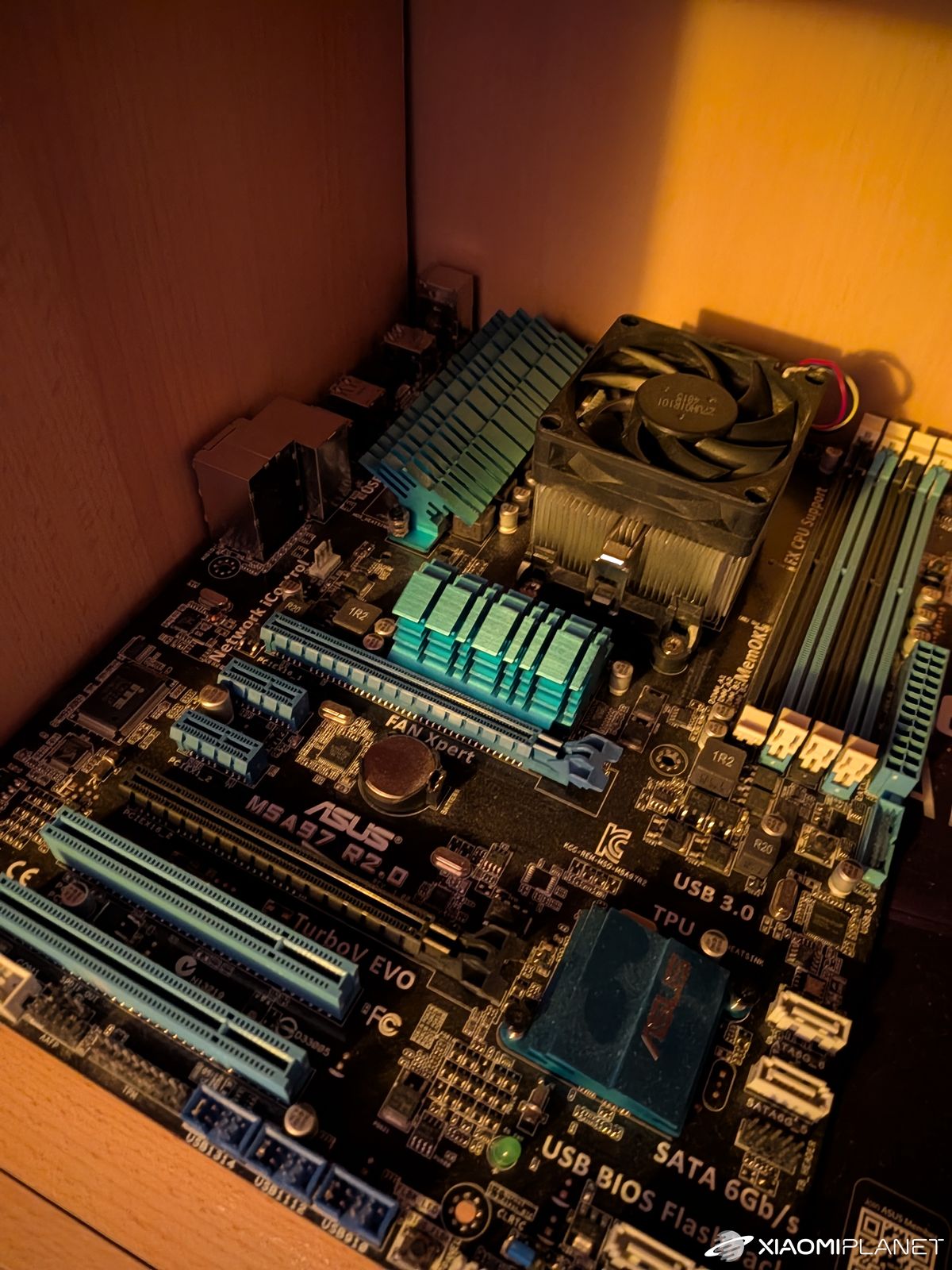







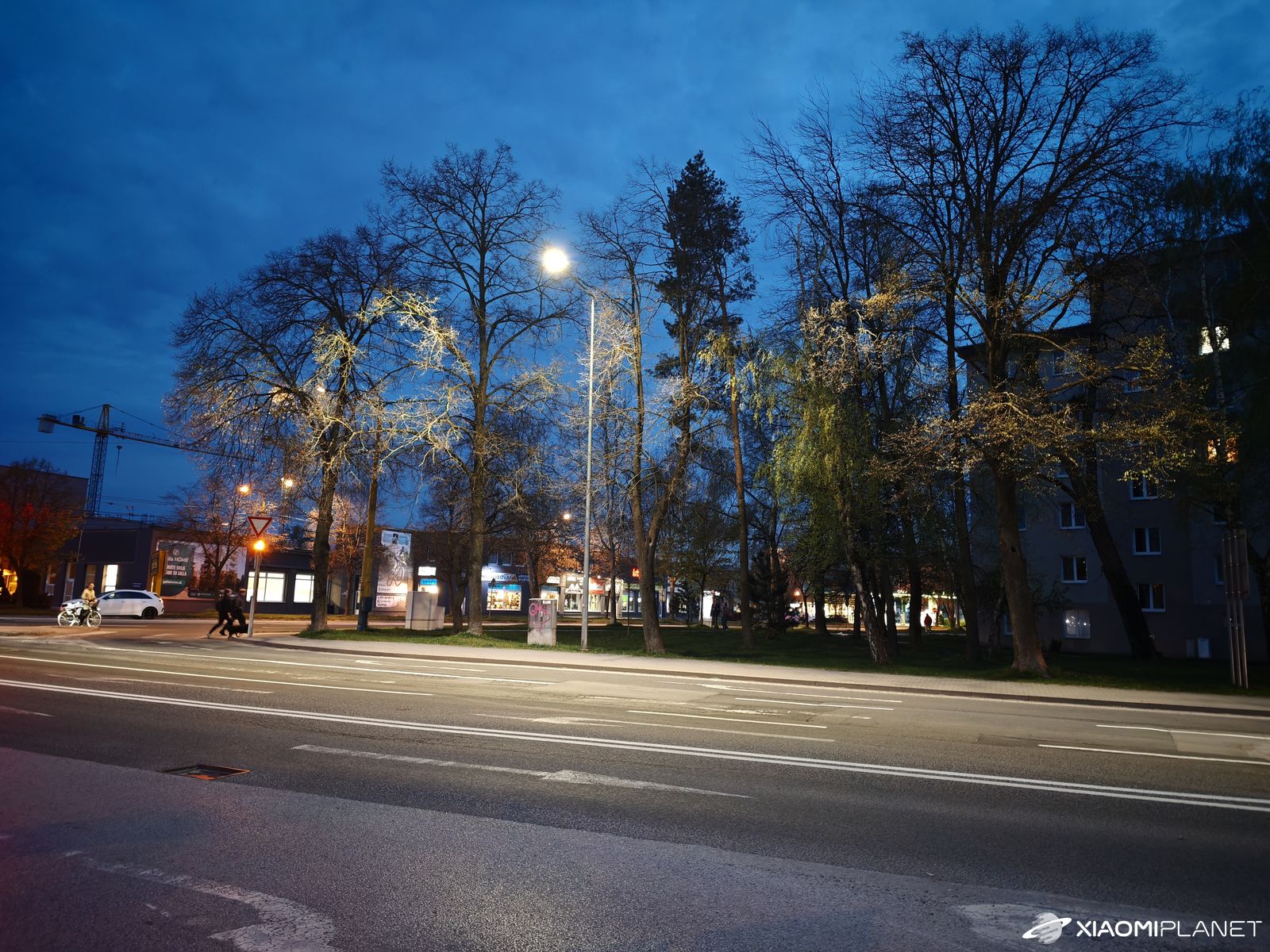

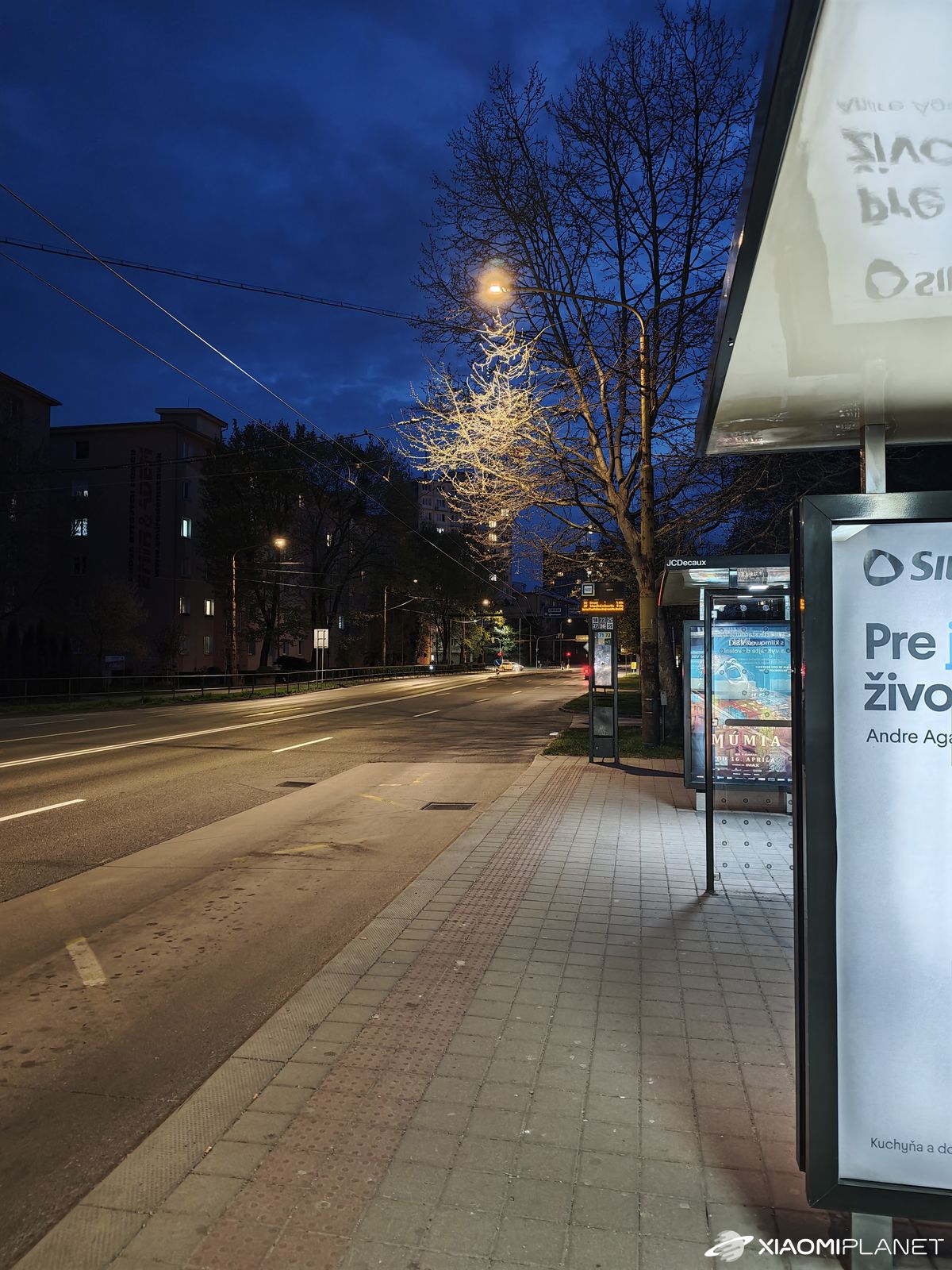






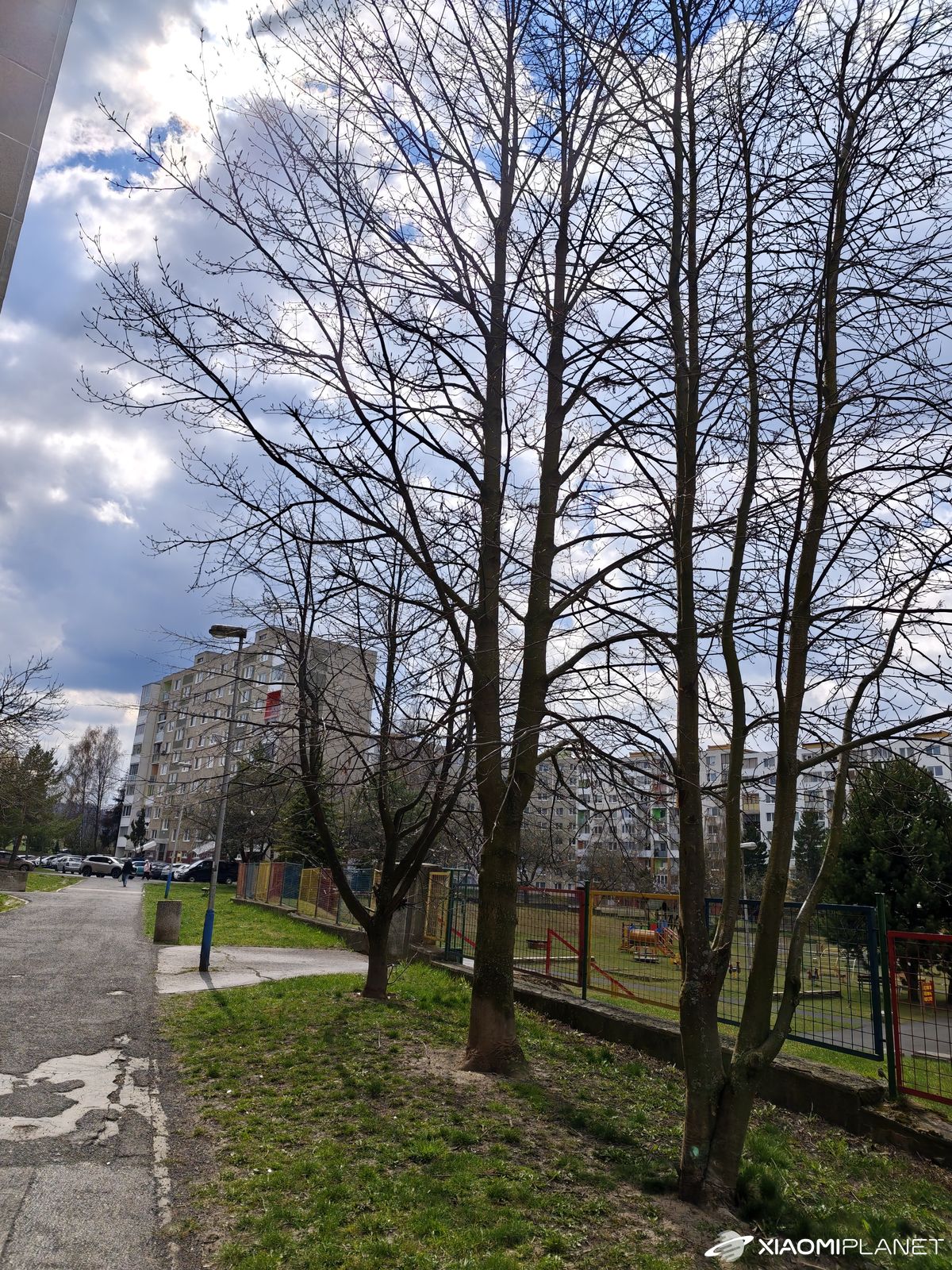


Leica Vibrant vs Google HDR: Two completely different takes on a photo
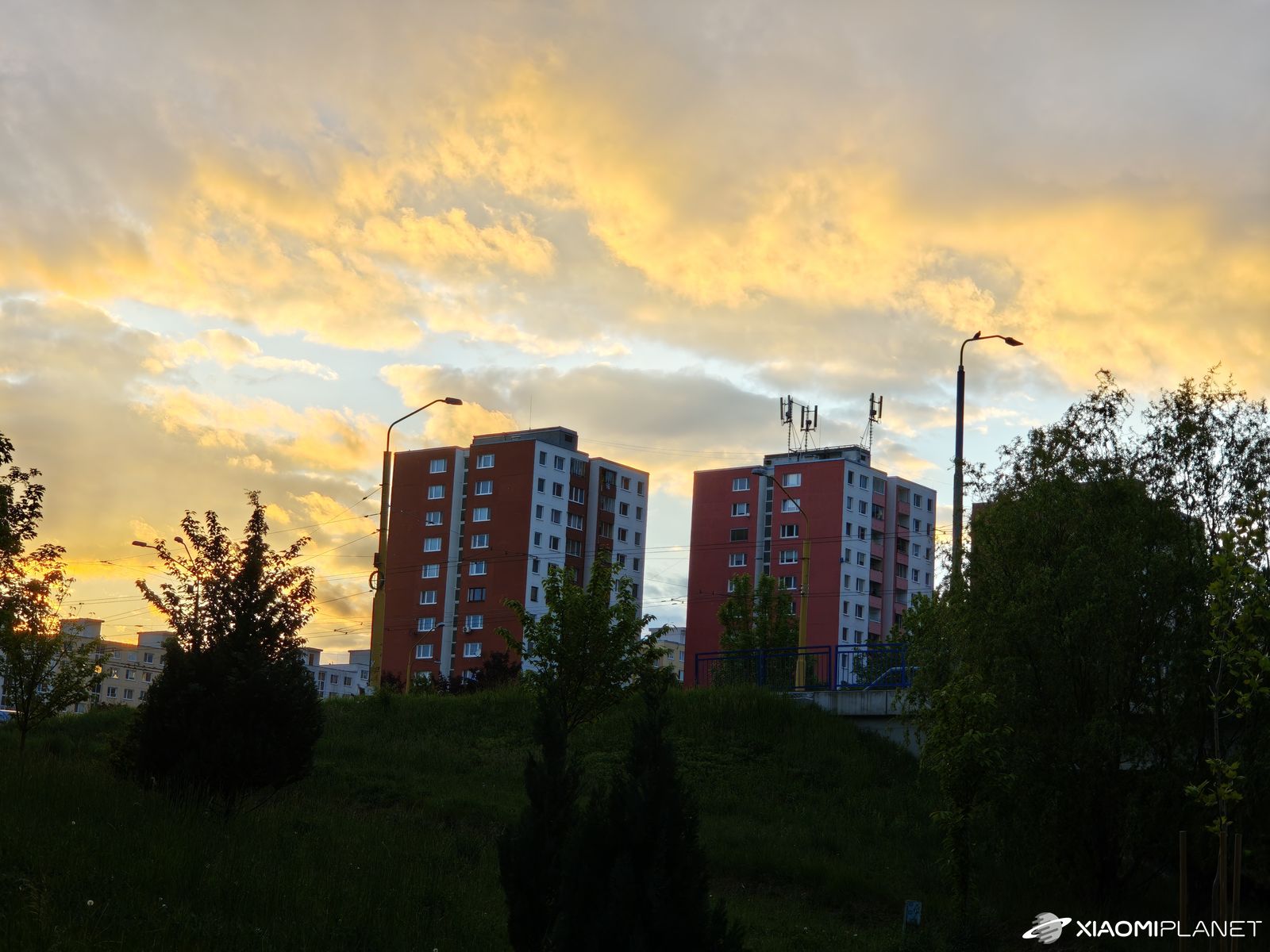
During most of the testing, we used the Leica Vibrant profile. This mode proved to be an ideal choice for everyday photography. In it, Xiaomi produces photos with stronger contrast, richer colors, and an overall more attractive look.
The blue sky gets smoother transitions, the green vegetation looks more vibrant, and the overall image has more depth. The photos simply look better right after pressing the shutter—no need for extra tweaks. Some photographers might argue that it’s not fully realistic, and in a way, they’ll be right.

Google Pixel 10 is indeed more realistic. Its photos are less saturated, less contrasty, and in most situations they’re closer to what we actually see with our eyes. What was interesting, though, was that in a blind comparison, practically every friend we asked chose the shot from Xiaomi. The photos just look more alive, more modern, and visually more appealing.
If we had to describe Pixel with one word, it would be realism. If we had to describe Xiaomi 17 with one word in Leica Vibrant mode—and even when using Leica Authentic—it would be emotion. And that’s often what decides which photo we like more.



















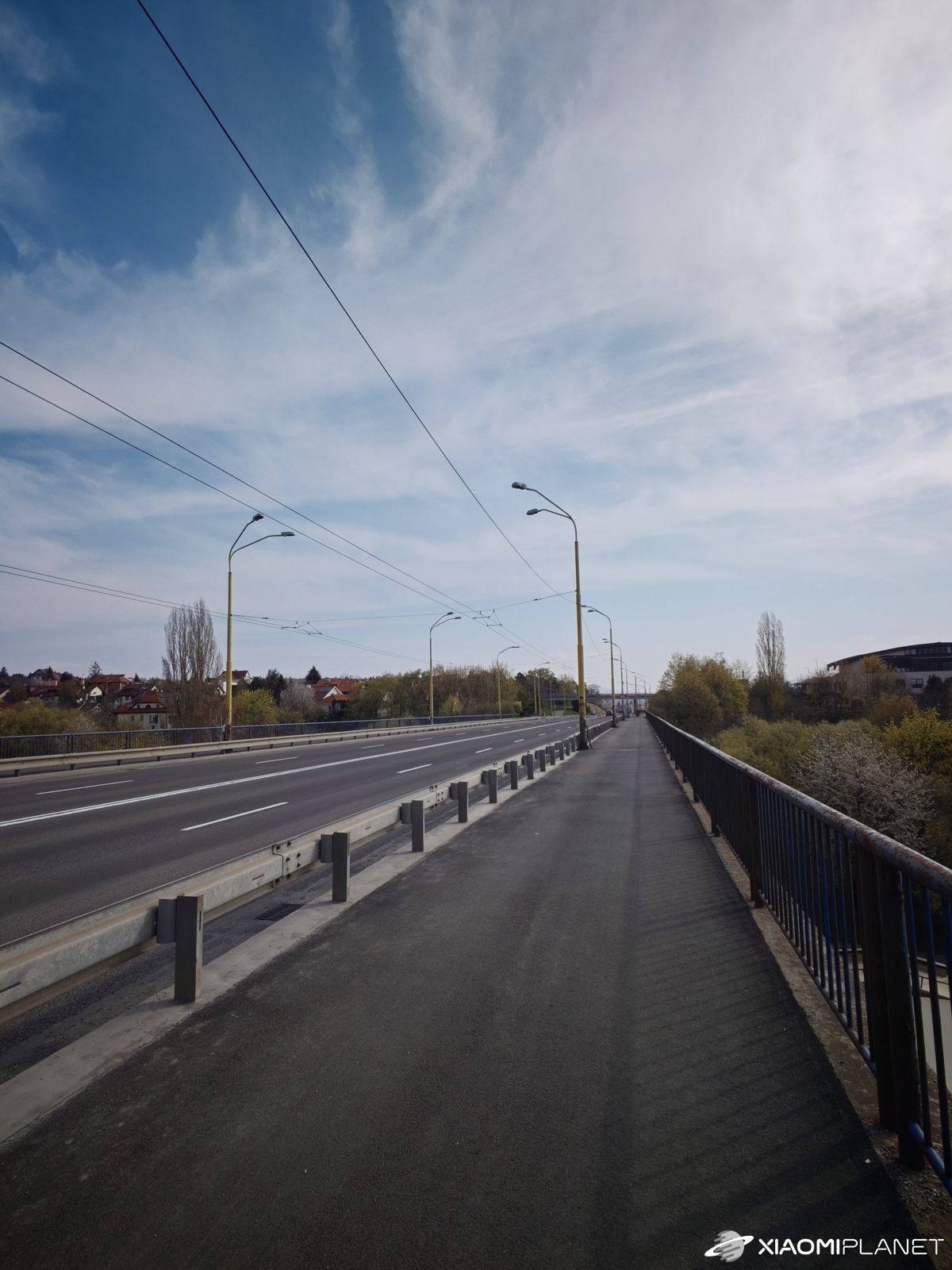


A completely different experience compared to the mentioned mode Leica Vibrant offers the Leica Authentic profile. Xiaomi is not trying to create an attractive image at any cost here. On the contrary, the photos are darker, more contrasty, and at times they resemble older digital Leica cameras.
With historic architecture, evening streets, or black-and-white scenes, this mode can create a very specific atmosphere. In some shots, we also noticed a subtle vignetting effect and deeper shadows that give the photos character. It’s not a profile everyone will use, but it’s definitely not just an ordinary filter. It changes the way the photo feels.
Telephoto lens: On paper, Pixel wins, Xiaomi's results
The biggest surprise of the entire test was the telephoto lens. On paper, Google Pixel 10 has the edge thanks to greater magnification. It offers 5x optical zoom, while Xiaomi only has 2.6x optical zoom.
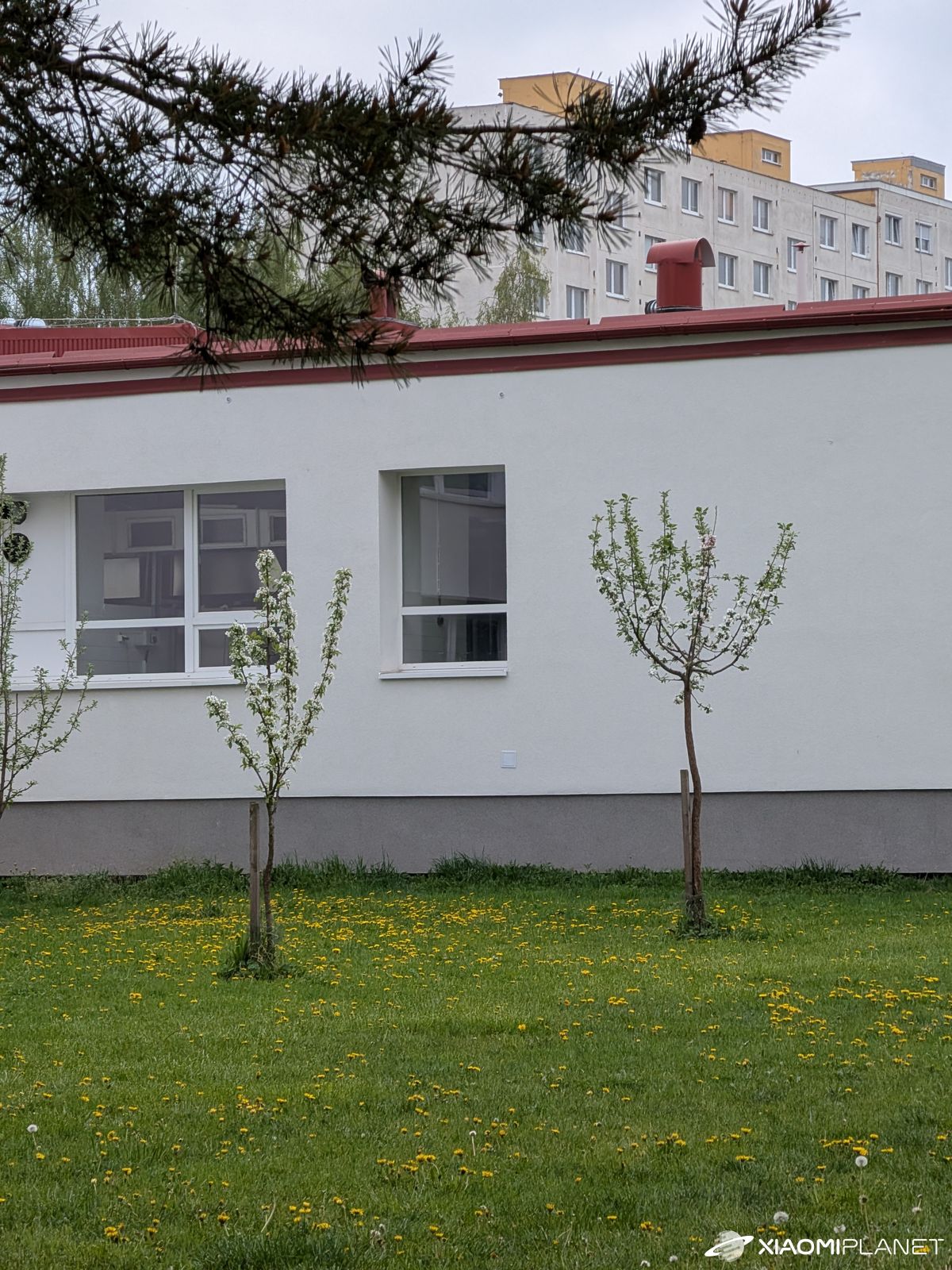
During real-world shooting, however, it quickly became clear that zoom numbers alone don’t guarantee anything. Xiaomi uses a full-fledged 50 MPx telephoto lens with a larger sensor and a much higher level of detail. When shooting distant subjects, we almost always preferred shots from Xiaomi.

Pixel can zoom in more, but its 10.8 MPx telephoto lens simply doesn’t have enough data to produce an equally detailed image. The photos are softer, and at higher magnification the digital image processing is very noticeable.
What was interesting was that Xiaomi managed to maintain a higher level of detail even at roughly 5x digital zoom. In practically every scene, photos from Xiaomi looked better than the native 5x zoom of the Pixel.
Telephoto samples:


























Macro photos and details: Xiaomi's secret weapon 17
One of the most practical features of the Xiaomi 17 is the telephoto lens, which can already focus from about 10 cm away. This function proved to be one of the most interesting during testing.



Photographing flowers, food, gadgets, or various small objects is extremely easy. The subject stays perfectly sharp, while the background naturally blurs. The resulting photos often have the feel of shots from classic cameras with a portrait lens.
Pixel 10 can still focus fairly close with the main camera, but it can’t create the same depth effect. This is where the Xiaomi 17 shows the advantage of its telephoto lens and larger sensor.
Night photos: This is where the differences grow even more
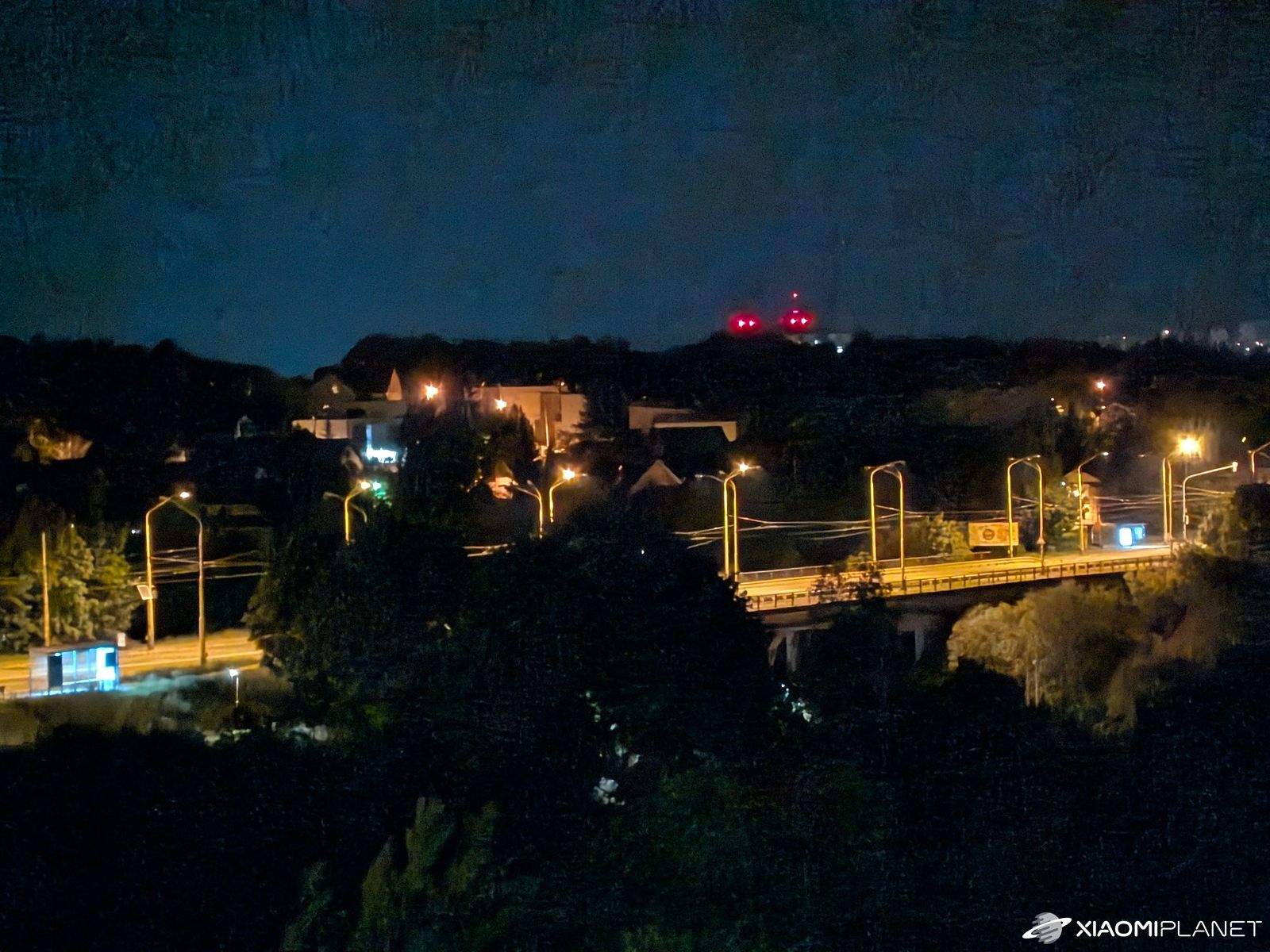
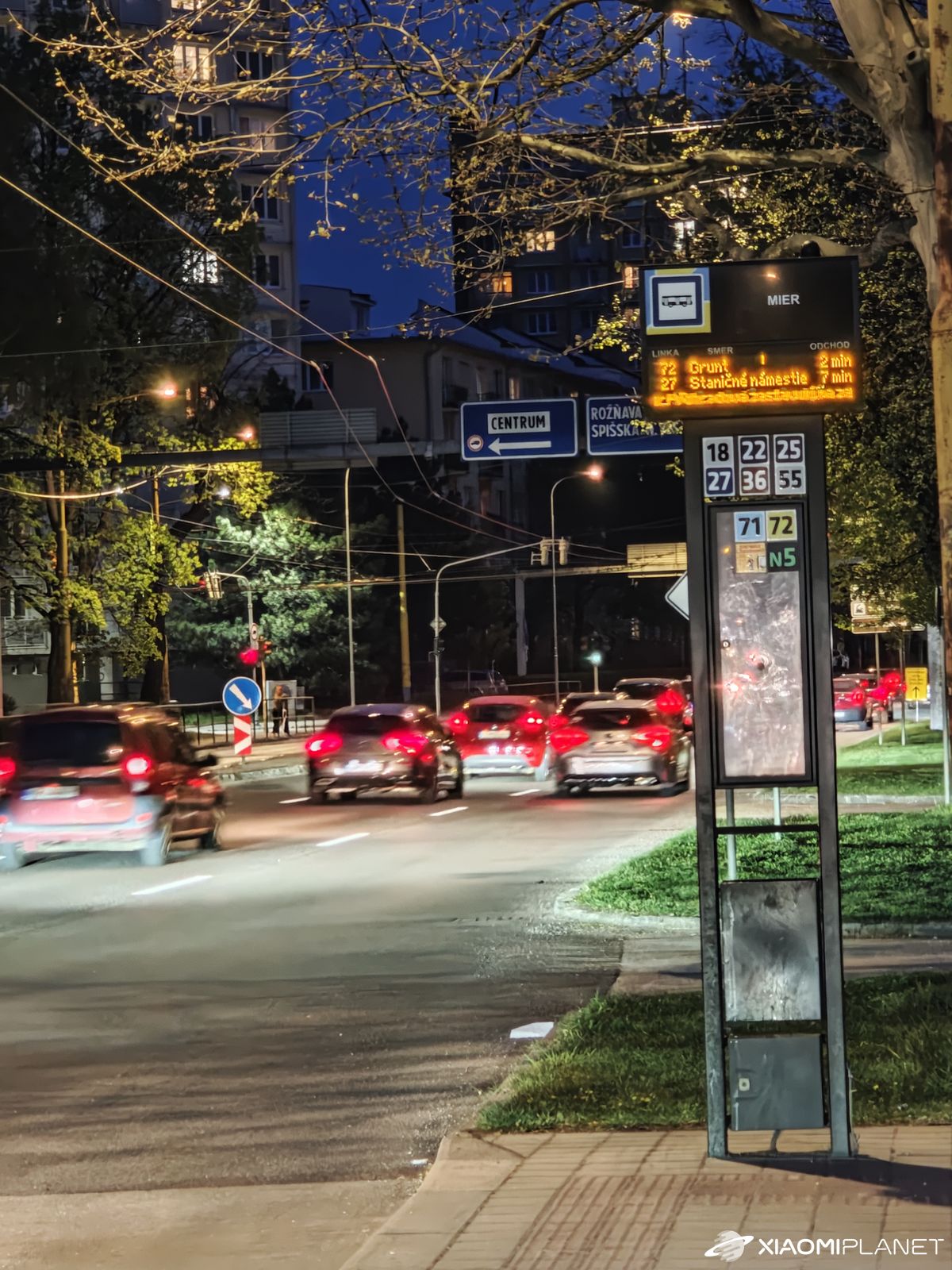
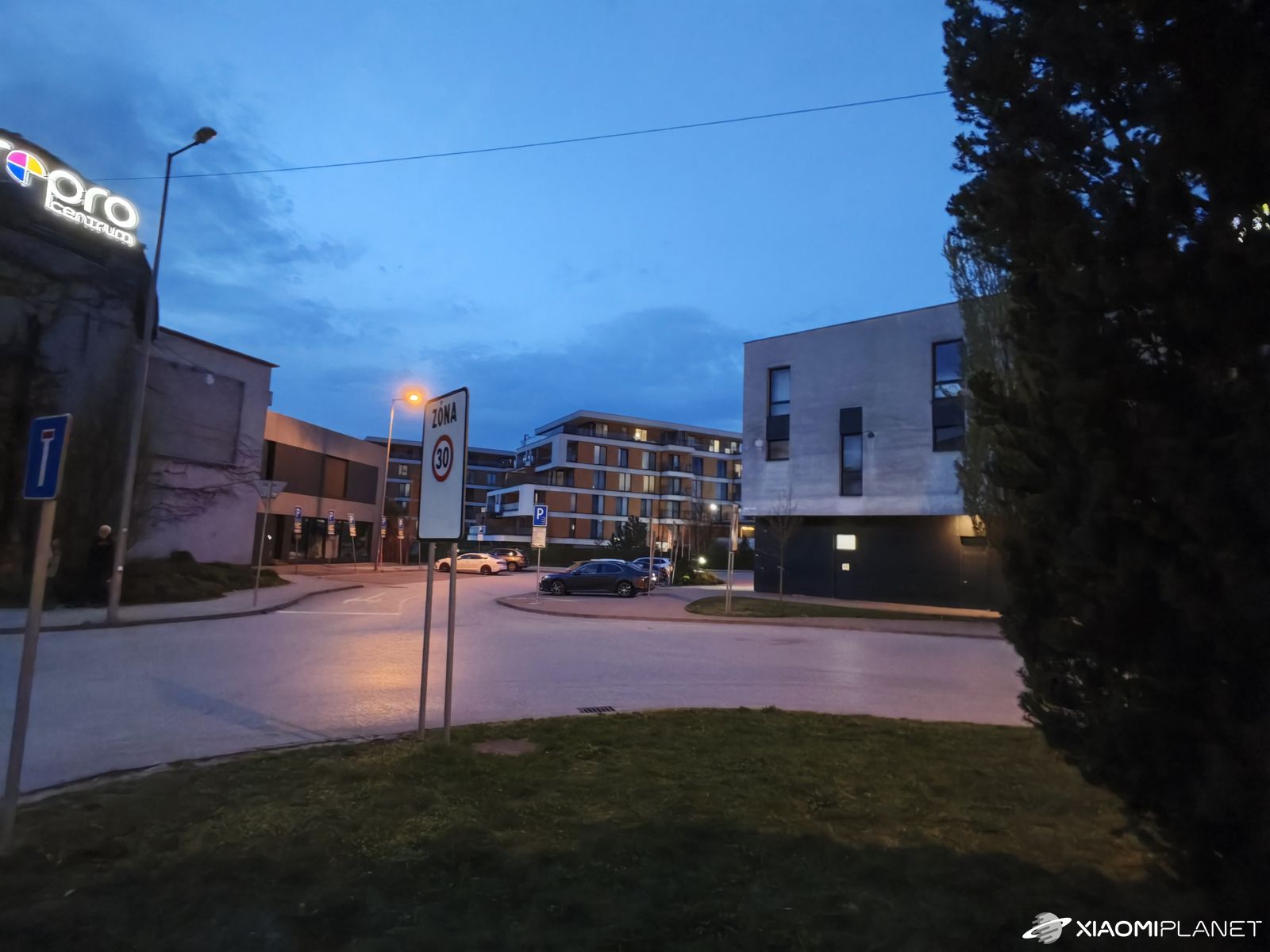
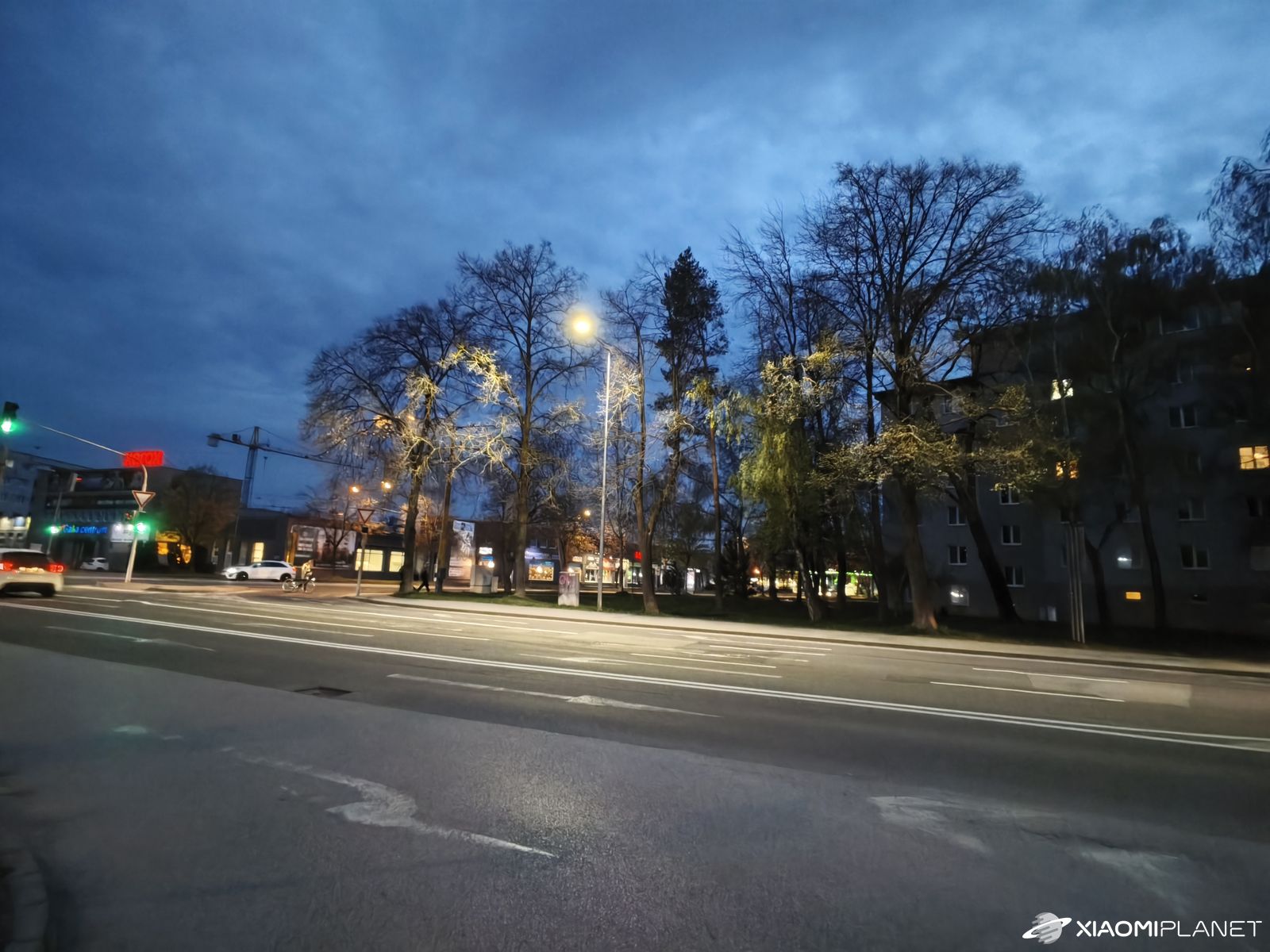
After sunset, the advantage of Xiaomi's larger sensor really came through. The Xiaomi 17 captures more light, handles shadows better, and at the same time keeps a higher level of detail. Its photos are usually less blurry (thanks to larger sensors that capture more light), but in both cases, when shooting in the evening, you need to hold the devices steady.
When photographing historic buildings, night streets, or objects in a dark interior with Xiaomi, more fine textures and details remained in the frame. Lamps and advertising signs were better controlled and less blown out. This was especially visible in complex scenes combining strong light sources and dark parts of the photo.

Pixel 10 is still one of the better night camera phones, but when zooming in on the photos, stronger noise reduction was visible. In some cases, we also noticed odd processing of light sources and a loss of detail around the lamps. The difference between the two phones was most pronounced in night scenes, and Xiaomi pulled furthest ahead here. The individual samples are divided by the type of lens used.
Ultra-wide camera: Quality for the price of the field of view
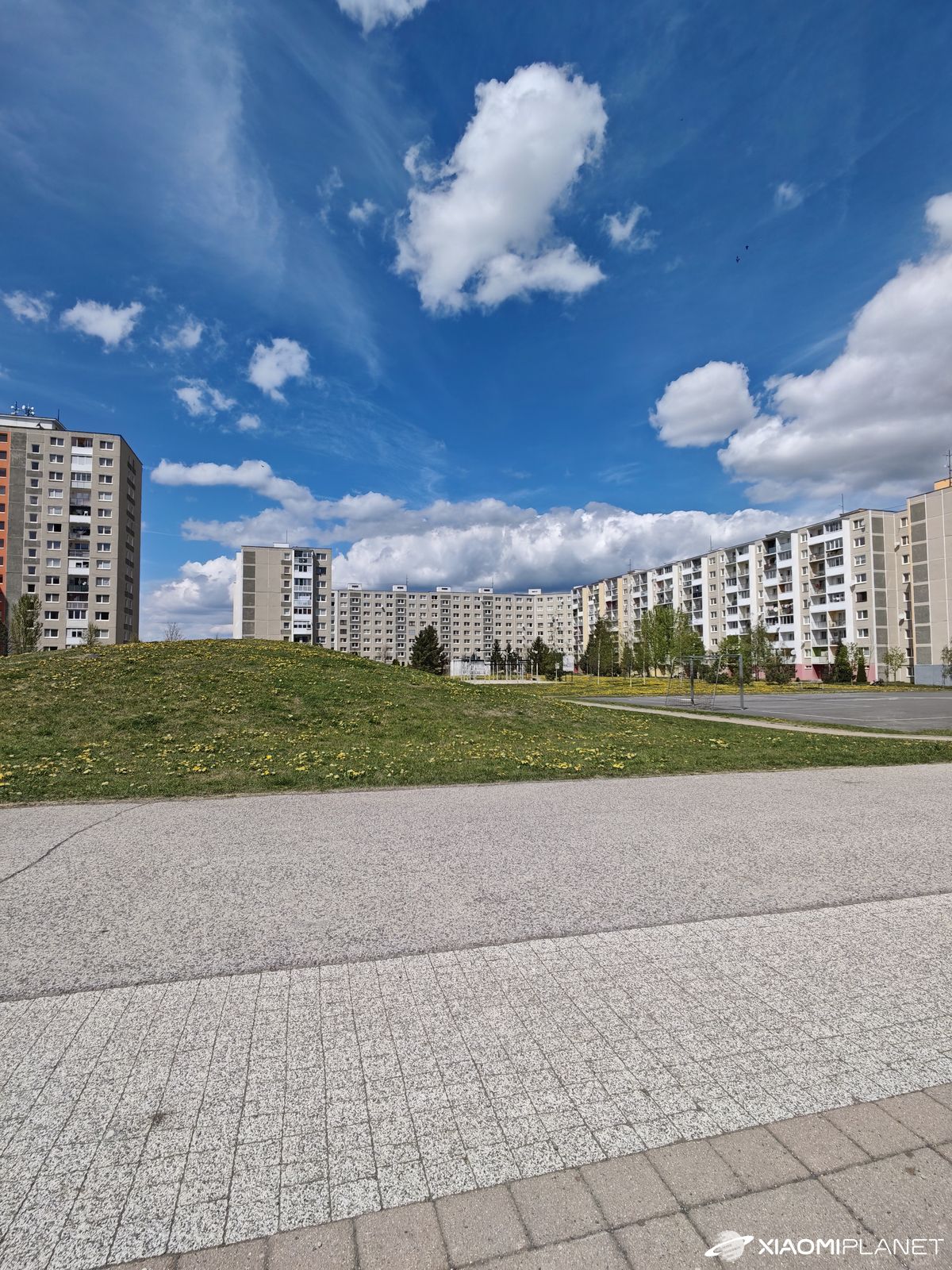
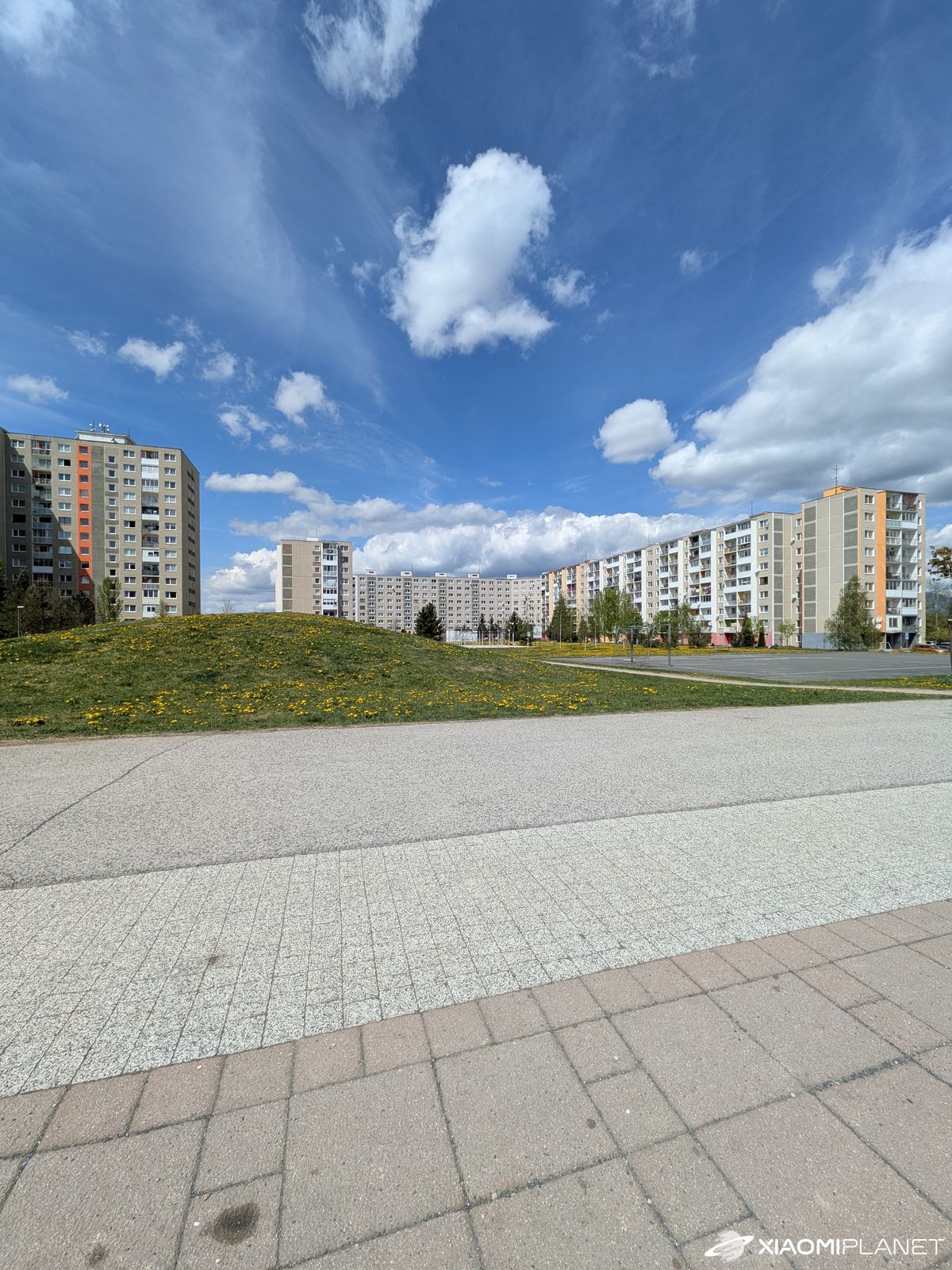
If there’s any category where there was practically nothing to debate, it’s the ultra-wide camera. Xiaomi uses a full-fledged 50 MP sensor, while Pixel only offers a 13 MP solution.
The difference in sharpness is immediately visible. Xiaomi produces significantly more detailed shots, handles fine textures better, and also preserves a very similar color rendering to the main camera.
Consistency between the lenses is among the best we’ve seen on a smartphone. Pixel does deliver usable results, but when you zoom in, the difference in resolution and the amount of detail is clearly noticeable.
On the other hand, Pixel offers a noticeably wider, 120-degree field of view. In a direct comparison, that difference is more than just obvious — Xiaomi has only a 102-degree viewing angle, which was sometimes hard to tell apart from shots taken with a standard main sensor camera. So here, you’re basically getting quality and more volume for the price of a lens that isn’t actually as ultra-wide as we’d like.
Samples from the ultra-wide camera:






















Conclusion of the Xiaomi 17 vs. Google Pixel 10 comparison
Google Pixel 10 remains a very good photography phone and is still among the most realistic-looking smartphones on the market. This year, however, the software couldn’t fully mask the hardware differences.

Xiaomi 17 delivers more detailed photos in both daylight and at night, a better telephoto lens, a significantly improved ultra-wide camera, and one of the most interesting detail-capture photography systems we’ve tested on a smartphone.
Which smartphone do you think takes better photos?
What’s most important, though, is that photos from Xiaomi simply entertained us more. They were sharper, more vivid, more detailed, and in most scenes also visually more attractive.
And while Pixel 10 still stays closer to reality, in everyday shooting we almost always picked the Xiaomi 17 frame—not only because of the overall look, but also thanks to a much higher level of preserved detail.
To get more updates from the world of Xiaomi, keep following our Xiaomi Planet website. Join our Facebook group, where we build an active community and help each other out. Subscribe to our Telegram as well, where we add the best deals and coupons from China every day.
Don’t miss the best coupons 📩
Subscribe and we’ll email you new coupons before they expire. We only send it once a month — no spam.