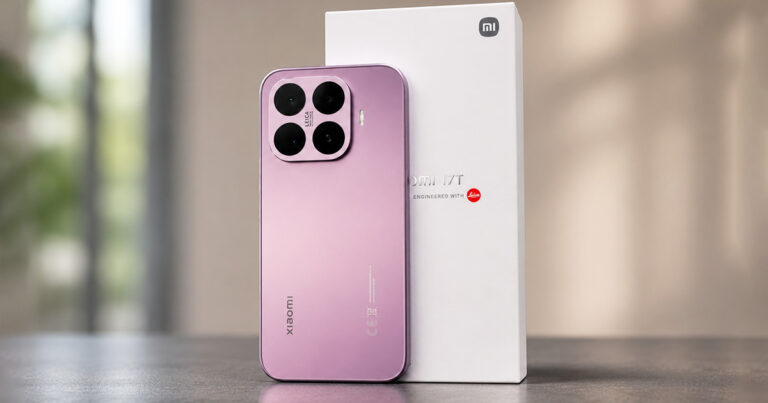


 Source: mi.com
- Memory prices have risen by about 5.5x over a year
- The 12 + 256 GB memory costs almost 2 000 yuan (about 269 €)
- Redmi K100 is 900 yuan more expensive than K90
- Allegedly, some phone and tablet lines will end
Redmi Hu Xinxin, the Redmi product manager, admitted on Weibo that over the last 12 months, phone memory prices have risen roughly 5.5 times, which is why it’s much harder with new phones to decide where to save. According to public data from analytical firms she cites, the price of the memory itself for the 12 + 256 GB version is approaching 2 000 yuan (about 269 €). Her statement was picked up by the Chinese website IT Home.
The post came a day after the Redmi K100 was unveiled and explains why the new phone is more expensive than its predecessor. In China, the stock November price of the base K100 is 2 999 yuan (about 404 €), so according to this data, the memory itself would make up about two-thirds of the amount the customer pays for the phone.
Redmi K100 is 900 yuan more expensive than K90
Last year’s Redmi K90 in China at launch in October 2025 was sold from 2,599 yuan (about 350 €) for the 12 + 256 GB version. The new Redmi K100 has an official price of 3,499 yuan (about 471 €) for the version with the same memory, i.e., it’s by 900 yuan (roughly 121 €) more. The 12 + 512 GB version is similar: it cost 3,199 yuan on the K90 and 4,099 yuan on the K100 (about 552 €).
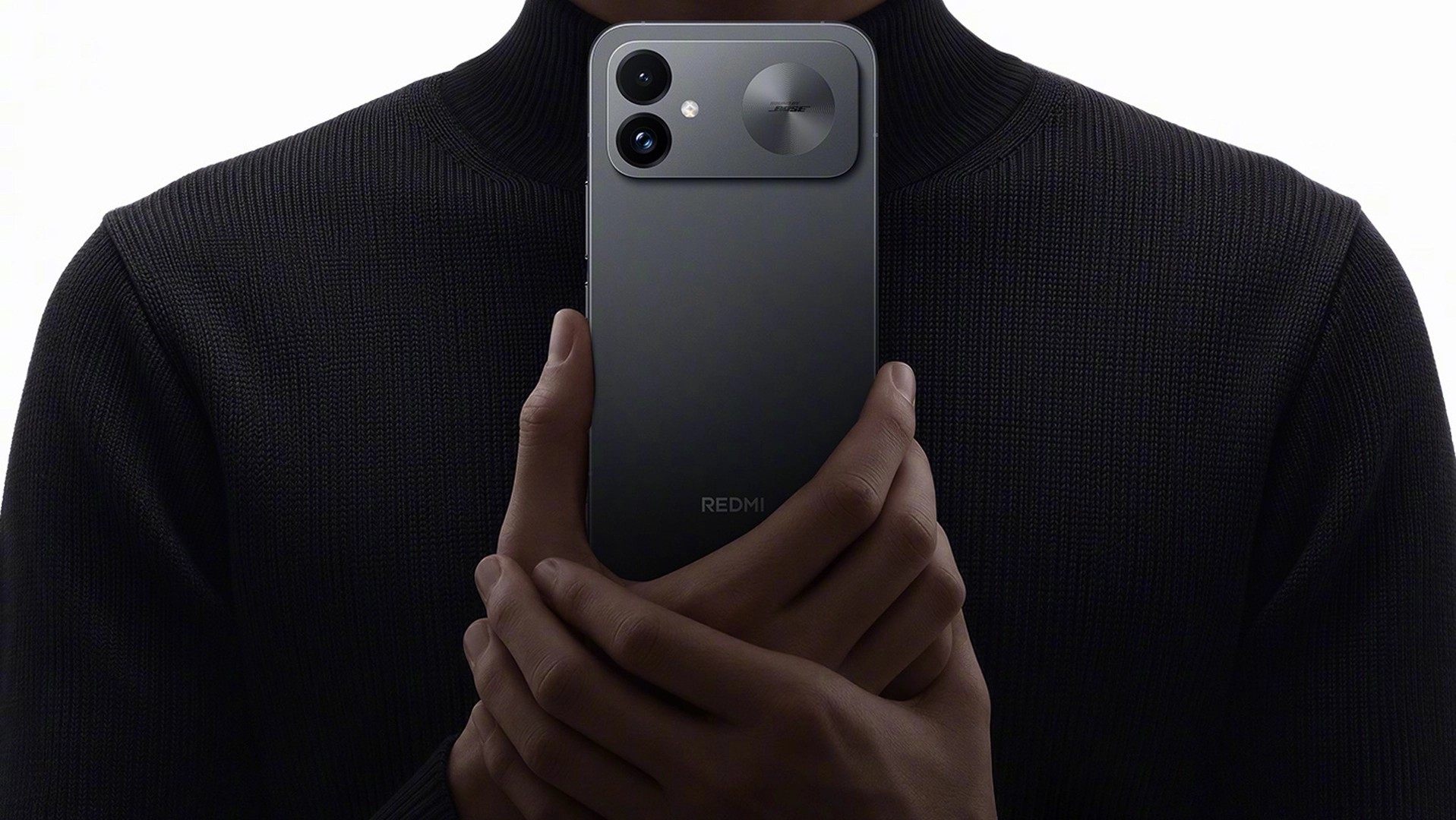
The higher price of Redmi is softened with promotions. During the Chinese Double 11 clearance sale, the base K100 is sold for 2,999 yuan and, with a government subsidy, it can go down to as low as 2,549 yuan (about 343 €). The highest 16 + 512 GB version is officially 4,499 yuan (about 606 €), and on sale for 3,899 yuan. According to the website XimiTime, the K100 will remain on the Chinese market only.
Allegedly, some phone lines will end
Chinese leaker Digital Chat Station claims that several well-known phone and tablet lines will stop being refreshed because, at today’s component prices, it’s not worth it for manufacturers. The Xiaomiui website adds that new models wouldn’t bring any profit to companies or would even lead to losses. The leaker didn’t name brands or specific models, so for now this is an unverified leak.
Some companies have already started canceling entire projects. Meizu announced on February 27 that it is pausing the development of its own phones for the domestic market and is looking for a partner to manufacture the hardware. In July, OPPO moved the realme brand to overseas markets, so in China it won’t release new models. OnePlus, meanwhile, stopped launching new phones in Europe and North America, but in China and India it continues.
Even Xiaomi itself has canceled the Mi 18 Ultra for Europe and, in China, the base Xiaomi 17 was increased in price twice over the summer. Other manufacturers also raised prices, and Xiaomiui mentions, for example, the OPPO Reno 16, OPPO K14 Plus, realme 16, Huawei nova 16, or Google Pixel 10a. Xiaomi 17T also became more expensive in India, even though Xiaomi previously promised it wouldn’t pass the entire burden on to customers.
Redmi admits more than it previously reported to the IDC
Redmi gives an even higher figure than the analytical firm IDC published in October. According to it, memory is 350% more expensive than last year, which is 4.5 times, while Hu Xinxin talks about a 5.5x increase. We wrote more about it in an article about the biggest smartphone market slump, in which Xiaomi delivered 29.2% fewer phones than a year earlier.
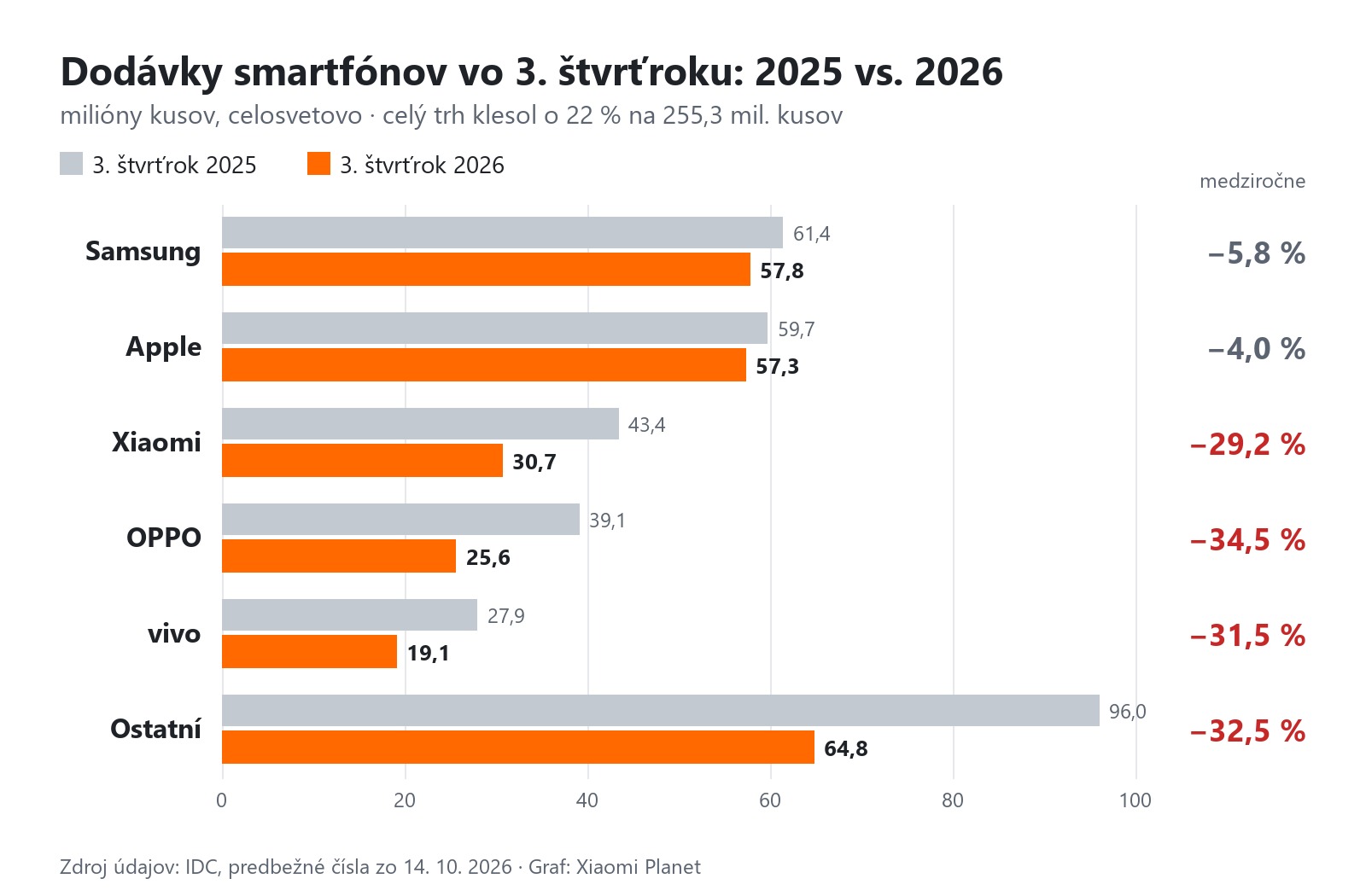
According to Xiaomiui, memory prices will rise at least until the year 2028. That’s why, apart from price hikes, manufacturers also put less memory into new models—just like Xiaomi did with the Redmi Note 17 Pro New Edition, which has up to 12 GB of RAM instead of 8 GB.
Why it’s worth checking out older models in November
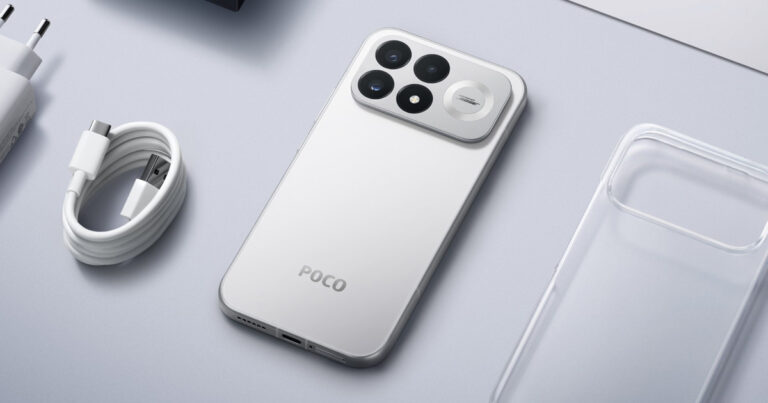
Phones that hit the market before this round of price hikes had memory bought at old prices, so they often come with more RAM and storage than new models for similar money. When the sales start in November, it’s worth checking last year’s models too, e.g. POCO F8 Pro with 12 GB RAM, which launched in November 2025.
For an older model, before buying, check whether it’s the global version and how many HyperOS updates it will still get. Stock of older phones is gradually running out, so it’s not worth waiting until the end of the sale to buy.
To get more updates from the world of Xiaomi, keep following our Xiaomi Planet website. Join our Facebook group, where we build an active community and help each other out. Subscribe to our Telegram as well, where we add the best deals and coupons from China every day.
Don’t miss the best coupons 📩
Subscribe and we’ll email you new coupons before they expire. We only send it once a month — no spam.