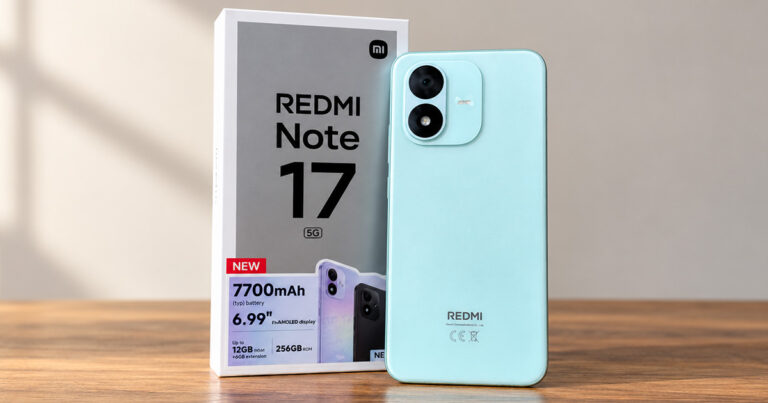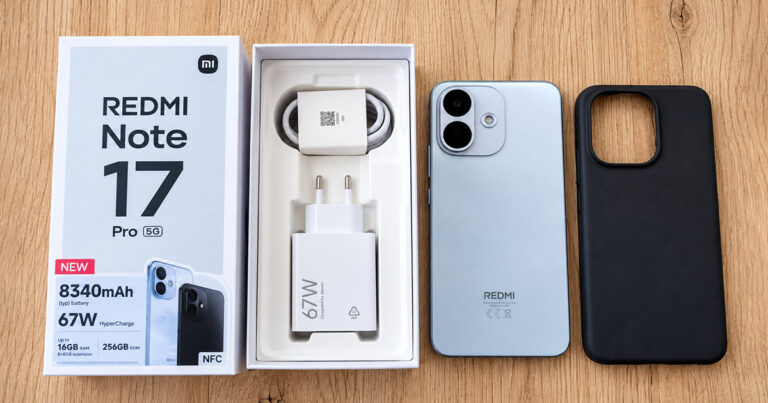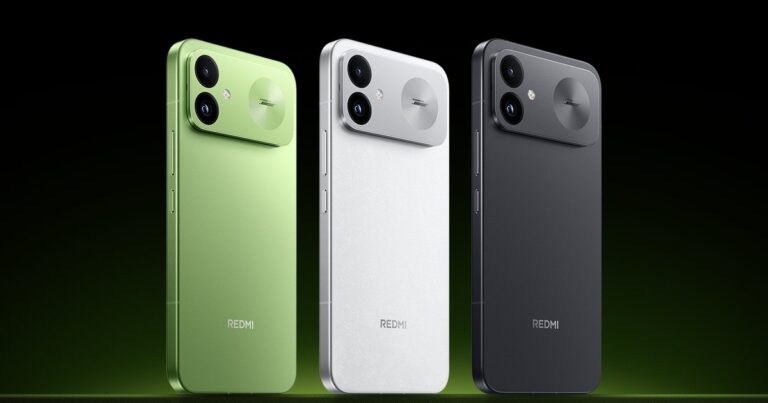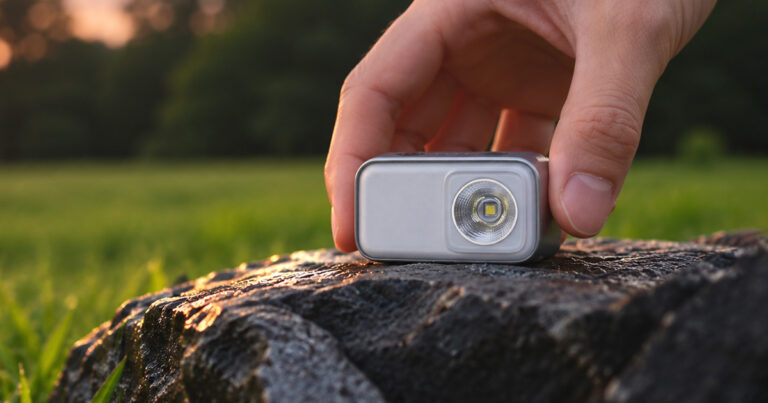

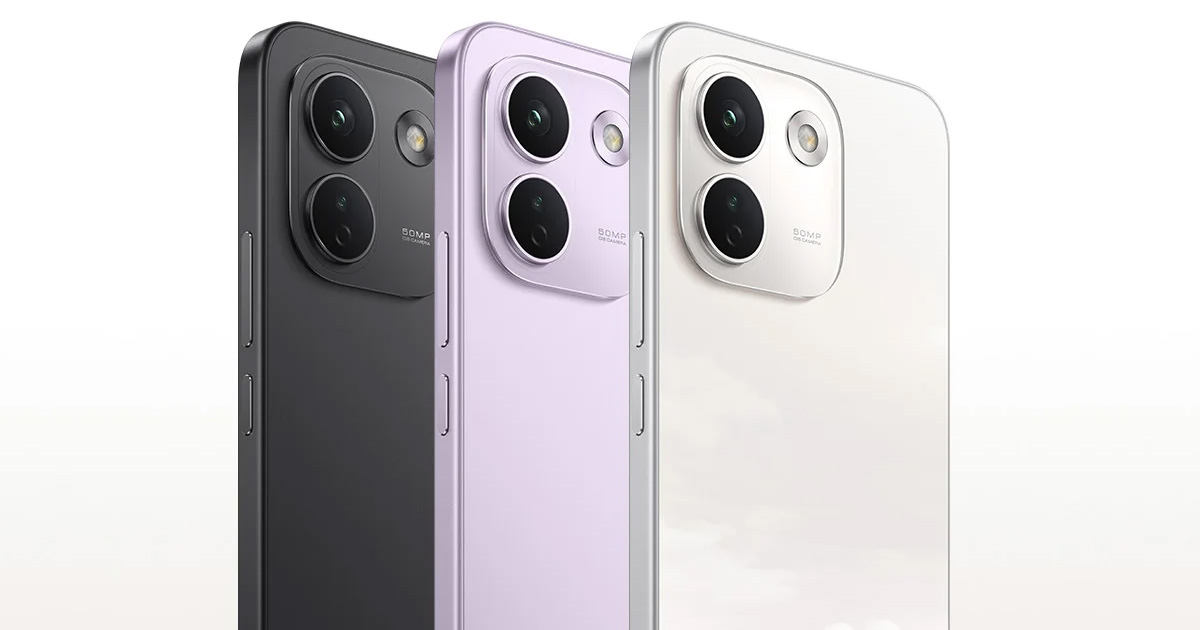
- Xiaomi unveiled in Japan REDMI Note 17 Pro Max 5G — the very first Pro Max model in the Redmi Note lineup.
- It’s Xiaomi’s first phone with a 10,000 mAh battery, built using silicon-carbon technology with 16% silicon.
- According to the manufacturer, it lasts up to three days of normal use, charges at 100 W, and after 1,600 cycles it should still have over 80% capacity.
- The body has IP66/IP68, certification for 72 hours in two meters of water, and a three-meter drop onto granite.
- Despite the huge battery, it’s a slim 8.65 mm and weighs 229.5 grams.
When the first rumors about a battery with a capacity closer to a power bank surfaced in April, it sounded like the usual inflated expectation before launch.
Update: 27. 8. 18:00: Xiaomi has since introduced the REDMI Note 17 Pro Max for global markets including Europe and published the European price — the 8 + 256 GB version costs 599.90 €. Watch out for one crucial difference noted by the website Notebookcheck: the European model has a 9,210 mAh battery, not 10,000 mAh like the version for some other markets. So the leaks mentioned in the sentence above are confirmed exactly. Charging remains at 100 W, and reverse charging is 27 W.
Xiaomi’s first phone with a 10 000 mAh battery
Xiaomi launched the REDMI Note 17 Pro Max 5G on the Japanese market, as first spotted by the website Gizmochina—and it’s a premiere twice over right away. It’s the first Pro Max–branded model in the entire history of the Redmi Note line, and at the same time the brand’s first phone with a 10,000 mAh battery. Until now, even the most long-lasting models hovered around the seven-thousand range.
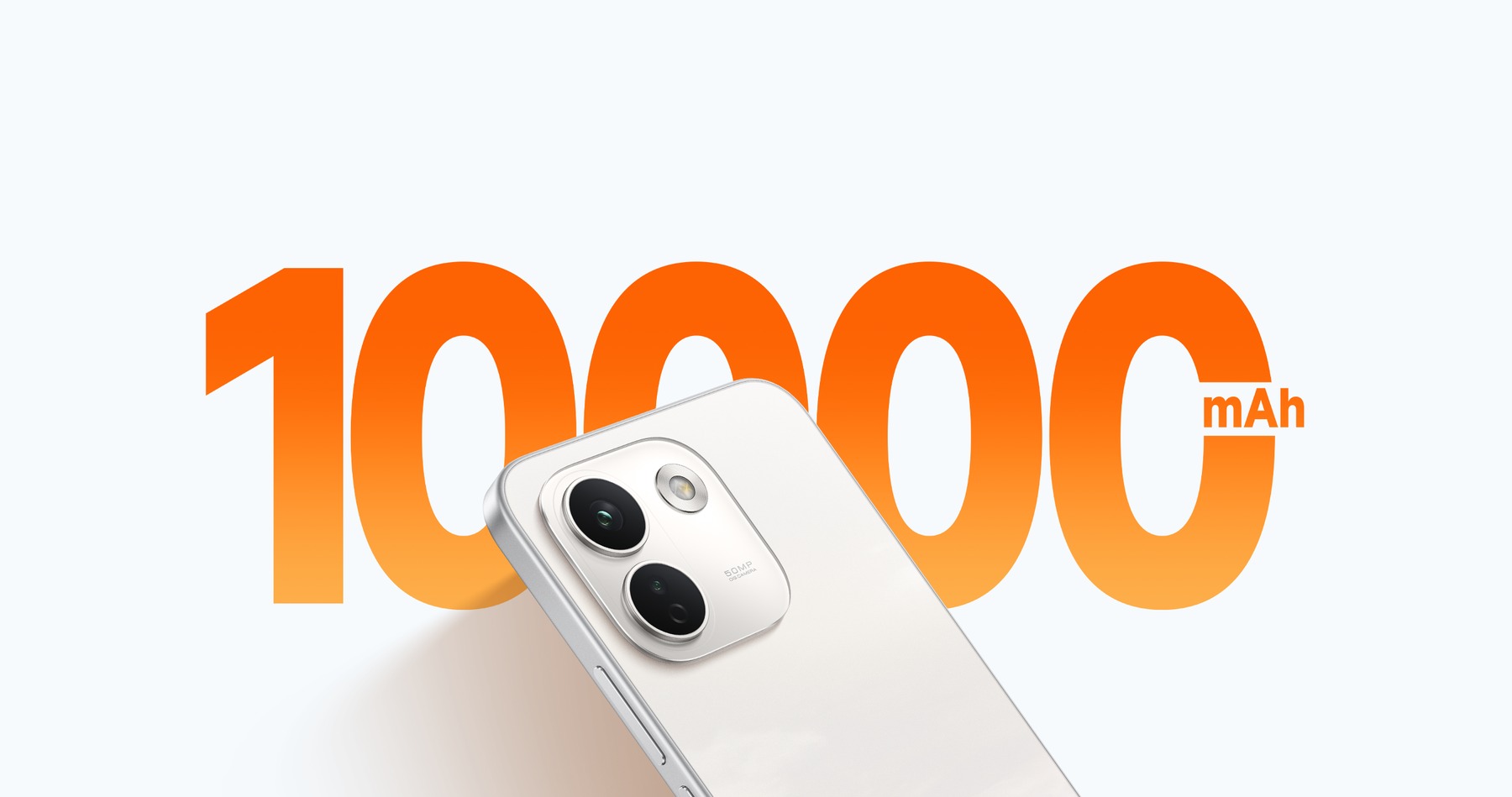
The key is silicon-carbon technology with a silicon share of 16 %, thanks to which such a capacity fit into the body of the thick 8,65 mm with a weight of 229,5 grams. Xiaomi promises up to three days of everyday operation, or 40 hours of video playback, 24 hours of navigation, or 21 hours of gaming. In an undemanding outdoor mode, it even claims up to two weeks.
One hundred watts and a battery that won’t age
A big battery is usually offset by slow charging—but that doesn’t apply here. The phone supports 100W charging and, according to the manufacturer, 20 minutes is enough to get you through the whole day; ten minutes in the outlet is said to be enough for seven hours of video. It also supports 27W reverse charging, turning it into a power bank for earbuds or smartwatches.

However, the more interesting second figure is about the battery’s condition. A Xiaomi Surge G2 chip and TÜV SÜD certification say that after 1,600 charging cycles, the phone will keep over 80% capacity—roughly about six years of use. Battery degradation is often the reason why a perfectly functional phone ends up being retired after a couple of years, so this promise carries more weight in practice than the raw capacity number itself.
REDMI Titan: 72 hours underwater and a three-meter drop
Xiaomi calls the design REDMI Titan Structure, and durability is backed by certificates. In addition to IP66 and IP68 protection, the phone passed 72 hours at a depth of two meters under TÜV SÜD supervision, and SGS confirmed a three-meter drop onto granite. The display is protected by Corning Gorilla Glass Victus 2.
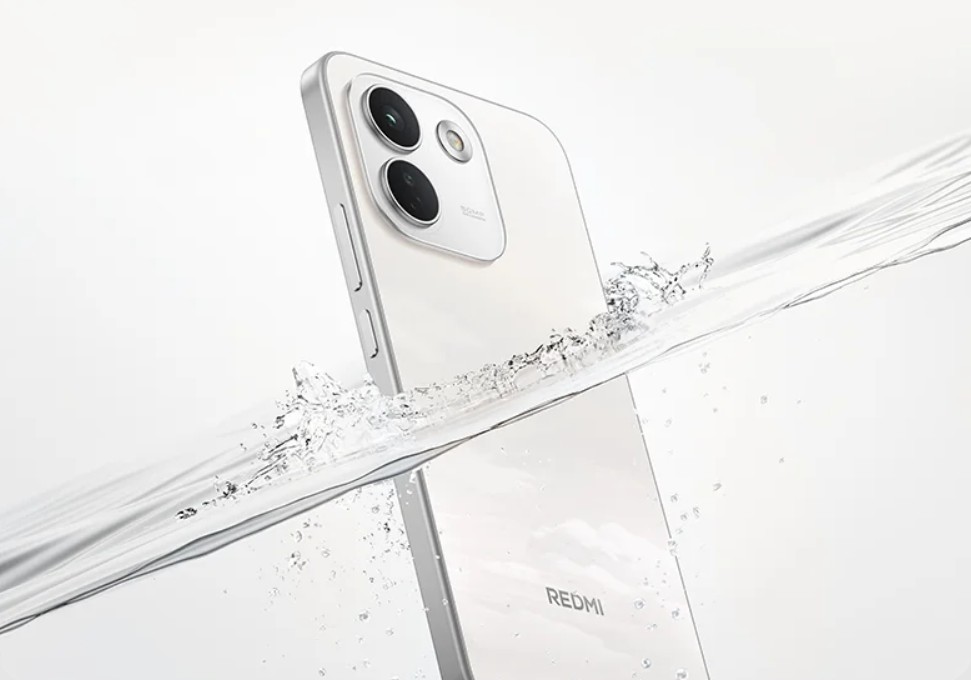
A spoof mode for photo and video recording has also been added, after which your speaker vibrates and ejects the water on its own. Xiaomi, however, adds clear boundaries: it works only for standing fresh water up to two meters and for a maximum of half an hour, not for pools, the sea, or diving.

IP68 rating still always applies to lab conditions, not normal handling — something worth keeping in mind for every phone, not just this one.
Display and performance
On the front you get a 6.83″ AMOLED with 1.5K resolution, a 120 Hz refresh rate, and a peak brightness of 3,500 nits — a value we don’t usually see in this class. The panel offers 12-bit color depth, PWM dimming at 3,840 Hz, and TÜV Rheinland certifications for low blue light as well as a glare-free mode.
Power is handled by the Snapdragon 6 Gen 5 built on a 4nm process — it’s not a flagship chip, and it’s the only place where you can clearly tell it’s a mid-range device. The base 8 GB of RAM can be expanded via memory expansion to 16 GB. The system is HyperOS 3 with six years of security updates and four major Android version upgrades.
Cameras: light lens f/1.5 and 4K video
The main work is done by a 50 MP sensor with optical stabilization, pixel size of 0.8 μm, and a six-element lens. The most interesting figure, however, is one you almost never see in this class — the f/1.5 light sensitivity. The lower the number, the more light the lens lets in to the sensor, so the phone can use a shorter shutter speed in dim conditions and raise sensitivity less. In practice, that means fewer blurry shots and less noise after dark.
The second lens is an 8 MP ultra-wide with 1.12 μm pixels and f/2.2 light sensitivity. Be fair here: eight megapixels on an ultra-wide lens is basically a requirement today rather than a truly full-fledged second camera, and you shouldn’t expect detail to be great. On the front, though, there’s unexpectedly strong 32 MP selfie camera with 0.61 μm pixels, f/2.2 light sensitivity, and a four-element lens.
On the software side, the camera app offers HDR, portrait mode, Ultra HD, panorama, document mode, pro mode, and live photos (Live Moment), and saves photos in HEIF or JPEG formats. Important detail about the spoof mode: according to the official specs, it won’t be available from day one, but will be added later via an OTA update. The phone handles video in 4K at 30 frames per second, or 1080p at 30 or 60 fps — and this applies to both the rear and front camera, which definitely isn’t the norm for mid-range phones.
HyperIsland and AI features in HyperOS 3
The system feature Xiaomi pushes the most is the Xiaomi HyperIsland. It’s a unified area at the top of the display where ongoing activities converge — music playback, timer, alarm clock, and connecting a new device.
You control it directly with your finger; you can smoothly switch between items, and by swiping down from the bar you can expand a floating window with full controls, so you don’t have to jump into an app.
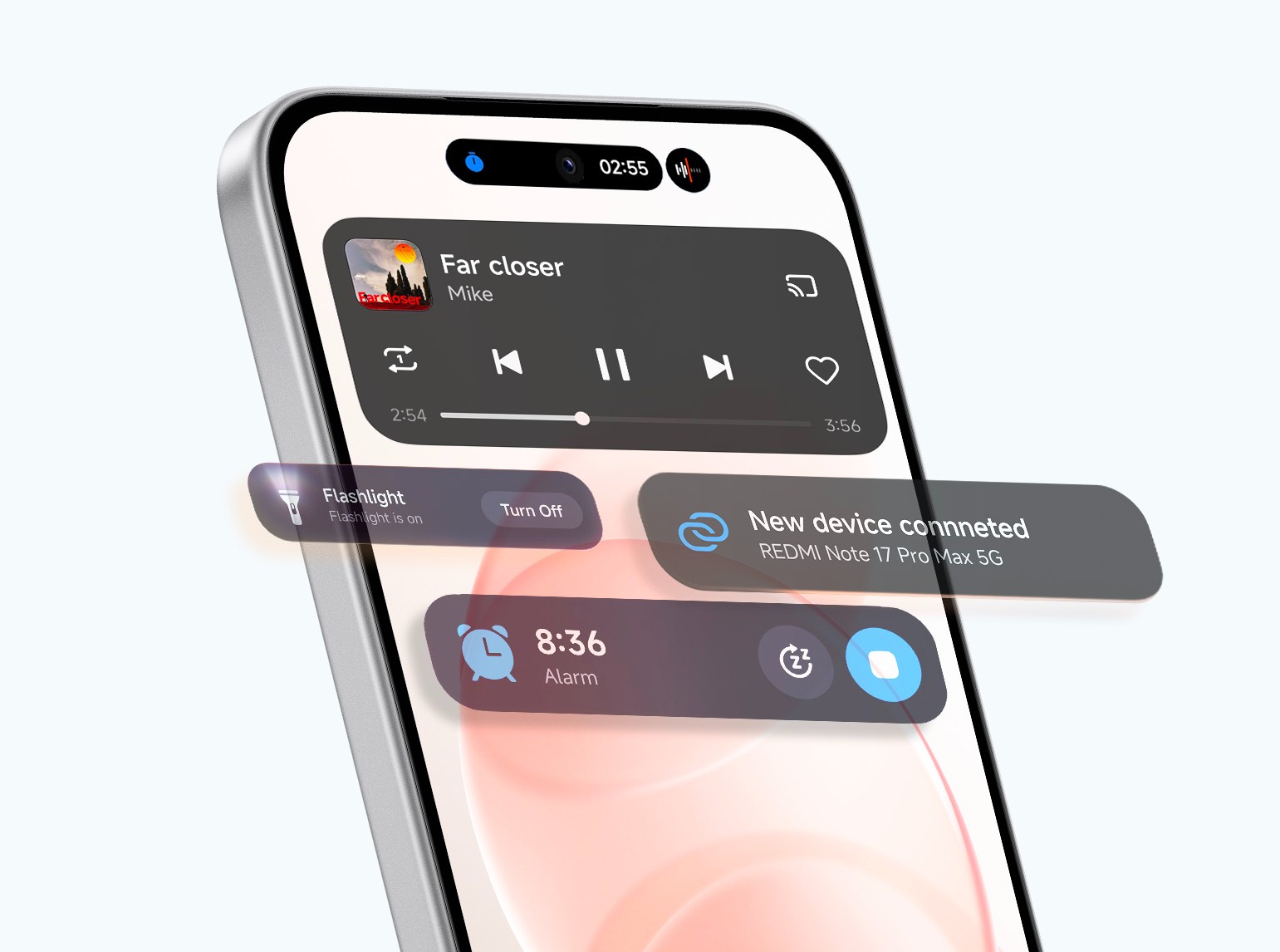
The second layer is a pack of AI features built right into the system. AI writing works in the Notes app, and in DeepThink mode it can pull relevant connections from your input and assemble them into a finished text. AI interpreter translates a face-to-face conversation, and according to Xiaomi it also works offline, so you don’t need data while abroad. AI speech transcription turns a recording into text in real time while you record, and AI dynamic wallpaper turns a regular gallery photo into a moving cinematic background.
Besides its own tools, the phone also includes Google Gemini. In Gemini Live mode, you can share your camera or screen during a conversation and ask about what you’re seeing. Gemini Omni is used for creating and editing video through conversation, and with the Nano Banana model you can generate images. Gemini can also control apps, including those from Xiaomi, so you can complete some actions in the phone with a command instead of clicking.
Colors, price, and when it will be available to us
The phone comes in black, purple, and the Cloud Blush finish, which uses photochromatic technology — in sunlight, the white color changes to a warm pink-orange. This version is also slightly thinner at 8.57 mm.
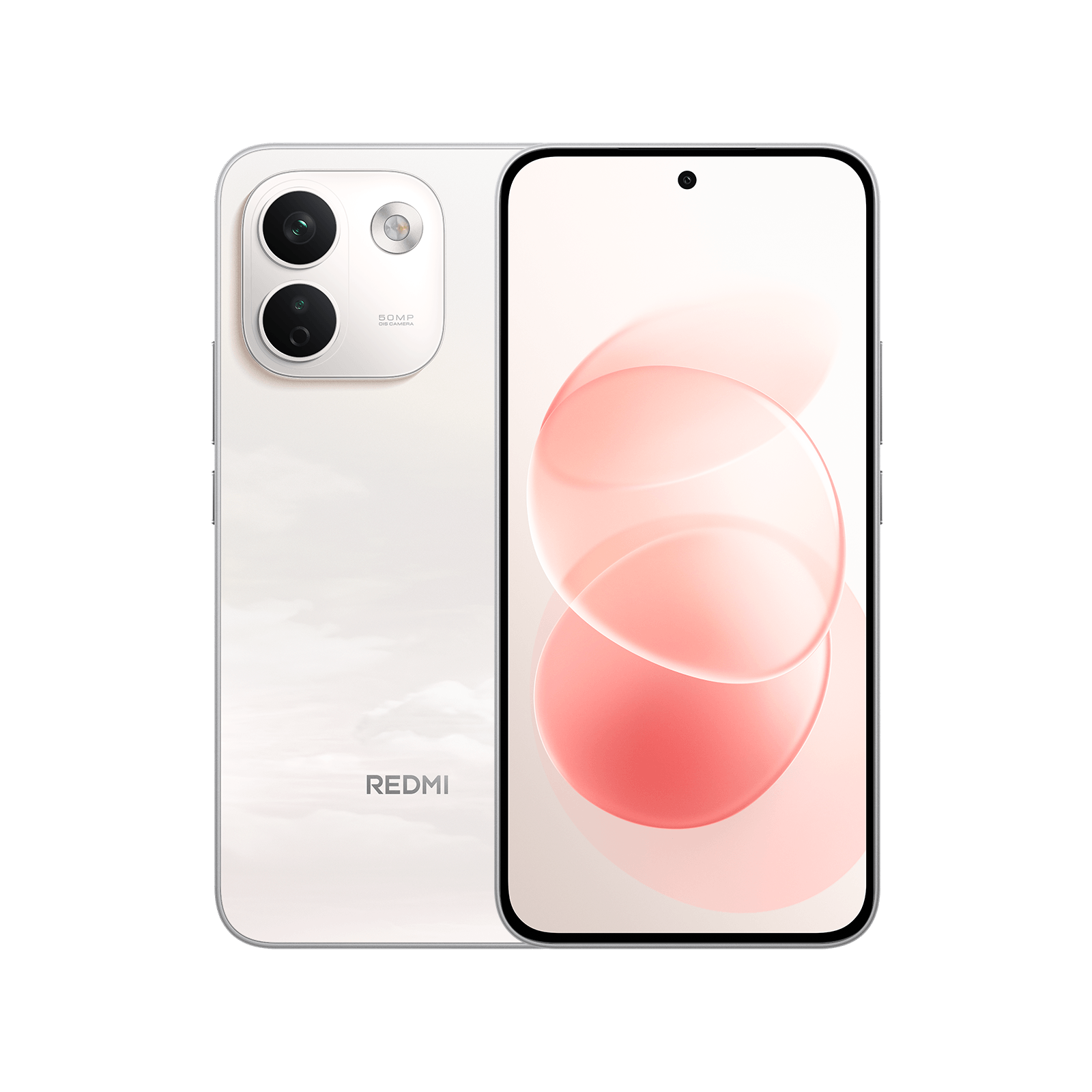
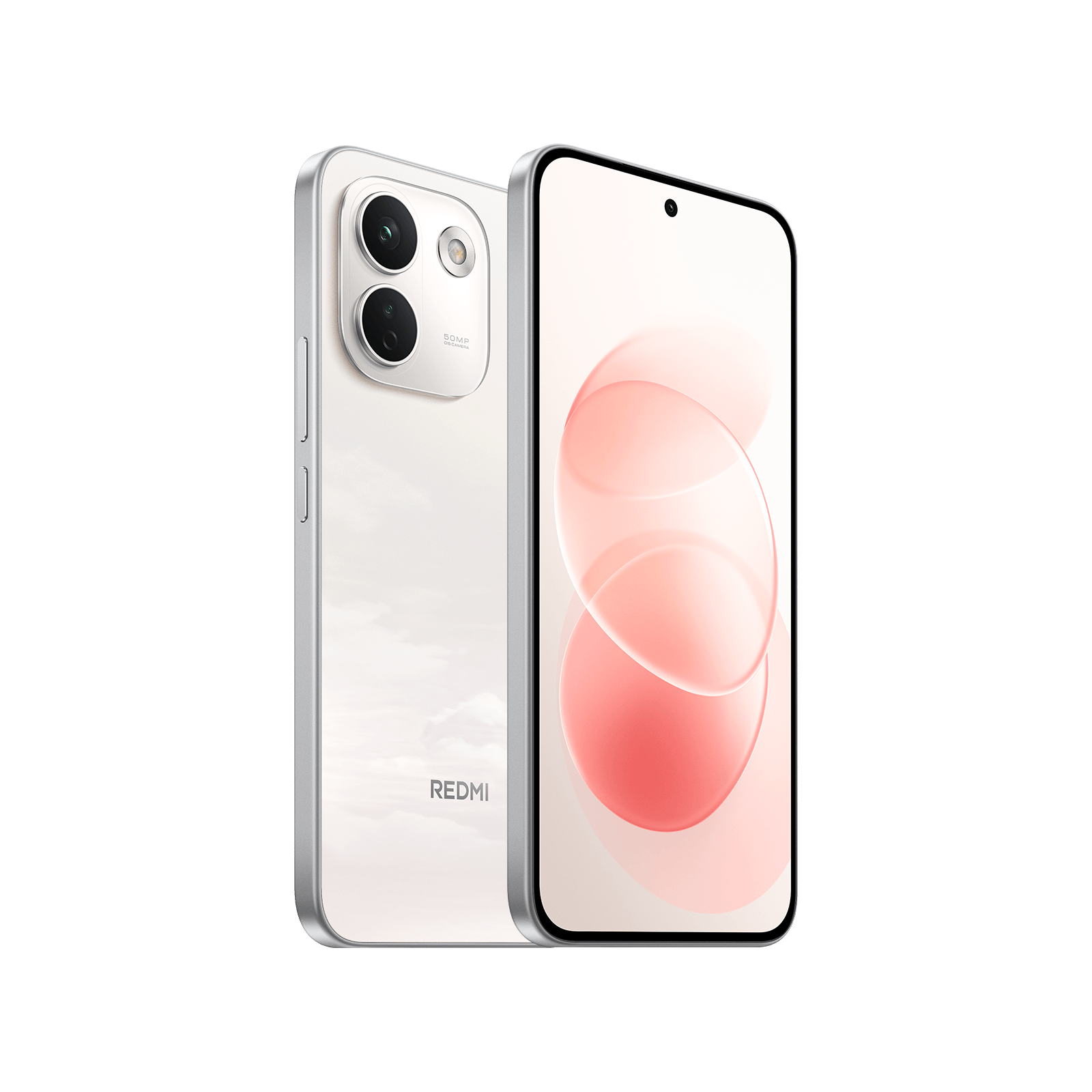
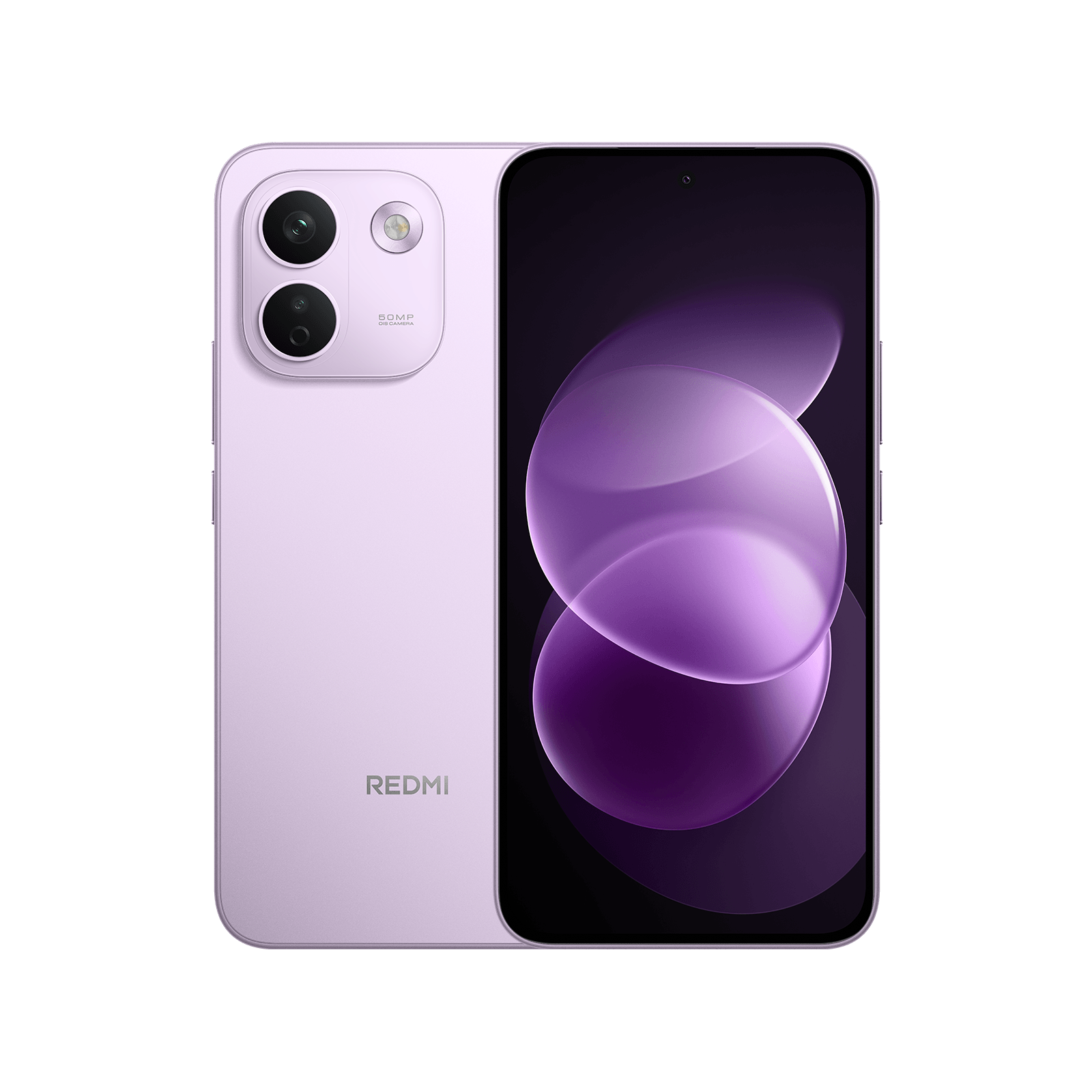
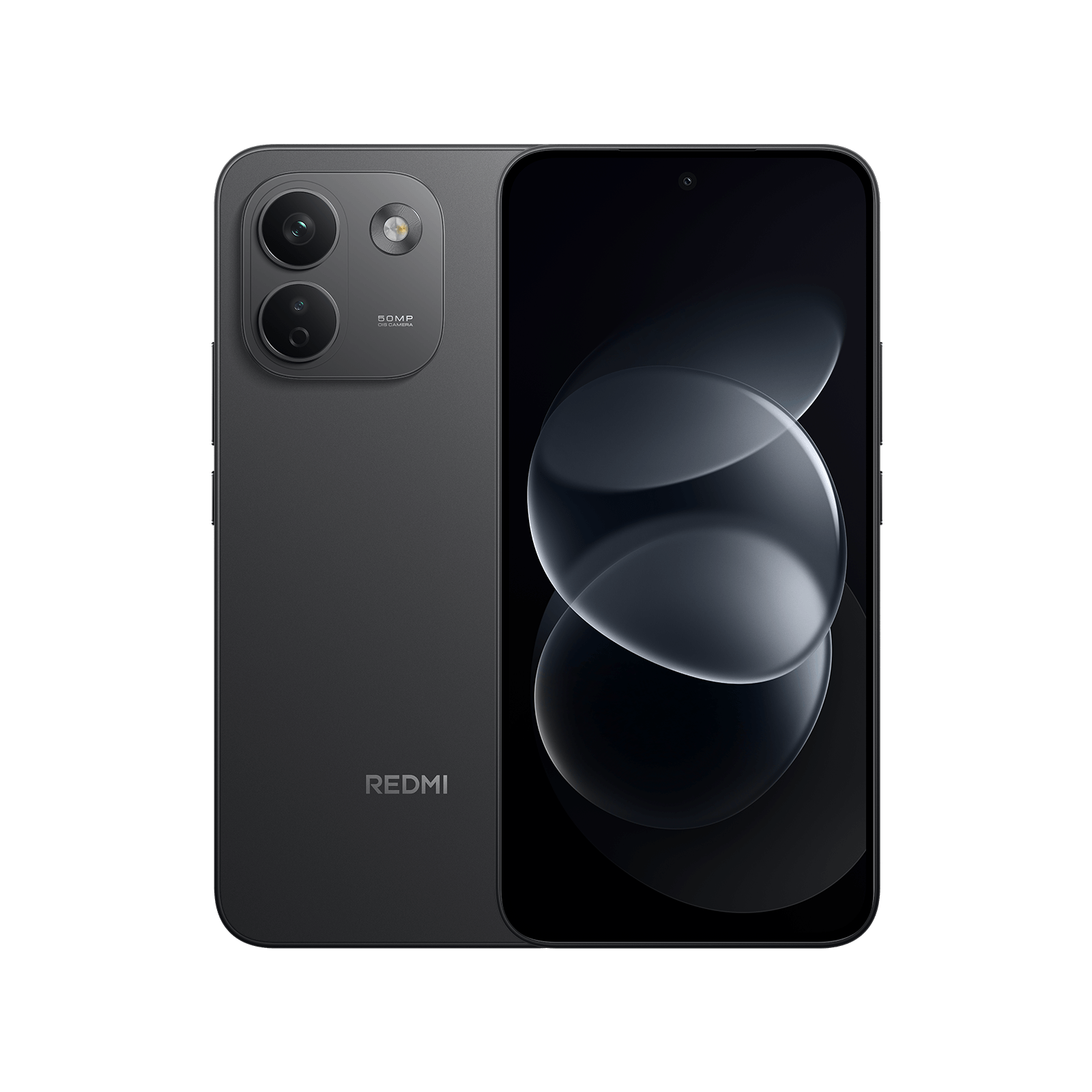
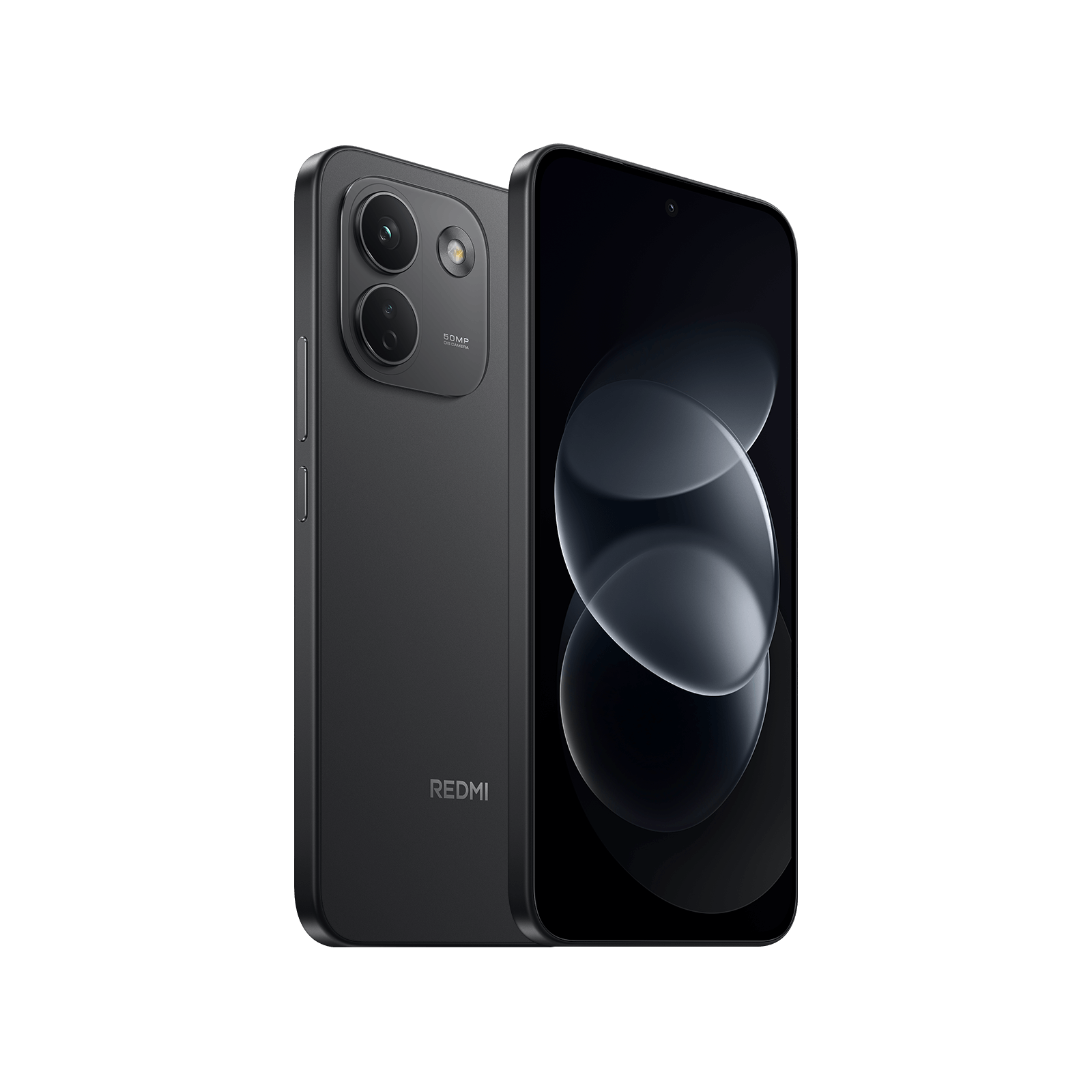
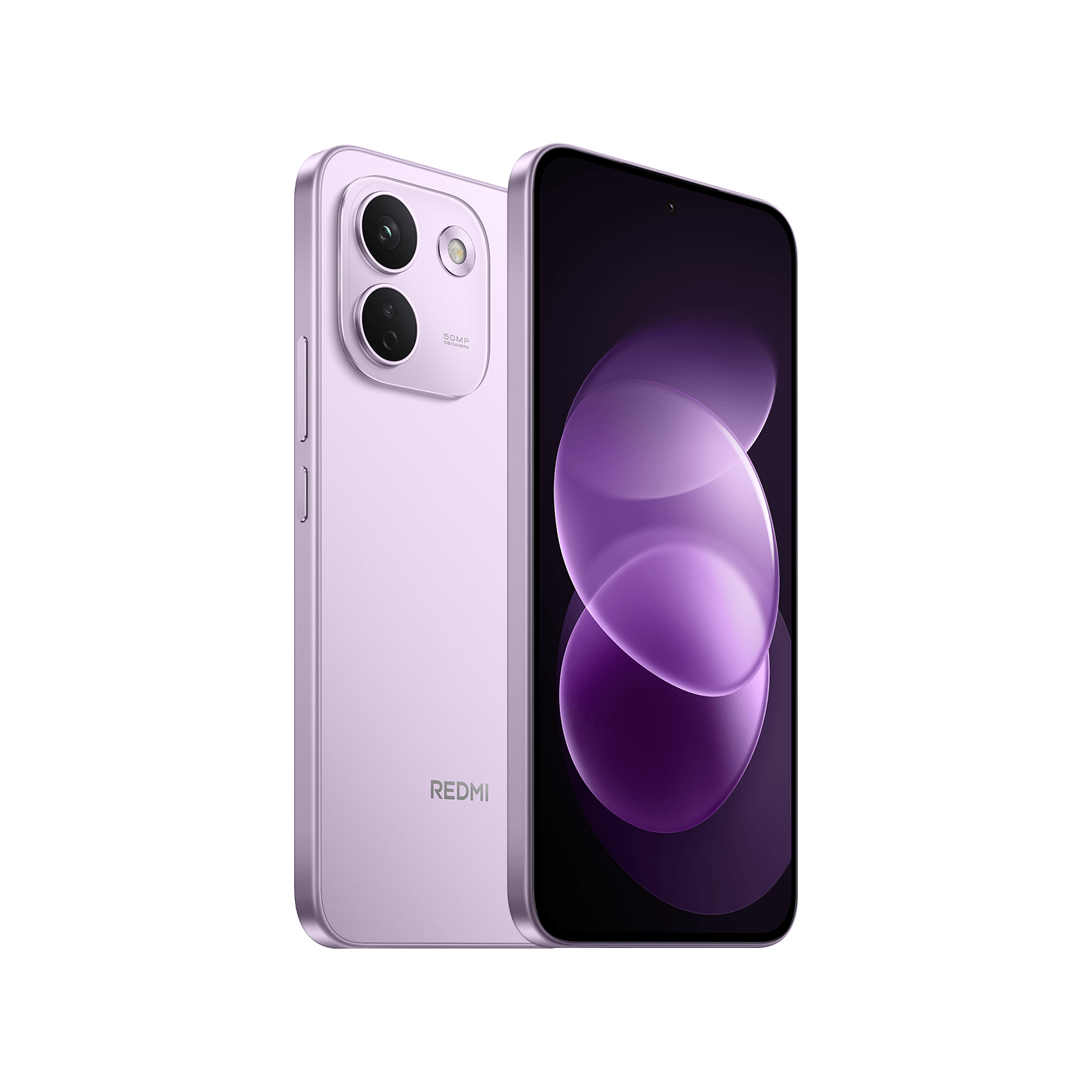
In Japan, it goes on sale on August 28 for 79,980 yen in the 8 + 256 GB version, and 99,980 yen for 8 + 512 GB, which is roughly from €430 to €540 after conversion. Until October 14, an introductory discount of 10,000 yen applies there. Buyers will also get a 24-month quality warranty, one free screen replacement plus a replacement of the back cover, and a battery replacement within 36 months.
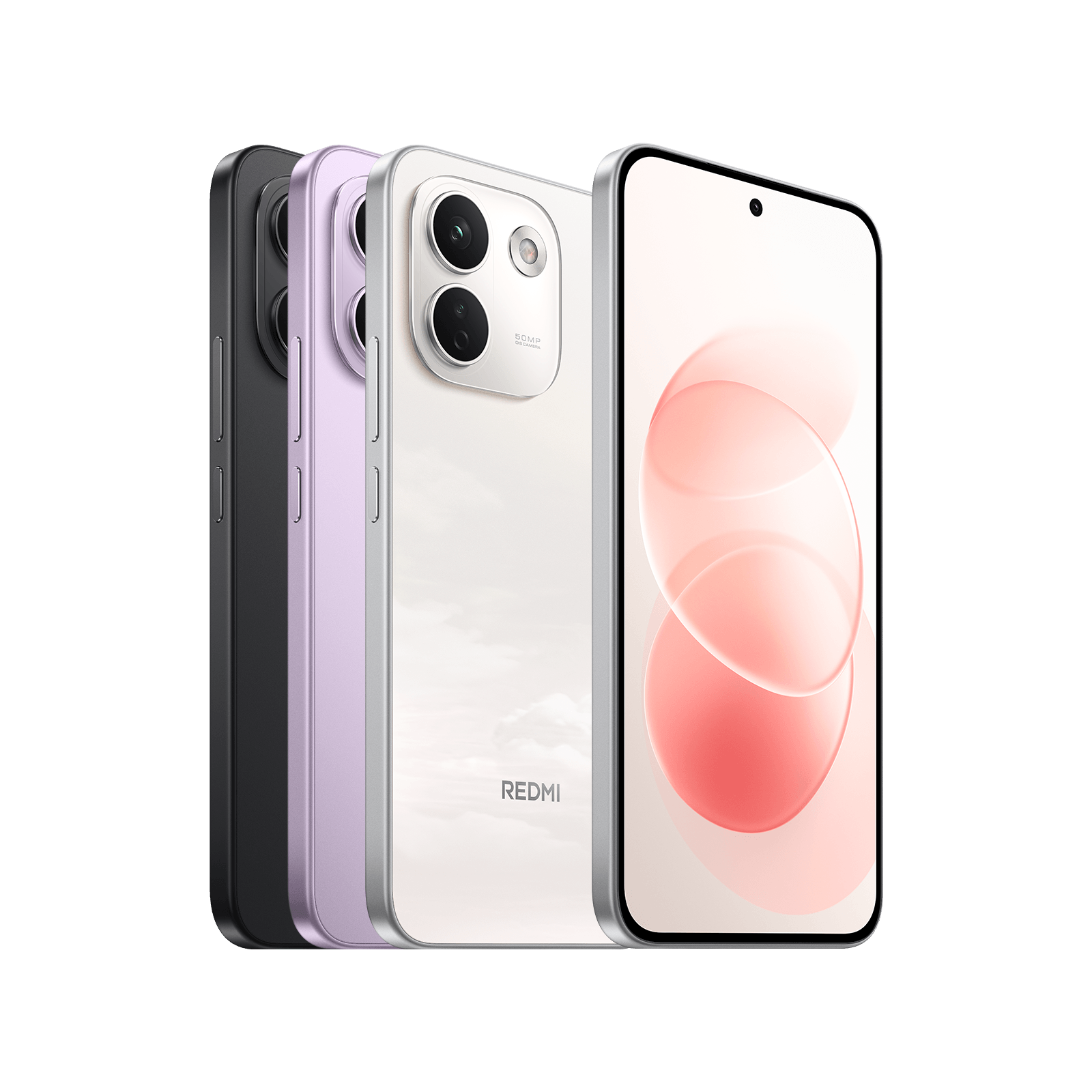
Soon, we can also expect the new release in Europe, as Xiaomi has been teasing the global launch of a new Redmi Note 17 series on its official X account for quite some time.
| - | REDMI Note 17 Pro Max 5G |
|---|---|
| Display | 6.83" AMOLED 1.5K / 120 Hz / 3500 nits |
| Chip | Snapdragon 6 Gen 5 (4 nm) |
| Memory | 8 GB RAM (expandable to 16 GB) / 256 or 512 GB |
| Main camera | 50 MP f/1.5 with OIS (0.8 μm / 6P lens) |
| Ultra-wide angle | 8 MP f/2.2 (1.12 μm) |
| Front camera | 32 MPx f/2.2 (0.61 μm / 4P optics) |
| Video | 4K at 30 fps for both rear and front |
| Battery | 10 000 mAh / 100 W / reverse 27 W |
| Durability | IP66 + IP68 / 2 m after 72 h / drop from 3 m |
| Dimensions | 78.27 x 163.44 x 8.65 mm |
| Weight | 229.5 g |
| System | HyperOS 3 / 4 Android version / 6 years of patches |
To get more updates from the world of Xiaomi, keep following our Xiaomi Planet website. Join our Facebook group, where we build an active community and help each other out. Subscribe to our Telegram as well, where we add the best deals and coupons from China every day.
Don’t miss the best coupons 📩
Subscribe and we’ll email you new coupons before they expire. We only send it once a month — no spam.