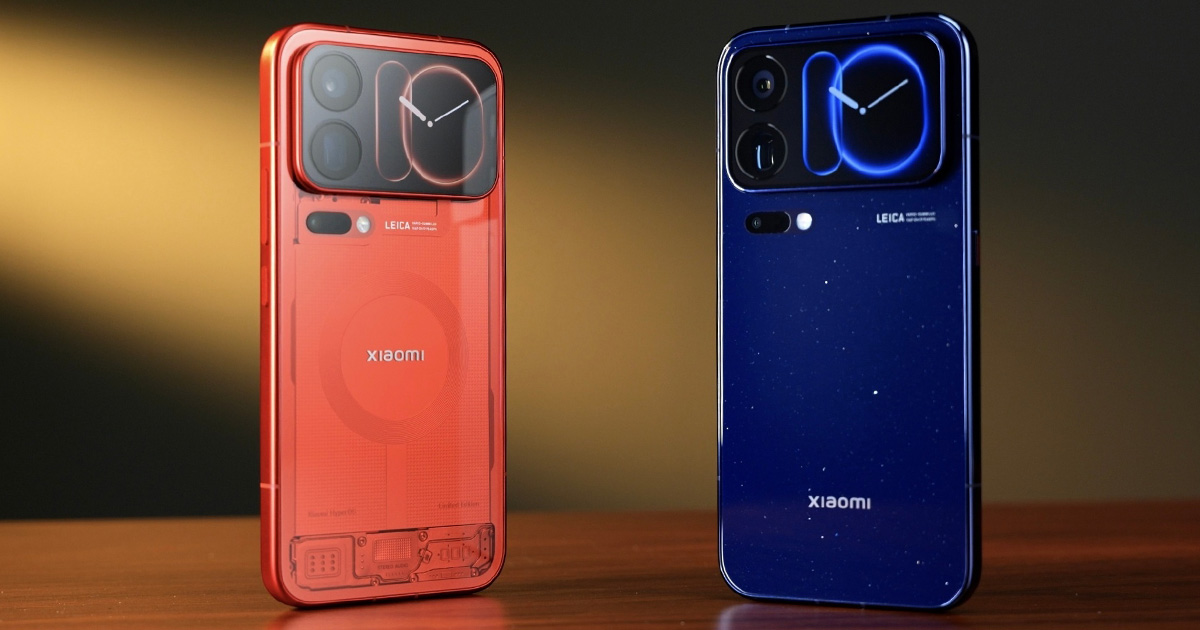
- Xiaomi has introduced Xiaomi 18 Pro and 18 Pro Max, while the base model will arrive separately later.
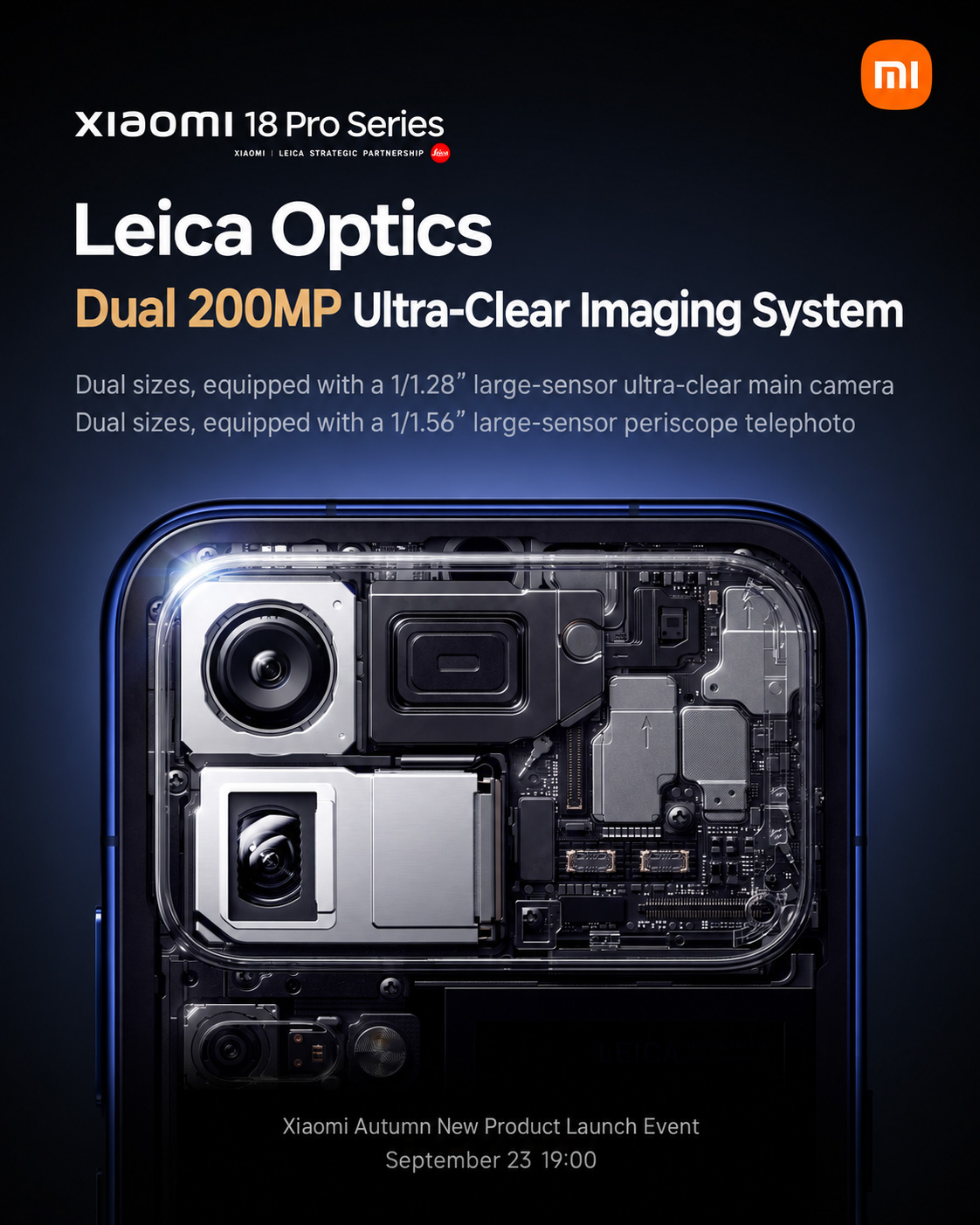
- Both smartphones feature a triple Leica camera with two 200 Mpx sensors.
- The batteries have capacities of 7,000 and 8,500 mAh and support 100 W wired and 50 W wireless charging.
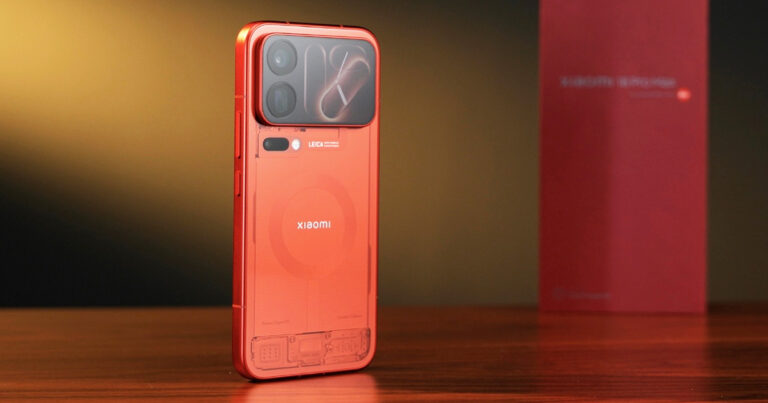
- After six years, the transparent edition is back—this time in a bold red finish.
In September 2026, Xiaomi officially unveiled its new flagship smartphones Xiaomi 18 Pro and Xiaomi 18 Pro Max. The updates include two 200 Mpx Leica cameras, a completely new 2 nm Snapdragon processor, huge batteries up to 8,500 mAh, and an improved rear display. The manufacturer also pleasantly surprised with pricing—lower in China than several leaks had suggested ahead of the launch.
Don’t want to wait? We have the first coupons for the Chinese versions!
Our partner Gshopper has already put the latest series Xiaomi 18 Pro up for sale, and we also have discount coupons available right away! Of course, these are the Chinese versions of the smartphones, which come with certain limitations. The advantage of buying on Gshopper is also tuned duty-free shipping, so you won’t have to pay any customs fees or VAT—everything is already included in the price. The warranty applies only in China and for a duration of 1 year, since these are Chinese versions.
The advantage of the Chinese versions is also the larger batteries, since the global versions are expected to get smaller capacities – the 18 Pro will drop from 7,000 mAh in the Chinese version to 6,000 mAh, and the 18 Pro Max from 8,500 mAh to 7,050 mAh. On our site, you can also find a detailed comparison of Xiaomi 18 Pro vs 18 Pro Max with all the differences.
Here’s the complete list of what works and what doesn’t in the Chinese versions:
- Full support for 4G LTE and 5G networks for Europe ✅
- Full support for Google apps – Google Play, YouTube, Gmail… ✅
- Support for all banking apps ✅
- NFC payments support via Google Pay ✅
- Automatic OTA updates ✅
- Option to uninstall Chinese apps ✅
- Slovak and Czech language ❌ only English and Chinese
- Some parts of the system and the most-used apps can be changed to Slovak via the SetEdit app ✅
- Android Auto ❌ not working
- eSIM not supported ❌ can be handled using this adapter
- Call recording available via the built-in phone app ✅
Two 200 Mpx cameras plus an ultra-wide sensor
Before the launch, Xiaomi focused the most on the pair of 200 Mpx sensors, but the full photo setup consists of three rear cameras. The main one is 200 Mpx Light Hunter 960 with a 1/1.28-inch sensor size, while Xiaomi 18 Pro Max received its version called Light Hunter 960L.
The optics carry the traditional Leica Summilux branding. The second standout camera is a 200 Mpx periscope telephoto lens with a 1/1.56-inch sensor and 3.2× optical zoom, which corresponds to roughly 75 mm. It can focus from a distance of 12 centimeters, so it’ll also come in handy for detailed macro shots.
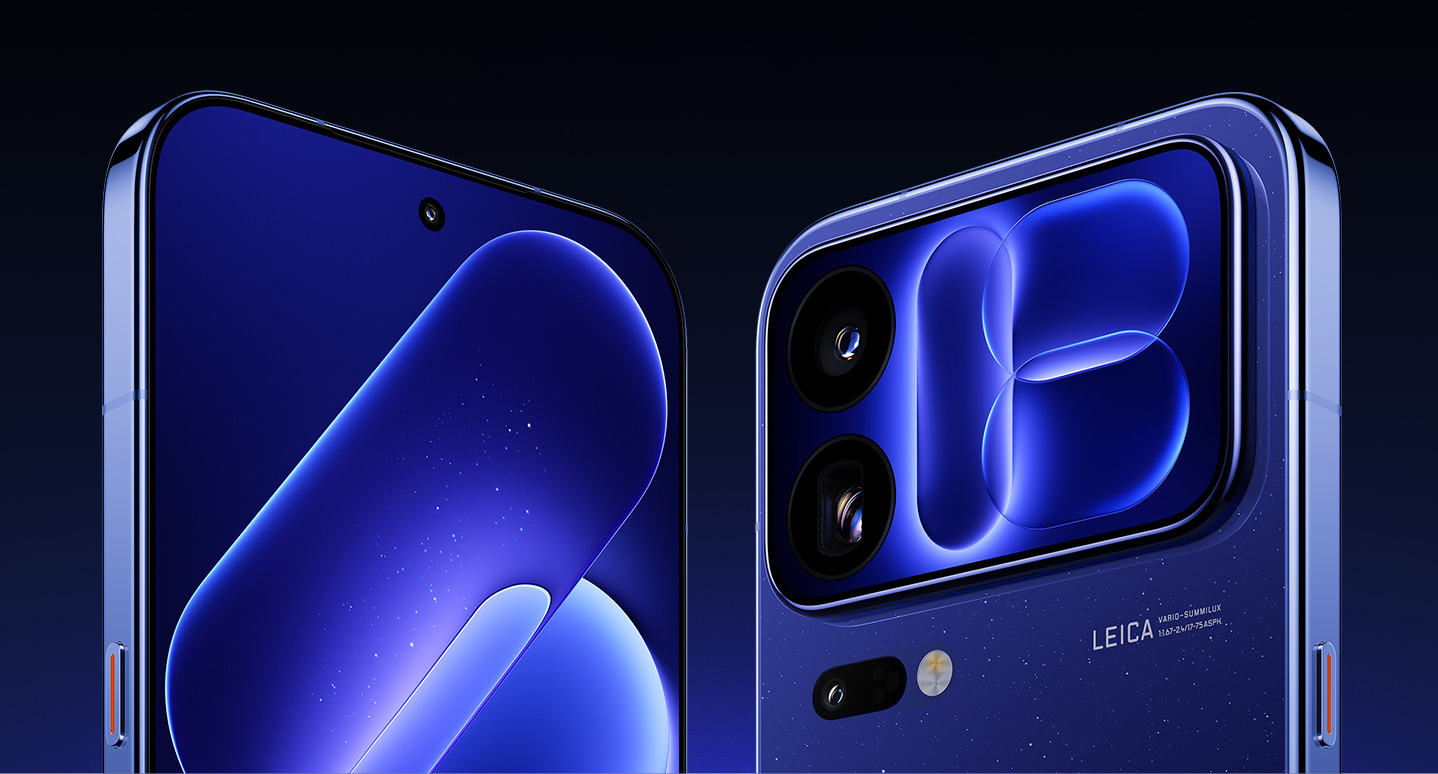
The trio is completed by a 50 MP ultra-wide OmniVision OV51D camera. However, the telephoto lens has received the biggest upgrade compared to the previous generation. According to the manufacturer, the sensor in the Xiaomi 18 Pro can capture 280% more light than the previous-generation telephoto lens. We already broke down the cameras in detail the day before the premiere.

Xiaomi also added a new photo mode called Legendary Moment. Directly in the phone, it offers three preset photography styles, and additional image processing can be done via the cloud. Both processing methods work in parallel. There’s also a new AI photography assistant that, based on your location, recommends interesting photo spots, helps with composition, and can even suggest an appropriate pose for the person being photographed.
The debut of the new 2 nm Snapdragon
Both models use the latest generation of flagship Qualcomm processors. Xiaomi 18 Pro got the Snapdragon 8 Elite Gen 6, while the larger Xiaomi 18 Pro Max uses the more powerful Snapdragon 8 Elite Gen 6 Super version. For the base version, the manufacturer states 35% higher graphics performance and at the same time 40% lower power consumption. The performance of the neural unit designed for AI computations has also increased significantly.
The processors are manufactured using the modern 2 nm production process, and the most powerful cores can reach up to 5 GHz. The configuration is also interesting: 2 + 6 dedicated big cores — so the chip has no power-saving small cores. Xiaomi 18 Pro Max also features an advanced OFFSET PoP packaging and a refined cooling system. Xiaomi claims the smartphone can handle even one hour of demanding gaming without a significant drop in frame rate. We covered the new Snapdragon in more detail in a separate article.
A display with 4 000 nits and bezels thinner than a millimeter
The front is dominated by the new second-generation Super Pixel display with M11 technology and a new green luminescent material. Peak brightness reaches up to 4,000 nits, the display supports the BT.2020 color space, refresh rates up to 120 Hz, and touch sampling up to 300 Hz.
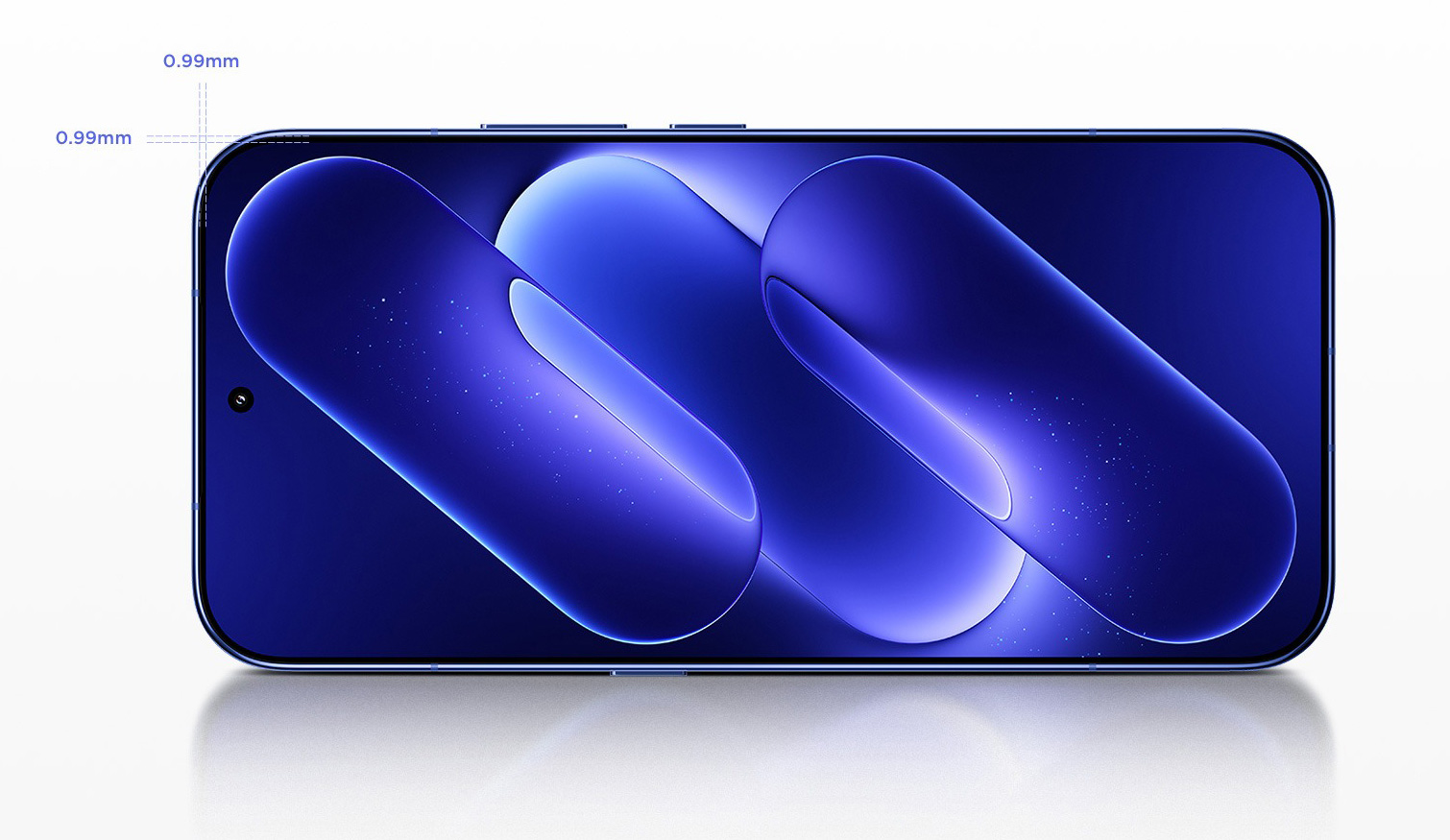
The bezels around the display are only 0.99 mm thick and are equally thin on all four sides. The smaller Xiaomi 18 Pro uses a 6.4-inch display with a resolution of 2436 × 1120 pixels, while Pro Max has a larger 6.9-inch panel with a resolution of 2624 × 1208 pixels. Both displays are protected by Xiaomi Longjing Glass 3.0.

Another interesting new feature is hardware-based display privacy protection. The function can be enabled for specific apps, and the system will then protect their content, including notifications, floating windows, and previews in multitasking. The mode can also be activated quickly using a new programmable AI button. You can find out more about this technology in our older article.
The rear display offers more than 100 functions and new AI options
Xiaomi has once again used a secondary display on the back. This time, it is completely flat and uniform. In Xiaomi 18 Pro, the diagonal is 2.7 inches, while Pro Max gets a larger 2.9-inch panel. Even the rear display supports a 120 Hz refresh rate and a peak brightness of up to 4,000 nits, so it should remain easily readable outdoors in sunlight.
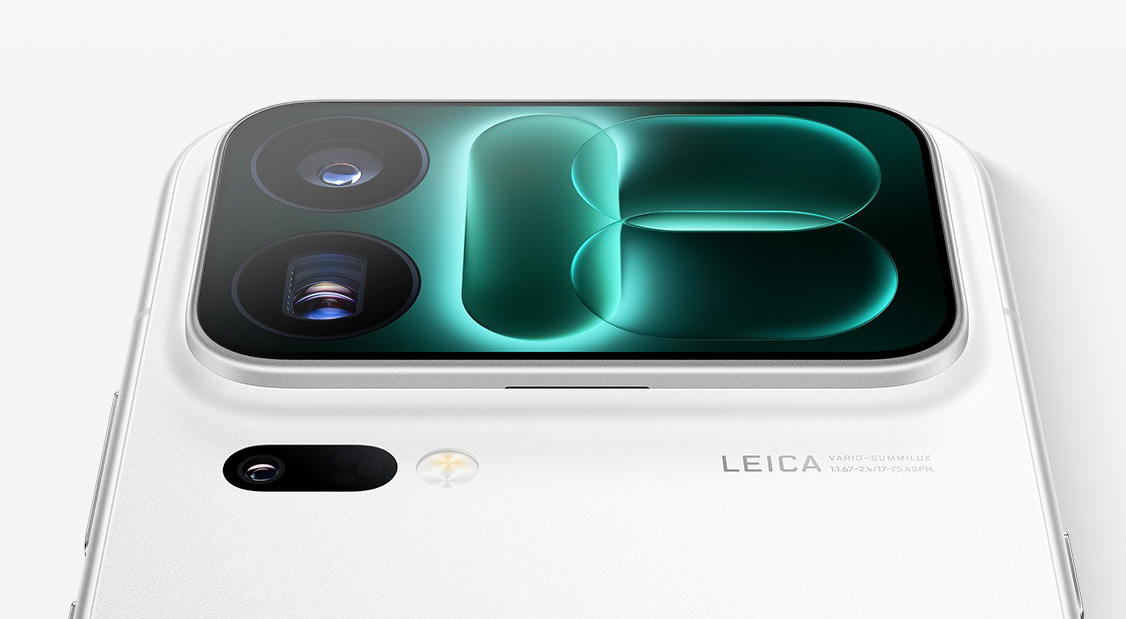
The rear display can show notifications, quick tools, various information cards, photos, or mini-games. At launch, there should be more than 100 app cards ready. Xiaomi also adds AI features that let users create additional content and customize the look of the secondary screen to suit them.

Xiaomi also revealed that the previous-generation rear display is used by 3.97 million users per day. Over the past year, the manufacturer released seven updates for it, bringing a total of 42 new features. So it’s clear Xiaomi doesn’t see this element as just a design novelty.
Huge batteries with a capacity of 7 000 and 8 500 mAh
Xiaomi 18 Pro and Pro Max both use the new Jinshajiang batteries with a 32% silicon content in the anode. The smaller model has a capacity of 7,000 mAh, while the larger Xiaomi 18 Pro Max offers up to 8,500 mAh. In both cases, 100 W wired charging, 50 W wireless charging and 27 W reverse charging for accessories are available.
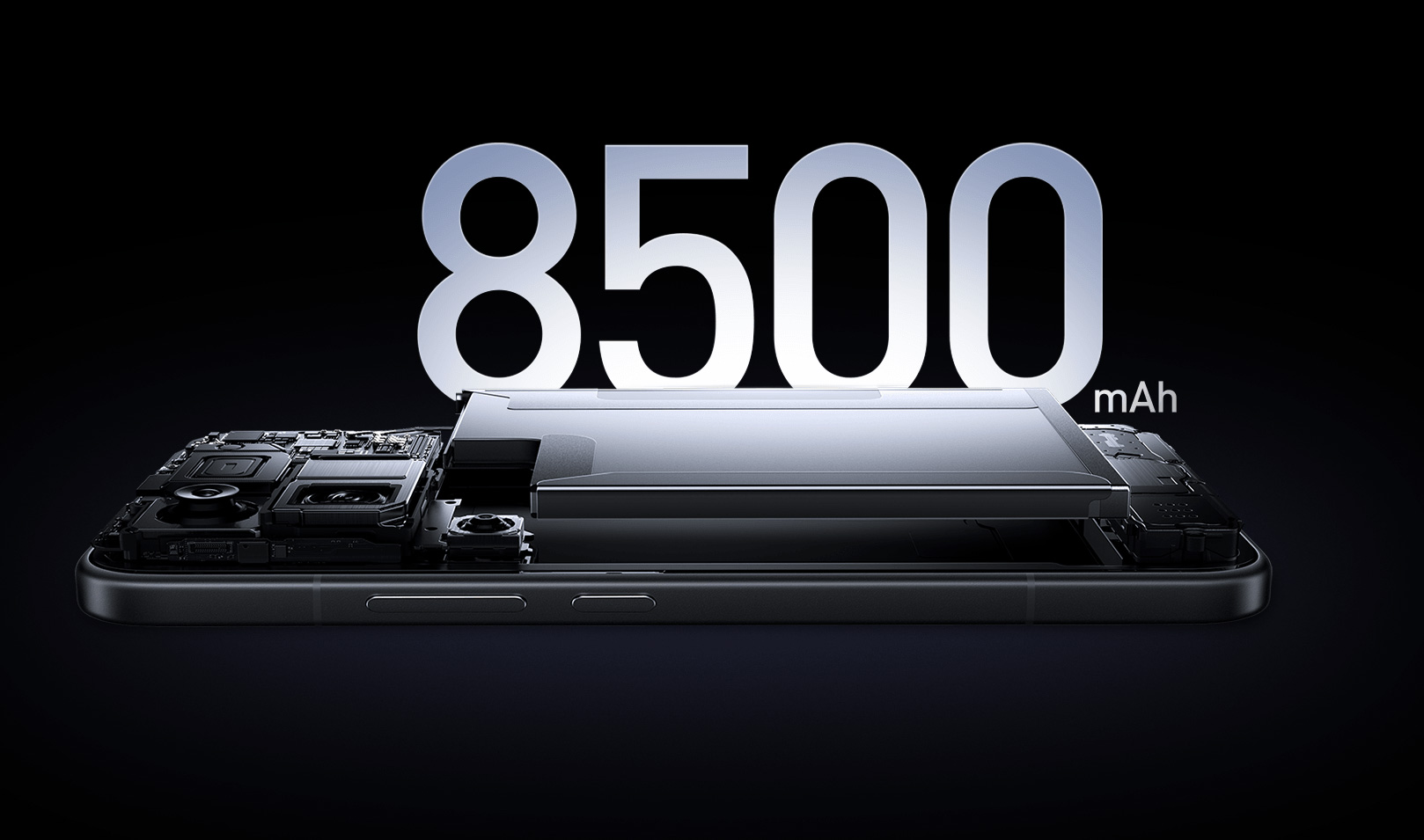
Despite the large battery, Xiaomi 18 Pro kept fairly compact dimensions of 151.8 × 72 mm and a weight starting at 203 grams. Xiaomi 18 Pro Max is naturally bigger: it measures 163.39 × 77.6 mm and weighs from 235 grams. The glass and transparent versions are slightly heavier.
The specs include UWB, Wi‑Fi 7, Bluetooth 6.0, and an infrared transmitter. Xiaomi lists water resistance according to certifications IP66, IP68, and IP69. Differences show up in the speakers too. Xiaomi 18 Pro uses two, while the larger Pro Max has up to three speakers.
The operating system is the new HyperOS 4 with Super XiaoAI 2.0, which uses Xiaomi’s own MiMo model. The manufacturer also focused more on integration with Apple devices. File sharing, photo synchronization, linking with iPhone, and even collaboration with Apple Watch—including calls, notifications, or selected health data—is supported.
Prices are lower than leaks suggested
Xiaomi also pleasantly surprised with pricing on the Chinese home market. Xiaomi 18 Pro starts at 5,999 yuan for the 12 + 256 GB configuration, which is roughly €780. The bigger Xiaomi 18 Pro Max starts at 6,999 yuan, i.e. about €910.
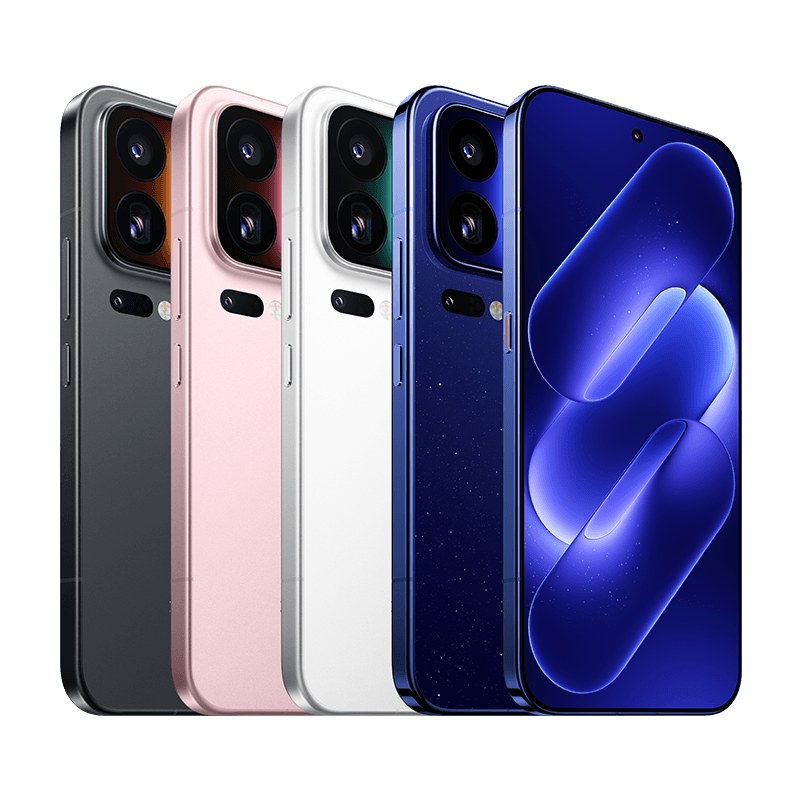


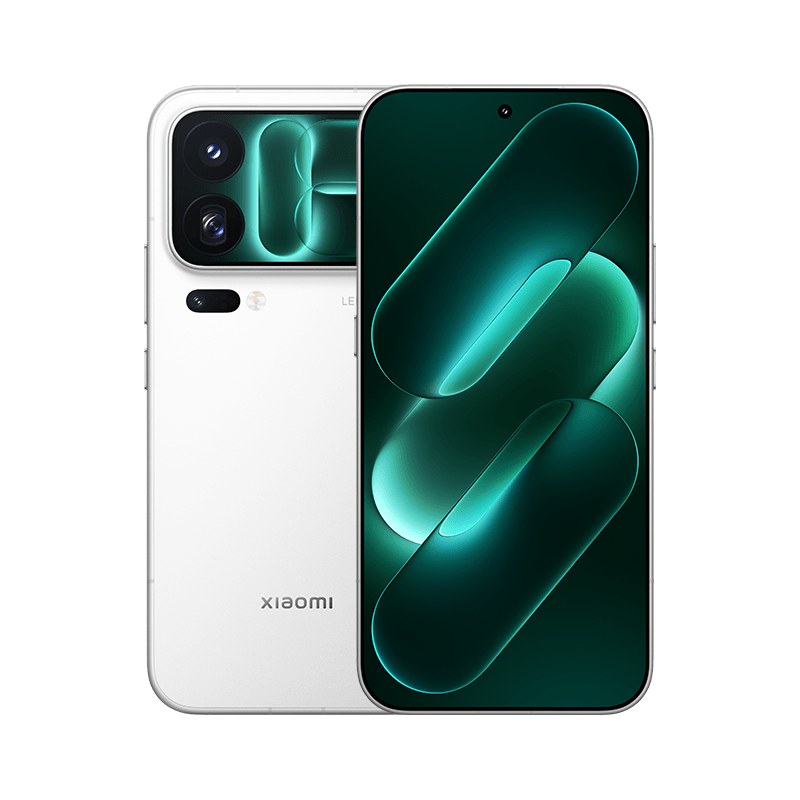
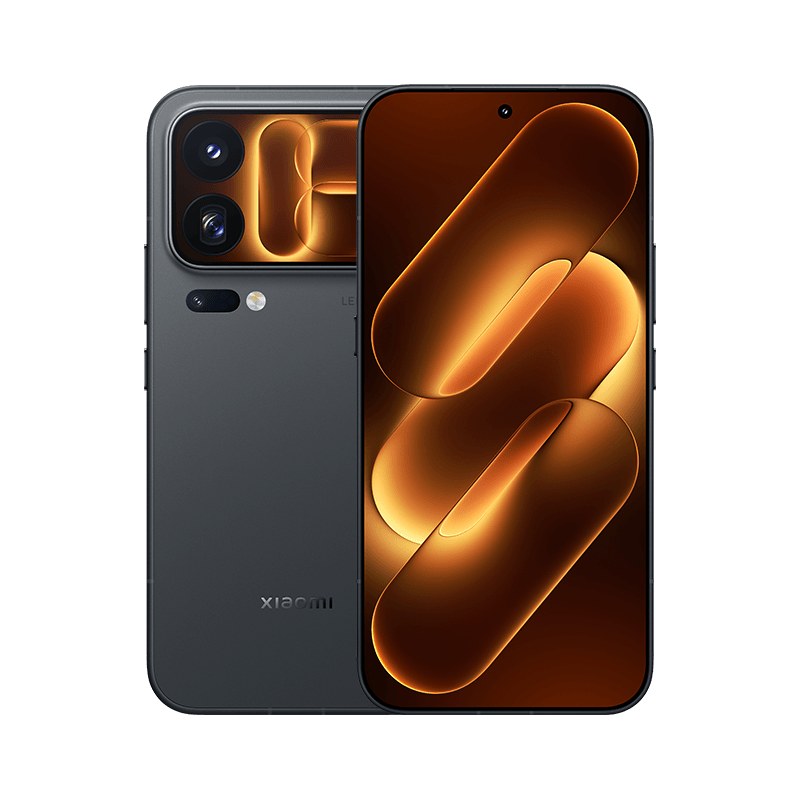
Top configurations with 16 GB RAM and 1 TB storage cost 8 999, or 9 999 yuan, respectively. The phones use LPDDR5X RAM and UFS 4.1 storage. In China, both models went on sale immediately after the announcement across all channels, with the first sales period running until 7. October.
After six years, the transparent edition is back
At the end of the presentation, Xiaomi saved one more interesting novelty. After six years, the transparent edition returns—something we last saw with the Xiaomi Mi 10 Ultra back in 2020. Before that, similar versions were also offered by the Mi 8 and Mi 9 models. This time, the manufacturer went for a bold red color finish.

The back is made of transparent red Xiaomi Longjing 3.0 glass, through which part of the phone’s internal structure is visible, including the wireless charging coil and elements around the camera module. Xiaomi also used an ultra-thin film that creates a 3D effect and highlights individual details.
For the special edition, the manufacturer prepared matching wallpapers for both the front and rear displays. Even the packaging matches the color scheme and includes a red charger and charging cable.
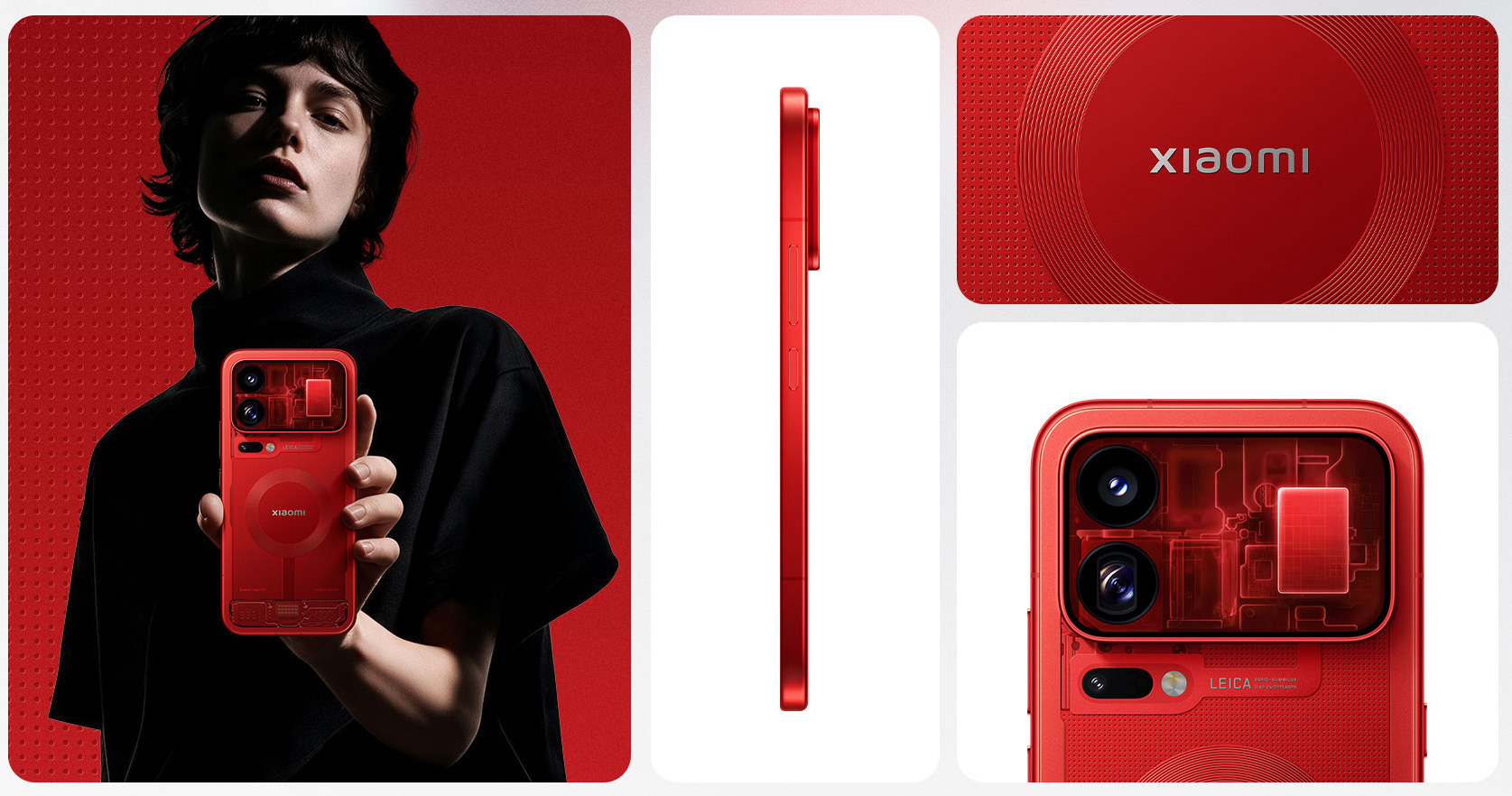
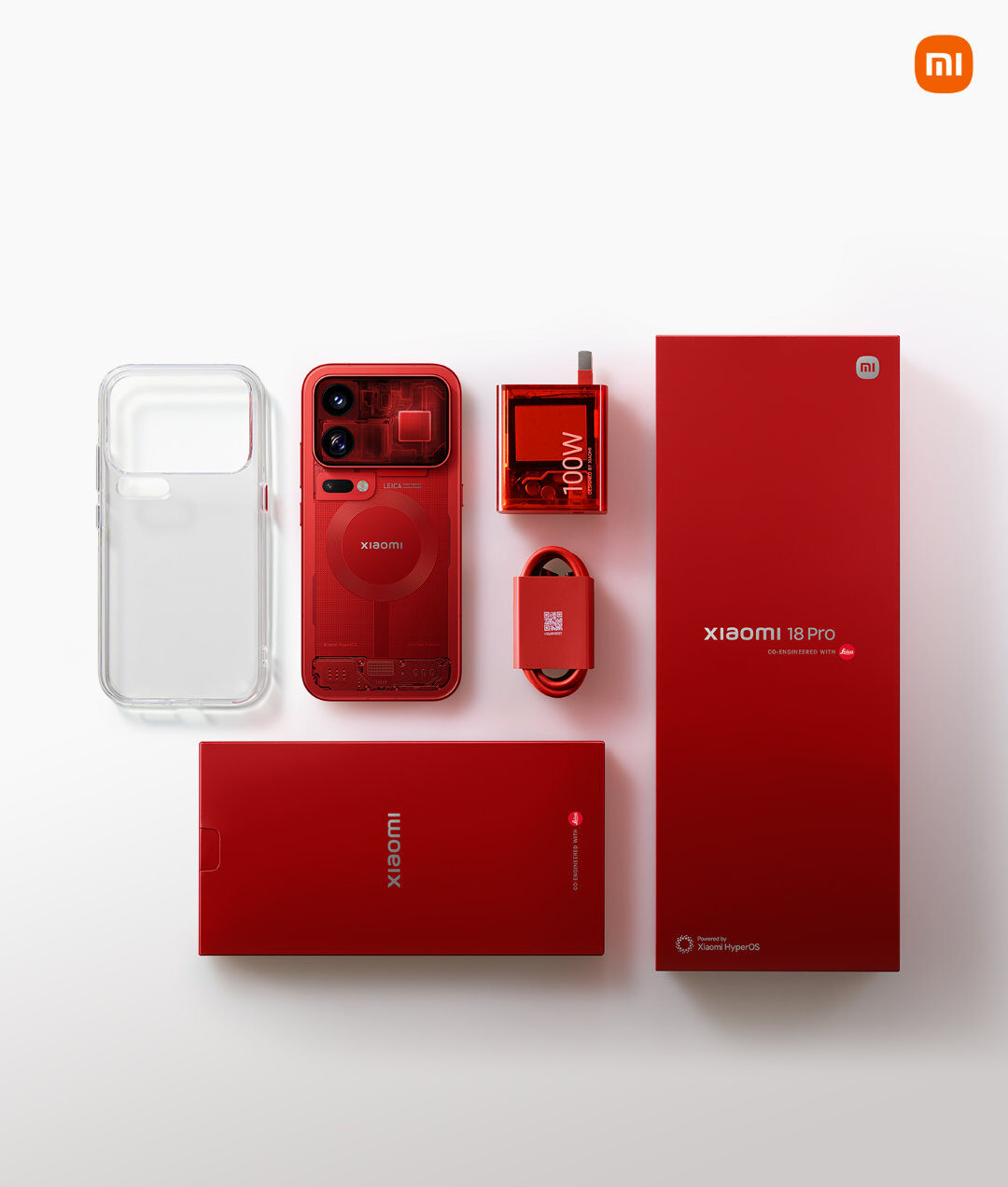
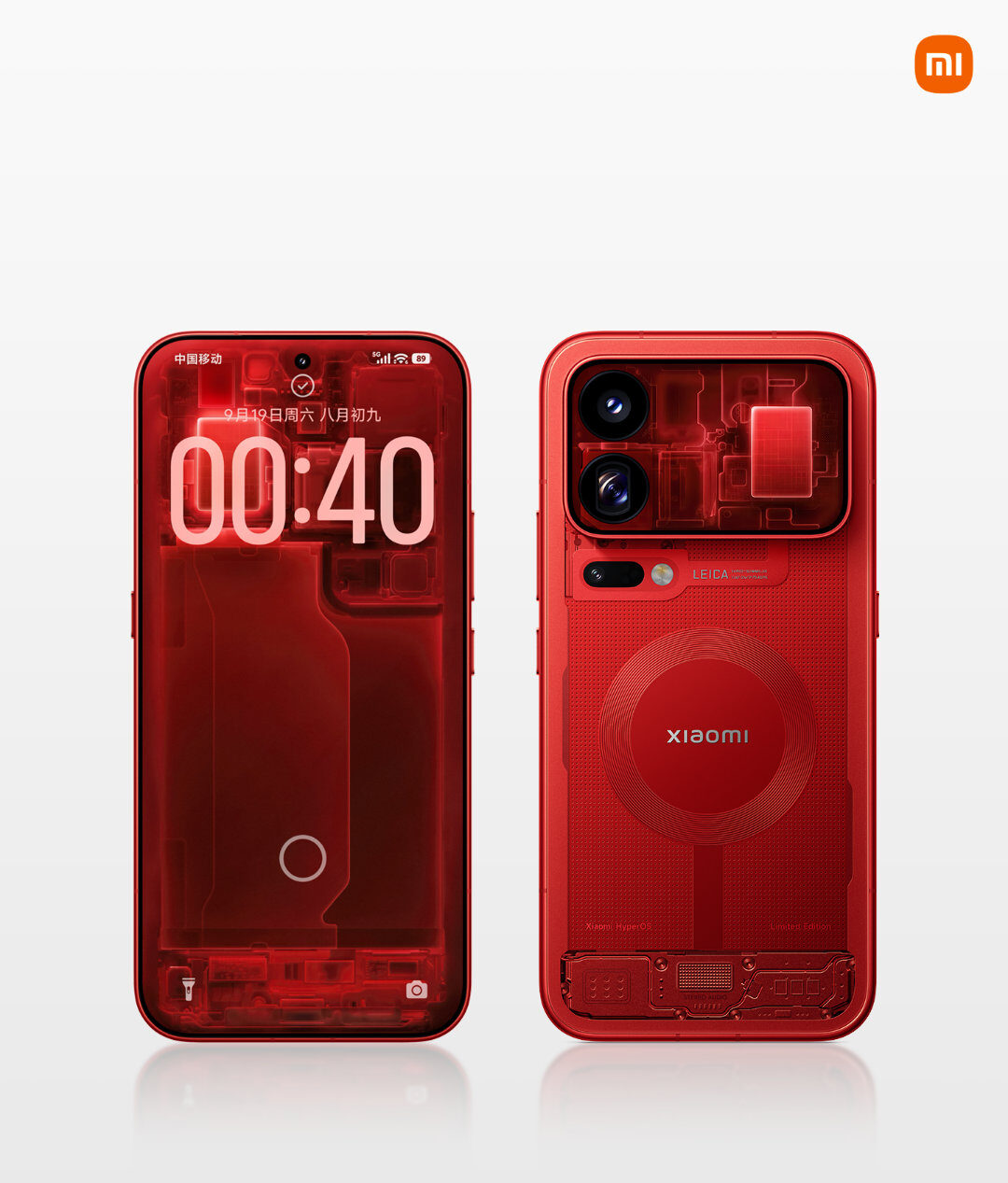
The transparent edition will be available only in the 16 GB + 1 TB configuration. Xiaomi 18 Pro in this finish costs 9,999 yuan, while Xiaomi 18 Pro Max will be 10,999 yuan. In euro terms, that’s approximately €1,300 and €1,430.
These prices apply to the Chinese market and are not future European prices. How the series could be priced here—we discussed in a separate article. The base Xiaomi 18 wasn’t unveiled during this conference. Lu Weibing confirmed the manufacturer will introduce it separately later.
| - | Xiaomi 18 Pro | Xiaomi 18 Pro Max |
|---|---|---|
| Display | 6.4 inches / 2436 x 1120 | 6.9 inches / 2624 x 1208 |
| Panel | AMOLED Super Pixel 2.0 / up to 120 Hz / 4000 nits | AMOLED Super Pixel 2.0 / up to 120 Hz / 4000 nits |
| Touch sampling rate | up to 300 Hz | up to 300 Hz |
| Cover glass | Xiaomi Longjing 3.0 | Xiaomi Longjing 3.0 |
| Back display | 2.7 inches / 912 × 596 / 120 Hz | 2.9 inches / 976 × 596 / 120 Hz |
| Chip | Snapdragon 8 Elite Gen 6 | Snapdragon 8 Elite Gen 6 Super |
| Process and clock speed | TSMC 2nm / up to 5 GHz | TSMC 2nm / up to 5 GHz |
| Memory | 12 or 16 GB LPDDR5X | 12 or 16 GB LPDDR5X |
| Storage | 256 GB up to 1 TB UFS 4.1 | 256 GB up to 1 TB UFS 4.1 |
| Main camera | 200 MP Light Hunter 960 / 1/1.28 inches / f/1.67 / 23 mm / OIS | 200 MP Light Hunter 960L / 1/1.28 inches / f/1.67 / 23 mm / OIS |
| Telephoto | 200 MP periscope / 1/1.56 inches / f/2.4 / 3.2x zoom / macro from 12 cm / OIS | 200 MP periscope / 1/1.56 inches / f/2.4 / 3.2x zoom / macro from 12 cm / OIS |
| Ultra-wide angle | 50 MP / f/2.4 / 17 mm / 102° / macro from 5 cm / AF | 50 MP / f/2.4 / 17 mm / 102° / macro from 5 cm / AF |
| Front camera | 50 MP | 50 MP |
| Video | 8K at 30 fps / 4K up to 120 fps | 8K at 30 fps / 4K up to 120 fps |
| Battery | 7000 mAh | 8500 mAh |
| Charging | 100 W / wireless 50 W / reverse 27 W | 100 W / wireless 50 W / reverse 27 W |
| Speakers | two | three |
| Fingerprint reader | 3D ultrasonic | 3D ultrasonic |
| Connection | Wi‑Fi 7 / Bluetooth 6.0 / UWB / infrared transmitter | Wi‑Fi 7 / Bluetooth 6.0 / UWB / infrared transmitter |
| Dimensions | 151.8 × 72 mm / thickness 8.46 mm | 163.39 × 77.6 mm / thickness 8.39 mm |
| Weight | 203 g fiberglass / 208 g glass | 235 g fiberglass / 240 g glass |
| Durability | IP66 / IP68 / IP69 | IP66 / IP68 / IP69 |
| System | HyperOS 4 | HyperOS 4 |
| Price from | 5999 CNY | 6999 CNY |
To get more updates from the world of Xiaomi, keep following our Xiaomi Planet website. Join our Facebook group, where we build an active community and help each other out. Subscribe to our Telegram as well, where we add the best deals and coupons from China every day.
Don’t miss the best coupons 📩
Subscribe and we’ll email you new coupons before they expire. We only send it once a month — no spam.