

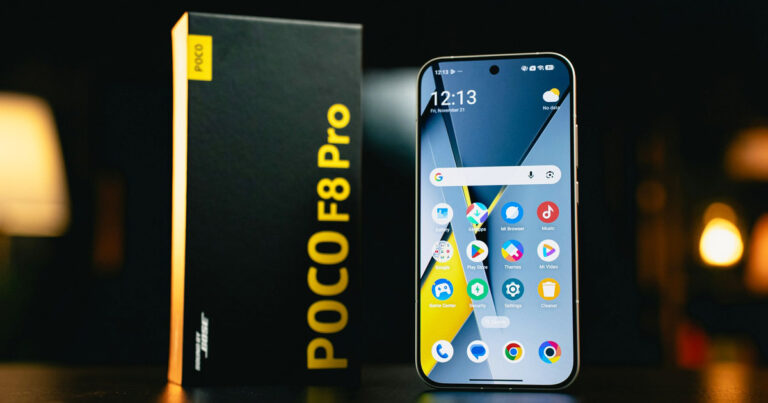

Xiaomi smartphones and a secret script to censor selected words? These accusations have appeared in reports from the Lithuanian government. The information that could have worried people in Lithuania—and other Xiaomi smartphone users—now also has an explanation. The extensive topic was covered by the popular portal Xda-developers.com.
Lithuanian security agency’s view
According to a report from the Lithuanian NCSC (National Cyber Security Centre), it is known that Xiaomi smartphones download a file named “MiAdBlacklistConfig”, which contains a number of “titles, names, and other information about various religious and political groups and social movements.”
It is said that the file MiAdBlacklistConfig contains 449 records. The report further states that “when it is found that the content contains keywords from the list, the device will block this content. It is assumed that this function may pose potential threats to the free availability of information.” NCSC also states that the file was found on a Xiaomi Mi 10T device running MIUI Global 12.0.10.
“Our recommendation is not to buy new Chinese phones and to get rid of the ones that have already been purchased as soon as possible.” said the Deputy Minister of Lithuanian Defence Margiris Abukevicius, according to Reuters.
The secret of the MiAdBlacklistConfig file
The editor from Xda-developers.com looked into the issue using their own Xiaomi Mi 11 Ultra smartphone with the latest ROM from Xiaomi.eu. Even though it is a localized version of MIUI, it is still based on the original Chinese version, which is why the editor hoped to find the controversial file MiAdBlacklistConfig with the relevant data.
The file was indeed discovered, however after examining the Mi Video app (not in Mi Browser, as the report claimed), it was even possible to display the contents of this file thanks to “root” access to the device. The file on this smartphone contained as many as 2210 records, unlike the 449 records described by the Lithuanian report. However, most of them are not related to any kind of political or religious groups.

Analysis of this file revealed that most of the entries are actually related to sexual topics, porn content, or other smartphone brands. Yes, there are also mentions of Tibet, Hong Kong, and other religious groups, but there are also references to the Communist Party of China and China in general. If this were a list of words for content censorship, those references would not really make sense. Below you can check out some of the words directly from this file:
- zte
- Infinix
- China
- xxx
- samsung
- oneplus
- download videos
- download bollywood song
- Taiwan Solidarity Union
- sony ericsson
- mi
- xiaomi mi5
- mi mobile phone
Besides these examples, the list also includes a lot of terms related to the aforementioned pornography and mentions a large group of competing smartphone brands, even including its own models like “Xiaomi Mi 5”. That’s interesting because if it were a censorship list, why would a Chinese manufacturer block terms related to its own company and its own products?
Ads on Xiaomi smartphones
As stated in the Lithuania report, this code, i.e., the script, is not active on devices within the European Union. The office, however, warns that the manufacturer can activate it at any time remotely, and they see it as a fairly significant danger. Here is an excerpt from the report:
“We believe this feature allows a Xiaomi device to analyze multimedia content entering the phone; to search for keywords from the MiAdBlacklist list received from the server. When the device detects that the content contains certain keywords, it filters this content and the user cannot see it. […] It is also important to emphasize that this feature is activated remotely by the manufacturer.”
When analyzing the file, the editor at Xda-developers.com found several interesting facts right away. It could be the case that the code was misunderstood, as it filters an item labeled “INativeAd”. This is a method that is part of the advertising package SDK (Xiaomi Global Ad Software Development Kit).

As we can see below, “INativeAd” is used specifically for displaying ads in the MIUI system. It is not used in other system components that could threaten users’ data security or censor their content. Here are a few elements that item “INativeAd” uses:
- AdOnClickListener
- OnBannerClosedListener
- ImpressionListener
- OnAdCompletedListener
- OnAdRewardedListener
- OnAdDismissedListener
So it’s pretty clear that the filter that was labeled as content censorship is actually used to filter ads that are placed long-term in the operating system, or in the MIUI interface on top of it. Why is that, and why is the filter needed at all? The answer will be shown directly by the Xiaomi Redmi Note 7 Pro from 2019.
Vulgar ads in the system should be a thing of the past
In the past, Xiaomi had major and fairly serious issues with the content of these ads. In 2019, the manufacturer pledged to remove “vulgar” ads in order to prevent them from being shown to users. Even so, reports about vulgar and inappropriate ads still occasionally surface on Xiaomi devices, but it’s nowhere near as big a problem as it used to be.


An overwhelming majority of the items in the aforementioned list even start to make sense when we look at them in this context. There are also others, such as:
- 5 things every girls thinks in her first night of marriage (5 things women think about during their first night of marriage)
- Checking of pregnancy by a home method (checking pregnancy with a home method)
- shooting- see photos (take photos – check the photos)
All three filters, though, are incredibly specific, and they appear to have been created and targeted at very particular “inappropriate” ads. However, it works quite well also from the perspective of searching for a specific word or phrase. For example, the phrase “the hottest” appears as a filter on the list, and a video titled “The Hottest Video This Season!” should, in theory, no longer be shown to users as part of ads.
What’s the reality?
According to an analysis by Xda-developers.com, the Mi Browser on a European ROM on the editorial Xiaomi Mi 11 Ultra, as well as Xiaomi 11T Pro, does not point to the mentioned file. Xiaomi Mi 11 Ultra and the Mi Video app for it refer to it, but only use it to filter ads. The editorial team also downloaded and tested the latest available version of Mi Browser via APK Mirror, and it also contained no links to the MiAdBlacklistConfig file.

At the moment, it’s not censorship
Are we witnessing censorship? We don’t know how this tool will be used in the future. However, during the analysis, no evidence was found, indicating that Xiaomi is currently using this ad-filtering tool as content censorship.
Since the list also included the term „Mi“, the manufacturer would have to censor even its own website, and Xiaomi’s web browser wouldn’t be able to display the manufacturer’s official website. Since the term „AdBlacklist“ is present directly in the name of this file, it’s clear what this tool is used for.
Censored SMS messages?
The analysis also mentions some other topics that the message from Lithuania is supposedly about. These doubts even surfaced in discussions on Slovak web sites, but they have a simple solution. The original message says:
„Studies have shown that when a user decides to use Xiaomi cloud services, their phone number is registered on servers located in Singapore. This is done by having the device send an encrypted SMS message to a special phone number.“
Lithuania has not published any information or links to the aforementioned studies, so we don’t know the source of this part yet. However, the editors at Xda-developers.com also verified this claim, which concerns the Xiaomi Cloud service. On both of the mentioned editorial smartphones, the Xiaomi Cloud account had been configured during the last month.
The editor checked directly with their mobile operator whether, over the past month, any international SMS messages were sent, and received a reply that no international SMS message had been sent. On both smartphones, a successful sign-in to Xiaomi Cloud took place. So, the encrypted SMS message to a special phone number abroad mentioned by the source from Lithuania also didn’t happen on either of the two smartphones.

In discussions, there were also speculations mentioning rejected SMS messages with text such as “Tibet” or “Free Tibet.” Again, these are just speculations, and there is no content monitoring or content censorship taking place in this case either, not even on smartphones in the European Union.
Don’t worry: Xiaomi smartphones don’t include censorship
After a detailed analysis and published statements, we can confirm that with Xiaomi smartphones this is not about content censorship. This is also supported by the fact that Xiaomi was removed from the list of Chinese communist military companies in the USA.

Your data on the smartphone you’ve enabled ads on—as well as the data in Xiaomi Cloud and SMS messages—is safe. Finally, you can read the official statement from Xiaomi for Reuters:
„Xiaomi will never restrict or block any personal behavior of our smartphone users, such as searching, calling, browsing the web, or using third-party communication software. Xiaomi fully respects and protects the lawful rights of all users.“
The editors at Xda-developers.com also asked Lithuania’s NCSC for a statement, but it hasn’t published its explanation of the analysis yet.
We’ll update the article.
Don’t miss the best coupons 📩
Subscribe and we’ll email you new coupons before they expire. We only send it once a month — no spam.