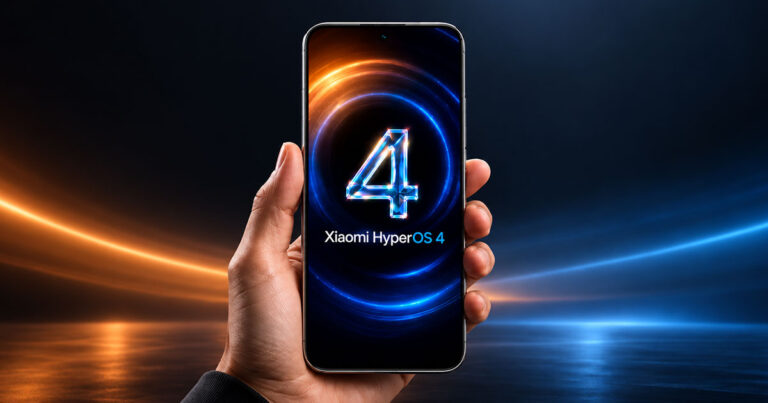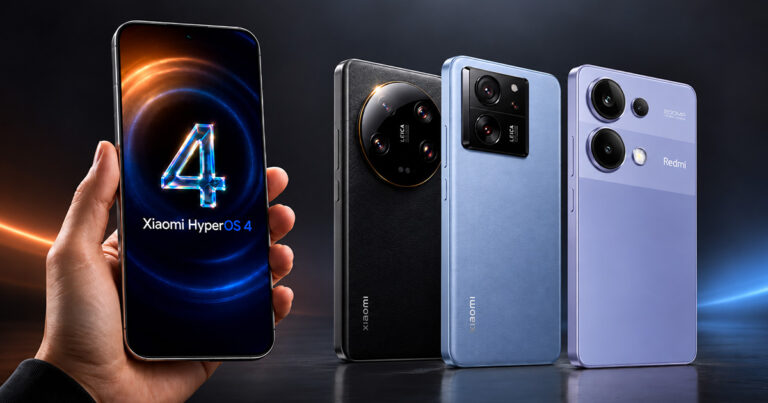

- Xiaomi has launched recruitment for the global beta HyperOS 4 for both Global and EEA versions.
- At the moment, you can sign up with three models — Xiaomi 17 Ultra, Xiaomi 17 and Leica Leitzphone.
- The next four phones, including Xiaomi 15 and 15 Ultra, will be added on September 17.
- Xiaomi promises 27.2% more free memory and 28.9% fewer camera shot drops.
- Going back to HyperOS 3 via a regular update is not possible — you’ll need service.
We’ve only been writing about it from a distance for a long time — HyperOS 4 has been tested exclusively in China so far. That has just changed. Xiaomi has opened recruitment for the global beta program and, for the first time ever, has also included European EEA versions of phones. If you have one of the right models, you can install the new overlay today.
For now, only three can sign up; four more will be added next week
The first wave includes seven phones, but recruitment isn’t open for all of them at once. You can currently sign up with just three models — Xiaomi 17 Ultra, Xiaomi 17, and the photography-focused Leica Leitzphone powered by Xiaomi.
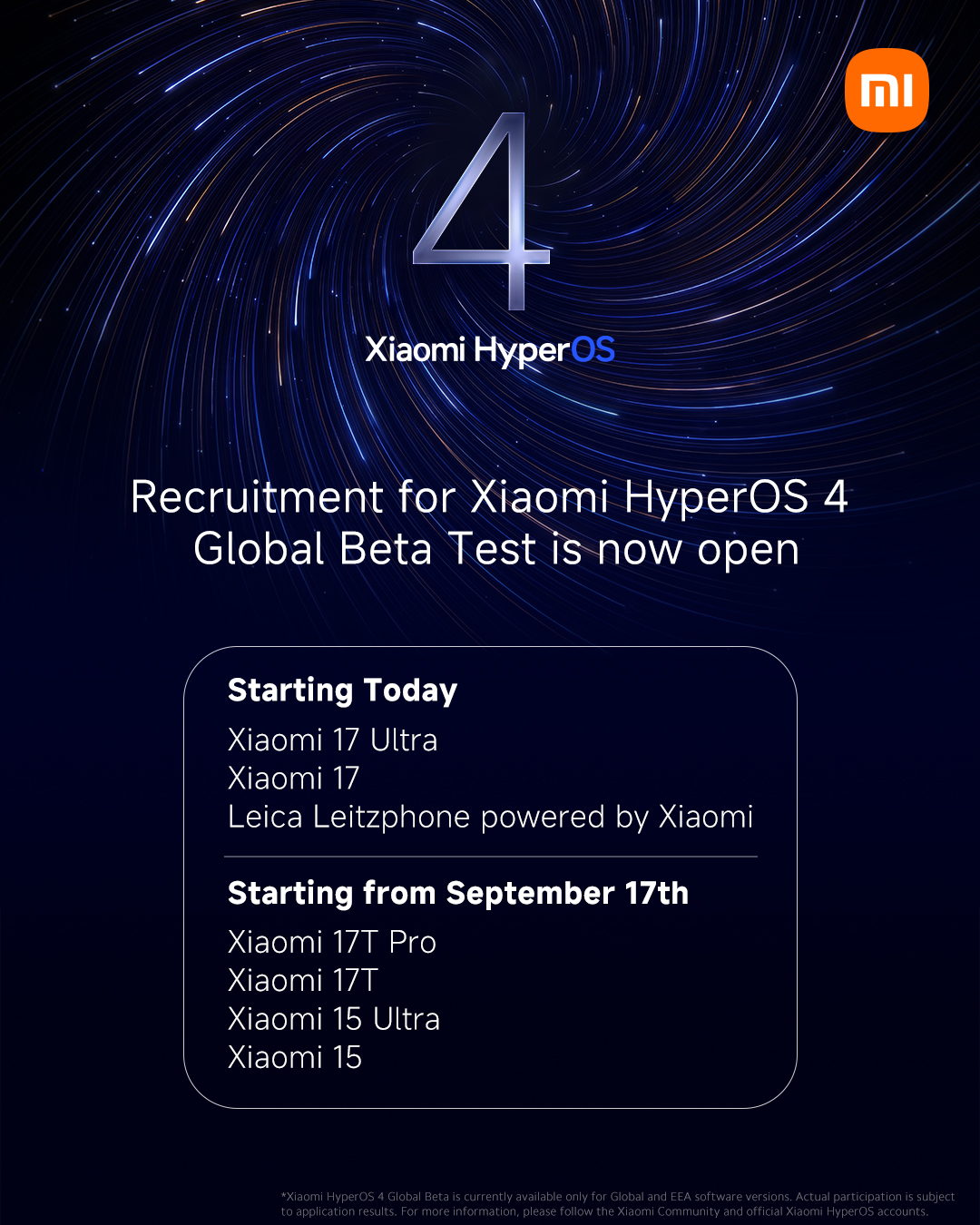
The remaining four devices will get the testing firmware on September 17. These are Xiaomi 17T Pro, Xiaomi 17T, and — which will probably make the most people happy — last year’s duo Xiaomi 15 Ultra and Xiaomi 15. For comparison, the Chinese beta started already in mid-August, and Xiaomi included eight phones at the time.
How to sign up for the beta program?
The whole process runs through the Xiaomi Community app, which you can find directly on your phone or in the Play Store. In it, go to ME → Beta testing → Recruiting test, fill out a short questionnaire, and wait for the evaluation. The result will appear in the same place where you submitted your application.
To even be allowed to continue, you need to meet three conditions. The phone must be a Global or EEA version — Chinese units aren’t eligible for the global program. At the same time, the latest available HyperOS 3 build must be running on it, and your Xiaomi account used for sign-in must be the same as the one you’ve signed in with on the phone.
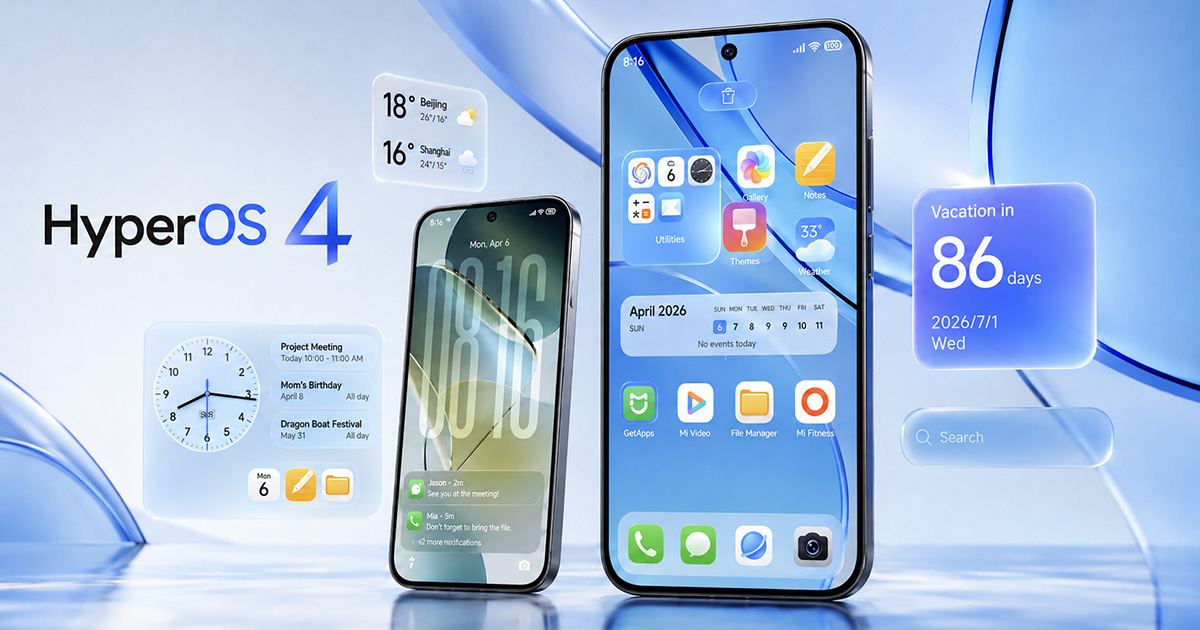
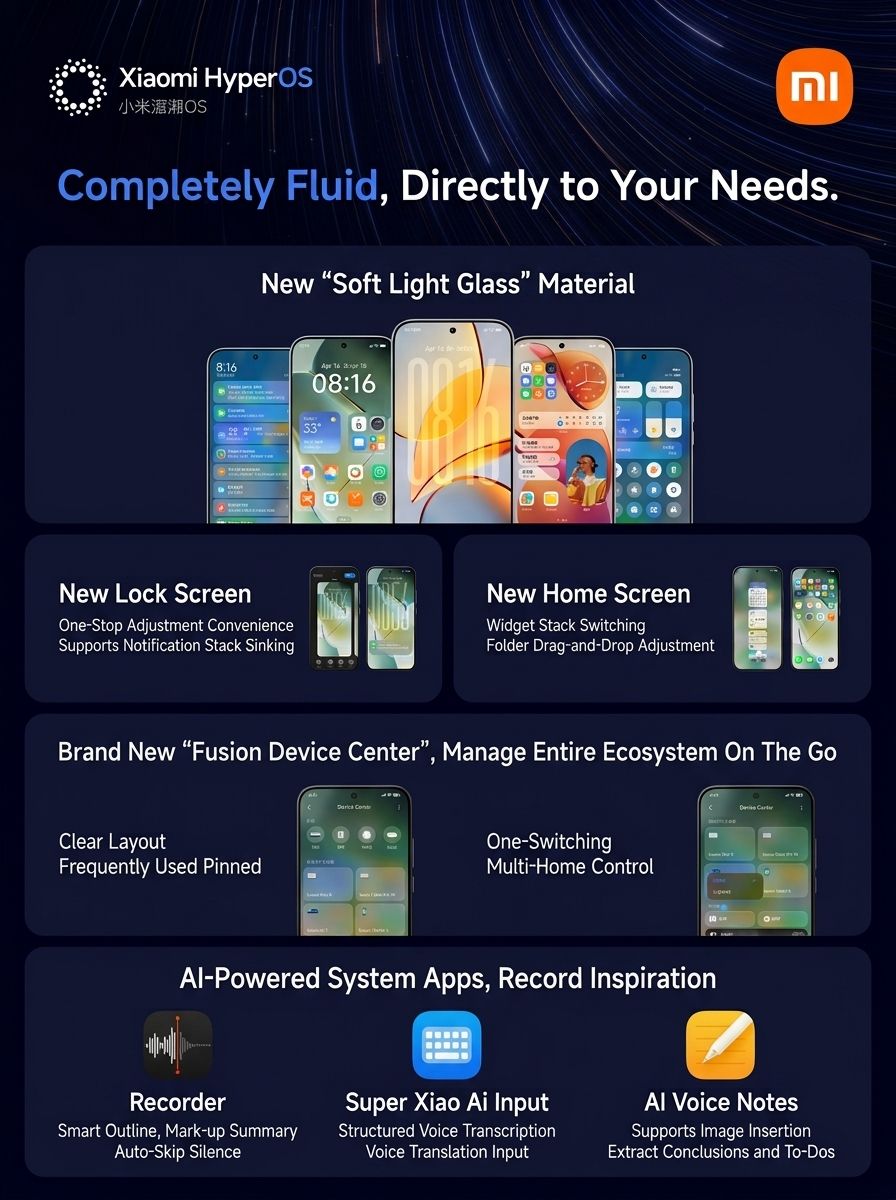
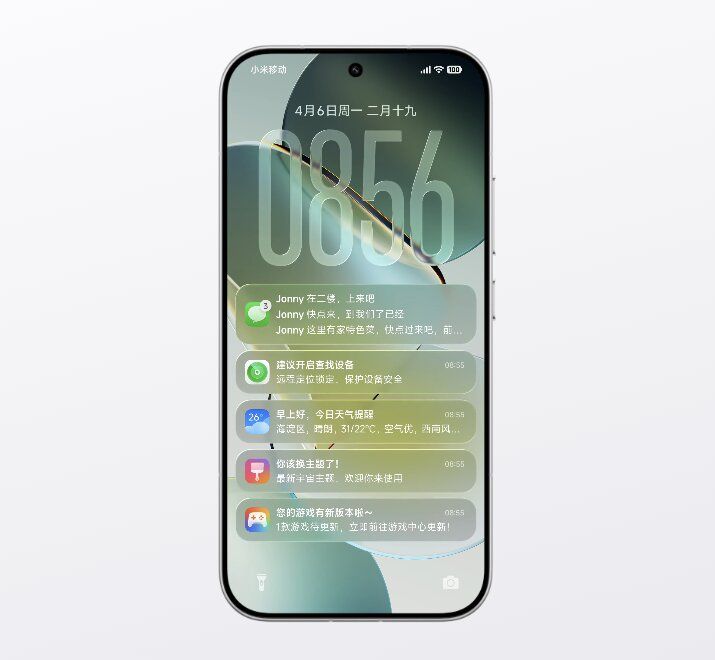
A new Soft Light Glass look and a redesigned lock screen
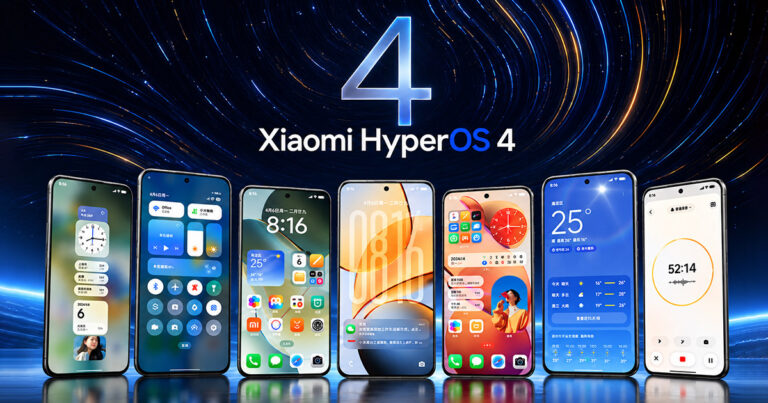
Visually, HyperOS 4 is the biggest leap in recent years. Xiaomi introduced a new interface material called Soft Light Glass, bringing gentle illumination and depth across the entire system. The lock screen and the home screen have been overhauled too — widgets can be stacked, folders can be moved with a swipe gesture, and notifications are grouped into clearer blocks.

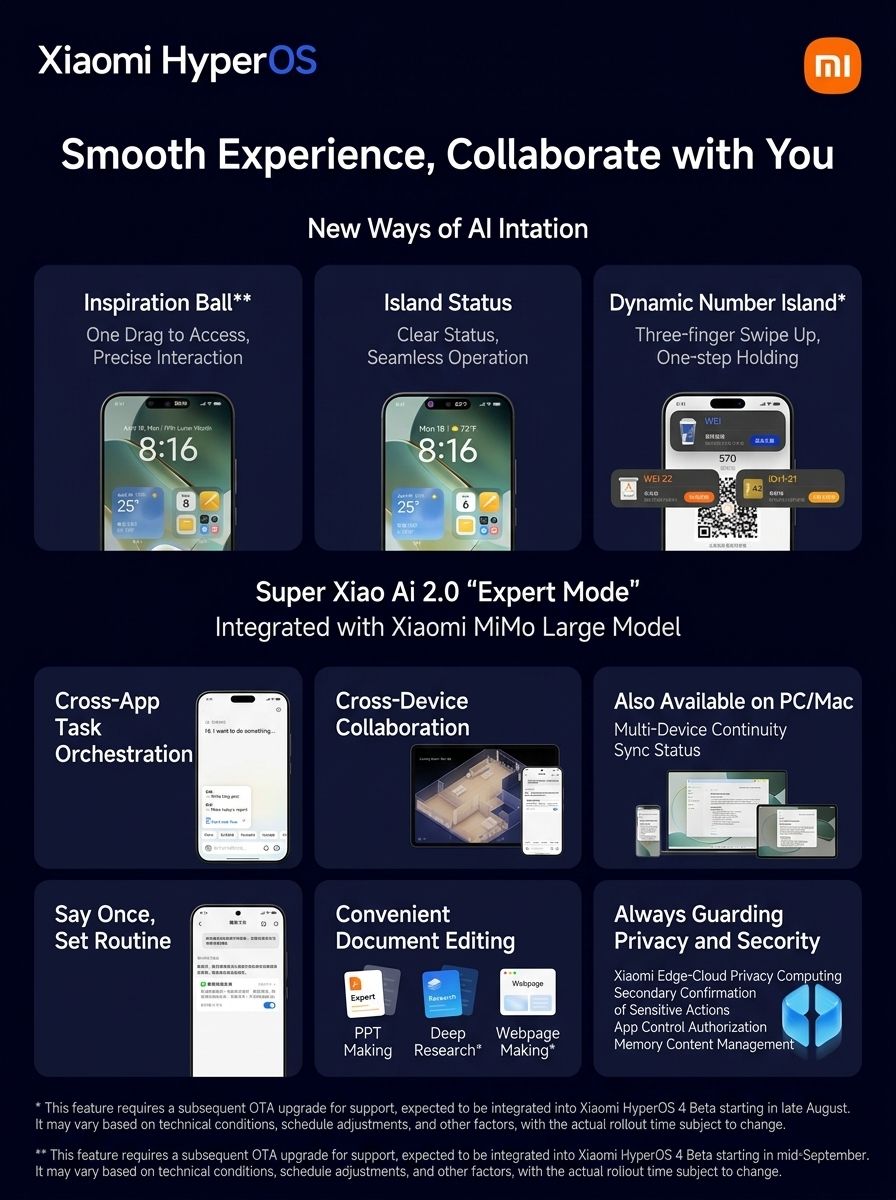
There’s also a Fusion Device Center to manage your whole ecosystem from one place, plus AI system apps — a voice recorder with automatic summaries, speech transcription, and the Super Xiao AI 2.0 assistant built on the MiMo model. The camera has also been improved, specifically HDR processing and shutter response speed.
The system should feel noticeably faster; Xiaomi talks about dozens of percent
Besides the looks, a big part of the work is under the hood. According to Xiaomi’s own measurements, HyperOS 4 can deliver the same performance with 14.4% fewer instructions, reducing CPU load. An even more interesting figure is RAM availability — after eight hours of use, it should have 27.2% more than on HyperOS 3.
When launching thirty apps one after another, the system should save 17.5% of time, and under heavier load the number of dropped frames should fall by 28.9%. These are figures provided directly by the manufacturer, measured in their own labs—so take them with a grain of salt. The real difference will depend on the model and also on how many apps you keep running in the background.

Xiaomi also claims longer battery life in the stress test and smoother navigation through large galleries. That’s exactly where the beta version shows the most—and that’s why Xiaomi is looking for testers.
Attention, the way back isn’t straightforward.
This is the most important sentence in the whole article. Once you install a beta update, you can’t roll back to HyperOS 3 via a standard OTA update. Downgrading requires a full reflash of the phone, which needs an authorized service or an unlocked bootloader.
Beta software, by its very nature, includes bugs—apps may crash, NFC payments may fail, or the battery may drain faster. If you’re using the phone as your only work device, with login, it’s better to wait for the stable release. If you have a second unit for gaming, that’s exactly the kind of situation where the beta program exists.
| - | HyperOS 4 global beta |
|---|---|
| Available right away | Xiaomi 17 Ultra / Xiaomi 17 / Leica Leitzphone |
| From 17. September | Xiaomi 17T Pro / Xiaomi 17T / Xiaomi 15 Ultra / Xiaomi 15 |
| Regions | Global and EEA versions |
| Sign in | Xiaomi Community → ME → Beta testing |
| Condition | latest build HyperOS 3 |
| Return to HyperOS 3 | only via reflash |
To get more updates from the world of Xiaomi, keep following our Xiaomi Planet website. Join our Facebook group, where we build an active community and help each other out. Subscribe to our Telegram as well, where we add the best deals and coupons from China every day.
Don’t miss the best coupons 📩
Subscribe and we’ll email you new coupons before they expire. We only send it once a month — no spam.