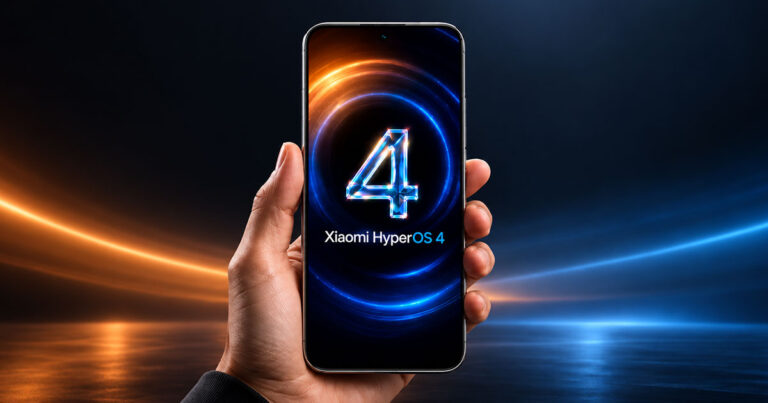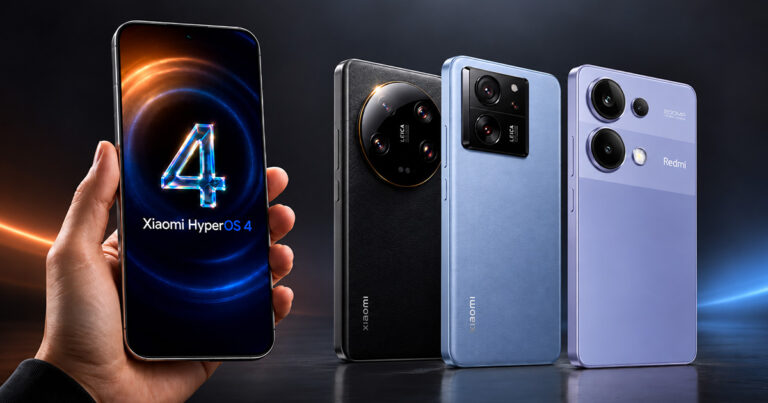

Xiaomi is preparing one of the biggest updates to its system in recent years. HyperOS 4 will be built on Android 17, and besides a significantly updated look, it will bring a host of new AI-based features. Xiaomi has now officially revealed more details and also launched the first beta phase.
A new look that’s more pronounced than ever before
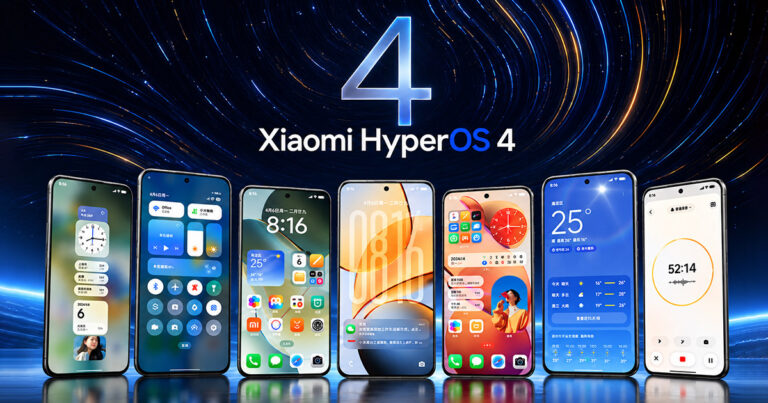
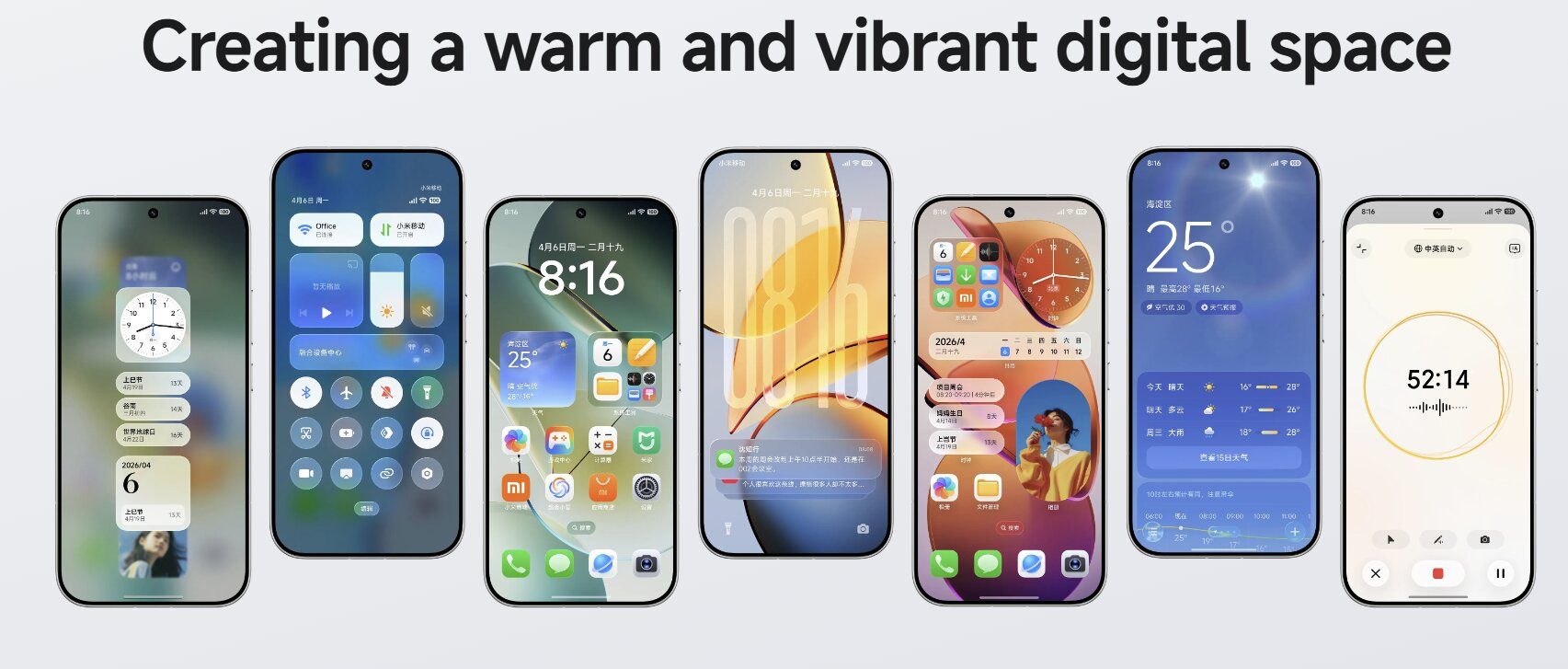
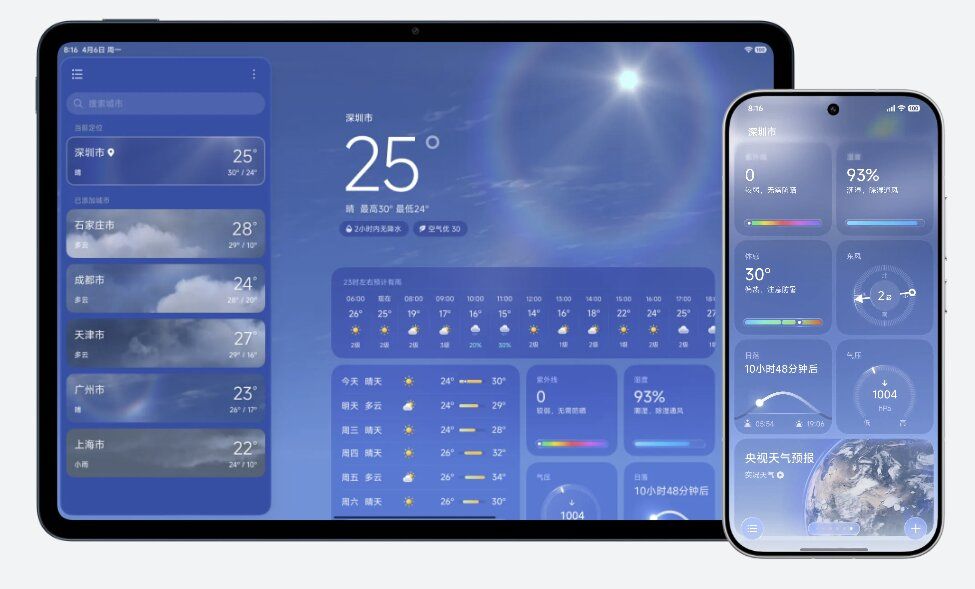
The biggest visual update will be a new interface Soft Light Glass, which brings transparent and layered elements, blurring, dynamic lighting effects, and animations that respond to the user’s movement. However, this isn’t just a design update. Xiaomi also promises better memory management, smoother system performance, more power-efficient task processing, and significantly more capable AI features.
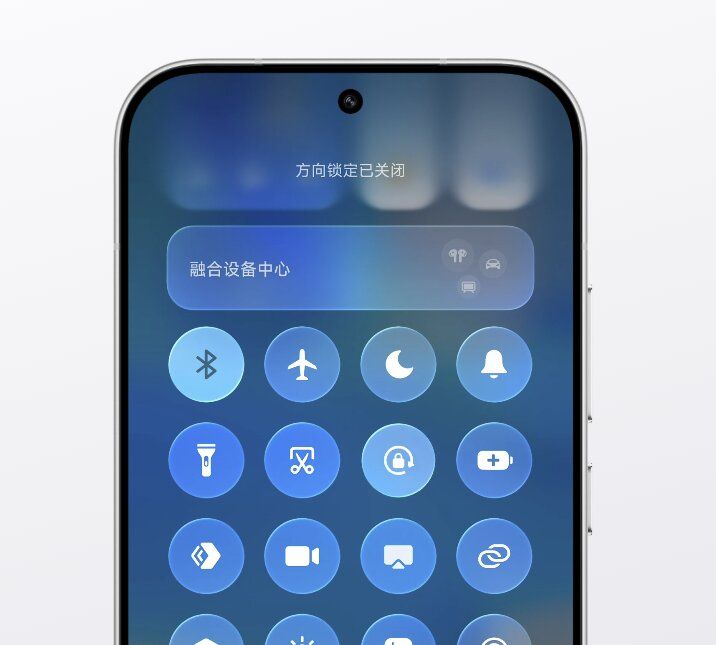
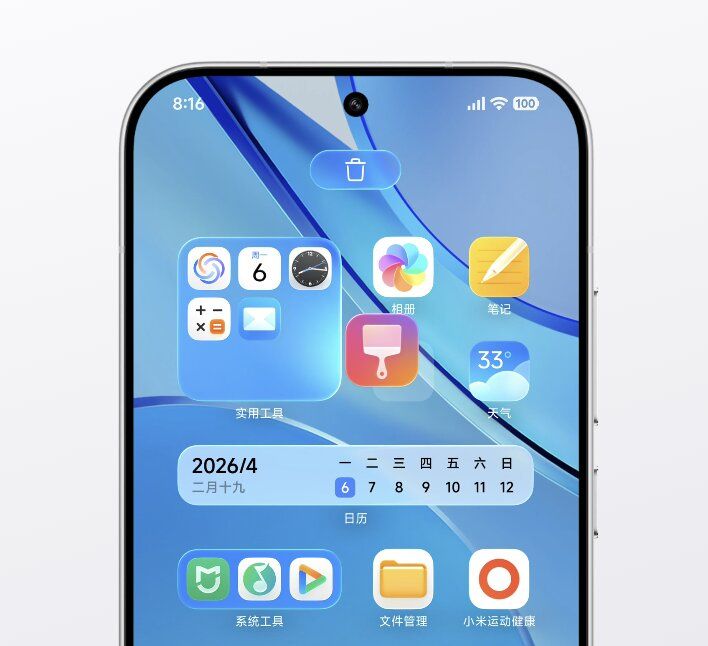
HyperOS 4 will get a new design direction called Life Aesthetics. Its foundation is the Soft Light Glass material, which changes how system elements are displayed. The transparency of individual panels can be adjusted depending on what’s on the screen, the wallpaper, or lighting conditions. When moving widgets or folders, the lighting effects can also change.

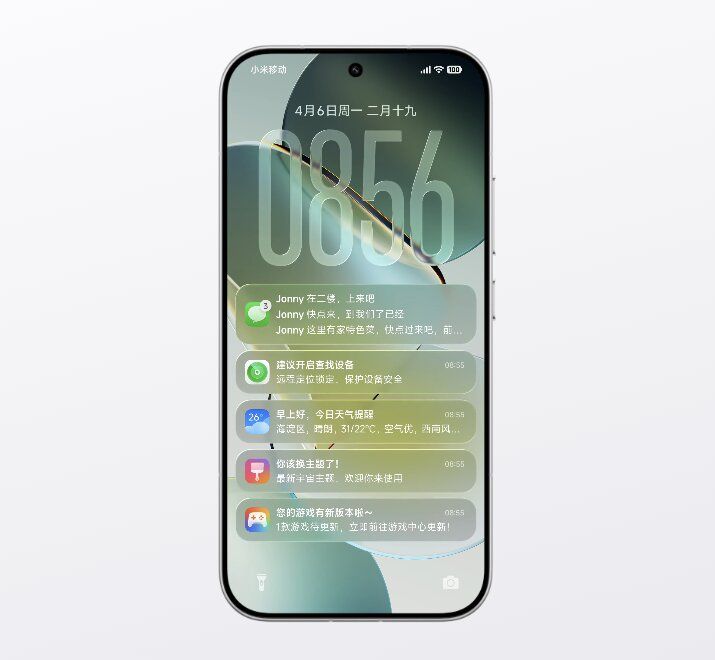
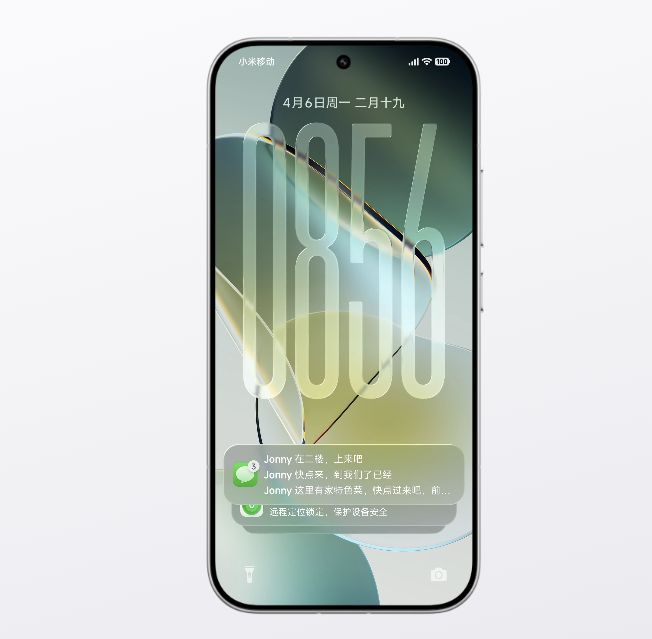
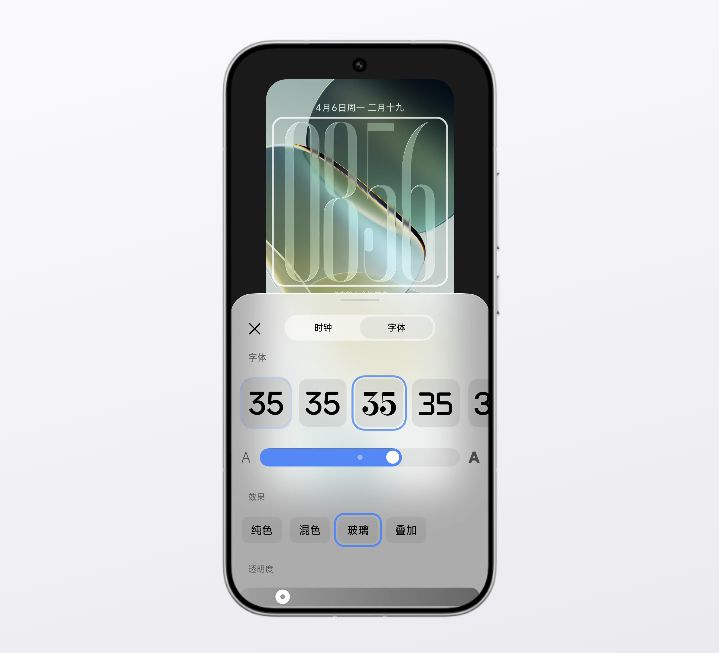
The lock screen will also undergo a major change. Xiaomi will let you adjust the size and position of the clock more flexibly, and on selected flagship models you’ll also see a special glass effect. Notifications will be able to be grouped into layered cards, so even with lots of alerts, the lock screen won’t feel overcrowded.
Widgets and folders will finally be more flexible
HyperOS 4 will also bring new options for customizing the home screen. Users will be able to stack more widgets in one space and then switch between them. Another exciting addition is customizable folders.
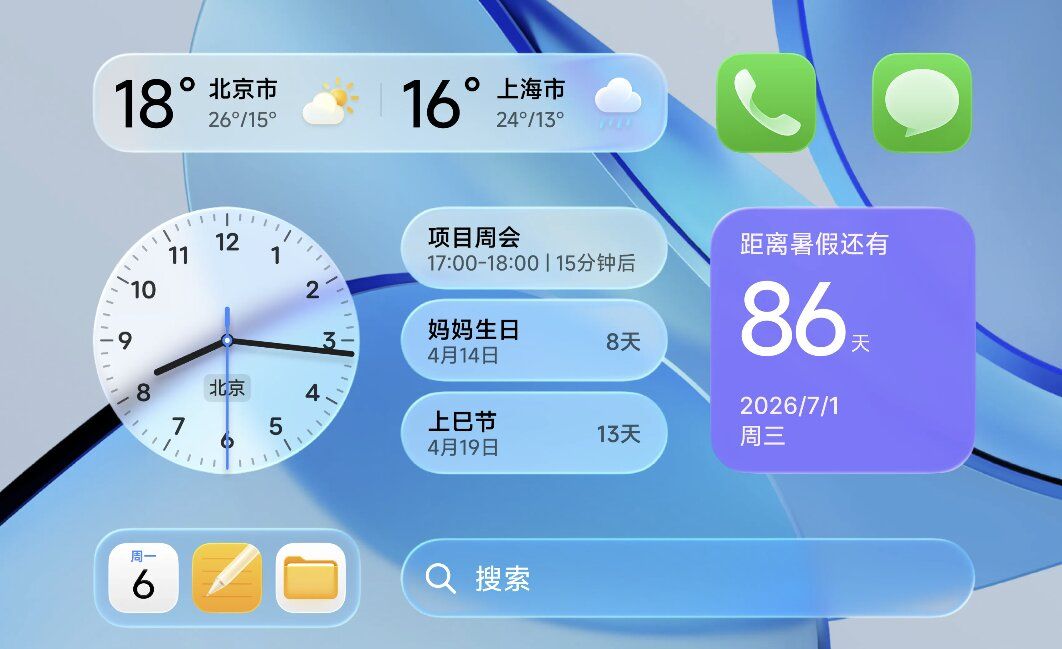
Their size will be adjustable as needed, so on the home screen you could have, for example, a small compact folder or a larger folder showing more apps directly on the desktop. System icons, animations, and the way elements are moved will also change.

Xiaomi also promises noticeably better performance
Under the hood, HyperOS 4 will focus on system optimization through the HyperCore platform. Xiaomi says the new way of calculating workload can reduce the total number of required instructions by 14.4% compared to HyperOS 3. The goal is to limit unnecessary processing and thus reduce the load on the CPU, memory, and battery.

There’s also a new AI memory prefetching feature. The system is expected to try to predict which app the user is likely to open and, accordingly, prepare the necessary resources. Xiaomi claims that after eight hours of use, available memory can be up to 27.2% higher than with HyperOS 3.
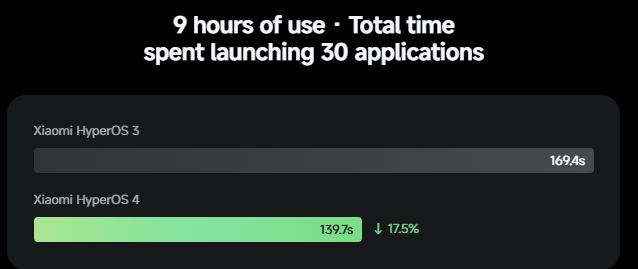
In a test of progressive startup 30 apps after nine hours of use, the launch time was reduced by 17,5 %. The company also reports as much as 28,9-percent reduction in dropped frames during long-term use.
There’s also an interesting figure related to the Gallery. In a library containing tens of thousands of photos, scrolling to the end of the gallery should be up to 90% faster. According to lab measurements, the battery should gain roughly 15.6 minutes of additional runtime.
Super XiaoAI 2.0 will be much more capable
The biggest potential of HyperOS 4, however, lies in artificial intelligence. Xiaomi will introduce Super XiaoAI 2.0, which uses Xiaomi MiMo models. The assistant is expected to move from simply answering questions to handling more complex tasks.
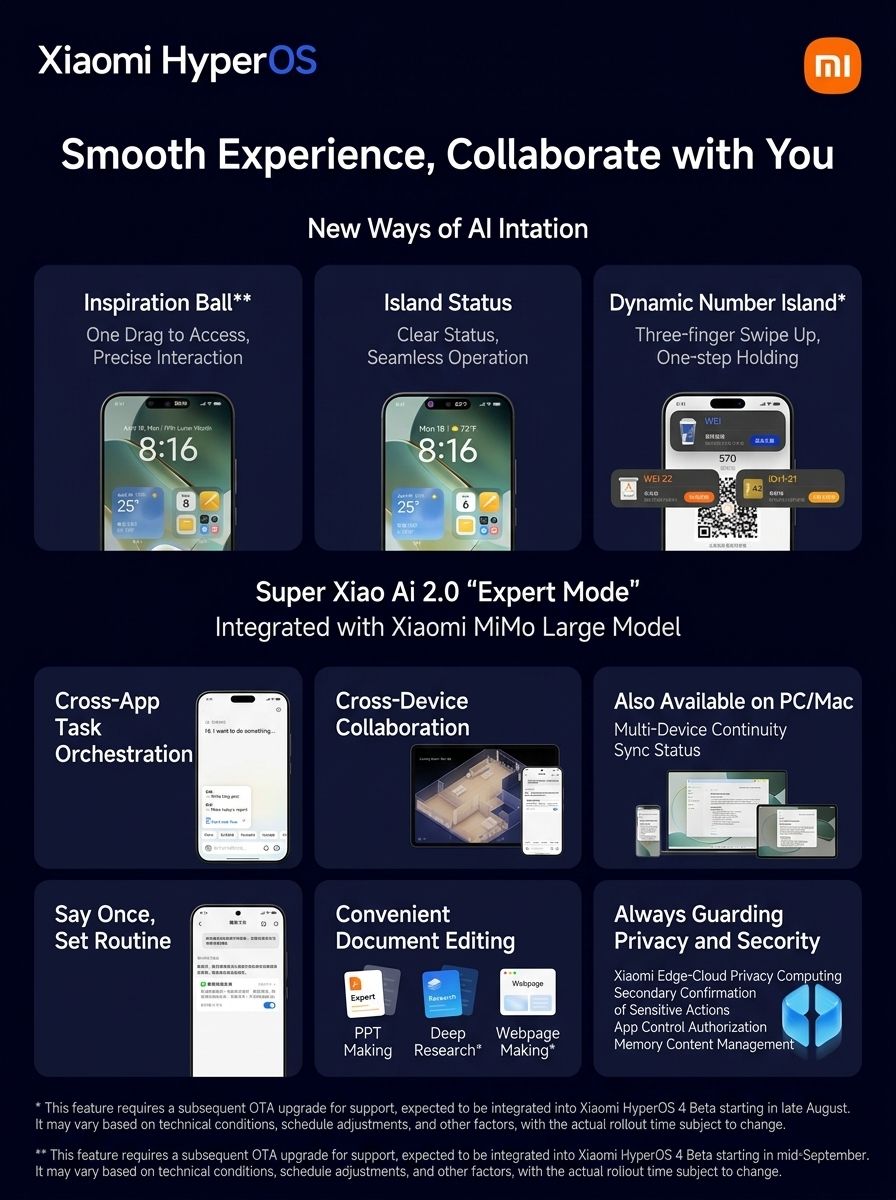
A key feature will be Expert Mode. In it, the AI can work with information from various apps, plan steps, and perform multiple operations in sequence. In leaked materials, for example, a request appeared to create a scheduled task
In that setup, the assistant will gather product information every week and send it to the user at a set time. This already sounds more like a personal digital agent than a classic voice assistant.
AI can also work with whatever you currently have on your screen
Another new feature is Inspiration Ball. The function can recognize information on the screen and suggest a relevant action. For example, if a user sees an address in a message, it can let them have it searched for in navigation.
The time and location from a poster can be turned by AI into a calendar event. It can identify the product in the photo and search for it. Xiaomi plans to roll out this feature via an update in September, with availability depending on the specific device.
HyperIsland will keep important tasks in view
HyperOS 4 will also expand the live activities system called HyperIsland. Navigation, order delivery, a transaction, or any other ongoing task can stay shown at the top of the screen even after switching to another app.
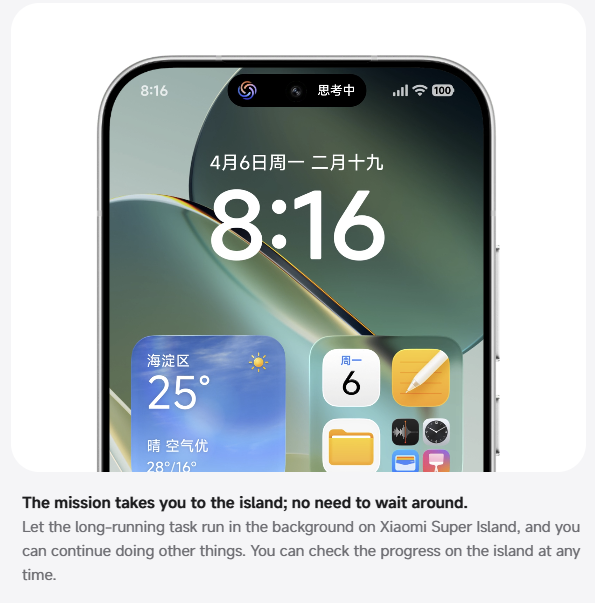
Xiaomi says that the Super Island ecosystem already supported more than 130 services as of July 31, 2026. Real-world availability, however, depends on the specific apps and services. There will also be a Code and Number Island, which can recognize numbers, QR codes, tickets, or other similar information using a gesture and offer users quick actions.
AI will create presentations, reports, and even a website
Xiaomi is taking its AI even further. Super XiaoAI is meant to be able to generate research reports, PowerPoint presentations, web pages, and even videos. The Deep Research feature can combine saved user information with online sources and then produce a structured document.
For presentations, users can enter only a topic and the AI will prepare an outline, the text, and the slides themselves. For website creation, it can likewise prepare the page structure, content, and the visual style. Of course, AI-generated results will need to be checked. Xiaomi itself also warns that AI may create inaccurate or incomplete information.
Artificial intelligence will also find its way into Notes and the keyboard
New features will also appear in system apps. The recorder can recognize a meeting, pull out key points, create an outline, and prepare a summary. Notes, meanwhile, will get tools for summarizing, searching for information, and creating tasks.
The new Xiaomi Intelligent Input Method will add an AI panel directly above the keyboard. You’ll be able to translate text, rephrase it, adjust its style, or use voice input without having to open a separate assistant. However, not all of these features will be available outside China.
HyperConnect will connect even more devices
At the same time, Xiaomi will redesign the Fusion Device Center, which is used to control connected devices. Phones, tablets, headphones, watches, cars, air conditioners, or cameras can all appear in one place. Each card will use color tones derived from the background.
HyperConnect will continue connecting phones, tablets, computers, TVs, smart homes, and cars. An interesting new feature will be the ability to link two Xiaomi phones logged into the same account. Xiaomi says calls and verification SMS codes will be synchronized across devices.
Xiaomi is also thinking about privacy
With such a capable AI assistant, security is also an important question. HyperOS 4 therefore brings a system known as end-cloud privacy computing, whose goal is to protect the data used in AI operations.
For sensitive actions, the user will have to confirm the operation. AI should therefore not change, delete, or send important data without notice. The user will also be able to manage the assistant's automatic memory and delete the information that AI has remembered.
Which Xiaomi devices will get HyperOS 4 first?
The first beta phase is currently intended for the Chinese market. The first supported devices include:
- Redmi K100 Pro and K100 Pro Max
- Xiaomi 17 Ultra
- Xiaomi 17 Ultra Leica Edition
- Xiaomi 17 Pro Max
- Xiaomi 17 Pro
- Xiaomi 17
- Redmi K90 Pro Max
- Redmi K90 Pro Max Champion Edition
- Redmi K90
- Xiaomi Pad 8 Pro
- Xiaomi Pad 8
The updates are supposed to roll out gradually in several waves. The first wave is scheduled from August 14, with the plan continuing until September 17, 2026. There are also reports that Xiaomi Pad 7S Pro 12.5 will be among the first devices.
Europe may get significantly fewer features
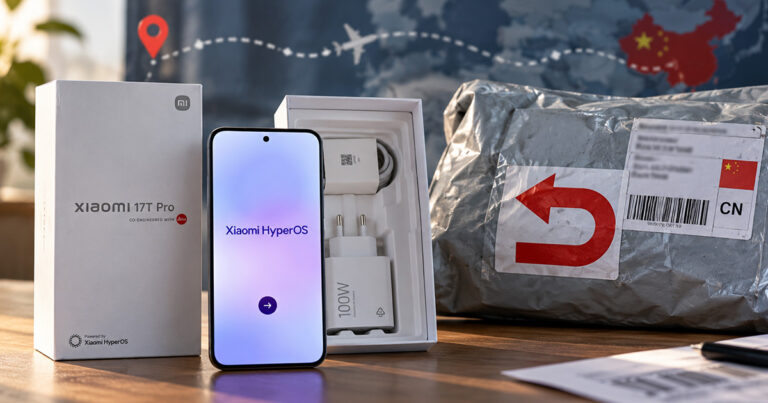
And that is exactly where you need to be careful. Most of the currently confirmed AI features apply to the Chinese version of HyperOS 4. Super XiaoAI, some AI tools, the keyboard, voice features, or integration with specific Chinese services may not be available in the global or EEA version.
It's similar with the new Soft Light Glass. Xiaomi confirms that the most advanced visual effects will only be available on more powerful devices. The mentions mainly include flagship platforms such as Snapdragon 8 Elite and newer, MediaTek Dimensity 9500 and newer, or XRING O1 and newer. In short, HyperOS 4 will not look or work the same on every Xiaomi phone.
HyperOS 4 will be a major update
From the information available so far, it is clear that Xiaomi does not want to build HyperOS 4 only around new animations and transparent cards. The biggest changes are happening in three areas: performance, design, and artificial intelligence. Soft Light Glass is supposed to give the system a more modern look, HyperCore is meant to improve long-term smoothness, and Super XiaoAI 2.0 is set to change the way you use the device.
The biggest question therefore remains how many of these features will eventually make it into European ROMs. The difference between the Chinese and global versions may decide whether HyperOS 4 will really be such a big leap for European users.
The first beta updates are already starting to appear in August, and more information about the global and European release should come later. HyperOS 4 definitely won't just be a "new skin". Xiaomi is preparing a system that should rely more heavily on AI, device connectivity, and smart optimization.
For more news from Xiaomi and their entire ecosystem, keep following our Xiaomi Planet website as well—join our Telegram channel full of the latest articles, sign up for updates, and join the community group on Facebook.
Don’t miss the best coupons 📩
Subscribe and we’ll email you new coupons before they expire. We only send it once a month — no spam.