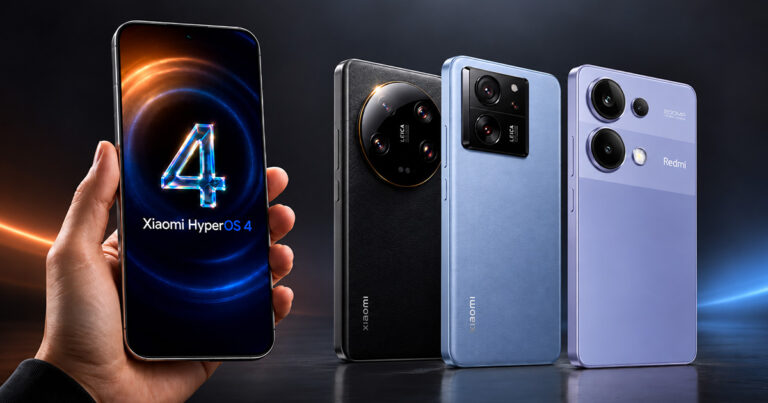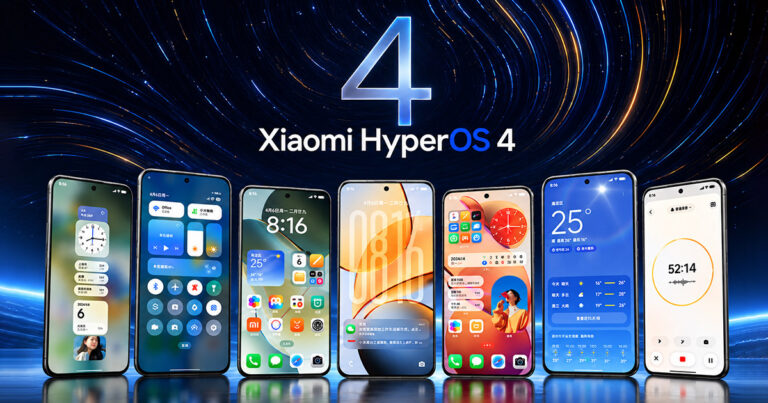



Xiaomi is still rolling out its new operating system HyperOS 2.0. Even so, there are still users who haven’t received the news on their device. Let’s take a look at why that is.
We discuss Xiaomi updates in our FB group too
Update plan of the Chinese manufacturer
HyperOS 2.0 was announced around October 2024. First, these updates went to flagship smartphones—Xiaomi 14—and then most recently Xiaomi 15 (pre-installed system). The update also reached markets beyond China, including Europe, but there are still users who don’t have it.

A similar situation happened last year too, when moving from year 2023 to year 2024. Especially cheaper mid-range devices like POCO or Redmi Note received new features only in the first quarter of the following year.
Xiaomi prefers a staged software update rollout—across multiple waves in different regions. These are the main areas where the Chinese manufacturer pushes its updates:
- China
- Global market
- EEA (European Economic Area)
- India
Once the updates reach these markets, they are then distributed to other markets such as Russia, Indonesia, Turkey, and Taiwan. This phased approach allows Xiaomi to monitor the update’s stability and also fix any critical bugs before rolling it out to all regions.
In the long run, it’s a reasonable approach—even if it comes with a trade-off for some residents of selected regions, who have to wait a bit longer.
Bug checking and stability, compliance with regulations
It’s not just system bugs that prevent the new software HyperOS 2.0 from reaching all Xiaomi devices at the same time. There are also other factors, such as compatibility issues that only show up with the final devices—not during beta testing.

Different regions also have different regulations and laws when it comes to software. And that’s something Xiaomi and its legal team has to take into account when distributing a major update with lots of new features. It’s also why different countries will or won’t receive certain system features.
Regional optimizations, server load management
Software for specific regions can have its own differences. For example, the ROM for the Indian market may use local features or apps, while the European version can include much stricter privacy and security requirements set by the EU.
Even the distribution of the updates themselves can overwhelm the company’s servers set up for this purpose. That’s why a staged rollout keeps those servers stable enough to smoothly deliver updates to the target spectrum of users.
A big factor in how quickly updates arrive is also whether you bought your smartphone from a carrier. Carrier systems are usually modified, and these phones typically get updates among the last—because the carrier first needs to adjust the new update based on its preferences and then roll it out to smartphone owners.
To get more updates from the world of Xiaomi, keep following our Xiaomi Planet website. Join our Facebook group, where we build an active community and help each other out. Subscribe to our Telegram as well, where we add the best deals and coupons from China every day.
Don’t miss the best coupons 📩
Subscribe and we’ll email you new coupons before they expire. We only send it once a month — no spam.