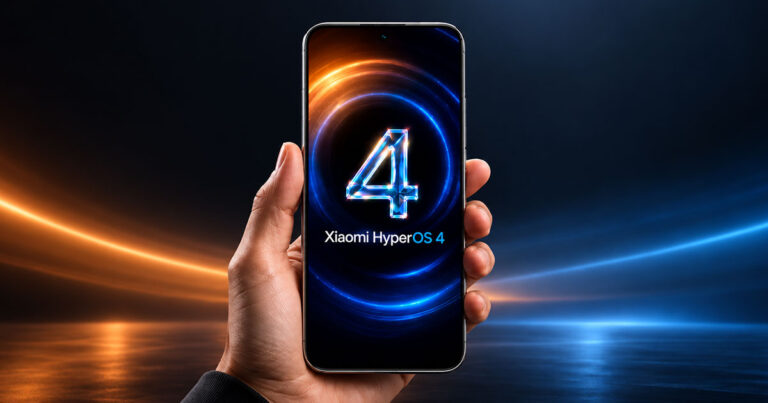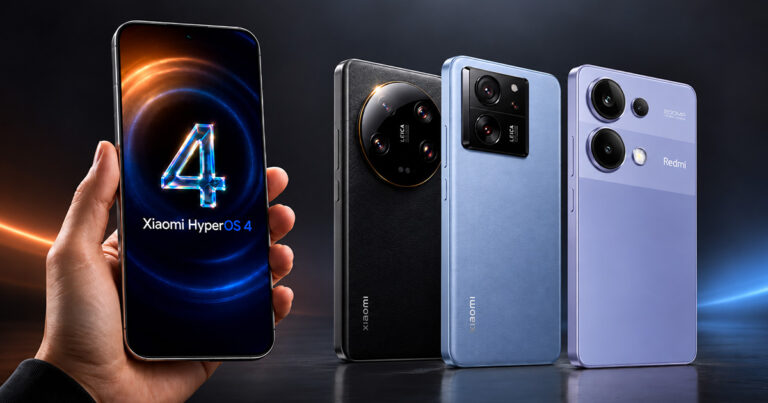

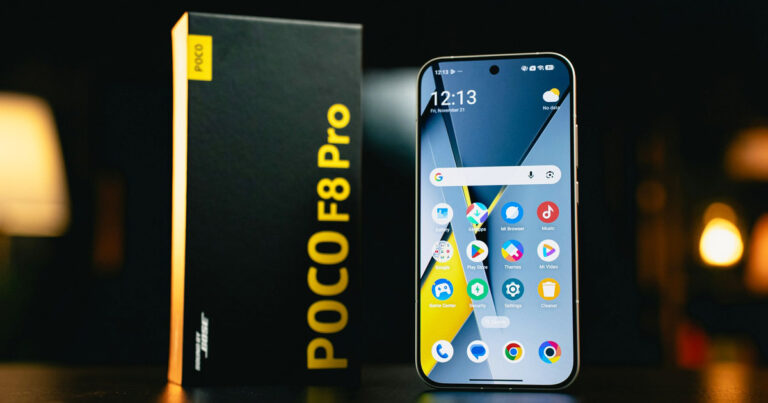

Xiaomi has opened up a new big chapter in its software. It’s all about the HyperOS 4 overlay, which arrives with Android 17 and will gradually roll out to dozens of smartphones from Xiaomi, Redmi, and POCO. If you have one of the newer models at home, you’ll probably want to know whether it will also appear in the candidate list for the update.
We update this article regularly. Most recently on October 15, 2026: Xiaomi in China rolled out a stable version. Test builds for European and global versions were added to the servers, and we also included more affordable REDMI and POCO models in the list.
HyperOS updates in our FB group
HyperOS 4 is official; the stable version is rolling out from 15. October
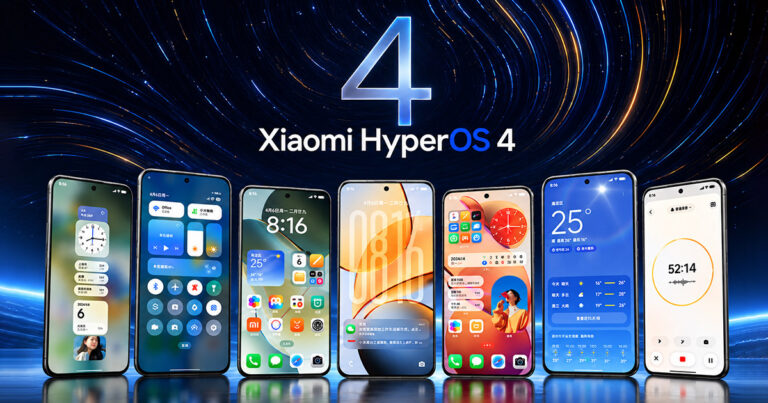
Compared to the spring speculation, the situation has shifted significantly. Xiaomi officially unveiled HyperOS 4 on August 13, 2026 and launched the beta program the very next day. The overlay is built on Android 17 and brings a new Soft Light Glass interface, a redesigned memory management system, and a big package of AI features.
The most interesting changes, however, aren’t visible in the screenshots. Xiaomi rewrote the desktop, gallery, and weather from the ground up, and also adjusted how the system works with the processor and memory. We broke it down in detail in the article about the changes in the core of HyperOS 4. What that looks like in everyday use is shown by the first review of the global version on the Xiaomi 17 Ultra.

Xiaomi is rolling out the stable version from October 15, 2026. First to get it are Chinese Xiaomi 17, REDMI K90, K100 Pro, and the Pad 8 tablets—more in the article about the stable version launch. The schedule was published on September 17 by HyperOS’ official account in the Xiaomi Community app. However, it only applies to Chinese ROMs. The sharp-update deadline for global and European Xiaomi versions has not been announced yet; for now, only beta and internal testing are running for them. That’s why the list below is compiled from the Chinese schedule, beta waves, and internal builds that have been appearing on Xiaomi’s servers.
Stable release schedule for China
The rollout has six dates and follows the tradition from previous years. First will come the newest flagship models, and at the end, older and cheaper devices.
- October 15: Xiaomi 17, 17 Pro, 17 Pro Max, 17 Ultra, 17 Ultra Leica Edition, REDMI K100 Pro, K100 Pro Max, K90, K90 Pro Max, K90 Pro Max Champion Edition, Xiaomi Pad 8 and Pad 8 Pro
- October 31: Xiaomi 17 Max, 17T, 17T Pro, REDMI K90 Max, K90 Ultra, Turbo 5, Turbo 5 Max, and REDMI K Pad 2
- November 15: Xiaomi 15, 15 Pro, 15S Pro, 15 Ultra, MIX Flip 2, Civi 5 Pro, REDMI K80, K80 Pro, K80 Ultra, Turbo 4, Turbo 4 Pro, Xiaomi Pad 7, Pad 7 Pro, Pad 7S Pro 12.5, Pad 7 Ultra, and REDMI K Pad
- November 30: REDMI Note 15, Note 15 Pro, Note 15 Pro+, Note 17, Note 17 Pro, REDMI Pad 2 Pro, and Pad 2 Pro 5G
- December: older models including the Xiaomi 14 and Xiaomi 13 series, MIX Fold 3, MIX Fold 4, MIX Flip, Civi 4 Pro, REDMI K70, REDMI Note 14 Pro, Note 14 Pro+, Xiaomi Watch 5 watches, and more
- January 2027: Xiaomi Watch S4 watches, REDMI Watch 6, Smart Band 10 and 10 Pro bands, and more TVs
Global versions usually follow a few weeks later, while European EEA versions are typically among the last. That’s why you can read the order from the Chinese schedule, but not the exact date for our market.
Beta: China in three waves, Europe in two
Xiaomi split the Chinese beta program into three stages. Since it’s a Chinese ROM, it also includes models that aren’t officially sold in our market. However, the order does give a good indication of which devices will arrive globally as well.
- 1st wave (August 14th): Xiaomi 17, 17 Pro, 17 Pro Max, 17 Ultra, 17 Ultra Leica Edition, REDMI K90, K90 Pro Max, K90 Pro Max Champion Edition, Xiaomi Pad 8 and Pad 8 Pro
- 2nd wave (August 27th): Xiaomi 15, 15 Pro, 15S Pro, 15 Ultra, 15 Ultra Dual Satellite Edition, Xiaomi 17T, 17T Pro, 17 Max, REDMI K90 Max, K90 Ultra and REDMI K Pad 2
- 3rd wave (September 17th): REDMI K80, K80 Pro, K80 Ultra, K100 Pro, K100 Pro Max, Xiaomi MIX Flip 2, Xiaomi Pad 7S Pro 12.5 and Pad 7 Ultra
Since September 10, the global beta has also been running, and for the first time Xiaomi has opened it up to European EEA versions as well. In the first wave were the Xiaomi 17, 17 Ultra and Leica Leitzphone; on September 17, the Xiaomi 15, 15 Ultra, 17T and 17T Pro were added. We described how to join the beta separately. You can find the European build numbers in the article about the second beta wave. Before you sign up, keep in mind that you won’t be able to go back to HyperOS 3 through a normal update.
First, the Xiaomi flagship models will roll out
As is typical for Xiaomi, the update starts with the highest-end models. This was confirmed by the first beta wave and the official schedule. Both open up the entire Xiaomi 17 series, including Pro, Pro Max and Ultra versions. These devices have plenty of performance headroom and the longest software support.

The mid-range models will follow later. The REDMI Note 15 series has a slot in the Chinese schedule for 30. November, six weeks after the Xiaomi 17 series. The latest Xiaomi 18 series doesn’t need an update. Xiaomi 18 Pro and 18 Pro Max were launched in China on 23. September, and HyperOS 4 is shipped directly from the factory.
Redmi and POCO will be rolled out gradually
With Redmi smartphones, the situation is typically a bit more complicated. Models from the Redmi Note series are among the brand’s best-sellers, but not all variants receive updates at the same time. The differences can come between 4G and 5G versions, regional editions, or models with different hardware.
For POCO, the safest choices are mainly models from the F series, which offer powerful hardware and often build on premium Redmi or Xiaomi models. For POCO X, M and C series, it will be important to wait for the specific dates for each market, because being added to the candidate list doesn’t mean you’ll get the OTA update right away.
In the meantime, internal builds for cheaper models are also showing up on Xiaomi servers for the global and European version. From August 14 to October 15, XiaomiTime, via the XiaomiTime channel, caught them for 58 devices—50 phones and 8 tablets. Only on October 15, 39 more were added for European and global versions. Among them are also the most affordable models like REDMI 15C, REDMI 17 4G, POCO C85, and POCO M7 4G.
Updated list of models with HyperOS 4
Compared to the original spring version of the list, dozens of devices were added, including the entire tablet category. In the last update on October 15, we added affordable models like REDMI 17, REDMI 17C, POCO C95 Pro, POCO M8x, M8s, and M8 Power based on new internal builds. Some models from the K, Turbo, and Civi series are not officially sold with us.
Xiaomi
- Xiaomi 13, 13 Pro, 13 Ultra, 13T, 13T Pro
- Xiaomi 14, 14 Pro, 14 Ultra, 14T, 14T Pro, 14 Civi
- Xiaomi 15, 15 Pro, 15 Ultra, 15S Pro, 15T, 15T Pro
- Xiaomi 17, 17 Pro, 17 Pro Max, 17 Ultra, 17 Max, Leica Leitzphone
- Xiaomi 17T, 17T Pro
- Xiaomi 18 Pro, 18 Pro Max (HyperOS 4 from the factory)
- Xiaomi Civi 4 Pro, Civi 5 Pro
- Xiaomi MIX Fold 3, MIX Fold 4, MIX Flip, MIX Flip 2
REDMI
- REDMI K60 Ultra, K70, K70e, K70 Ultra
- REDMI K80, K80 Pro, K80 Ultra
- REDMI K90, K90 Pro Max, K90 Max, K90 Ultra
- REDMI K100 Pro, K100 Pro Max
- REDMI Turbo 3, Turbo 4, Turbo 4 Pro, Turbo 5, Turbo 5 Max
- REDMI Note 14, Note 14 4G, Note 14 Pro, Note 14 Pro 4G, Note 14 Pro+
- REDMI Note 15, Note 15 5G, Note 15 Pro, Note 15 Pro 4G, Note 15 Pro+
- REDMI Note 17, Note 17 5G, Note 17 Pro, Note 17 Pro 5G
- REDMI 17, 17 4G, 17C 4G, M100
- REDMI 15, 15 4G, 15C 5G, 15C 4G, 14R 5G
POCO
- POCO F6, F6 Pro
- POCO F7, F7 Pro, F7 Ultra
- POCO F8 Pro, F8 Ultra
- POCO F9 Pro, F9 Ultra
- POCO X6 Pro, X7, X7 Pro
- POCO X8, X8 Pro 5G, X8 Pro Max
- POCO M7 4G, M7 5G, M7 Plus, M7 Pro 5G
- POCO M8 5G, M8 Pro 5G, M8s, M8x 5G, M8 Power
- POCO C85 4G, C85 5G, C95 Pro
Tablets
- Xiaomi Pad 6S Pro 12.4, Pad 7, Pad 7 Pro, Pad 7S Pro 12.5, Pad 7 Ultra
- Xiaomi Pad 8, Pad 8 Pro, Pad Mini
- REDMI Pad 2, Pad 2 4G, Pad 2 Pro, Pad 2 Pro 5G
- REDMI K Pad, K Pad 2
- POCO Pad M1, Pad X1
Good news for those whose devices launched in 2026 with HyperOS 3 are getting a fourth update under the promised software support—even if you don’t see them listed separately.
Which HyperOS 4 models likely won’t get it
What’s more interesting than the list itself is what’s missing from it. Internal builds suggest that HyperOS 4 is tightly tied to Android 17, and Xiaomi won’t port it to an older base. If you don’t get Android 17, you won’t get HyperOS 4. A build based on Android 16 hasn’t shown up anywhere.
For HyperOS 3, based on the available information, Xiaomi 13 Lite, Xiaomi Civi 3, the entire Xiaomi 12 series, and older models will remain. For the cheaper phones, these are REDMI Note 13, Note 13 5G, Note 13 Pro 5G, Note 13 Pro+, POCO X6 5G, Redmi 13, Redmi 14C, POCO C75, REDMI A5 4G, and POCO C71. If you have any of them, expect security patches for HyperOS 3—not a new system update. Xiaomi, however, has not confirmed this definitively.
Owners of REDMI Note 13 Pro 4G and POCO M6 Pro 4G have good news. In August, we had already counted them among the models with no hope, but on September 29, the first internal HyperOS 4 builds on Android 17 appeared for them on Xiaomi servers, in both the global and European versions. REDMI Note 14S has the same hardware. By October 15, 70 internal builds had been added for these phones, 30 in the European version and 40 in the global version. An internal build is not yet a promise of an update, but these models’ chances of getting the four are high.
Did you find your smartphone in the list too?
Updates may arrive differently in different regions
When updating on Xiaomi, you should always expect a phased rollout. The timeline can differ for the Chinese ROM, the global version, the European EEA version, or regionally modified software for specific markets. That’s why the same model might get HyperOS 4 earlier in one country and only a few weeks later in another.

So the most sensible approach is to treat the current list as a solid guideline map. If your smartphone is on it, your chances of getting the update are very high. However, final confirmation will only come once Xiaomi publishes the official schedule for each model and region. We’ll keep updating the list as we go.
To get more updates from the world of Xiaomi, keep following our Xiaomi Planet website. Join our Facebook group, where we build an active community and help each other out. Subscribe to our Telegram as well, where we add the best deals and coupons from China every day.
Don’t miss the best coupons 📩
Subscribe and we’ll email you new coupons before they expire. We only send it once a month — no spam.